
Quick Answer: Which 10 oz Glove Construction Fits Your Training?
10 oz boxing gloves are specialized tools designed for competition, fast-paced focus mitt training, and speed bag work. Because of their reduced weight and thinner profile, they are not intended for general sparring or heavy bag training.
To find the right construction, match the glove’s internal design to your primary training activity. Choose compact padding with a snug hand compartment if you are preparing for competition or want maximum feedback on focus mitts. Alternatively, select multi-layer foam and robust wrist support if your coach permits 10 oz gloves for light technical drills, or if you are a junior or lightweight boxer. Ultimately, the best model depends on matching the glove’s internal architecture to the specific impact demands of your daily routine.
Why 10 oz? Defining the Weight Class and Training Purpose
In the world of boxing, glove weights typically range from 8 oz up to 18 oz, with each weight class serving a distinct training purpose. The 10 oz weight class sits at a critical transition point. It is the official competition standard for amateur bouts and professional divisions in lower weight classes, making it a vital tool for competitive athletes. For everyday fitness enthusiasts and active boxers, 10 oz gloves are the preferred choice for focus mitt training, as the lighter weight allows you to throw fast, precise combinations without premature shoulder fatigue.
Products mentioned in this guide
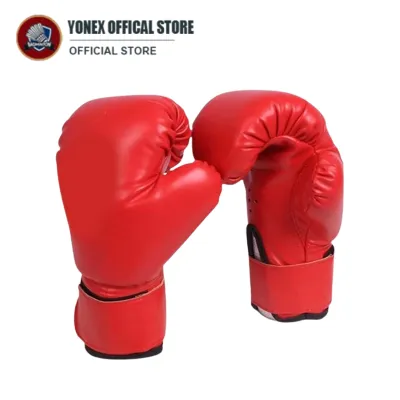
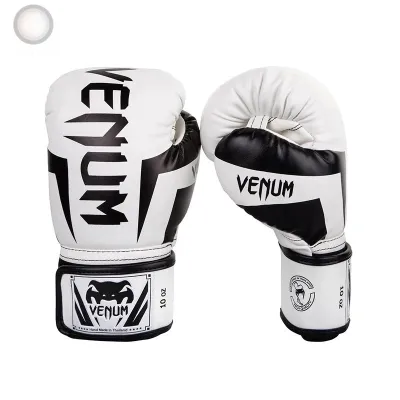
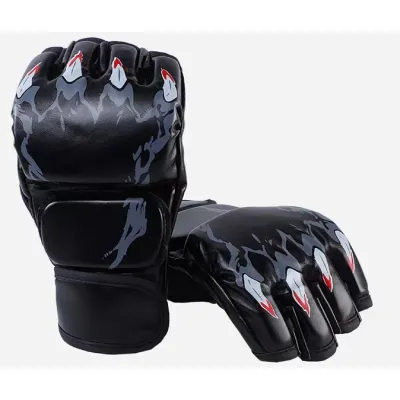
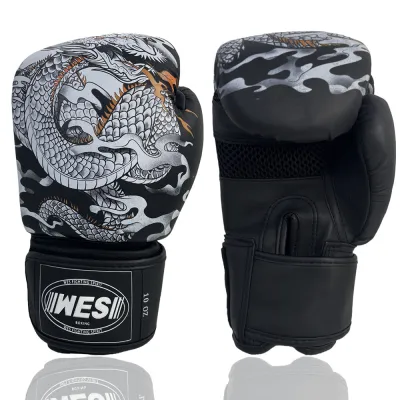
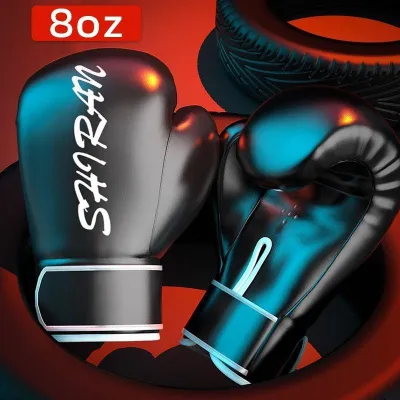
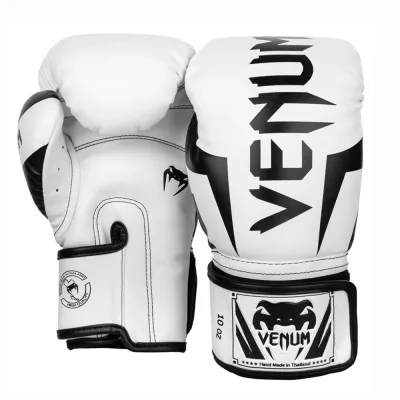
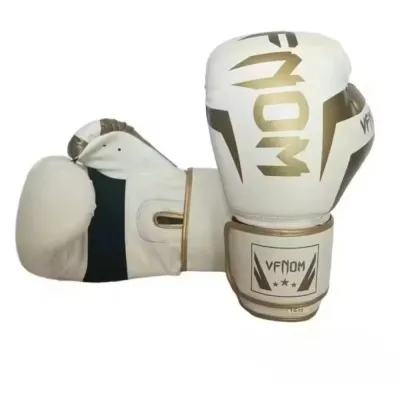
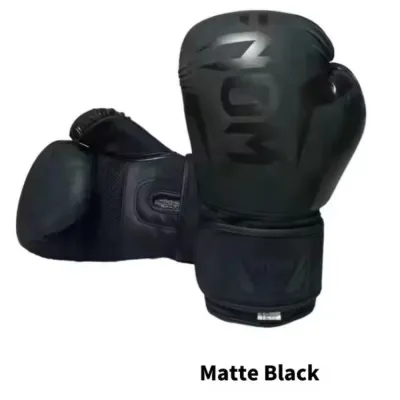
Prices are valid at publication and may change. Please refer to the product page for the latest price.

However, this lighter weight comes with a critical safety boundary. A 10 oz glove lacks the physical padding volume required to safely absorb high-velocity impacts for both your hands and your training partner. For this reason, 10 oz gloves are generally unsafe for full-contact adult sparring, where gyms typically mandate 14 oz or 16 oz gloves to minimize the risk of injury. Before purchasing a pair of 10 oz gloves with the intention of sparring, always verify your gym’s specific equipment rules and consult your coach.
Despite these safety limits, the 10 oz weight class remains indispensable for sharpening your technical skills. The reduced mass helps you develop hand speed and muscle memory, while the thin padding provides immediate, clear feedback. This tactile response lets you know instantly if your punches are landing with correct knuckle alignment, making them ideal for high-speed bag work and coordination drills.
Core Comparison Dimensions for 10 oz Boxing Gloves
When choosing a 10 oz boxing glove, every gram of material must perform at its absolute limit. Because these gloves contain less overall foam and outer material than heavier training gloves, the quality of their individual components is critical to preventing hand injuries and ensuring the gear lasts. Evaluating a glove requires looking beyond brand names and analyzing four core physical dimensions: outer materials, padding architecture, wrist support, and hand compartment ergonomics.
Outer Materials: Genuine Leather vs. Synthetic Options
The outer shell of a boxing glove must withstand immense friction, sweat, and impact. The primary choice lies between genuine leather, such as cowhide or goatskin, and synthetic materials like polyurethane (PU) or microfiber.
Genuine leather is highly regarded for its exceptional durability, natural breathability, and ability to mold to the unique shape of your hand over time. However, in the tropical, high-humidity climate of the Philippines, leather requires deliberate care. Leather absorbs sweat easily; if left damp in a gym bag, it can quickly rot, crack, or develop mold. Regular conditioning and proper drying are essential to keep leather pliable and odor-free.
Synthetic options offer a highly practical alternative. Modern, high-grade synthetics are completely resistant to moisture absorption on the exterior, making them incredibly easy to wipe clean after an intense workout. They are also generally more affordable, making them a popular choice for beginners. The primary trade-off is breathability; synthetic materials do not vent heat well, which often traps sweat inside the hand compartment and can lead to rapid bacterial growth if not dried thoroughly.
When shopping, avoid relying solely on marketing titles that use vague terms like “engineered leather.” Always check the manufacturer’s product tags and material specifications to confirm whether you are purchasing genuine cowhide or a synthetic composite.
Padding Architecture: Multi-Layer Foam vs. Compact Fill
The internal padding of a 10 oz glove determines how shock is distributed upon impact. Manufacturers generally use either multi-layered foam systems or single-block, compact fills.
Multi-layered foam systems combine different densities of latex, memory foam, and EVA. This architecture is designed to disperse the force of a punch over a wider surface area, offering superior knuckle protection. This makes multi-layered gloves ideal for high-volume pad work, as they protect your metacarpals from repetitive stress and extend the shock-absorbing lifespan of the glove.
In contrast, compact fill designs, often associated with traditional Mexican-style gloves, use a denser, single-block foam or a blend of horsehair and thin latex. This construction offers a much firmer feel and delivers highly pronounced punch feedback. Competitors often prefer this style because it allows them to feel the exact point of contact on impact. However, the trade-off is that more kinetic energy is transmitted back into your hand, which can cause joint soreness during repetitive daily workouts.
To assess the padding before purchasing, firmly press the knuckle area of the glove with your thumbs. A protective, multi-layered glove will feel springy and compress under pressure, while a compact puncher’s glove will feel dense, firm, and highly resistant to compression.
Wrist Support and Closure: Lace-Up vs. Hook-and-Loop
Wrist stability is paramount when throwing high-speed combinations, and the closure system plays a major role in keeping your joints aligned. You must choose between traditional lace-up closures and modern hook-and-loop (Velcro) straps.
Lace-up closures provide a highly secure, customized fit. The laces pull the entire cuff tight around your wrist, creating a rigid, splint-like alignment that prevents your wrist from bending or buckling during heavy hooks. This level of support is unmatched, but it comes with a major practical limitation: you cannot tie or untie the gloves yourself. You will always require a coach or training partner to assist you before and after every round.
Hook-and-loop closures offer maximum convenience for solo training. The thick Velcro strap allows you to put on and take off your gloves in seconds, making them ideal for circuit training or workouts where you transition rapidly between boxing, skipping rope, and bodyweight exercises.
Because 10 oz gloves are physically smaller than heavier models, their cuffs are naturally shorter. This reduced cuff length means the precision of the closure system is highly critical. A loose or poorly aligned strap on a 10 oz glove can leave your wrist vulnerable to hyperextension, making high-quality wrist support a non-negotiable feature.
Thumb Attachment and Hand Compartment Ergonomics
The ergonomics of a glove dictate both your safety and your punching form. Two key areas to evaluate are the thumb attachment and the internal hand compartment.
The thumb attachment is a critical safety feature designed to prevent injuries. Modern gloves feature either a fully attached or semi-attached thumb, which secures the thumb parallel to your fist. This design prevents your thumb from flaring outward on impact, reducing the risk of jamming your own joint or accidentally poking your training partner in the eye during light drills.
The hand compartment shape varies significantly between brands. Thai-style gloves often feature a wider, flatter hand compartment, which allows your hand to open slightly to catch kicks or work in the clinch. Western-style boxing gloves typically use a narrower, more curved compartment that coaxes your hand into a tight, natural fist, reducing muscle strain when maintaining a closed hand.
Because internal dimensions vary, always try on 10 oz gloves while wearing your standard hand wraps. A glove that feels comfortable on a bare hand can easily become painfully tight, pinch your fingers, or restrict circulation once your hands are wrapped.
Decision Framework: Matching Glove Features to Your Routine
To select the ideal 10 oz boxing glove, evaluate your training routine, environment, and physical needs against these technical features.
- Choose multi-layer foam and genuine leather if: Your training consists of frequent, high-intensity focus mitt sessions with a coach. You require maximum knuckle protection to prevent repetitive strain, and you are committed to maintaining genuine leather in a humid tropical climate.
- Choose compact padding and a snug hand compartment if: You are actively preparing for amateur or professional bouts. You want a glove that mimics the exact feedback and hand positioning of competition day, allowing you to gauge your punch accuracy and impact angles precisely.
- Choose hook-and-loop closures if: You train independently in a local commercial gym, participate in high-intensity interval training (HIIT) boxing classes, or frequently switch between bag work and conditioning exercises without a partner to assist you.
- Choose lace-up closures if: You have a history of wrist instability or previous joint injuries, prioritize maximum wrist alignment above all else, and always train with a dedicated coach or partner who can secure your gloves.
- Verify first if you intend to spar: Before bringing 10 oz gloves to a sparring session, consult your coach. Using 10 oz gloves for adult sparring is generally unsafe and highly discouraged unless specifically mandated for controlled, light-contact technical drills or for very lightweight/junior boxers.
Buying and Maintenance Tips for the Philippine Climate
Purchasing authentic gear is the first step to ensuring your safety. To avoid counterfeit gloves that lack proper protective padding, buy only from authorized local sporting goods retailers, official brand flagship stores, or verified distributors in the Philippines. Counterfeit gloves often look identical on the outside but use cheap, low-grade packaging foam on the inside that collapses instantly under impact, leaving your knuckles completely unprotected.
Once you have purchased your gloves, adapting your maintenance routine to the high humidity of the Philippines is crucial. Sweat trapped inside a warm, damp glove creates an ideal breeding ground for bacteria and mold, which quickly degrades the internal materials and produces persistent, foul odors.
To extend the life of your gear, establish a strict post-training maintenance routine:
- Wipe down the exterior shell with a clean, damp microfiber cloth immediately after your workout to remove sweat and salt buildup.
- Insert moisture-wicking glove dogs, cedar wood inserts, or silica gel packs into the hand compartment to draw out residual moisture from the inner lining.
- Air-dry your gloves in a cool, well-ventilated indoor area with active airflow. Never leave them inside a closed gym bag, and avoid exposing them to direct, harsh sunlight, as extreme heat can crack genuine leather and warp synthetic shells.
- Always check the manufacturer's specific care label before applying any leather conditioners or specialized cleaning sprays to ensure compatibility.
Frequently Asked Questions (FAQ)
Here are answers to some of the most common questions about selecting and maintaining 10 oz boxing gloves.
Can I use 10 oz gloves for heavy bag training?
While physically possible, using 10 oz gloves for heavy bag training is highly discouraged for the average fitness enthusiast or beginner. The thin padding of a 10 oz glove is designed to absorb impacts on soft focus mitts or during competition, not the dense, unyielding resistance of a heavy bag. Repeatedly hitting a heavy bag with 10 oz gloves can lead to knuckle bruising, wrist fatigue, and joint strain. Furthermore, the high-impact force will compress and degrade the internal foam rapidly, shortening the lifespan of your gloves. For dedicated heavy bag work, opt for 12 oz, 14 oz, or 16 oz gloves to ensure adequate protection and durability.
How do I prevent my boxing gloves from smelling in a humid climate?
Preventing odor in a tropical climate requires consistent moisture control. Never leave your damp gloves inside a zipped gym bag, as the lack of airflow accelerates bacterial growth. Immediately after training, wipe the interior dry with a clean cloth. Use breathable glove dogs filled with cedar wood chips or moisture-absorbing silica packs to pull sweat out of the inner lining. Store your gloves in a well-ventilated room with active airflow, such as near a fan or an open window, keeping them out of direct sunlight. If the manufacturer’s care instructions permit, you can occasionally use a specialized, mild antibacterial spray designed for athletic gear to sanitize the interior.
Community discussion
Share your experience or ask a question. Comments are reviewed before publication.