
Selecting the correct boxing glove weight is not a matter of finding a single, universally superior option. Instead, it requires matching the glove’s weight to your physical build, your training environment, and your immediate workout goals. There is no one-size-fits-all glove in combat sports; the ideal pair for a high-intensity bag session is rarely the same pair you should wear when stepping into the ring with a sparring partner.
As a direct rule of thumb, 12 oz gloves are highly optimized for focus mitts, speed-focused heavy bag work, and lighter fighters who need to develop rapid hand combinations. Moving up, 14 oz gloves serve as the versatile, middle-ground option for general fitness boxing and mixed training sessions. Finally, 16 oz gloves represent the protective standard mandatory for safe sparring and heavy-hitting fighters who require maximum knuckle and wrist protection. Balancing these weights against your personal body mass and your gym’s safety rules will point you directly to the correct purchase.
Understanding Boxing Glove Weights and Padding
The abbreviation “oz” stands for ounces, which represents the physical weight of the glove’s padding and outer shell rather than the interior space designed for your hand. A common misconception among beginners is that a heavier glove is physically larger on the inside to accommodate bigger hands. In reality, the internal hand compartment of a 12 oz glove and a 16 oz glove from the same manufacturer and model line can feel remarkably similar, while the external profile and depth of the foam padding differ dramatically.
Products mentioned in this guide
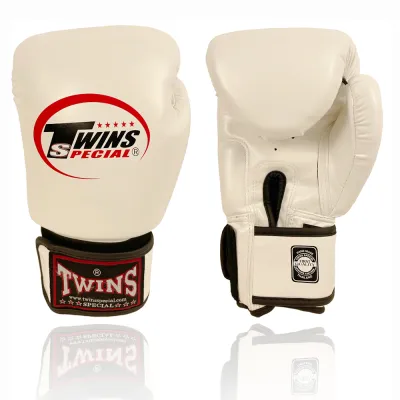
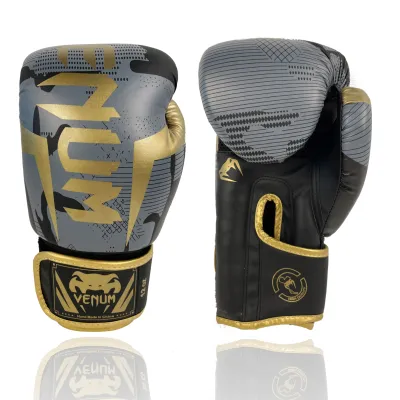
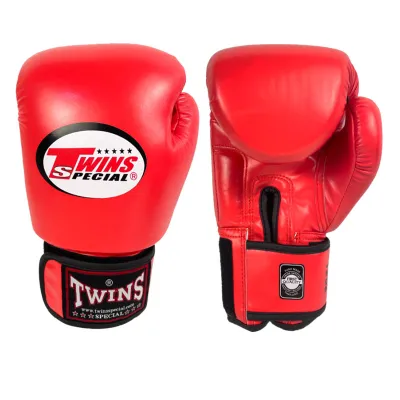
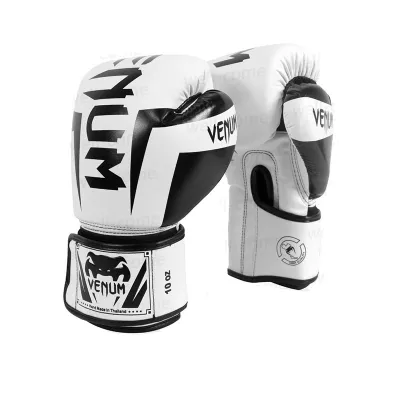
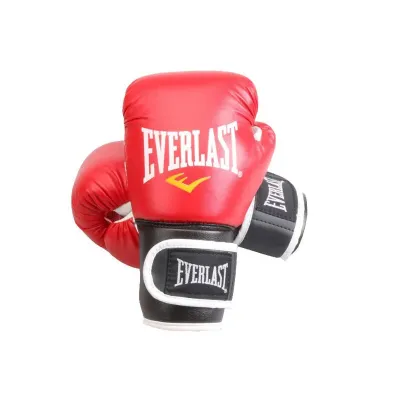
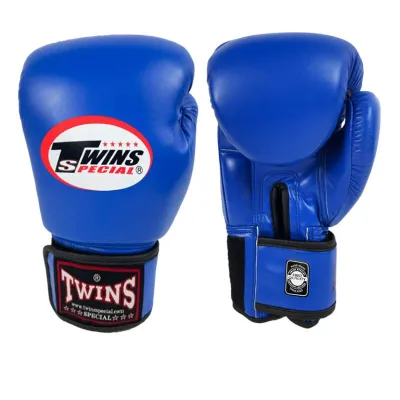
Prices are valid at publication and may change. Please refer to the product page for the latest price.
When you choose a heavier glove, you are primarily purchasing more layers of protective foam or horsehair padding distributed over the knuckles, thumb, and back of the hand. This extra material is engineered to absorb and disperse the kinetic energy generated during impact, reducing the shock transmitted to your delicate hand bones and your training partner’s face. Consequently, a 16 oz glove features a much thicker, bulkier profile that provides a larger defensive shield when blocking punches, whereas a 12 oz glove offers a sleek, compact profile that slips through tight defensive guards more easily.
It is also vital to recognize that padding density varies significantly across different brands and manufacturing styles. A 12 oz glove designed with high-density layered foam for bag work will feel stiff and compact, offering sharp tactile feedback upon impact. Conversely, a 12 oz glove built with softer, multi-layered foam for light training may feel pillowy but will bottom out more quickly under heavy impact. Understanding these material differences prevents the mistake of assuming all gloves of a specific weight perform identically.
In tropical environments like the Philippines, where high relative humidity is a constant factor, the physical weight of your gloves can actually change during a workout. Non-air-conditioned gyms—often referred to as traditional “sweatbox” gyms—accelerate perspiration, and open-cell foam padding can absorb a surprising amount of sweat. A glove that starts at 12 ounces can easily absorb several ounces of moisture over a multi-round session, which alters the balance of the glove, slows down your hands, and accelerates the breakdown of the internal padding if not dried correctly.
Key Factors for Choosing Between 12 oz, 14 oz, and 16 oz
To narrow down your selection, you must evaluate how your weekly training routine is structured and analyze your physical attributes. Balancing these two dimensions ensures you do not end up with a glove that is either too light to protect your hands or too heavy to allow proper technical execution.

Training Type and Purpose
Your daily training activities should dictate the level of impact protection and feedback your hands require. For focus mitts, speed bags, and double-end bags, lighter gloves like the 12 oz weight are highly advantageous. They allow you to feel the exact point of contact, helping you correct your knuckle alignment and wrist angle in real-time. This tactile feedback is essential for developing clean punching mechanics and preventing long-term joint strain.
When you transition to heavy bag training, the choice becomes a trade-off between hand protection and conditioning. While a 12 oz glove allows you to throw fast, crisp combinations and builds shoulder endurance over long rounds, it offers less cushioning against a dense, unyielding heavy bag. If you are throwing high-velocity power punches or working on a hard leather bag, upgrading to a 14 oz or 16 oz glove provides the necessary deceleration barrier to protect the small metacarpal bones in your hands.
Sparring introduces strict safety boundaries that equipment cannot replace. Hard partner training requires maximum padding to protect both your own hands and your sparring partner from lacerations, concussions, and facial bruising. For this reason, 16 oz gloves are the non-negotiable standard in almost all reputable boxing and combat sports gyms. Using a 12 oz or even a 14 oz glove for hard sparring significantly increases the risk of injury and is often banned by coaches to maintain a safe training environment.
Body Weight and Fighter Size
Your physical mass directly influences the kinetic energy generated by your punches. A fighter weighing 50 kg (110 lbs) generates substantially less impact force than a fighter weighing 90 kg (198 lbs). Therefore, lighter or smaller-framed fighters can safely use 12 oz gloves for a wider variety of training tasks, including light bag work and technical partner drills, without bottoming out the padding.
As body weight increases, the demand for thicker padding becomes critical. Heavier individuals require 14 oz or 16 oz gloves even for routine bag work because their natural physical power can easily compress lighter foam layers completely, transferring the raw force directly into their wrists, elbows, and shoulders. If you weigh over 80 kg (176 lbs), a 16 oz glove should be your primary training tool to ensure adequate joint protection.
Before purchasing your gear, always consult your specific gym’s rules and your head coach. Many gyms enforce strict weight-based guidelines for safety. For example, it is common for gyms to mandate that any member weighing over 70 kg (154 lbs) must use 16 oz gloves for any form of partner drills or sparring, regardless of personal preference or experience level.
Quick Comparison: 12 oz vs 14 oz vs 16 oz Gloves
To help you visualize how these three common weights stack up against one another, review the summary table below. This matrix highlights the primary use cases, target user profiles, and performance trade-offs of each option.
| Glove Weight | Best Training Use | Ideal Fighter Profile | Padding & Protection Level | Speed & Feedback |
|---|---|---|---|---|
| 12 oz | Focus mitts, speed bags, light bag work, competition prep | Lighter fighters (under 60 kg / 132 lbs), speed-focused athletes | Moderate; prioritized for hand feedback over impact absorption | High speed; crisp tactile feedback on impact |
| 14 oz | All-around training, fitness boxing, technical partner drills | Average-sized adults (60 kg to 75 kg / 132 to 165 lbs) | Balanced; good protection for general gym activities | Moderate speed; balanced resistance |
| 16 oz | Hard sparring, heavy bag power work, strength conditioning | Heavier fighters (over 75 kg / 165 lbs), safety-conscious athletes | Maximum; thickest foam layers to disperse high-impact force | Lower speed; high resistance for shoulder conditioning |
While this table provides a structured starting point, remember that the internal hand compartment volume is distinct from the overall weight. A 12 oz glove from a brand that uses a wide, roomy hand pocket might feel looser than a 16 oz glove from a brand known for tight, compact, ergonomic molds. Always prioritize how securely the glove locks your hand in place over the numerical weight alone.
Decision Framework: How to Pick Your Ideal Glove
To make your final purchasing decision, evaluate your current skill level, budget, and primary training environment against these specific, condition-based rules.
Choose 12 oz Gloves If…
You should select a pair of 12 oz gloves if your training consists primarily of focus mitt work, speed-focused heavy bag drills, and technical coaching sessions where quick hand speed and precise punch placement are your primary goals. Lighter fighters, particularly those in lower weight classes preparing for amateur competitions, will find the 12 oz weight invaluable for simulating the feel of competition-weight gloves while retaining a reasonable level of training protection.
Additionally, if you are a fitness enthusiast focusing on cardio-boxing classes that do not involve sparring, 12 oz gloves are excellent for keeping your shoulders from fatiguing prematurely. They allow you to maintain proper punching form over long, high-tempo cardiovascular rounds. However, you must accept the trade-off that these gloves are not suitable for hard sparring, meaning you will need to purchase a second, heavier pair if you decide to progress to live partner training.
Choose 14 oz Gloves If…
The 14 oz glove is the ultimate “utility player” of the boxing world. You should choose this weight if you want to buy only a single pair of gloves to handle a diverse mix of training activities. It provides enough padding to protect your knuckles during heavy bag sessions, yet remains light enough to avoid draining your shoulder endurance during extended mitt-work drills.
This weight is highly recommended for average-sized adults who participate in general martial arts classes where the curriculum transitions rapidly from bag work to light, controlled technical flow-drills with a partner. While it is still slightly light for heavy, competitive sparring, it offers a safe middle ground for controlled, light-contact training without requiring you to carry multiple pairs of gloves in your gym bag.
Choose 16 oz Gloves If…
You must choose 16 oz gloves if you intend to participate in regular, live sparring sessions. This is a non-negotiable safety requirement in the combat sports community to protect your training partners from unnecessary head trauma and facial injuries. Furthermore, if you are a heavier individual weighing over 75 kg, the 16 oz glove is your primary line of defense against chronic wrist and knuckle injuries during heavy bag training.
For competitive athletes of all weight classes, training with 16 oz gloves serves as an excellent conditioning tool. The added resistance forces your shoulders, back, and core to work harder to maintain a high guard and throw fast punches. When you eventually transition to lighter competition gloves, your hands will feel exceptionally fast, and your shoulder endurance will be significantly enhanced.
Essential Fit and Safety Checks Before You Buy
Before finalizing your purchase of any boxing glove, you must perform several critical fit and safety checks. Equipment can fail or cause injury if it is poorly fitted, incorrectly secured, or used without proper preparatory steps.
- Verify the Internal Fit with Hand Wraps: Never try on a boxing glove with bare hands. Always wrap your hands fully using standard 180-inch athletic hand wraps before testing the fit of a glove. The glove should feel snug but not painfully tight. Your fingertips should not be crushed against the end of the glove, and you should be able to form a natural, comfortable fist without straining your hand muscles.
- Evaluate the Wrist Support Mechanism: Choose between hook-and-loop (Velcro) and lace-up closures based on your training reality. Velcro gloves are highly practical for solo training, allowing you to put them on and take them off quickly in hot, humid gym conditions. However, lace-up gloves provide superior, customized wrist stabilization because they pull the cuff tight along the entire length of your wrist joint. If you choose Velcro, ensure the strap is wide, rigid, and wraps completely around the wrist to prevent hyperextension under heavy impact.
- Inspect the Thumb Attachment: Ensure the glove features a fully attached or locked thumb design. This safety feature prevents your thumb from flaring outward during a punch, which can lead to severe sprains, dislocations, or accidental eye gouges to your training partner.
- Account for Tropical Humidity and Maintenance: In the high humidity of the Philippines, wet gear is a breeding ground for mold, bacteria, and foul odors. This moisture accelerates the dry-rotting of internal foam and stitching, which compromises the glove's protective capacity. If you train in a humid environment, prioritize gloves with breathable mesh palms, use cedar wood "glove dogs" or silica gel inserts immediately after training, and never leave your wet gloves sealed inside a dark gym bag overnight.
- Never Skip Hand Wraps: No matter how thick or heavy your gloves are, they cannot replace the structural support of high-quality hand wraps. Hand wraps compress and secure the many small, delicate bones and joints in your hand and wrist, binding them into a single, cohesive unit. Skipping hand wraps, even for a quick session in 16 oz gloves, exposes you to a high risk of wrist collapse and metacarpal fractures.
If you experience persistent pain in your knuckles, wrists, or elbows during or after training, stop immediately. Check if your glove padding has bottomed out or shifted. If the padding is degraded, or if the gloves do not match your current physical output, consult your coach or a sports medicine professional to adjust your gear and technique before resuming high-impact training.
Frequently Asked Questions (FAQ)
Can I use 12 oz gloves for sparring?
No, you should not use 12 oz gloves for standard, live sparring. While they may be acceptable for very light, non-contact technical drills or touch-sparring where you do not make hard impact, they do not possess enough foam padding to safely absorb the force of a real punch. Using 12 oz gloves in a standard sparring session poses a high risk of injury to your training partner’s face and head, and can easily cause hand injuries for you. Always default to 16 oz gloves for sparring unless your coach explicitly instructs you otherwise for a specific, controlled drill.
Do heavier gloves make you punch harder?
No, heavier gloves do not increase your physical punching power. In fact, the laws of physics dictate that a heavier glove will slightly slow your hand speed down, which can decrease the raw kinetic energy of your strike. Furthermore, the thick, multi-layered padding in a heavier glove is designed specifically to disperse and absorb impact force over a larger surface area, making the punch feel softer and less jarring to the target. The benefit of training with heavier gloves is not to increase immediate power, but to build shoulder endurance, protect your hands, and ensure the safety of your training partners.
Community discussion
Share your experience or ask a question. Comments are reviewed before publication.