
Selecting the right 14 oz boxing gloves requires balancing hand protection, wrist stability, and material endurance under demanding training conditions. In the Philippines, where high humidity and tropical heat accelerate wear and moisture buildup, this choice becomes even more critical. A 14 oz glove serves as a versatile middle ground for many athletes, but its performance depends heavily on the internal padding composition, the ergonomics of the hand compartment, and how well the outer shell resists sweat and friction. Evaluating these factors through observable checks ensures you invest in gear that supports your training volume without compromising safety.
Defining the Training Role of 14 oz Gloves
A 14 oz boxing glove is widely recognized as the utility player of combat sports gear, bridging the gap between lighter speed gloves and heavier sparring options. For most adult practitioners, this weight provides sufficient padding to absorb impact during heavy bag sessions and focus mitt drills while remaining light enough to prevent premature shoulder fatigue. It allows you to maintain proper punching form over longer training sessions, making it an excellent baseline for daily conditioning and technical development.
Your body weight, experience level, and specific gym guidelines dictate whether a 14 oz glove is the correct tool for your daily routine. Generally, lighter individuals weighing under 60 kilograms may find 14 oz gloves offer ample protection for light, controlled partner drills, whereas heavier individuals will compress the foam too quickly on impact. Many local gyms enforce strict safety regulations, requiring heavier gloves for any form of live sparring to protect both participants from unnecessary impact.
Products mentioned in this guide
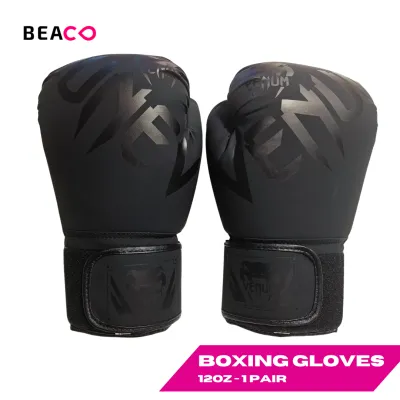
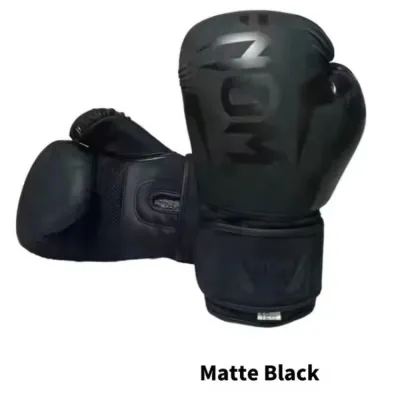
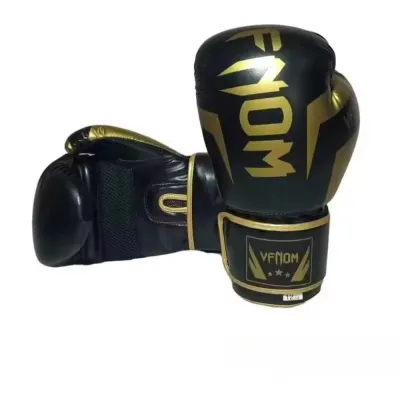

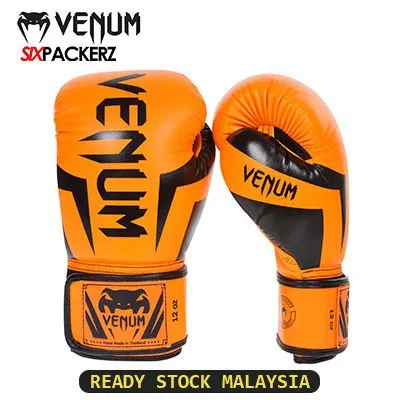
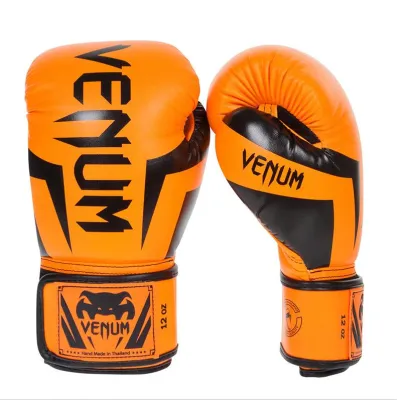
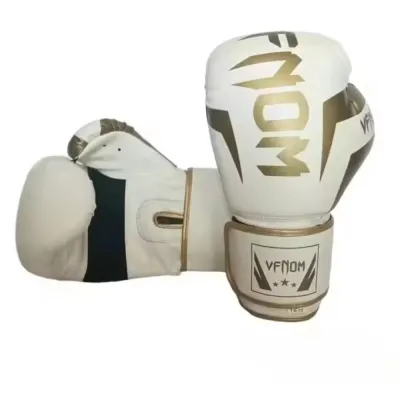
Prices are valid at publication and may change. Please refer to the product page for the latest price.
There are clear conditions where you should transition away from the 14 oz standard. If your primary focus is high-speed pad work or rapid-fire combinations, sizing down to a 12 oz or 10 oz glove reduces resistance and lets you hone your hand speed. Conversely, if you are engaging in standard, medium-to-high intensity sparring, you must size up to 16 oz gloves to ensure adequate shock absorption for your partner. Relying on a single pair of 14 oz gloves for heavy bag impact and live sparring can compromise the integrity of the padding, making it unsafe for partner contact.
Comparing Padding Types for Protection and Feedback
The internal padding of a 14 oz glove determines how much force is transferred back into your knuckles and wrist upon impact. Multi-layered foam systems, which stack sheets of varying densities, are engineered to disperse high-velocity impact progressively. This construction is highly beneficial for heavy bag training, as the outer layers absorb the initial shock while the inner layers prevent your knuckles from bottoming out against the hard leather.

In contrast, single-piece injection-molded foam offers a pre-shaped, uniform protective barrier. These gloves tend to maintain their shape exceptionally well over time, providing a consistent feel across the entire hand. However, they may offer less tactile feedback than multi-layered alternatives, which some boxers prefer for adjusting their punch alignment. Traditional fills like horsehair, often blended with thin foam layers, offer maximum feedback and a slim profile but lack the protective density required for daily, high-volume bag work.
Padding distribution also dictates how a glove behaves during different training modalities. Thai-style gloves often distribute padding more evenly across the back of the hand to assist in blocking kicks and catching elbows, which can make the knuckle area feel slightly thinner. Western boxing-style gloves concentrate the bulk of the foam directly over the knuckles to maximize forward impact protection.
To evaluate padding quality before or after purchase, perform a manual compression check. Press your thumb firmly into the knuckle area of the glove; a high-quality foam should offer firm resistance and spring back to its original shape immediately. If the foam feels mushy, allows you to easily feel the inner glove wall, or remains indented after pressure is released, the padding will not provide adequate protection against heavy impacts.
Evaluating Fit, Closure, and Wrist Support
A secure fit is the foundation of hand safety, as any internal movement during a punch can lead to wrist sprains or knuckle scrapes. The choice between lace-up and hook-and-loop closures involves a direct trade-off between maximum support and daily convenience. Lace-up gloves provide an unparalleled, customized fit along the entire wrist and forearm, but they require a trainer or training partner to tie and untie them, making them impractical for solo bag workouts.
Hook-and-loop closures offer the independence needed for rapid transitions during group classes or solo training sessions. When evaluating a hook-and-loop system, look for wide, thick straps that wrap completely around the wrist joint. Some modern designs feature dual-strap systems or angled closures that mimic the secure pull of laces, helping to lock the wrist in place and prevent the glove from bending backward upon impact.
The internal hand compartment must accommodate your hand shape when fully wrapped with standard hand wraps. A compartment that is too roomy allows the hand to shift, increasing the risk of joint alignment errors when striking. Conversely, an overly tight compartment can restrict blood circulation, leading to hand cramping and numbness during long training sessions.
When trying on a glove, pay close attention to the alignment of your fist. Your fingers should naturally curl into a tight, comfortable fist without requiring excessive grip strength to overcome the resistance of the glove material. The thumb position is equally critical; it should be fully attached and aligned in a natural, downward position to prevent hyperextension or accidental injury during partner drills.
Assessing Material Durability and Construction
The tropical climate of the Philippines presents a unique challenge for boxing gear, as high humidity and sweat can rapidly degrade materials. Genuine leather, such as cowhide or goatskin, remains the gold standard for durability and natural breathability. Leather conforms to the shape of your hand over time, creating a personalized fit, but it requires regular maintenance and conditioning to prevent the material from drying out and cracking under the intense heat.
High-grade synthetic materials, including microfiber and advanced polyurethane, have become highly competitive alternatives. Microfiber synthetics often match the tensile strength of genuine leather while offering superior resistance to moisture absorption, making them easier to clean in humid environments. Lower-grade polyurethane synthetics, however, tend to peel and crack quickly at high-stress seams when exposed to repeated sweat and friction.
When inspecting a glove’s construction, examine the stitching along the palm, thumb attachment, and wrist strap. Double-stitched seams and reinforced piping are indicators of a glove built to withstand high-velocity impacts without splitting. The inner lining should be smooth, moisture-wicking, and securely attached to prevent it from bunching up or tearing when you slide your wrapped hand in and out.
A functional grip bar—the padded cylinder running across the palm—is essential for maintaining a relaxed hand position between punches. Without a proper grip bar, your hand muscles must work harder to keep the fist closed, leading to early fatigue. To maximize the lifespan of your gloves, always air-dry them in a well-ventilated area away from direct sunlight immediately after training, and use moisture-absorbing inserts to prevent mold and odor buildup.
Decision Framework: Matching Glove Features to Your Training
To select the ideal 14 oz glove, you must align the glove’s structural features with your primary training environment and physical needs. If your routine consists almost entirely of heavy bag work and power punching, prioritize a Western-style glove with dense, multi-layered foam and a rigid wrist support system to absorb maximum shock. If your training involves a mix of Muay Thai, kickboxing, and active partner drills, look for a glove with distributed padding on the back of the hand and a flexible wrist closure that allows for clinching.
For those training in humid, non-air-conditioned gyms, prioritizing synthetic microfiber shells and highly breathable mesh palms will help manage moisture and extend the glove’s lifespan. If you have smaller hands or prefer a snug feel, seek out brands known for compact internal compartments rather than relying on thicker hand wraps to fill excess space.
Before finalizing your purchase, always verify the manufacturer’s sizing chart and check the return policy of the online marketplace or local retailer. Try the gloves on with your standard training wraps to ensure the fit remains comfortable and does not pinch your fingertips. If you experience persistent wrist pain, knuckle bruising, or numbness during training, stop immediately and consult an experienced coach to verify if your technique, hand wrapping method, or glove weight needs adjustment.
Frequently Asked Questions (FAQ)
Can I use 14 oz gloves for sparring?
While 14 oz gloves can be used for light, technical sparring focused on control and speed, they are generally not recommended for standard sparring. Most gyms and coaches in the Philippines require a minimum of 16 oz gloves for sparring to ensure the safety of both participants. Always check your specific gym’s safety guidelines before stepping into the ring with 14 oz gloves.
How long should a good pair of 14 oz gloves last?
A high-quality pair of 14 oz gloves typically lasts between one to two years with moderate training of two to three sessions per week. The lifespan depends heavily on material quality, sweat exposure, and post-workout care. You should replace your gloves immediately if you notice the internal foam shifting, crumbling, or failing to spring back, as compressed padding no longer protects your hands.
Do 14 oz gloves feel heavier than 12 oz during pad work?
Yes, the two-ounce difference is highly noticeable during extended pad work, shadowboxing, or high-volume speed drills. The extra weight increases the workload on your shoulders and forearms, which can lead to faster fatigue but helps build muscular endurance. If you are transitioning between weights, expect a brief adjustment period as your shoulders adapt to the increased resistance.
Community discussion
Share your experience or ask a question. Comments are reviewed before publication.