
Selecting the right gear is the most critical decision you will make when stepping into a boxing gym, whether you are training in a high-energy fitness hub in Manila or a traditional local training space. Among all equipment choices, the weight of your gloves directly impacts your safety, your training partner’s safety, and your overall athletic progression. When exploring your options, you will find that gloves 14oz are highly recommended as a versatile middle ground. However, deciding between 12oz, 14oz, and 16oz options requires understanding how each weight behaves under different training conditions. Matching your glove weight to your body size, your physical conditioning, and your specific training activities is key to protecting your hands and getting the most out of your workouts.
Quick Answer: Matching Glove Weight to Your Training and Body Size
If you want a fast decision, your choice should align with your primary training activity and body weight. Lighter gloves prioritize speed and precision, while heavier gloves prioritize protection and conditioning.
Here is a quick-reference guide to help you match your profile to the correct glove weight:
Products mentioned in this guide
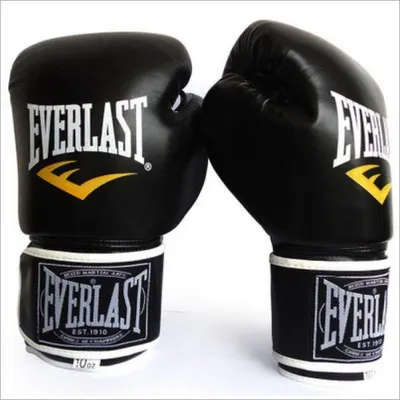
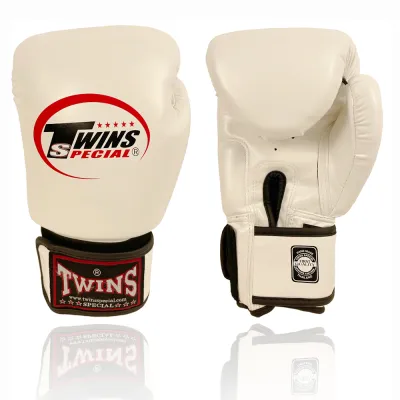
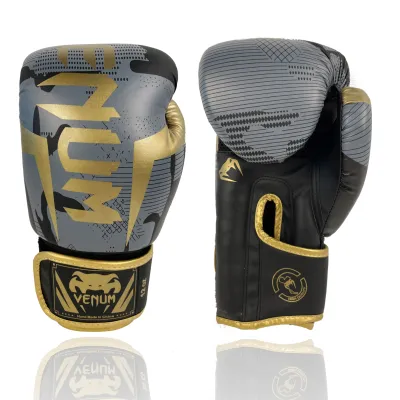
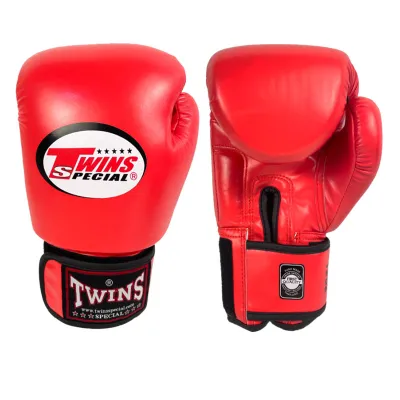
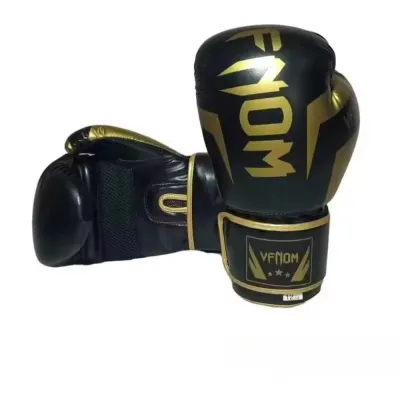
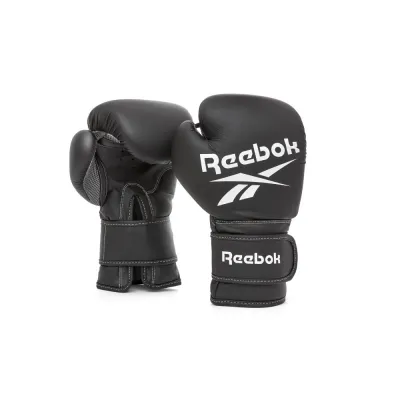
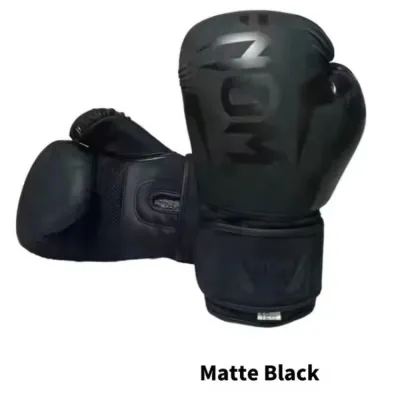

Prices are valid at publication and may change. Please refer to the product page for the latest price.
- 12oz Gloves: Best for focus mitts, speed bags, and light bag work. Recommended for lighter individuals (under 60 kg / 130 lbs) or experienced athletes focusing purely on hand speed.
- 14oz Gloves: The versatile "all-rounder" for heavy bag training, pad work, and general gym drills. Ideal for average-sized adults (60 kg to 80 kg / 130 to 170 lbs) looking for a single pair of gloves.
- 16oz Gloves: The mandatory safety standard for live sparring and heavy bag training for larger athletes (over 80 kg / 170 lbs).
For most average-sized adults starting their boxing journey, 14oz gloves serve as the ideal middle-ground option. They provide a balanced level of padding that protects your knuckles on heavy bags without feeling overly bulky during fast-paced pad drills.
What "Ounces" Actually Mean for Protection and Speed
The term “ounces” (abbreviated as oz) in boxing refers specifically to the weight of the protective padding built into the glove, rather than the physical size of your hand compartment. While a 16oz glove has a larger overall profile than a 12oz glove, the primary difference lies in the density and volume of the internal foam or gel layers surrounding your knuckles.

A higher ounce rating means more padding, which directly translates to superior shock absorption. When your glove impacts a target, the extra foam slows down the deceleration of the punch, distributing the force over a wider surface area and protecting the delicate bones in your hand. However, this added protection comes with a physical trade-off: heavier gloves require more muscular effort to throw and hold up, which can accelerate shoulder fatigue and slightly reduce your hand speed.
Conversely, lighter gloves offer less padding but provide immediate impact feedback. This feedback helps you feel exactly how your knuckles align with the target, allowing you to correct your punching form. However, hitting a solid heavy bag repeatedly with minimal padding increases the risk of joint inflammation and wrist strain. Balancing knuckle protection against your need for speed and feedback is the core challenge when selecting your glove weight.
12oz Gloves: Best for Pad Work and Speed Drills
Lighter 12oz gloves are engineered for speed, precision, and high-tempo training. They excel in scenarios where you are hitting soft, dynamic targets, such as focus mitts, double-end bags, and speed bags. Because they carry less weight at the end of your arms, they allow you to maintain a high volume of punches without your shoulders burning out prematurely.
This weight category is highly suited for lighter individuals, youth athletes, and experienced fighters. Seasoned boxers often use 12oz gloves to simulate the hand speed of professional competition gloves (which are typically 8oz or 10oz) while retaining a modest level of protective padding for everyday training.
However, the lightweight nature of 12oz gloves introduces significant limitations. They do not possess enough padding to safely absorb the high-impact forces generated during hard sparring or heavy bag training. Using 12oz gloves for sparring is highly dangerous, as the thin padding can easily cause cuts, bruises, or concussions for your training partner. Additionally, if you are a heavy hitter, using 12oz gloves on a dense heavy bag can lead to knuckle bruising or wrist hyperextension.
Why Gloves 14oz Are the Versatile Choice for Heavy Bags and All-Around Training
If you are looking for a single pair of gloves that can handle almost any training scenario, gloves 14oz are widely considered the “Goldilocks” option. They strike a perfect balance between the lightweight agility of a 12oz glove and the robust protection of a 16oz glove.
For average-sized adults weighing between 60 kg and 80 kg, 14oz gloves are the ultimate all-in-one solution. They offer sufficient knuckle protection to let you punch a dense heavy bag with full force, yet they are light enough to keep your hands moving quickly during complex pad work and technical partner drills. This versatility is highly practical, especially when quality boxing gear can range from ₱2,500 to over ₱8,000. Investing in one highly versatile pair of 14oz gloves is often more economical than buying separate pairs for bags and pads.
For beginners, 14oz gloves act as an excellent transitional weight. Novice punchers often lack the wrist strength and perfect alignment required to prevent injuries on heavy bags. The extra padding of a 14oz glove provides a forgiving safety margin.
However, it is important to note that while 14oz gloves are highly versatile, they occupy a gray area when it comes to sparring. Many safety-conscious gyms and coaches enforce a strict 16oz minimum rule for any live sparring sessions, regardless of your body weight. If you plan to transition into sparring, your 14oz gloves will likely be restricted to bag and pad work, meaning you may eventually need to invest in a dedicated 16oz pair.
16oz Gloves: The Standard for Sparring and Heavy Hitters
When it comes to live sparring, safety and mutual respect are paramount. For this reason, 16oz gloves are the absolute standard in almost every boxing gym worldwide. The thick, dense padding is designed to protect your training partner from the sharp impact of your punches, reducing the risk of facial cuts, dental injuries, and head trauma.
Beyond sparring, 16oz gloves are the ideal choice for heavy bag work if you are a larger adult weighing over 80 kg, or if you naturally throw punches with high impact force. The substantial padding ensures that your knuckles and wrists remain fully protected, even during long, high-intensity training sessions on hard-packed leather bags.
Training with 16oz gloves also offers massive conditioning benefits. The extra weight acts as a continuous resistance workout for your shoulders, upper back, and core. Over time, holding up 16oz gloves builds exceptional muscular endurance. When you eventually switch to lighter gloves for competition or speed tests, your hands will feel incredibly fast, light, and explosive.
The primary drawback of 16oz gloves is their bulk and weight. For smaller or unconditioned athletes, throwing fast combinations with 16oz gloves can feel sluggish. If your muscles fatigue too quickly, your hands may drop, and your overall punch mechanics can break down, which can lead to poor defensive habits.
Beyond Weight: Fit, Closure, and Hand Shape Considerations
While selecting the correct ounce rating is crucial, other design elements heavily influence how a glove performs on your hand. Hand shape, wrist support, and closure systems can make a 14oz glove from one brand feel completely different from a 14oz glove from another.
The internal hand compartment varies significantly between manufacturers. For example, traditional Mexican-style brands are known for a tight, narrow hand pocket that molds closely to your hand, offering excellent knuckle feedback. Conversely, many Thai-style brands feature a wider hand compartment and a flatter knuckle profile, which is designed to allow your hand to open slightly to catch kicks or clinch. If you have wide hands or prominent knuckles, a brand with a wider compartment will feel much more comfortable, regardless of the glove weight.
The closure system is another vital consideration:
- Velcro (Hook-and-Loop): This is the most popular choice for recreational and fitness boxers. Velcro closures allow you to put on and take off your gloves independently, which is highly convenient during fast-paced gym classes.
- Lace-up: Preferred by professional fighters and serious amateurs, lace-up gloves provide superior, customized wrist support because the laces pull the entire cuff tight against your forearm. However, you cannot tie them yourself, making them impractical if you train alone.
Always try on new gloves while wearing your hand wraps. A standard 4.5-meter wrap adds significant volume to your hand. If a glove feels snug bare-handed, it will likely be painfully tight and restrict blood circulation once your hands are fully wrapped.
Additionally, training in hot, humid tropical climates means your gloves will absorb a massive amount of sweat. Moisture can quickly ruin the internal foam and leather, leading to bacterial growth and foul odors. Look for gloves with ventilated mesh palms, and always dry them thoroughly in a shaded, well-ventilated area after training. Never leave them damp inside your gym bag.
Final Decision Framework: Which Weight Should You Buy?
To make your final decision, evaluate your body weight, your primary training goals, and your gym’s safety rules. Use this structured framework to guide your purchase:
- Choose 12oz if: You weigh under 60 kg (130 lbs), focus almost entirely on focus mitts, speed bags, and light technical drills, or want a secondary glove to sharpen your hand speed.
- Choose 14oz if: You weigh between 60 kg and 80 kg (130 to 170 lbs), want a single, highly versatile glove for heavy bags and pad work, or are a beginner seeking a safe, balanced starting point.
- Choose 16oz if: You weigh over 80 kg (170 lbs), plan to engage in regular sparring, or want to maximize your shoulder endurance and hand protection during heavy bag sessions.
- Verify first if: Your local gym has mandatory weight requirements for sparring (most require 16oz regardless of your size), or if you have pre-existing hand or wrist conditions that require professional fitting advice. Remember that high-quality gear is an investment in your safety, but it can never replace proper punching technique, physical conditioning, and professional coaching.
Frequently Asked Questions (FAQ)
Can I use 14oz gloves for sparring?
While 14oz gloves may be acceptable for light, technical sparring among smaller fighters, most gyms and coaches strictly mandate 16oz gloves for standard sparring to ensure the safety of both partners. Always check your local gym’s specific safety rules before buying gloves for sparring.
Do heavier gloves make you punch harder?
No, heavier gloves do not increase your punching power. The extra padding in a heavier glove is designed to absorb and disperse impact force, making the blow softer for the target. True punching power comes from proper technique, hip rotation, and kinetic transfer, though training with heavier gloves will improve your shoulder endurance.
How tight should my boxing gloves feel?
Your boxing gloves should feel snug and secure around your hand and wrist without cutting off your circulation. Your fingertips should rest near the top of the glove without being painfully bent. Keep in mind that high-quality gloves will stretch and break in slightly over time, molding to the shape of your hand when worn with wraps.
Community discussion
Share your experience or ask a question. Comments are reviewed before publication.