
Choosing the right drivetrain configuration is one of the most critical decisions you will make when building a new mountain bike or upgrading your current ride. The debate between 1x (pronounced “one-by”) and 2x (“two-by”) groupsets centers on finding the perfect balance between mechanical simplicity, gear range, weight, and trail reliability. While the cycling industry has heavily shifted toward 1x setups as the modern standard, 2x systems still hold a dedicated place for specific riding styles and terrains.
For most modern trail, enduro, and recreational riders, a 1x drivetrain is the superior choice because it eliminates the front derailleur, simplifies shifting, and dramatically improves chain retention on rough terrain. However, if your riding consists of long-distance touring, gravel grinding, or cross-country routes with prolonged, steady climbs where maintaining a precise pedaling cadence is vital, a 2x system offers distinct advantages. The right choice depends on your typical riding terrain, your physical fitness, and your willingness to perform drivetrain maintenance.
The Core Differences Between 1x and 2x Drivetrains
To understand which setup is right for you, it is essential to look at the mechanical layout of both systems. A 1x drivetrain features a single chainring mounted to the crankset, paired with a wide-range cassette at the rear, which typically features 10, 11, or 12 speeds. By removing the front derailleur, front shifter, and the corresponding cables, the entire shifting process is consolidated to a single shifter on the right side of your handlebars. This design streamlines the cockpit and allows you to focus entirely on selecting the right gear for the trail ahead without worrying about front-to-rear gear synchronization.
Products mentioned in this guide
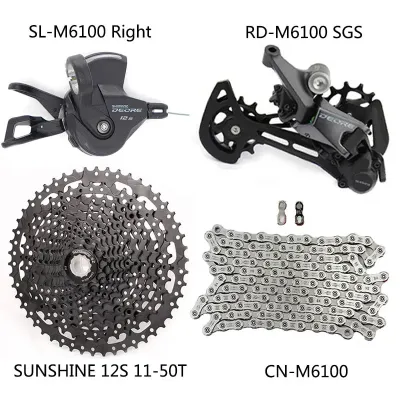
48 Lazada user ratings
🔨Durability:okay na okay 🔌Compatibility:💯% 🛠️Ease of Installation:okay thank you so much seller for the sacrifice it woth it 非常感谢卖家的周到安排和付出。親…Read full reviewShow less
🔨Durability:okay na okay 🔌Compatibility:💯% 🛠️Ease of Installation:okay thank you so much seller for the sacrifice it woth it 非常感谢卖家的周到安排和付出。親切な対応、犠牲、そしてご配慮に、販売者様本当にありがとうございました。
product is legit, worth every penny, the the courier partner was worst, from the superior to the reliever rider, luckily there are still goo…Read full reviewShow less
product is legit, worth every penny, the the courier partner was worst, from the superior to the reliever rider, luckily there are still good ones that handled my parcel...
🔨Durability:Good 10/10 🔌Compatibility:10/10 🛠️Ease of Installation:Easy 10/10 Thank You Lazada Fast Deliver God Blesss.....
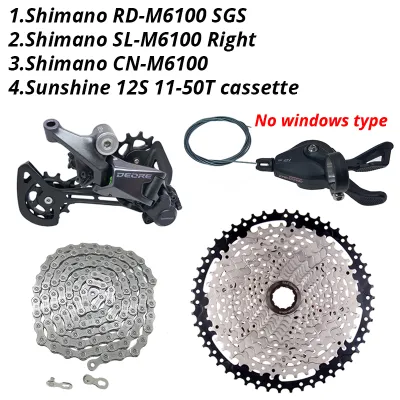
955 Lazada user ratings
It does what it's supposed to do and so far the quality seems pretty good. I haven't had any issues using it, and it's made with good qualit…Read full reviewShow less
It does what it's supposed to do and so far the quality seems pretty good. I haven't had any issues using it, and it's made with good quality materials.
Highly recommend it, great quality, and I'm super happy because it's exactly what I expected. I'd buy it again! Cheers! 👊🏻
🔨Durability:100000 🔌Compatibility:100000 🛠️Ease of Installation:100000 maganda sya completo din dumating sakin salamt
Oh, this product is absolutely amazing and exactly what I needed! The quality is top-notch, and it works perfectly.
Great communication and a great deal also thank you so much look forward to doing more business with you. A+
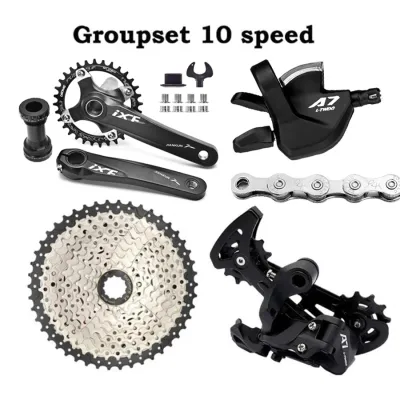
556 Lazada user ratings
Lightweight and compact design, Effortless gear changes, Excellent performance on various terrains, Sturdy and reliable derailleur, Reliable…Read full reviewShow less
Lightweight and compact design, Effortless gear changes, Excellent performance on various terrains, Sturdy and reliable derailleur, Reliable and consistent performance, Easy to adjust and maintain,
Akala ko deore Yung brand, Kasi sa description sa image, deore pero pag bukas ko LTWOO a7 Pala, scam Yung nasa picture, ayusin nyo nmn Yung …Read full reviewShow less
Akala ko deore Yung brand, Kasi sa description sa image, deore pero pag bukas ko LTWOO a7 Pala, scam Yung nasa picture, ayusin nyo nmn Yung nasa pics, paasa Yung image.
Enhanced durability for long-lasting use, Ang bilis nya dumating!, kompletong kompleto at legit pa!,suggest ko na dito kayo bumili!
okay na okay goods na goods 11t-36t yung cogs tas yung shifter ayos na ayos
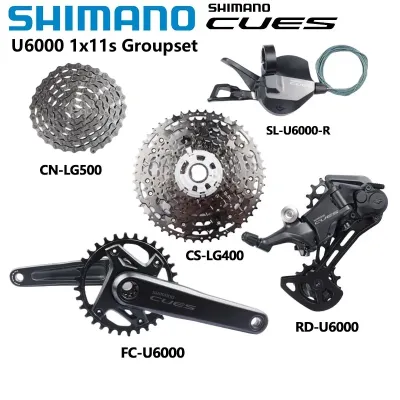
2 Lazada user ratings
🛠️Ease of Installation:Great that all parts came greased. First time DIY here. Plug and play. Replaced deore groupset. Took a spin and felt p…Read full reviewShow less
🛠️Ease of Installation:Great that all parts came greased. First time DIY here. Plug and play. Replaced deore groupset. Took a spin and felt pretty good. Very happy with this bundle. Thank you seller.
🔨Durability:Super Durable 🔌Compatibility:Comtaible to all 🛠️Ease of Installation:easy to install All parts is Original. Very Responsive selle…Read full reviewShow less
🔨Durability:Super Durable 🔌Compatibility:Comtaible to all 🛠️Ease of Installation:easy to install All parts is Original. Very Responsive seller THANK YOU MY FRIEND
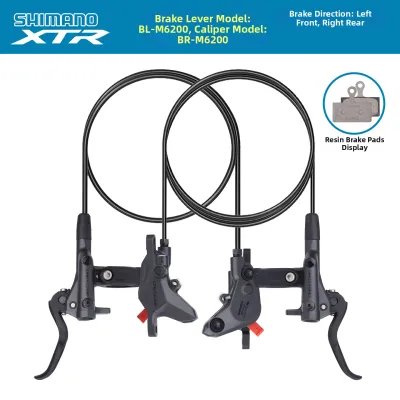
7 Lazada user ratings
Legit shimano product.. Made in Indonesia.. May baliko yung cage niya pero ayos lng kasi naayos naman namin agad.. Malayong mas mura dito co…Read full reviewShow less
Legit shimano product.. Made in Indonesia.. May baliko yung cage niya pero ayos lng kasi naayos naman namin agad.. Malayong mas mura dito compare sa ibang online shopping platforms na grabe magpatong ng presyo.. Thanks Qidian Bikes at Lazada, sana magsale ulit kayo..
Smooth shifting and responsive performance. Feels solid, reliable, and easy to use. Great value!
solid maganda 🛠️Durability:10/10 💰Price:10/10 🎧Comfort:10/10
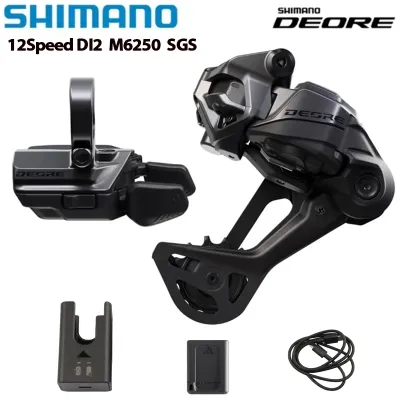
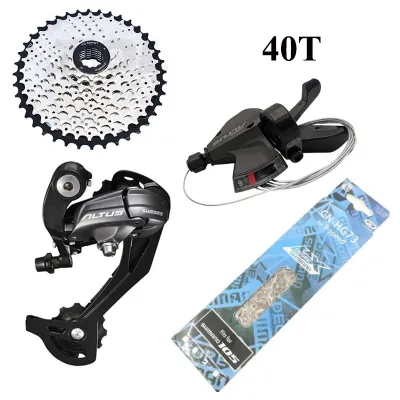
22 Lazada user ratings
yung shifter dipo cxa 9 speed.8 lang cxa.pero sa price nya mura talaga.kailangan mo pa itono ng maayos ang rd.binaliko ko pa.dika lugi sa pr…Read full reviewShow less
yung shifter dipo cxa 9 speed.8 lang cxa.pero sa price nya mura talaga.kailangan mo pa itono ng maayos ang rd.binaliko ko pa.dika lugi sa price kaso sa item lang.pwede na sa low price.pero magagawan mo naman ng paraan.slaamat parin sa seller
Ang paketeng ito ay masyadong mahigpit at madaling ibinigay ng nagbebenta. ito ay natanggap bago at ang kwalidad ng produkto ay mabuti. ito …Read full reviewShow less
Ang paketeng ito ay masyadong mahigpit at madaling ibinigay ng nagbebenta. ito ay natanggap bago at ang kwalidad ng produkto ay mabuti. ito ay nagkakahalaga ng pagbili at bibili muli.
Smooth shifting experience., Easy installation process., Efficient gear shifting., Durable alloy material., Versatile 9-speed options., Impr…Read full reviewShow less
Smooth shifting experience., Easy installation process., Efficient gear shifting., Durable alloy material., Versatile 9-speed options., Improved bike performance.,
Ideal for folding bikes, 9-speed performance, Complete bike parts set, Nickel-chrome finish, Lightweight aluminum alloy,
🔨Durability:good 🔌Compatibility:good 🛠️Ease of Installation:nice
Prices are valid at publication and may change. Please refer to the product page for the latest price.
A 2x drivetrain, on the other hand, utilizes two chainrings of different sizes on the crankset, paired with a narrower-range rear cassette. This setup requires a front derailleur to physically push the chain between the smaller inner ring and the larger outer ring, controlled by a shifter on the left side of your handlebars. While this configuration is mechanically more complex, it provides a vast array of gear combinations with much smaller jumps between each gear. This allows riders to make micro-adjustments to their pedaling resistance, keeping their legs spinning at a highly efficient rate regardless of minor changes in trail gradient or wind resistance.
Gear Range and Climbing Capability
One of the most common misconceptions is that a 1x drivetrain has a significantly smaller gear range than a 2x system. In reality, modern 1x cassettes offer an incredibly wide gear range, often reaching 510% or 520% (such as a 10-51T or 10-52T cassette). This is achieved by using massive cogs at the rear of the bike, which provide an ultra-low gear ratio that allows you to crawl up incredibly steep, loose climbs. The trade-off, however, is not the overall range, but the size of the steps between each gear. Because a 1x cassette must cover a massive range with only 11 or 12 gears, the jump in pedaling effort from one cog to the next is quite pronounced.

In contrast, a 2x system achieves its wide gear range by combining two front chainrings with a tighter rear cassette, such as an 11-36T or 11-42T. This setup provides a high degree of gear overlap, meaning several gear combinations produce similar ratios. The benefit of this overlap is that the steps between consecutive gears are much smaller. When you are tackling a long, grueling climb under a hot tropical sun, being able to shift up or down by a tiny increment allows you to maintain your ideal cadence. On a 1x system, you might find that one gear is slightly too hard, while the next gear up is slightly too easy, forcing you to adapt your pedaling speed rather than your gear.
Before purchasing a new groupset, you must carefully check your bike’s compatibility with modern wide-range cassettes. Upgrading to a 12-speed 1x system often requires a specific freehub body standard on your rear wheel, such as Shimano’s Micro Spline or SRAM’s XD driver. If your current wheelset uses a traditional Shimano/SRAM HG freehub, you may need to replace the freehub body or the entire rear hub, which can add to the overall cost of the upgrade. Furthermore, you must ensure that your rear derailleur has the correct cage length and capacity to handle the massive tooth differences of a wide-range cassette without binding or losing chain tension.
Weight, Mechanical Simplicity, and Maintenance
When it comes to weight savings, the 1x drivetrain is the clear winner. By removing the front derailleur, front shifter, inner shift cable, outer housing, and one of the chainrings, you can easily shed between 300 and 600 grams from your bike. While it is true that a wide-range 12-speed cassette is heavier than a tighter 2x cassette, the overall net weight of the bicycle is almost always reduced. This weight reduction is particularly noticeable when you need to lift the front wheel over wet roots, hop over rocks, or carry your bike across unrideable trail sections.
Mechanical simplicity is another major selling point for 1x systems. With fewer moving parts, there are fewer components that can fail, bend, or go out of adjustment during a ride. Front derailleurs are notorious for collecting mud, clay, and trail debris, which can jam the mechanism and prevent clean shifting. This is a common issue in humid, tropical environments where sudden downpours can turn dry trails into thick, sticky mud. A 1x system eliminates this failure point entirely, resulting in a cleaner frame design and making it much easier to wash your bike after a messy ride.
However, the simplicity of a 1x system does not mean it is maintenance-free. Because the chain must operate at more extreme angles to reach the largest and smallest cogs on a wide-range cassette, the drivetrain is subject to increased lateral wear. This cross-chaining can accelerate chain and chainring wear, meaning you must monitor your chain’s stretch regularly using a dedicated chain checker tool. Replacing a worn chain early is crucial to prevent it from wearing down the expensive cassette and chainring prematurely. Additionally, modern 1x rear derailleurs rely on a built-in clutch mechanism to prevent chain bounce; this clutch requires periodic cleaning, tension adjustment, and lubrication according to the manufacturer’s instructions to maintain crisp shifting.
Chain Retention and Rough Trail Performance
On rough, high-speed descents, keeping the chain securely on the chainrings is vital for both safety and performance. A dropped chain can cause your pedals to spin freely when you attempt to accelerate, leading to a loss of balance or a crash. 1x systems excel in this area due to two key technologies: narrow-wide chainrings and clutch-equipped rear derailleurs. A narrow-wide chainring features alternating tooth profiles that match the exact width of the inner and outer links of the bicycle chain. This snug fit, combined with the constant tension provided by a clutch rear derailleur, makes it virtually impossible for the chain to bounce off the chainring, even on the roughest rock gardens.
In comparison, a 2x system is much more susceptible to chain drops on rough trails. Because the front derailleur must be able to push the chain from one ring to another, the chainrings themselves must feature shifting ramps, pins, and shorter teeth to facilitate this movement. These design features mean the chain is not held as securely. When you ride over fast, bumpy terrain, the chain can easily bounce off the chainring, especially if you attempt to shift gears at the same time. While a clutch rear derailleur can help mitigate this on a 2x system, the inherent design of shifting chainrings makes them less secure than a dedicated 1x narrow-wide ring.
If you are planning to convert an older frame to a 1x setup, you must verify the chainline and chainstay clearance. The chainline refers to how straight the chain runs from the front chainring to the middle of the rear cassette. An incorrect chainline can cause noisy operation, poor shifting, and accelerated wear on the chain and cassette. Additionally, some older frames designed specifically for 2x front derailleurs have flared chainstays that may limit the maximum size of a single front chainring. You must measure the clearance between the chainring teeth and the frame to ensure there is no risk of the chainring rubbing against the chainstay under hard pedaling loads.
1x vs 2x MTB Groupsets at a Glance
To help you quickly compare the two configurations, the table below outlines the core differences across key performance metrics.
| Feature | 1x Drivetrain | 2x Drivetrain |
|---|---|---|
| Weight | Lighter (no front shifter, derailleur, or cable) | Heavier (includes front shifter, derailleur, and extra ring) |
| Gear Range | Wide range with larger steps between gears | Wide range with tighter, more gradual steps |
| Mechanical Complexity | Low (single shifter, simple routing) | High (two shifters, front derailleur adjustment) |
| Chain Retention | Excellent (narrow-wide teeth and clutch derailleur) | Moderate (prone to chain drops on rough descents) |
| Maintenance | Simple but requires frequent chain wear checks | More complex adjustments; less extreme chain angles |
| Ideal Riding Style | Trail, Enduro, Technical XC, Muddy conditions | Long-distance touring, Gravel, Smooth XC climbs |
Please note that exact weights, prices in ₱, and specific performance metrics depend heavily on the groupset tier, brand, and frame compatibility.
How to Choose the Right Setup for Your Riding Style
To make the final decision, you should carefully analyze your typical riding habits, the terrain in your local area, and your mechanical comfort level.
Choose a 1x drivetrain if:
- Your primary focus is trail riding, enduro, or technical cross-country where quick, intuitive shifting is essential.
- You ride in muddy, wet, or dusty conditions where front derailleurs are prone to clogging and failing.
- You want to simplify your cockpit to make room for a dropper seatpost remote on the left side of your handlebars.
- You prioritize a quiet ride with minimal chain slap and excellent chain retention on rough, bumpy descents.
Choose a 2x drivetrain if:
- You use your mountain bike for long-distance touring, bikepacking, or gravel riding where maintaining a precise, efficient pedaling cadence is critical.
- You frequently ride on paved roads or smooth fire roads to get to the trails and need tighter gear steps to maintain high speeds.
- You live in an area with incredibly long, sustained climbs where a wide range of closely spaced gears helps you conserve energy over several hours.
- You prefer the traditional feel of having a dedicated "climbing range" (the small ring) and "speed range" (the large ring) that you can switch between instantly.
Verify first if you are upgrading an existing bike. You must check your frame’s rear hub spacing, as modern 12-speed 1x cassettes often require Boost spacing (148mm) or specific freehub bodies to fit correctly. Additionally, consider your budget in ₱. While a 1x conversion can breathe new life into an older bike, purchasing a high-quality wide-range cassette, a compatible clutch derailleur, a narrow-wide chainring, and a new shifter can be a significant investment. If your current 2x system is working well and fits your local terrain, replacing worn individual parts may be a more cost-effective option than a complete drivetrain overhaul.
Frequently Asked Questions (FAQ)
Can I convert my 2x MTB to a 1x drivetrain?
Yes, converting a 2x mountain bike to a 1x drivetrain is a very common upgrade. To do this, you will need to remove the front derailleur, the front shifter, and the inner chainring. You must replace the remaining outer chainring with a dedicated narrow-wide chainring that matches your crankset’s Bolt Circle Diameter (BCD) or direct-mount standard. Finally, you must verify that your rear derailleur has a clutch mechanism and sufficient capacity to handle the larger cassette you plan to install, and check if your rear hub can accept the new cassette.
Is a 1x drivetrain slower on flat roads?
A 1x drivetrain can feel slower or less efficient on flat, paved roads because it is optimized for off-road trail riding. Because 1x systems typically use a smaller front chainring (such as 30T or 32T) to ensure you have easy climbing gears, you may run out of gears (spin out) at high speeds on flat pavement or descents. Additionally, the larger jumps between gears on a wide-range cassette can make it harder to find a comfortable pedaling cadence on flat roads, whereas a 2x system allows for finer adjustments to maintain speed.

Community discussion
Share your experience or ask a question. Comments are reviewed before publication.