
When selecting a new motor for a small boat, choosing an outboard engine 2 stroke model or a 4-stroke alternative is one of the most critical decisions you will make. This choice directly impacts your vessel’s performance, ongoing operational costs, and safety on the water. In the Philippines, where coastal communities rely heavily on small watercraft for fishing, transport, and tourism, selecting the right engine requires balancing physical limits, local infrastructure, and tropical environmental conditions.
Operating any motorized watercraft carries inherent risks, particularly when navigating open coastal waters or dealing with unpredictable tropical weather. No piece of marine equipment can replace proper seamanship, formal safety training, or sound maritime judgment. Before launching, always check local weather advisories from PAGASA, ensure every passenger is wearing an approved personal flotation device (PFD), verify that your safety kill switch lanyard is functional and attached to your wrist, and carry manual oars or paddles as a backup. If you encounter sudden high winds, heavy swells, or notice any unusual engine vibrations or fluid leaks, the immediate stop condition is to head to the nearest safe, sheltered shoreline.
Quick Answer: Which Outboard Engine Should You Choose?
Neither engine type is universally superior; the ideal choice depends on your specific vessel, your primary activities, and where you operate in the Philippines. Choosing between them requires weighing the trade-offs of weight, maintenance complexity, fuel availability, and local regulations.
Products mentioned in this guide
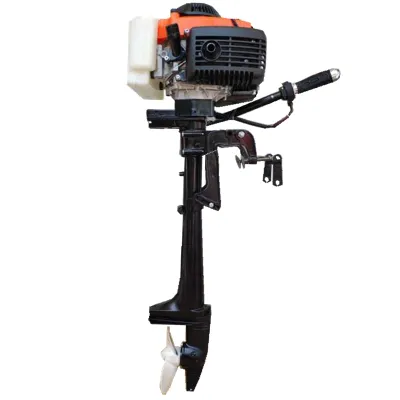
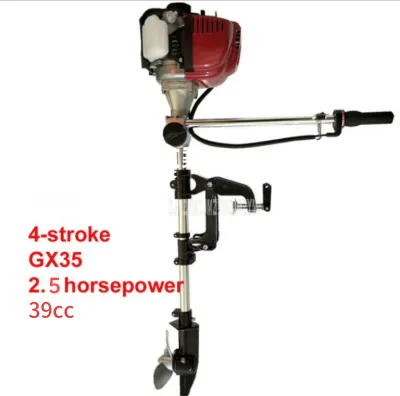
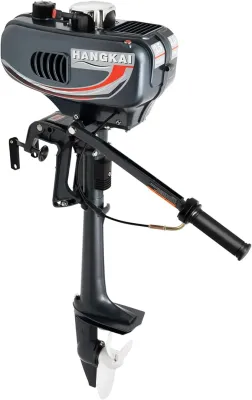
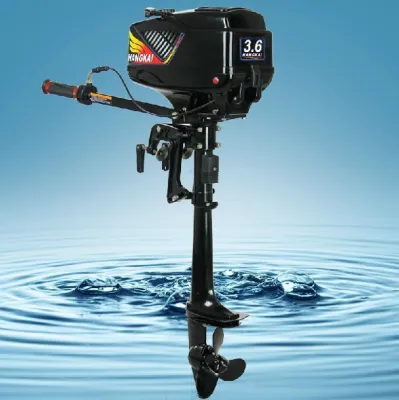
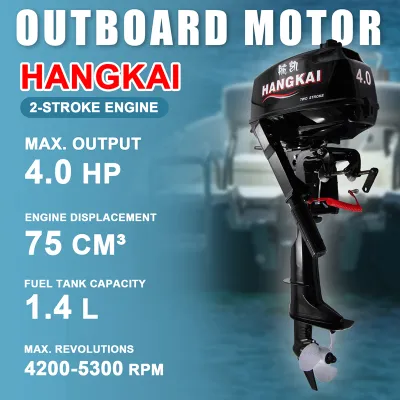
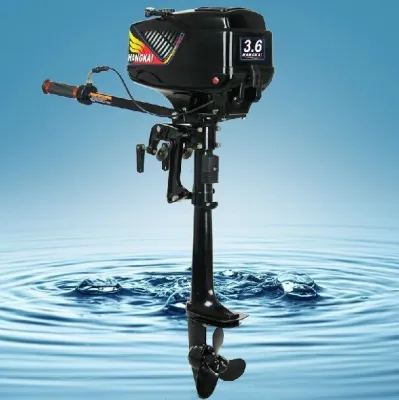
Prices are valid at publication and may change. Please refer to the product page for the latest price.
You should choose an outboard engine 2 stroke model if you prioritize a lightweight, highly portable motor that can be easily mounted and demounted by hand. This is particularly relevant for traditional wooden bancas, small fiberglass tenders, or inflatable dinghies where transom weight capacity is limited. A 2-stroke is also the ideal choice if you operate in remote provincial areas or isolated islands where specialized marine mechanics are unavailable, as these engines feature simple mechanical designs that can be repaired using basic hand tools and widely available generic parts.
Conversely, you should choose a 4-stroke engine if your priority is long-term fuel efficiency, quiet operation, and a smoother ride. This engine type is highly suited for daily commercial use, such as passenger transport, island-hopping tours, or long-distance fishing, where the initial high purchase price is quickly offset by substantial fuel savings. Additionally, a 4-stroke is the correct choice if you have consistent access to authorized service centers in larger urban hubs or developed marinas for regular professional maintenance.
Before making any purchase, you must verify the local environmental regulations of your primary boating venues. Some protected marine sanctuaries, inland lakes, or tourist zones in the Philippines have strict local ordinances that restrict or completely ban 2-stroke outboards due to their exhaust emissions. Always consult with your local municipal fisheries office or the Department of Environment and Natural Resources (DENR) before finalizing your decision.
Understanding the Core Differences in Outboard Engine 2 Stroke and 4-Stroke Design
The fundamental difference between these two engine types lies in how they complete their combustion cycles, which directly dictates their weight, mechanical complexity, and power delivery characteristics on the water.

A 2-stroke engine completes its power cycle in just two movements of the piston: an upward stroke (compression and intake) and a downward stroke (combustion and exhaust). Because the engine does not have a dedicated lubrication system, you must mix marine-grade 2-stroke oil directly with the gasoline. This mixture lubricates the crankshaft, connecting rod, and cylinder walls before being burned in the combustion chamber and expelled through the exhaust port. This simple cycle results in a highly responsive, punchy power delivery, giving the boat immediate acceleration or “hole shot” to get on plane quickly.
A 4-stroke engine operates similarly to a modern car engine, completing its power cycle in four distinct piston strokes: intake, compression, power, and exhaust. It features a dedicated oil sump and an intricate system of valves, camshafts, and timing belts to manage fuel intake and exhaust gases separately. Because oil and fuel never mix, the combustion process is much cleaner and more controlled. This design delivers a highly smooth, linear power curve, resulting in steady acceleration and minimal vibration across the entire RPM range, though it lacks the aggressive, instant throttle snap of a 2-stroke.
These mechanical differences directly affect the user experience. The 2-stroke’s simplicity means fewer moving parts to break, but it results in a louder, smokier exhaust. The 4-stroke’s complexity provides a refined, quiet, and clean-burning ride, but it introduces more internal components that require precise synchronization and careful maintenance.
Weight, Size, and Portability for Small Boats
For small watercraft, physical weight and dimensions are critical safety and handling considerations. Adding too much weight to the stern of a small boat can compromise its stability, reduce its load capacity, and increase the risk of taking on water in rough coastal chop.
The primary advantage of an outboard engine 2 stroke unit is its highly favorable power-to-weight ratio. Because they lack heavy internal valvetrains, camshafts, and oil reservoirs, 2-stroke engines are significantly lighter and more compact than 4-stroke models of equivalent horsepower. For example, a typical 15-horsepower 2-stroke outboard may weigh around 36 kilograms, making it manageable for one or two people to lift, carry across a sandy beach, and mount onto a transom. This high portability is a massive benefit for boaters who must remove their engines daily to prevent theft or protect them from incoming storms.
In contrast, a 4-stroke engine of the same horsepower can weigh 20% to 30% more, often exceeding 45 to 50 kilograms. This extra weight is concentrated high up on the engine head, which can alter the boat’s center of gravity. On a narrow, traditional wooden banca or a lightweight aluminum utility boat, this additional stern weight can cause the bow to ride excessively high, making the boat difficult to steer, slower to plane, and highly vulnerable to swamping from stern waves when slowing down.
Before purchasing any engine, you must verify your boat’s maximum transom weight capacity and maximum horsepower rating, which are typically listed on the manufacturer’s capacity plate. Never exceed these limits under any circumstances. If your boat does not have a capacity plate, consult a qualified marine surveyor or boat builder to evaluate the structural integrity of your transom. Additionally, consider your physical carrying method; if you must manually transport the engine from a storage shed to the shoreline every day, the lighter weight of a 2-stroke may be a necessity rather than a preference.
Fuel Efficiency and Running Costs
Operating costs are a major factor for boaters in the Philippines, where fuel prices can fluctuate significantly and represent the largest ongoing expense of boat ownership.
Four-stroke outboard engines are highly celebrated for their superior fuel efficiency. Because the intake and exhaust cycles are completely separated by mechanical valves, a 4-stroke engine burns pure gasoline with almost no unburnt fuel escaping into the exhaust. This precise combustion efficiency is especially noticeable at cruising speeds, where a 4-stroke can consume up to 30% to 40% less fuel than an equivalent 2-stroke engine. For commercial operators, fishers, or tourism guides who spend several hours on the water daily, these fuel savings accumulate rapidly, making the 4-stroke highly economical over its operational lifespan.
Two-stroke engines, by design, are inherently less fuel-efficient. During the transition between the power and compression strokes, the intake and exhaust ports are open simultaneously for a brief moment. This allows a small portion of the unburnt fuel-and-oil mixture to escape directly out of the exhaust port, resulting in wasted fuel and higher overall consumption. Furthermore, the constant requirement to purchase and mix specialized marine-grade 2-stroke oil at precise ratios (such as 50:1 or 100:1) adds a continuous secondary cost to every liter of fuel consumed.
To determine which engine is more cost-effective for your situation, you should perform a personalized break-even analysis based on your expected usage. If you only use your boat occasionally on weekends for recreational fishing or short family trips, the lower upfront purchase price of a 2-stroke engine will likely make it the more economical choice, as you may not run the engine enough hours to offset the higher initial cost of a 4-stroke through fuel savings. However, if you operate your boat for several hours multiple days a week, calculate your estimated weekly fuel consumption using current local fuel prices (typically ranging from ₱60 to ₱70 per liter depending on your region) to see how quickly the fuel savings of a 4-stroke will pay back the price difference.
Maintenance, Repairs, and Local Parts Availability
The long-term reliability of your engine depends heavily on how easily it can be maintained and repaired within your local area. The geographical reality of the Philippines, with its thousands of islands, means that access to professional service centers and genuine spare parts varies dramatically between urban centers and remote provinces.
The mechanical simplicity of the outboard engine 2 stroke design makes it incredibly resilient and easy to maintain. With fewer moving parts, there are simply fewer components that can fail. Basic maintenance tasks—such as replacing spark plugs, cleaning the carburetor, and changing the lower unit gear oil—are straightforward and can be easily performed by the boat owner with basic mechanical knowledge. In almost every coastal barangay and municipal port across the Philippines, local roadside mechanics are highly familiar with small 2-stroke engines, meaning you can easily find help for emergency repairs without needing to transport your motor to a major city.
Four-stroke engines require a more rigorous and complex maintenance schedule. They demand regular engine oil and oil filter changes, periodic valve clearance adjustments, and timing belt inspections. Because they feature advanced fuel delivery systems—often utilizing electronic fuel injection (EFI) in modern models—diagnosing electronic or fuel system issues often requires specialized diagnostic computers and trained technicians. If you experience a mechanical failure on a 4-stroke engine in a remote island province, finding a local mechanic with the skills and tools to repair it can be exceptionally difficult, potentially leaving your boat out of service for weeks while you arrange transport to an authorized service center.
Parts availability follows a similar pattern. Generic spare parts for popular 2-stroke brands—such as gaskets, carburetors, impellers, and pull-start cords—are widely stocked in local hardware stores and small marine supply shops throughout the provinces. Conversely, 4-stroke spare parts are highly specialized and typically must be sourced directly from authorized dealers located in major urban hubs like Manila, Cebu, or Davao.
Additionally, the fuel quality in remote areas can pose a challenge. Modern gasoline sold in the Philippines is commonly blended with up to 10% ethanol (E10). In highly humid tropical environments, ethanol naturally absorbs moisture from the air, leading to phase separation where water and alcohol settle at the bottom of the fuel tank. This contaminated fuel can easily clog the delicate fuel injectors or tiny carburetor jets of a 4-stroke engine. To prevent this, 4-stroke owners must be highly diligent about using high-quality fuel stabilizers, installing a high-quality water-separating fuel filter in the fuel line, and draining the fuel system completely if the engine is going to sit idle for more than a few weeks.
Noise, Vibration, and Environmental Regulations
The comfort of your passengers and your compliance with local environmental laws are increasingly important factors when choosing an outboard motor for small boats.
The acoustic experience of operating these two engines is vastly different. Four-stroke outboards are remarkably quiet, especially when idling or running at low speeds. They produce a low, muffled hum and operate with minimal physical vibration, creating a highly comfortable and relaxing environment on board. This makes them the preferred choice for leisure cruising, recreational diving, and eco-tourism operations where clear communication and a peaceful atmosphere are valued. Two-stroke engines, on the other hand, produce a characteristic high-pitched, metallic whine and a distinct vibration that can be felt throughout the hull of a small boat, which can lead to operator fatigue during long journeys.
From an environmental standpoint, 2-stroke engines are much dirtier. Because they burn oil along with gasoline, they release a visible blue smoke and emit significantly higher levels of unburnt hydrocarbons and carbon monoxide into the atmosphere and surrounding water. Due to these environmental impacts, several ecologically sensitive areas, marine protected areas (MPAs), and major tourist destinations in the Philippines have enacted local ordinances that restrict or completely ban the use of traditional 2-stroke outboard motors.
Before investing in any engine, it is your responsibility to check with your local barangay council, municipal agricultural office, or the local office of the Department of Environment and Natural Resources (DENR). Verify if there are active or planned restrictions on 2-stroke engines in the specific waterways, lakes, or marine sanctuaries where you plan to operate. Purchasing a 4-stroke engine provides excellent future-proofing against tightening environmental regulations, ensuring you can continue to access protected waters without legal issues.
Final Verdict: Matching the Engine to Your Boating Profile
To make the final decision, you should match the strengths of each engine type to your specific boating profile, vessel type, and geographic location.
The 2-stroke profile is best suited for budget-conscious boaters, artisanal fishers, and remote island residents who operate light wooden bancas or small utility boats. If you require a motor that is highly portable, easy to lift by hand, and simple enough to be repaired by a local mechanic in a remote provincial barangay using widely available parts, a 2-stroke outboard remains an incredibly practical and reliable workhorse.
The 4-stroke profile is ideal for commercial operators, eco-tourism guides, frequent commuters, and leisure boaters who prioritize passenger comfort, quiet operation, and long-term fuel economy. If you operate your boat frequently, have the budget to cover the higher upfront cost, and live within reasonable distance of an urban center with authorized service dealers, the 4-stroke engine offers a cleaner, smoother, and highly efficient solution that will save you money on fuel over time.
Regardless of which engine type you choose, always purchase your outboard motor from an authorized, reputable marine dealer. This ensures that you receive a genuine manufacturer’s warranty, have access to authentic spare parts, and benefit from a professional pre-delivery inspection (PDI) to ensure your new engine is set up safely and correctly for your specific boat.
Frequently Asked Questions (FAQ)
Can I use regular automotive oil in my 2-stroke outboard?
No, you must never use regular automotive engine oil in a 2-stroke outboard motor. Automotive oils are formulated for four-stroke car engines that operate at different temperatures and utilize a closed lubrication system. These oils contain metallic additives and high ash content that, when burned in a 2-stroke combustion chamber, will quickly cause heavy carbon deposits, foul your spark plugs, clog exhaust ports, and potentially lead to catastrophic piston seizure.
Always use a high-quality, marine-specific 2-stroke oil that is explicitly certified as TC-W3 (Two-Cycle Water-Cooled, 3rd generation) on the product label. This certification ensures the oil is designed to burn cleanly at the operating temperatures of water-cooled marine engines, minimizing spark plug fouling, protecting internal components from saltwater corrosion, and reducing environmental toxicity.
Do 4-stroke outboards require a separate battery?
Whether a 4-stroke outboard requires a separate battery depends entirely on the size, horsepower, and starting mechanism of the specific model. Many small, portable 4-stroke outboards (typically under 15 to 20 horsepower) are designed with manual pull-starts and simple carburetors, meaning they do not require an external battery to start or run.
However, larger 4-stroke engines, particularly those equipped with electric starting systems, power trim and tilt, or Electronic Fuel Injection (EFI), require a dedicated 12-volt marine battery to power the starter motor and the engine’s onboard computer unit. When choosing a battery-dependent engine, you must factor the physical weight of a marine-grade starting battery (often weighing 15 to 25 kilograms) into your boat’s total transom load capacity and balance calculations, ensuring you have a secure, dry, and well-ventilated location to mount the battery box.
How do I properly store my outboard engine during the typhoon season?
Properly storing your outboard engine during the typhoon season or any extended period of inactivity is vital to protect it from the highly corrosive, humid tropical environment of the Philippines. Start by thoroughly flushing the cooling system with clean, fresh water using flushing earmuffs or a dedicated flush port to remove all salt, sand, and silt deposits from the internal cooling passages.
Next, disconnect the fuel line and run the engine at idle until it starves of fuel and stops naturally; this drains the carburetor bowl of remaining gasoline, preventing the fuel from degrading and forming a sticky varnish that can clog internal jets. Change the lower unit gear oil to check for any water intrusion (which would appear as milky or discolored oil), and apply a high-quality marine grease to all external grease points, steering linkages, and the propeller shaft. Finally, store the engine in an upright position on a sturdy motor stand in a dry, covered area protected from heavy rains and wind-driven saltwater spray. Always consult your specific owner’s manual for detailed, model-specific long-term storage and fogging procedures.
Community discussion
Share your experience or ask a question. Comments are reviewed before publication.