
Developing a reliable home fitness routine often comes down to finding tools that offer maximum versatility with minimal setup. A stick mobility exercise is one of the most effective ways to bridge the gap between passive flexibility and active strength. By using a simple, rigid or semi-flexible stick as a lever, you can safely push your joints past their typical daily limits, signaling your nervous system to accept and stabilize these new ranges of motion. Unlike static stretching, which merely elongates muscle fibers temporarily, working with a mobility stick engages your muscles at their end-ranges, building true joint control and tissue quality. Whether you are looking to relieve stiffness from long hours at a desk or warm up for an intense workout, mastering these basic movements at home will establish a foundation of functional movement that protects your body from injury.
Preparing Your Space and Equipment
Before you begin your first stick mobility exercise, setting up a safe, unobstructed environment is essential. Stand in the center of your designated exercise area and hold your stick at its full length. Rotate a full 360 degrees and sweep the stick overhead to ensure you have complete clearance. You must be able to move freely without any risk of hitting walls, ceiling fans, low-hanging light fixtures, or furniture. If your space is tight, adjust your positioning or choose a shorter stick to prevent accidental damage or sudden, jarring impacts that could lead to injury.
Selecting the right equipment is equally important for beginners. While advanced practitioners might use highly flexible, heavy-duty commercial sticks, beginners should prioritize control over heavy resistance. A standard mobility stick should be selected based on your height: if you are under 5 feet 6 inches, a 5-foot stick is generally ideal; if you are taller, a 6-foot stick provides the necessary leverage. The diameter of the stick should allow you to wrap your fingers completely around it with a comfortable, secure grip. In the tropical, humid climate of the Philippines, sweat can quickly compromise your hold. Keep a microfiber towel nearby to wipe down both your hands and the stick throughout your session. Maintaining a dry, slip-free grip is a critical safety measure, as any sudden slip under leverage can strain your joints. Remember, the primary goal of these exercises is to improve joint range of motion and overall tissue quality, not to lift heavy loads or build maximal muscular strength.
Products mentioned in this guide
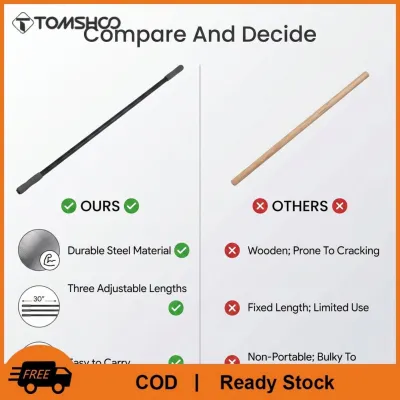
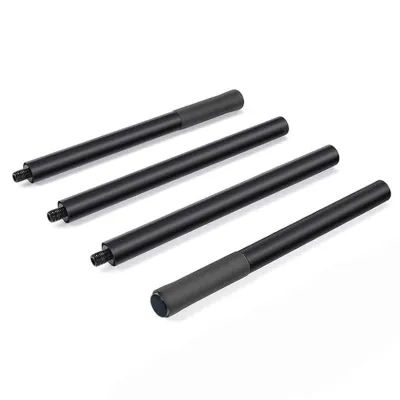
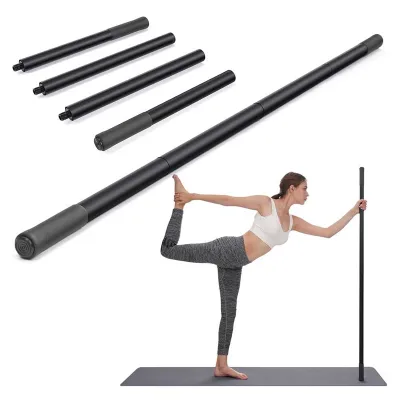
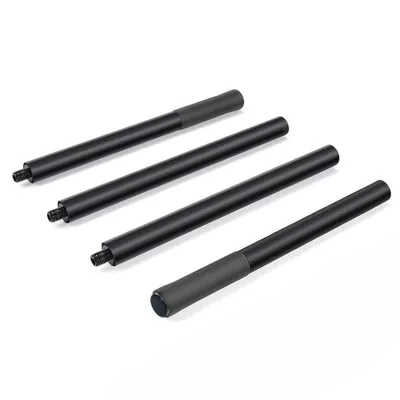
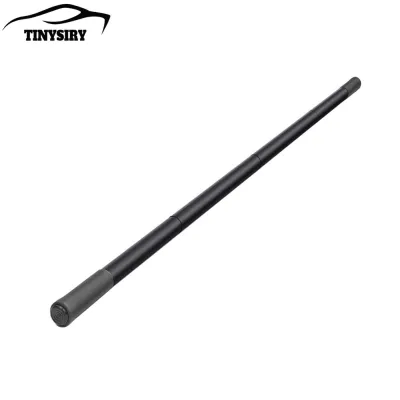

Prices are valid at publication and may change. Please refer to the product page for the latest price.
Mastering the Grip and Base Posture
To perform any stick mobility exercise safely, you must first master the foundational grip and base posture. The standard overhand grip is the starting point for most movements. Place your hands on the stick slightly wider than shoulder-width apart, wrapping your fingers and thumbs completely around the shaft. Avoid a loose or partial grip, as this reduces your control over the lever. As you hold the stick, focus on maintaining wrist neutrality. Your wrists should form a straight, continuous line with your forearms. Letting your wrists sag into excessive flexion or bend backward into hyperextension under leverage places unnecessary shear force on the delicate joints of the wrist and hand.

Your lower body and torso provide the anchor for every movement. To establish a solid base posture, stand with your feet planted firmly on the floor, spaced roughly shoulder-width apart. Keep a soft, slight bend in your knees rather than locking them out, which protects your lower back and joints. Brace your core by drawing your belly button slightly toward your spine, and consciously pull your rib cage down. This engagement prevents your lower back from arching excessively when you reach overhead or rotate. Before initiating any drill, run through a quick three-point self-check:
- Feet: Are they flat, stable, and shoulder-width apart?
- Core: Is my abdomen braced with my ribs pulled down?
- Shoulders: Are they relaxed, packed down, and away from my ears?
Once you can answer yes to all three, you are ready to begin.
Step-by-Step Basic Stick Mobility Exercises
Using a stick allows you to apply controlled leverage to your body, helping you access deeper ranges of motion that are otherwise difficult to reach. The stick acts as both a support structure and a force multiplier, giving your brain a physical reference point to coordinate movement. As you perform these exercises, prioritize a slow, deliberate tempo and steady, deep breathing over the total number of repetitions. Rushing through the movements defeats the purpose of neurological adaptation and increases the risk of muscle strain.
The Halo for Shoulder and Thoracic Mobility
The Halo is an exceptional movement for improving shoulder flexion, extension, and upper back mobility. Begin by holding the stick horizontally in front of your thighs with a wide overhand grip. Slowly lift the stick upward, keeping your arms relatively straight, and begin circling it closely around your head. Guide the stick over your left shoulder, down behind the back of your neck, up over your right shoulder, and back down to the starting position in front of your body. Complete the designated repetitions in one direction before reversing the circle.
To execute this safely, keep your ribs pulled down and your core tightly braced. The movement must come strictly from your shoulder joints and thoracic spine, not from your neck. Avoid the common mistake of craning your neck forward or shifting your head to dodge the stick; if you cannot clear your head comfortably, simply widen your hand placement on the stick. Verify your form by ensuring the stick passes smoothly around you while your spine remains perfectly vertical and your lower back does not arch.
The Bow and Arrow for Chest and Spine Opening
The Bow and Arrow targets thoracic rotation and stretches the pectoral muscles, which frequently become tight from prolonged sitting. Stand tall and place one end of the stick securely on the floor or against a wall slightly in front of you. Grip the upper portion of the stick with your left hand to anchor it. Reach your right hand forward to grip the stick slightly lower down. Keeping your left arm stable, slowly rotate your torso and right shoulder away from the anchor point, pulling your right arm back as if drawing a bowstring.
Focus on keeping your hips square and facing forward throughout the rotation. The twisting motion should occur entirely in your mid-back (thoracic spine) rather than your lower back or hips. Keep your shoulders relaxed and down, away from your ears. As a safety boundary, stop the rotation immediately when you feel a deep, comfortable stretch across your chest and upper back. Never force your spine past its current comfortable limit, as spinal rotation under leverage must be controlled and gradual.
The Stick Good Morning for Hips and Hamstrings
The Stick Good Morning is a highly effective drill for teaching the proper hip hinge pattern while stretching the posterior chain. Place the stick vertically along the back of your body, running directly down your spine. Hold the stick with your right hand behind your neck and your left hand behind your lower back to secure it in place.
Ensure the stick maintains three distinct points of contact:
- Point 1: The back of your head
- Point 2: Your upper back (thoracic spine)
- Point 3: Your tailbone (sacrum)
Initiate the movement by pushing your hips straight back as if trying to touch a wall behind you, keeping a soft bend in your knees. Hinge forward from your hips, keeping your spine perfectly straight, until your torso is roughly parallel to the floor or until tension in your hamstrings prevents you from going further. The most common error is rounding the lower back, which causes the stick to lose contact with your tailbone or head. If you lose any of the three points of contact, halt, stand back up, and reduce your depth on the next repetition.
Common Form Mistakes and Safety Boundaries
Because mobility sticks amplify leverage, minor mistakes in form can quickly lead to joint strain. The most common error beginners make is rushing through the exercises. Mobility training requires a slow, deliberate tempo because your nervous system needs time to register the new range of motion and signal the surrounding muscles to stabilize. Moving too quickly triggers the stretch reflex, causing your muscles to contract and tighten rather than relax and lengthen.
Another critical mistake is forcing your joints into painful positions. You must learn to distinguish between a productive, warm muscular stretch and sharp, pinching joint pain or shooting nerve pain. A safe stretch should feel broad and manageable, whereas sharp or localized pain indicates that a joint is being compressed or overloaded. Always respect your body’s current limits; flexibility cannot be forced overnight.
Establish a strict “stop and reassess” protocol for your practice. You must immediately halt the exercise if:
- Slippage: The stick slips on the floor or in your hands.
- Pain: You feel any sharp, sudden, or pinching joint pain.
- Instability: Your core fails to maintain tension, causing your spine to buckle or sag.
Because minor adjustments in hand placement drastically alter the leverage and load placed on your joints, always err on the side of caution. Start with a wider grip to minimize leverage, and only narrow your hands as your mobility and control improve over several weeks of consistent practice.
Building Your First Home Routine
To get the most out of your stick mobility exercise practice, consistency is far more valuable than intensity. For beginners, a short session of 10 to 15 minutes performed 3 to 4 times a week is highly effective. You can easily integrate these movements into your morning routine to relieve stiffness, or use them as a dynamic warm-up before your regular workouts.
A simple, balanced routine template should target the entire body from the top down. Begin with the Halo to warm up and lubricate the shoulder joints. Transition to the Bow and Arrow to open up the chest and restore rotation to your thoracic spine. Finish with the Stick Good Morning to activate your hips, glutes, and hamstrings. This sequence ensures that your entire kinetic chain is addressed in a logical, progressive order.
| Exercise | Recommended Sets & Reps | Primary Focus Area |
|---|---|---|
| The Halo | 2 sets of 5 circles (each direction) | Shoulder flexion & thoracic mobility |
| The Bow and Arrow | 2 sets of 5 to 8 reps (each side) | Chest opening & spinal rotation |
| The Stick Good Morning | 3 sets of 8 to 10 controlled hinges | Hip hinge pattern & hamstrings |
As you progress, avoid the temptation to add external weights to the stick. Instead, make the exercises more challenging by gradually narrowing your hand placement on the stick, which increases the leverage and demands greater control from your joints. You can also increase the duration of the active hold at the end-range of each movement, building deeper strength and stability over time.
Frequently Asked Questions (FAQ)
Can I use a broomstick or PVC pipe instead of a dedicated mobility stick?
Yes, a sturdy wooden dowel, broomstick, or PVC pipe can serve as a functional substitute for basic, low-tension movements when you are just starting out. However, household items have notable limitations. They lack the specialized grip texture, optimal diameter, and calibrated flexibility of purpose-built mobility sticks. Be exceptionally cautious when using makeshift equipment; ensure the material is strong enough to withstand leverage without bending or splintering, and always maintain a dry grip to prevent dangerous slips.
How often should I perform stick mobility exercises?
Light mobility work that focuses on gentle joint mobilization and relieving daily stiffness can be performed safely every day. However, if you are performing deep, high-tension stretching sessions that heavily challenge your nervous system and end-range strength, treat them like resistance training. Schedule at least one rest day between intense sessions to allow your muscles, tendons, and nervous system to recover and adapt to the new ranges of motion.
Community discussion
Share your experience or ask a question. Comments are reviewed before publication.