
To choose the best Muay Thai shin guards as a beginner in the Philippines, you must prioritize high-density foam padding, a secure dual-strap closure system, full instep coverage, and moisture-wicking linings that can withstand tropical humidity. While premium genuine leather offers long-term durability, high-quality synthetic leather provides an accessible, highly resilient entry point for those starting their martial arts journey. Selecting the right gear requires matching the padding thickness to your sparring intensity and ensuring the physical dimensions align perfectly with your leg measurements.
Investing in dedicated protective gear is the most critical step you can take when transitioning from basic pad work to active partner drills. The right pair of shin guards allows you to develop proper defensive habits, such as checking low kicks, without the immediate deterrent of severe bone bruising or debilitating pain.
Why Shin Protection is Critical for Your First Sparring Sessions
Muay Thai is a high-impact martial arts discipline where the shin bone serves as both your primary shield and your main striking weapon. For beginners, the periosteum—the sensitive, nerve-rich membrane wrapping your shin bones—is not yet conditioned to absorb the force of shin-on-shin contact or collisions with an opponent’s knees and elbows. High-quality shin guards act as a crucial impact-distribution barrier, dispersing the kinetic energy of a strike across a wider surface area to prevent acute bone trauma and deep muscle contusions.
Products mentioned in this guide
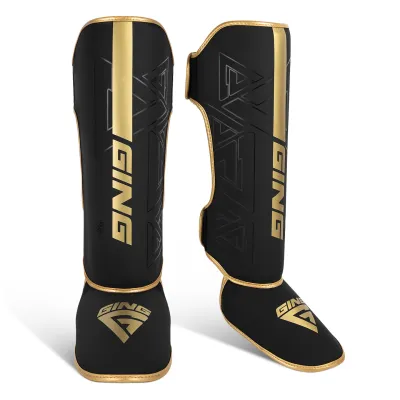
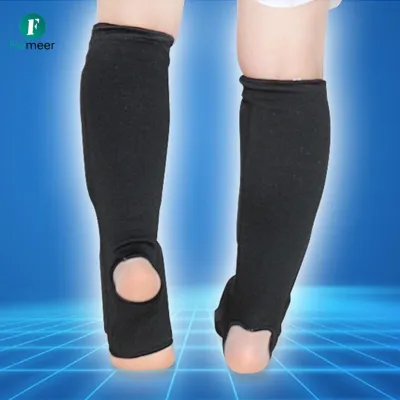
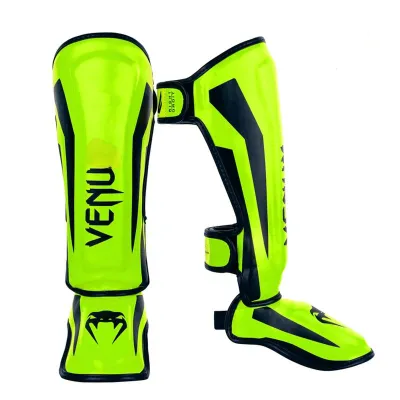
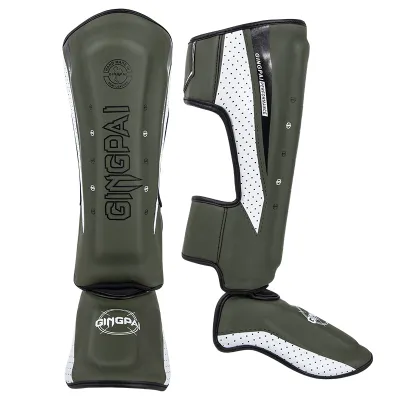
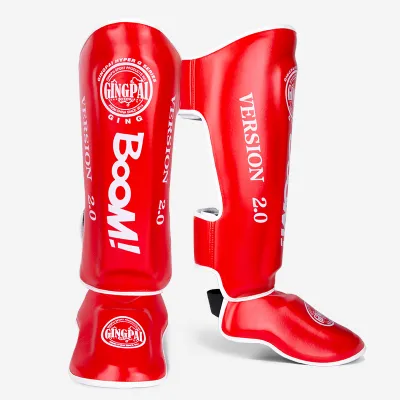
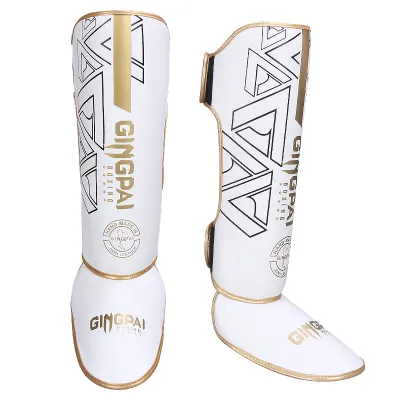
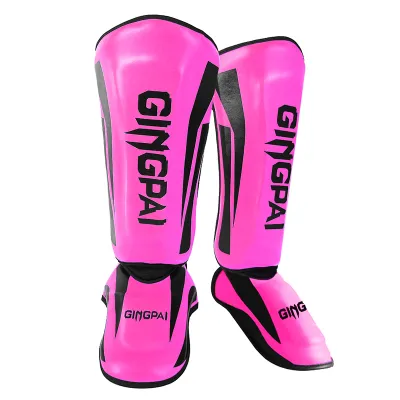
Prices are valid at publication and may change. Please refer to the product page for the latest price.
Beyond physical safety, wearing proper protection offers immense psychological benefits during your early training sessions. When you are not constantly fearing the pain of an unshielded impact, you can focus entirely on learning how to check kicks, maintain your balance, and execute offensive combinations with correct form. This confidence is vital for developing fluid muscle memory and maintaining a relaxed, technical posture during sparring.
However, you must recognize the safety limits of your protective equipment. Shin guards are designed to mitigate impact, but they do not make your legs indestructible, nor do they replace proper kicking mechanics. Beginners must learn to strike with the lower third of the shin bone rather than the fragile ankle or foot. If you experience sharp, localized bone pain, persistent swelling, or joint instability during or after training, you must stop sparring immediately, remove your gear, and consult a medical professional before resuming high-impact drills.
Essential Features to Look for in Beginner Muay Thai Shin Guards
When evaluating different shin guards, the overall coverage area should be your primary consideration. Beginners should opt for full-coverage designs that feature an integrated shin and instep protector. These guards extend from just below the kneecap down to the base of your toes, shielding the vulnerable metatarsal bones in your feet. Minimalist or hybrid designs, which often leave the ankle joint or the sides of the lower leg exposed, are better suited for advanced practitioners who have highly developed accuracy and conditioning.

Padding density and distribution determine how well the guard absorbs heavy impacts. Look for guards constructed with multi-layered foam systems, which typically combine a dense outer layer of ethylene-vinyl acetate (EVA) or high-density polyurethane foam with a softer inner layer. The firm outer layer disperses the initial force of the blow, while the softer inner layer cushions your leg and prevents the guard from digging into your shin bone. Ensure the padding is thickest along the center ridge of the shin and over the ankle joint, where direct impacts are most common.
An effective strap system is essential for keeping the guards securely in place during fast-paced exchanges. Look for wide, heavy-duty hook-and-loop (Velcro) straps that wrap around your calves. These straps must be wide enough to distribute pressure evenly across your leg; narrow straps can pinch your skin, restrict blood flow, and cause painful calf cramps during long training sessions. Additionally, high-quality guards feature durable elastic bands that loop under the sole of your foot and behind your heel, preventing the instep protector from shifting or lifting when you kick.
Finally, consider the weight and physical profile of the guards. While thicker padding offers superior protection, excessively bulky or heavy guards can slow down your kicking speed, alter your natural gait, and cause premature leg fatigue. For beginners, the ideal guard strikes a balance: it should feel substantial enough to absorb a solid kick but contoured enough to hug the natural curve of your leg, allowing you to move, pivot, and check kicks without feeling anchored to the canvas.
How to Measure and Ensure a Secure Fit
Finding the correct size is paramount because an ill-fitting shin guard compromises your safety and hinders your movement. To determine your size, you must take two primary physical measurements using a flexible measuring tape. First, measure your shin length by starting from the center of your kneecap and running the tape straight down to the crease where your foot meets your ankle. Second, measure the circumference of the widest part of your calf muscle.
Once you have these measurements, compare them directly to the manufacturer’s specific sizing chart. Never rely on generic small, medium, or large labels, as sizing standards vary dramatically between brands. Thai-manufactured gear is often designed with a more compact, snug fit tailored to smaller frames, whereas Western brands may feature longer shin sections and wider calf enclosures. If your measurements fall directly between two sizes, beginners should generally opt for the larger size to ensure maximum coverage, provided the straps can be tightened securely.
To evaluate the fit of a shin guard, put the gear on, fasten the straps firmly, and stand up in your boxing stance. Perform a few light shadowboxing movements, including knee raises and basic roundhouse kicks, to check for shifting. The top of the shin guard should sit approximately one to two fingers’ width below your kneecap; if it touches or covers your kneecap, it will pinch your joint when you bend your leg or attempt to clinch. The bottom instep protector should cover your entire foot up to the base of your toes without extending so far that it curls under your foot or trips you up during footwork.
Signs of a poor fit are usually easy to spot during your initial trial. If the guard twists or slides around your calf when you throw a light kick, the calf enclosure is too loose. Conversely, if the straps cause your toes to feel numb or leave deep, painful indentations on your skin after a few minutes, the guard is too tight and is restricting your circulation. Gaps between the padding and your shin bone are also highly dangerous, as they allow the guard to collapse inward upon impact, concentrating the force of a strike onto a single point of your bone.
Evaluating Materials and Construction Quality
The materials used in a shin guard dictate its durability, comfort, and overall value. The outer shell is typically constructed from either genuine cowhide leather or high-grade synthetic leather, such as polyurethane (PU) or microfiber leather. Genuine leather is highly prized for its natural flexibility, tear resistance, and ability to mold to your leg shape over time. However, high-quality microfiber synthetic leather has become an excellent, cost-effective alternative for beginners. Microfiber often matches genuine leather in tensile strength and is highly resistant to moisture absorption, making it exceptionally durable in humid environments.
In the tropical climate of the Philippines, the inner lining of your shin guards is just as important as the outer shell. Training in high temperatures leads to heavy sweating, which can cause your gear to slip and become a breeding ground for bacteria. Look for inner linings made from quick-drying, moisture-wicking fabrics or textured, non-slip synthetic materials. Avoid smooth, non-porous plastic linings; while they are easy to wipe clean, they turn incredibly slick when wet, causing the guards to spin out of alignment mid-sparring.
Inspect the stitching and construction details closely before making a purchase. High-stress areas, such as the connection points where the straps meet the main body of the guard and the seam joining the shin and instep sections, must feature double-stitching or reinforced cross-stitching. Single-stitched seams are prone to unraveling under the repeated tension of tightening the straps and the impact of blocking kicks. Check the edges of the guard to ensure the piping is securely bound and free of loose threads.
Always check the product tags and manufacturer specifications for material composition and care instructions. Reliable manufacturers are transparent about the types of foam and outer materials used in their products. If a product listing or tag lacks clear material details, or if the construction feels flimsy and lightweight, it is highly likely the gear will degrade rapidly under the rigors of regular Muay Thai training.
Where to Buy and How to Verify Authenticity in the Philippines
Acquiring authentic, high-quality Muay Thai gear in the Philippines requires careful selection of your purchasing channels. Counterfeit combat sports equipment is highly prevalent on major online marketplaces, and using sub-standard replica gear puts you at a high risk of injury. To ensure you are buying genuine products, prioritize purchasing from specialized martial arts supply stores, official brand flagship stores on e-commerce platforms, or authorized local distributors.
When shopping on online marketplaces, look for verified seller badges, official mall designations, and high positive feedback ratings. Be highly skeptical of listings offering premium Thai brands at prices that seem too good to be true; authentic, high-quality shin guards generally range from ₱3,000 to ₱6,000 depending on the materials and brand. Check the product images and descriptions for physical indicators of authenticity, such as embossed brand logos, high-quality retail packaging, and official holographic security tags or serial numbers.
Before finalizing your purchase, carefully review the seller’s return and exchange policies. Because achieving a precise fit is critical for safety, you should only buy from retailers who offer clear, hassle-free exchange terms for sizing issues. Avoid sellers who list items as non-returnable or final sale, as you will have no recourse if the guards do not fit your legs properly.
Additionally, leverage your local training community for recommendations. Ask your head coach or senior gym members where they source their equipment. Many reputable Muay Thai gyms in Manila, Cebu, and other major cities stock authentic gear directly in their pro shops or have direct partnerships with trusted local distributors. Buying directly from your gym not only guarantees authenticity but also allows you to try on different sizes and styles before spending your money.
Daily Maintenance and Care to Extend Gear Lifespan
The hot, humid climate of the Philippines makes diligent gear maintenance absolutely essential. Sweat, dirt, and bacteria can quickly degrade the materials of your shin guards, leading to foul odors, skin irritation, and premature structural failure. After every training session, immediately wipe down both the interior and exterior of your guards with a clean, damp microfiber cloth to remove sweat and surface grime. For sanitization, use a mild soap solution or a specialized gear disinfectant spray, avoiding harsh chemicals like bleach or alcohol-based solvents that can dry out and crack the outer shell.
Once wiped clean, you must air-dry your shin guards completely in a cool, well-ventilated indoor area. Never leave your damp gear inside a closed gym bag overnight, as the dark, humid environment accelerates the growth of mold and odor-causing bacteria. When transporting your gear, use a breathable mesh gear bag that allows air to circulate freely around your equipment.
Keep your shin guards away from direct, harsh tropical sunlight and high-heat sources, such as hair dryers or vehicle trunks parked in the sun. Excessive heat and UV radiation degrade the internal foam padding, causing it to become brittle, and dry out both genuine and synthetic leather, leading to peeling and cracking. Instead, dry them near a fan or in an air-conditioned room.
Regularly inspect your gear for signs of wear and tear. Over time, the hook-and-loop straps may lose their grip, or the internal foam may begin to bottom out and lose its impact-absorbing properties. If you notice the padding has become soft, lumpy, or compressed to the point where you can feel the hard floor through the guard, or if the stitching at high-stress points begins to split, the gear’s protective capacity is compromised. At this stage, you must stop using the damaged guards and replace them to ensure your continued safety during sparring.
Frequently Asked Questions (FAQ)
How often should I replace my Muay Thai shin guards?
For a beginner training two to three times a week, a high-quality pair of shin guards typically lasts between one to two years. You should replace your guards immediately if you notice the internal foam padding has become soft, lumpy, or permanently compressed, as this significantly reduces impact absorption. Other critical indicators for replacement include structural failure of the stitching, cracked or peeling outer shells, and Velcro straps that no longer stay securely fastened during movement.
Can I use MMA shin guards for Muay Thai?
MMA shin guards are generally not recommended for dedicated Muay Thai training. MMA guards are typically designed as lightweight, elastic fabric sleeves with thinner, flexible padding to allow for maximum mobility during ground grappling and wrestling. In contrast, Muay Thai shin guards feature much thicker, rigid, multi-layered foam padding designed specifically to withstand heavy, repetitive shin-on-shin impacts and hard kicks. Using MMA guards for Muay Thai sparring leaves you highly vulnerable to severe bone bruises and impact injuries.
Should I wear instep protection as a beginner?
Yes, beginners should always wear shin guards that feature integrated instep protection. During your early stages of training, your kicking accuracy and distance control are still developing, making it highly common to accidentally land kicks with your foot or ankle instead of your shin. The small, delicate bones in your foot are highly susceptible to fractures and severe bruising; integrated instep padding provides the necessary coverage to shield these vulnerable areas during sparring and partner drills.
Community discussion
Share your experience or ask a question. Comments are reviewed before publication.