
Choosing a foam roller for workout recovery in the Philippines requires balancing material durability against your specific fitness routine. With the local climate’s high humidity and temperature, selecting a roller that resists moisture absorption and maintains its structural integrity under daily use is essential. By evaluating key physical characteristics—such as density, core construction, and surface texture—you can find an effective tool that supports muscle recovery without degrading prematurely.
Understanding Foam Roller Types and Materials
Foam rollers are generally manufactured from three primary materials, each offering distinct levels of firmness, durability, and moisture resistance. Understanding these material properties is the first step in narrowing down your choices, especially when considering how the equipment will perform over time in a warm, humid environment.
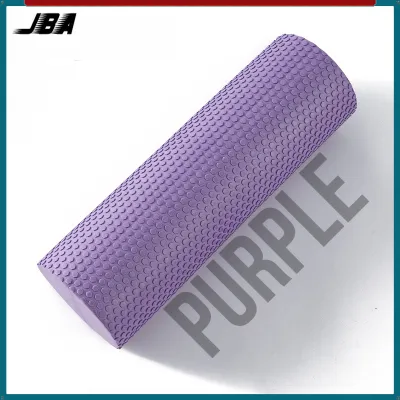
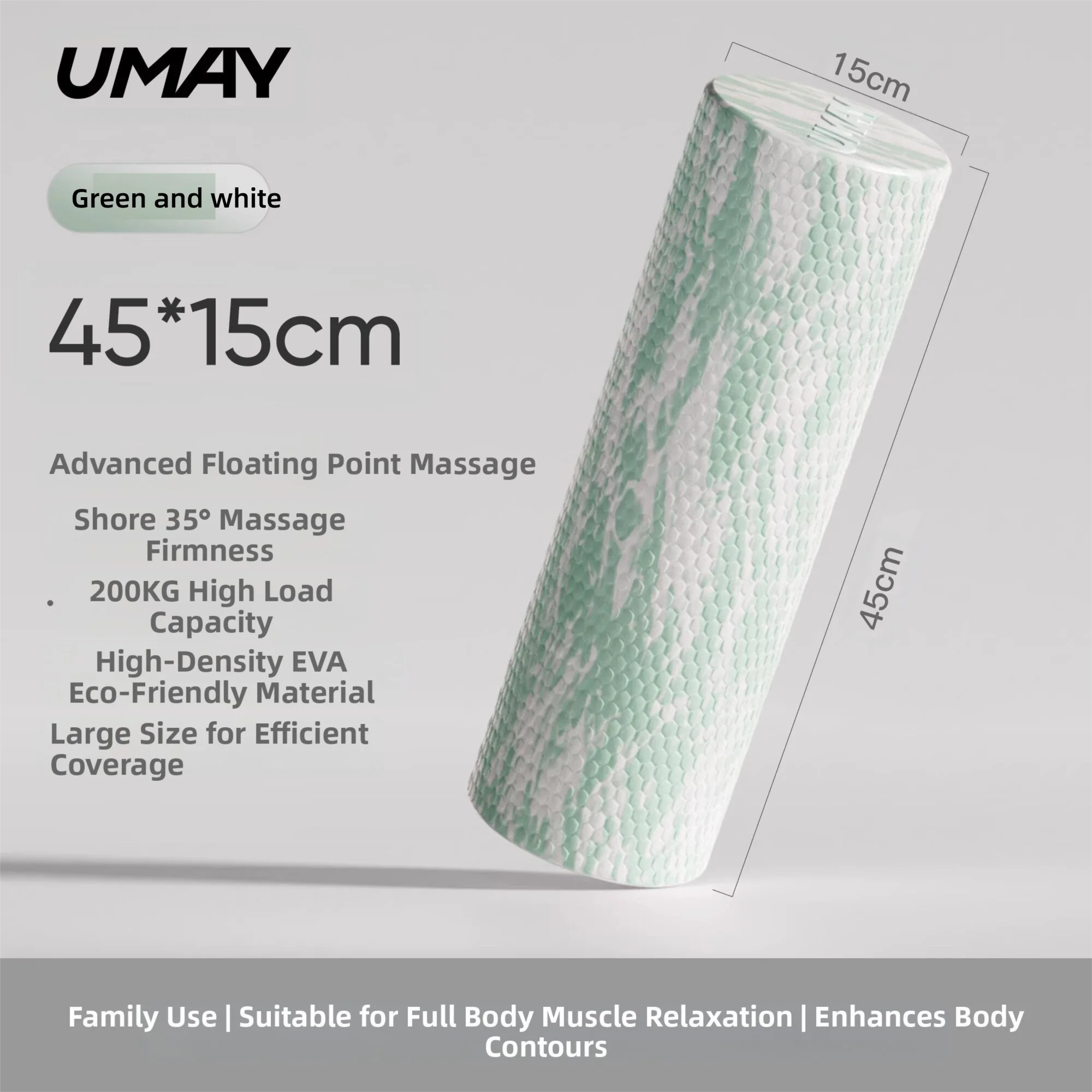
Ethylene-Vinyl Acetate (EVA) is a highly popular material known for its soft to medium firmness and excellent shock absorption. EVA is a closed-cell foam, meaning it does not absorb sweat or moisture, making it highly hygienic and easy to wipe clean after an intense workout. This material is highly resilient and recovers its shape quickly after compression, making it an excellent choice for beginners, individuals with sensitive muscles, or those using the roller for gentle yoga and flexibility routines.
Products mentioned in this guide
Prices are valid at publication and may change. Please refer to the product page for the latest price.
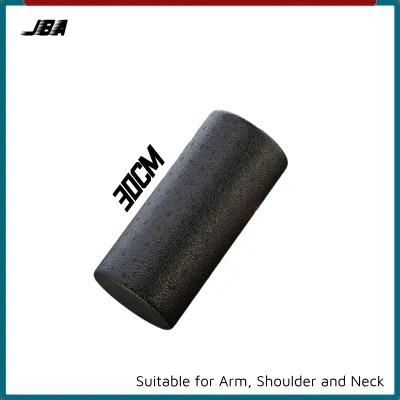
Expanded Polypropylene (EPP) is a lightweight, high-density foam that offers a much firmer feel than EVA. EPP rollers are ideal for deep tissue compression because they do not deform easily under heavy body weight. While EPP is highly cost-effective, lower-grade versions can sometimes feature a slightly porous surface that can trap moisture and sweat over time. When purchasing an EPP roller in the Philippines, it is advisable to verify that the surface has been heat-sealed or treated to prevent moisture absorption, ensuring long-term hygiene in humid conditions.
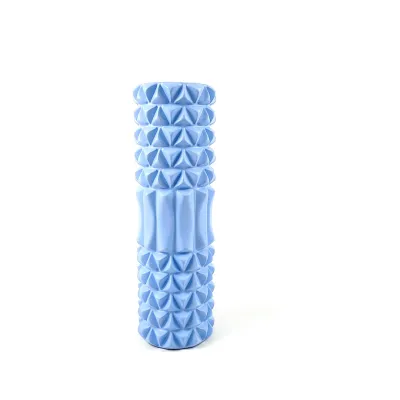
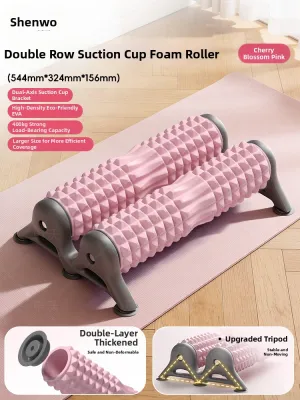
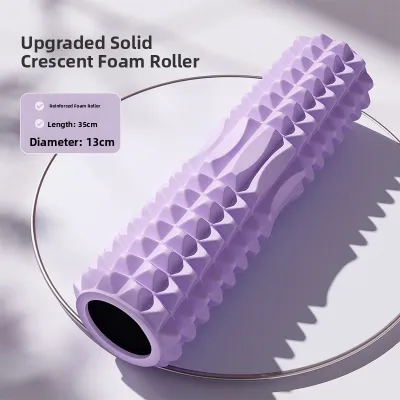
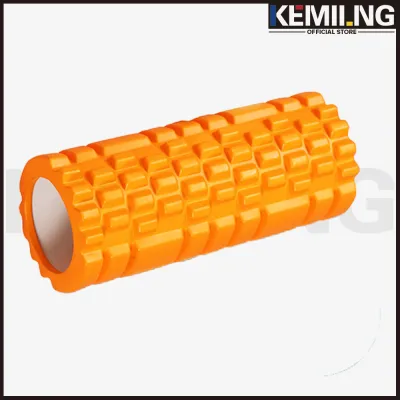
Textured or grid rollers typically feature a dual-layer construction consisting of a molded EVA foam exterior wrapped around a rigid hollow core made of Acrylonitrile Butadiene Styrene (ABS) or Polyvinyl Chloride (PVC) plastic. This design provides a highly durable structure that can withstand significant weight without flattening. The rigid core allows manufacturers to design intricate surface patterns, such as grids, ridges, and knobs, which mimic the targeted pressure of a massage therapist’s hands.
Before finalizing your purchase, performing a few quick visual and tactile checks can help you assess the quality of the roller. Press your thumb firmly into the foam surface; high-quality foam should compress slightly under localized pressure but immediately spring back to its original shape without leaving a permanent indentation. For hollow-core rollers, inspect the inner plastic tube to ensure it is thick, uniform, and free of hairline cracks or stress marks. Additionally, check the seams where the foam meets the plastic core; any peeling or loose adhesive indicates a lower-quality bond that may fail after repeated exposure to sweat and friction.
Key Features to Evaluate for Your Recovery Needs
Selecting the right foam roller requires matching its physical dimensions and structural specifications to your body size, carrying habits, and specific recovery goals.

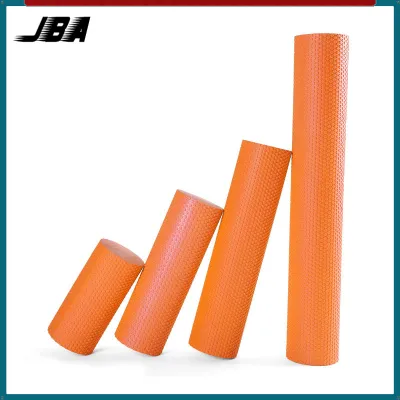
The length of the foam roller directly impacts its stability and the variety of exercises you can perform. Full-length rollers, typically measuring 36 inches (approximately 90 centimeters), are highly versatile because they are long enough to support your entire spine during chest-opening stretches or balance exercises. They are also ideal for rolling large muscle groups, such as the upper back, hamstrings, and quadriceps, without the risk of slipping off the sides. However, their bulky size makes them difficult to transport, meaning they are best suited for dedicated home gym spaces or permanent studio setups.
Shorter rollers, ranging from 12 to 18 inches (approximately 30 to 45 centimeters), are highly portable and convenient for fitness enthusiasts who commute to local gyms or sports clubs. These compact rollers easily fit into standard gym bags and are highly effective for targeting isolated muscle groups, such as the calves, IT bands, and lats. While they lack the length required for full-body spinal alignment exercises, their compact footprint makes them easier to maneuver around smaller muscle groups and tight spaces.
Surface texture is another critical dimension that dictates the intensity of your recovery sessions. Smooth rollers distribute your body weight evenly across a broad surface area, resulting in a gentler, more relaxing massage sensation that is ideal for daily maintenance and reducing general muscle tightness. In contrast, grid or knobby rollers concentrate your body weight onto smaller, raised contact points. This design delivers a highly intense, deep-tissue massage that can target stubborn trigger points, though it may feel uncomfortable or overly intense for beginners.
Finally, always verify the manufacturer’s maximum weight capacity and load-bearing specifications before use. Hollow-core rollers rely entirely on the strength of their inner plastic tube to support your weight; using a roller that is not rated for your body size can lead to sudden structural failure or cracking. Solid foam rollers, while less prone to sudden cracking, can gradually flatten over time if subjected to loads beyond their intended capacity. To ensure safety, never stand on a foam roller or use it as an unstable balancing platform unless the manufacturer’s documentation explicitly certifies it for standing exercises.
Matching Foam Rollers to Specific Workout Routines
Your primary exercise habits should dictate the structural properties of the foam roller you choose, as different athletic activities place unique demands on your muscles.
If your fitness routine focuses on high-intensity functional training, powerlifting, or heavy strength training, your muscles are subjected to high mechanical loads that often result in deep, localized tension. For these demanding routines, a high-density EPP roller or a grid roller with a reinforced ABS plastic core is highly recommended. These firm structures do not collapse under heavy body weight, allowing you to apply the deep, concentrated pressure necessary to reach dense muscle groups like the glutes, hamstrings, and quadriceps.
For individuals engaged in yoga, Pilates, barre, or light cardiovascular exercise, the primary goal of recovery is often to enhance flexibility, support joint mobility, and promote relaxation. In these scenarios, a long, smooth EVA foam roller is the most appropriate choice. The moderate firmness of EVA provides comfortable support for core stabilization exercises and gentle stretching without triggering protective muscle guarding or bruising. The smooth surface ensures that pressure is distributed evenly, making the recovery process a soothing extension of your main workout.
To help you navigate the selection process, consider this conditional framework based on common user profiles and workout environments:
- The Gym Commuter: If you primarily exercise at a commercial gym or fitness studio and need a portable tool, look for a 12-inch to 15-inch solid EPP roller or a hollow-core grid roller. These options are lightweight, fit easily into a backpack, and resist wear during transport.
- The Home Strength Trainer: If you perform heavy lifting or high-intensity workouts at home, select a 13-inch grid roller with a thick, reinforced plastic core. This provides the deep-tissue capability required for heavy muscle recovery while occupying minimal storage space.
- The Yoga and Pilates Enthusiast: If your routine centers on flexibility, balance, and core alignment, choose a 36-inch solid EVA roller with a smooth surface. This length allows for full-body support, while the closed-cell EVA material resists sweat absorption and provides a comfortable, medium-density feel.
Safety, Maintenance, and Usage Boundaries
Using a foam roller effectively requires strict adherence to safe usage practices and proper equipment maintenance to prevent injury and ensure the longevity of your tool.
When rolling, it is critical to respect anatomical boundaries to avoid damaging delicate tissues. Never apply direct pressure to bones, joints, or highly sensitive areas of the body. Specifically, avoid foam rolling your lower back (lumbar spine) and your neck (cervical spine). The lower back lacks the structural protection of the rib cage, and rolling this area can place excessive shear force on the lumbar vertebrae, potentially causing muscle spasms or joint strain. Similarly, the neck is highly delicate and contains major blood vessels and nerves that should never be subjected to heavy compression. Instead, focus your rolling efforts on large, fleshy muscle groups, keeping the roller away from the joints.
Establish clear stop conditions for your recovery sessions. While myofascial release often produces a dull, aching sensation commonly referred to as “good pain,” you should never push through sharp, shooting, or radiating pain. Sharp pain can indicate nerve compression, joint misalignment, or acute tissue damage. If you experience any sharp sensations, numbness, or tingling, stop rolling immediately and consult a physical therapist or a qualified healthcare professional.
Proper maintenance is essential to keep your foam roller hygienic and structurally sound, especially in the warm, humid climate of the Philippines. Sweat and body oils can accumulate on the surface, creating a breeding ground for bacteria and odors. After every workout, wipe down your roller with a damp cloth and a mild, non-abrasive soap solution. Avoid soaking hollow-core rollers in water, as moisture can become trapped inside the plastic tube and lead to mold growth. Never use harsh chemical solvents, bleach, or alcohol-based cleaners, as these can dry out and degrade closed-cell foams. Always allow the roller to dry completely in a shaded, well-ventilated indoor area, keeping it out of direct tropical sunlight, which can warp plastic cores and cause foam to crack.
Regularly inspect your foam roller for signs of wear and tear that indicate it is time for a replacement. Over months or years of consistent use, solid foam rollers may begin to lose their perfectly round shape or develop permanent flat spots, which reduces their effectiveness. For hollow-core rollers, look for deep cracks, peeling foam, or stress whitening on the inner plastic tube. If you notice any structural compromises, replace the roller immediately to prevent sudden failure during use.
Frequently Asked Questions (FAQ)
Can I use a foam roller every day after my workouts?
Daily foam rolling is generally safe and can be highly beneficial for active individuals, provided you use moderate pressure and correct technique. Incorporating a brief rolling session into your daily cool-down routine can help maintain muscle elasticity, improve local circulation, and support joint range of motion. However, it is vital to listen to your body’s feedback; if your muscles feel excessively bruised, tender, or fatigued from previous sessions, skip rolling for a day or two to allow the tissues to recover naturally. For persistent muscle pain, chronic tightness, or specific injury rehabilitation, always consult a physical therapist or a qualified healthcare professional to establish a safe, personalized recovery protocol.
Are vibrating foam rollers worth the extra investment?
Vibrating foam rollers incorporate a motorized internal mechanism that delivers rapid mechanical vibrations to the muscle tissue during use. According to manufacturer specifications, this vibration can help desensitize local pain receptors, making the rolling process more comfortable, while rapidly increasing local blood flow to warm up the muscles. This makes them highly appealing for quick pre-workout preparation or for individuals who find traditional, static rolling too painful. However, they require a significantly higher financial investment and come with practical trade-offs. Before purchasing, you should verify the manufacturer’s battery runtime, charging requirements, and overall weight, as the internal motor and battery make these rollers heavier and less portable. Additionally, consider the noise levels of the motor, which may not be suitable for quiet home environments or shared apartment spaces, and note that the electronic components require careful handling to avoid damage from drops or moisture.
Community discussion
Share your experience or ask a question. Comments are reviewed before publication.