
Finding a suitable invisible waist bag for running in the Philippines requires looking for ultra-thin, highly elastic, and moisture-resistant designs that sit completely flat against your body. In the tropical heat and high humidity of the Philippines, a bulky, bouncing waist pack can quickly ruin a workout. An invisible waist bag solves this by using low-profile materials that stretch to fit your essentials—such as a smartphone, keys, and emergency cash—while remaining virtually undetectable under a standard running singlet or t-shirt.
Because there is no single design that works perfectly for every runner, the right choice depends on your specific body measurements, the size of your phone, and your typical running distance. Whether you are training along the active streets of Bonifacio Global City, pacing through local parks, or preparing for a marathon, selecting the right gear involves evaluating fabric breathability, strap stability, and structural design. This guide will walk you through the essential features, design comparisons, and fit adjustments to help you find a discreet, bounce-free waist bag that withstands local weather conditions and keeps your items secure.
What Makes a Running Waist Bag Truly "Invisible"?
A genuinely discreet running waist bag relies on a flat-lay construction that sits flush against the body. Unlike traditional waist packs that protrude outward, an invisible waist bag is designed to be incredibly thin when empty, resembling a simple fabric band or a minimalist strap. When loaded, the fabric must stretch outward and compress inward simultaneously, minimizing the outward bulge. This allows the bag to disappear under lightweight, breathable running shirts common in warm climates.
Products mentioned in this guide
![Seamless Jogging Waist Bags Lightweight Invisible Running Belt Waist Pack Portable Elastic Breathable High-Capacity Sports Accessories [Ueb Flagship Store]](https://img.lazcdn.com/g/p/8023aec05dee4fbf4972084241a2abad.jpg_400x400q80.jpg_.webp)
Prices are valid at publication and may change. Please refer to the product page for the latest price.
To maintain discretion, look for bags with minimal, low-contrast branding and color-matching options. Bright logos or reflective strips can be useful for night running safety, but if absolute invisibility is your goal during daytime workouts, choosing a color that matches your running shorts or skin tone helps the bag blend in seamlessly. The goal is to avoid any visual interruption to your running silhouette.
Weight distribution mechanics are equally critical to keeping a bag hidden. If a bag bounces, sways, or slides up toward your chest, it immediately loses its discreet profile. True invisible bags distribute weight horizontally across a wider surface area rather than concentrating it in a single, heavy pocket. This horizontal tension keeps the bag anchored to your center of gravity, preventing the vertical oscillation that signals the presence of a heavy waist pack during high-impact movement.
Key Features to Evaluate Before Buying
Running in the Philippines means dealing with intense humidity and heavy sweat. Standard nylon or non-breathable plastics trap heat and moisture against your skin, leading to discomfort and rapid fabric degradation. Look for high-performance synthetic blends, such as nylon-spandex or polyester-elastane, which offer excellent stretch while allowing air to circulate. Moisture-wicking properties are critical to pull sweat away from your body, keeping the contact area dry and cool.

While the fabric must be breathable, the storage compartment needs protection from moisture. Sudden tropical downpours or heavy perspiration can easily damage electronic devices. Verify if the bag features a water-resistant inner lining, such as a thermoplastic polyurethane (TPU) laminate, or a water-repellent zipper seal. Examine the seams carefully; flatlock stitching or bonded seams reduce bulk and prevent the edges from fraying under constant tension.
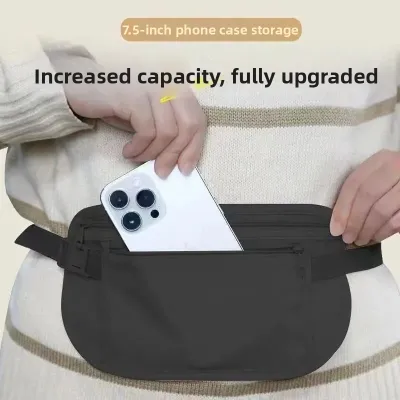
An invisible bag is designed for minimalism, so capacity limits must be balanced against physical dimensions. Trying to pack a large smartphone, a bulky key fob, energy gels, and a wallet will inevitably compromise its low-profile nature. Check the manufacturer’s specified pocket dimensions against your phone’s actual length, width, and thickness, including its protective case. If your phone stretches the fabric to its absolute limit, the bag will bulge significantly and may experience premature wear along the zipper line.
Tube-Style vs. Belt-Style: Which Design Fits Your Run?
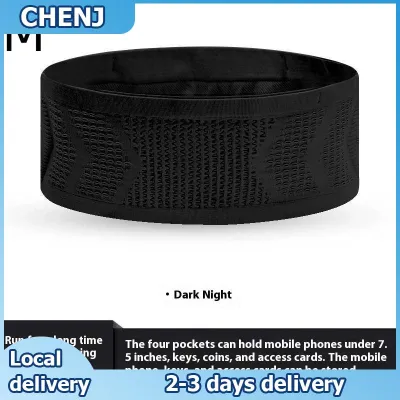
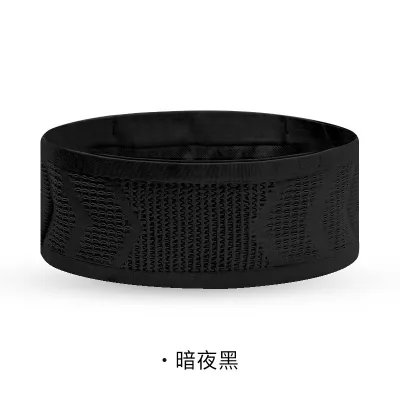
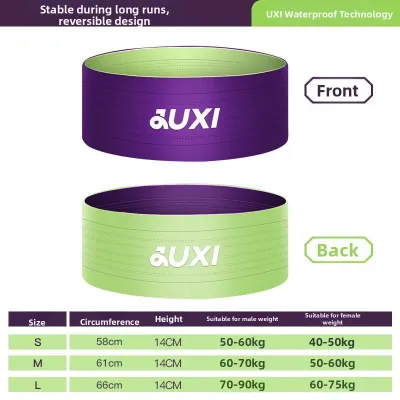
Tube-style designs consist of a continuous, elastic band of fabric that you slide up over your legs or pull down over your head. It has no buckles, clips, or adjustable straps, relying entirely on the natural elasticity of the fabric to stay in place. Tube-style belts typically feature multiple slit openings around the perimeter, allowing you to slide items inside and distribute them evenly around your waist.
This continuous loop design offers an extremely low profile, virtually eliminating hard points that could cause chafing. It provides excellent weight distribution and a highly secure, bounce-free fit. However, tube-style belts can be harder to put on and take off, and sizing must be precise because there are no adjustment straps. Accessing items mid-run can also require some maneuvering.
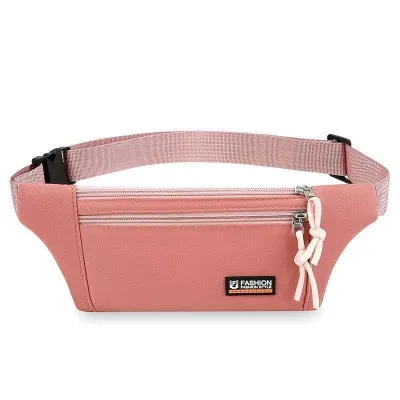
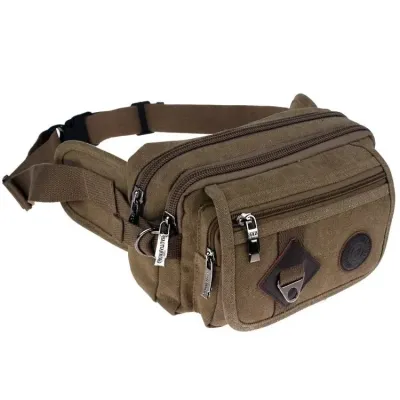
Belt-style designs feature a central storage pouch connected to an adjustable elastic strap, secured by a plastic buckle or hook-and-loop fastener. This classic design is easy to put on and adjust, fits a wider range of waist sizes, and allows quick access to items via a single zipper. The trade-off is that the buckle can add bulk and potentially chafe against the skin, and weight is concentrated in one area, which can lead to bouncing if the strap is not tightened correctly.
If your priority is absolute visual discretion and a locked-in feel during high-intensity intervals or long-distance runs, a tube-style belt is generally more suitable. If you prefer convenience, adjustable sizing, and quick access to your phone or nutrition during casual jogs, a high-quality adjustable belt-style bag is the more practical choice.
How to Ensure a Bounce-Free Fit
For tube-style belts, accurate measurement is critical. Do not rely on your standard pants size, as running belts are designed to sit either on the natural waist or lower down on the hips, depending on your body shape and comfort preference. Use a flexible measuring tape to measure the exact circumference of the area where you plan to wear the belt. If you fall between sizes, manufacturers often recommend sizing down for a snugger, bounce-free fit, or sizing up if you prefer less compression.
How you pack your bag directly affects its stability. Always place the heaviest item—typically your smartphone—flat against your lower back or directly over your lower abdomen. These areas represent your body’s natural center of gravity and experience the least amount of vertical movement during a stride. Distribute smaller, lighter items like keys, cards, or energy gels to the sides to balance the load and prevent the bag from tilting or shifting.
For adjustable belt-style bags, find the balance between compression and comfort. The belt should be tight enough to compress the contents flat against your body, preventing any independent movement of the bag. However, it should not be so tight that it restricts your breathing or digs into your skin. If you experience chafing, try adjusting the vertical position of the belt; shifting it slightly lower onto your hips can often stabilize the load without requiring excessive strap tension.
Purchasing Checklist for Online Shoppers
When shopping on e-commerce platforms, verifying product claims is essential to ensure a safe purchase. Whether you are spending a few hundred ₱ on a basic model or investing more in a premium technical belt, use this checklist to guide your decision:
- Verify Interior Dimensions: Do not rely on generic compatibility claims like "fits all smartphones." Measure your phone with its case on, and compare those numbers to the internal pocket dimensions listed by the seller.
- Analyze User Reviews for Durability: Look for feedback from runners who have used the bag for several months. Pay close attention to comments regarding the elasticity of the band over time, the durability of the zipper under tension, and whether the fabric bleeds color when wet with sweat.
- Check Return and Exchange Policies: Because fit is highly personal and sizing charts can vary between brands, ensure the online seller offers a clear return or exchange policy. This protects you if the belt is too tight, too loose, or cannot comfortably accommodate your running essentials.
Frequently Asked Questions (FAQ)
Can I fit a large smartphone and keys in a tube-style belt?
Yes, most high-quality tube-style belts are designed with highly stretchable fabrics that can accommodate large modern smartphones. However, to prevent your keys from scratching your phone screen or puncturing the fabric, utilize separate pocket openings. Many tube belts feature internal key clips or multiple compartments around the loop, allowing you to keep sharp objects isolated from your electronics while maintaining a balanced, low-profile fit.
How do I clean a sweat-soaked running waist bag?
To preserve the elasticity and water-resistant coatings of your waist bag, hand washing is highly recommended. Rinse the bag in cool water with a mild, liquid detergent to remove sweat salts and oils. Avoid using fabric softeners, bleach, or harsh chemicals, as these can break down the synthetic fibers and elastic components. Gently squeeze out excess water without wringing, and hang the bag to air dry in a shaded, well-ventilated area. Never place the bag in a mechanical dryer, as high heat can melt technical coatings and ruin the elastic tension.
Will the bag cause chafing during long-distance runs?
Chafing occurs when there is friction between the fabric, sweat, and your skin. To minimize this risk during long runs, wear the waist bag over a moisture-wicking shirt rather than directly against bare skin. Ensure the belt is adjusted snugly to eliminate any sliding or bouncing, which is the primary cause of friction. If you must wear the belt directly against your skin, apply an anti-chafing balm to the contact areas before your run, and choose a seamless, tube-style belt with flatlock stitching to reduce potential friction points.
Community discussion
Share your experience or ask a question. Comments are reviewed before publication.