
Finding a reliable electric bike under ₱30,000 in the Philippines requires a careful balance between upfront affordability and long-term usability. At this price point, you are entering the entry-level market, where smart compromises are necessary to find a vehicle that can handle daily commutes, tropical weather, and varied road conditions.
By focusing on essential mechanical components and verifying battery safety standards, you can secure a dependable ride that saves you time and money on your daily commute. Navigating the budget e-bike market can feel overwhelming with the sheer volume of options available online and in local shops. To make a successful purchase, you must look past flashy designs and focus on the underlying specifications, build quality, and after-sales support.
This guide will walk you through what to expect, what specifications to prioritize, how to shop safely, and how to budget for the true cost of ownership.
Products mentioned in this guide
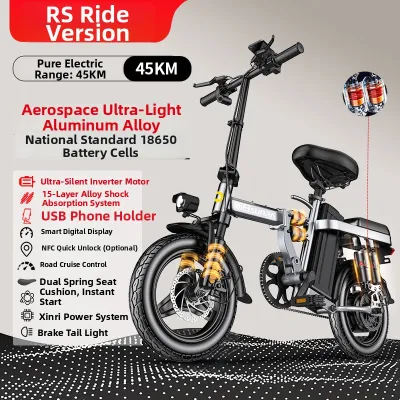
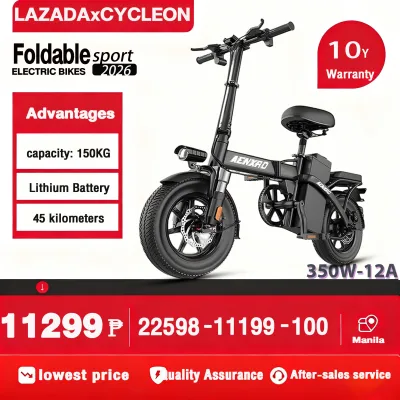
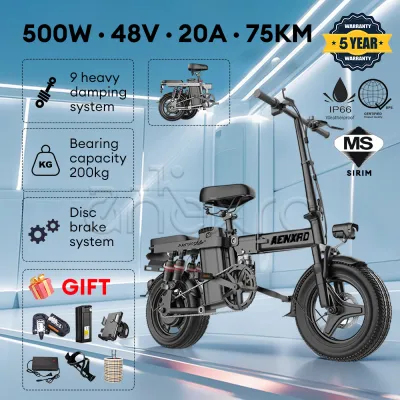
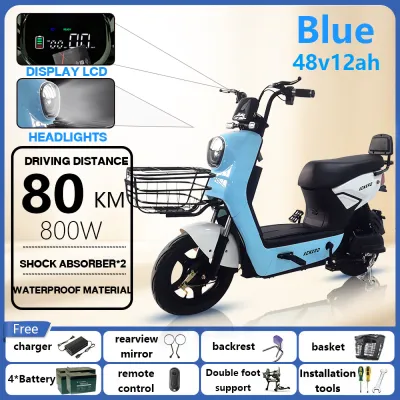
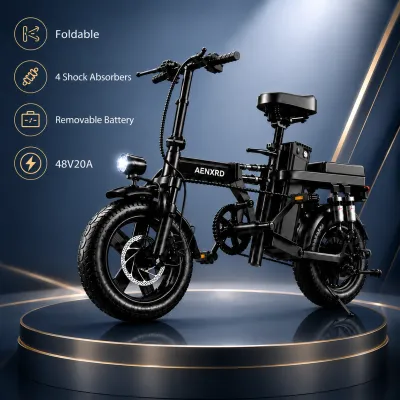
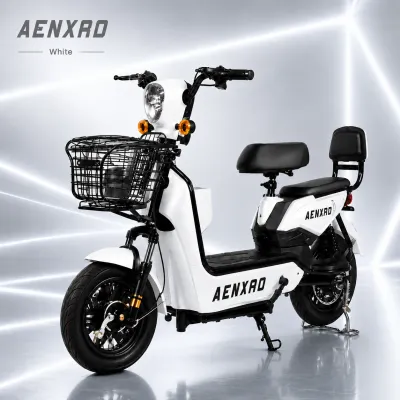
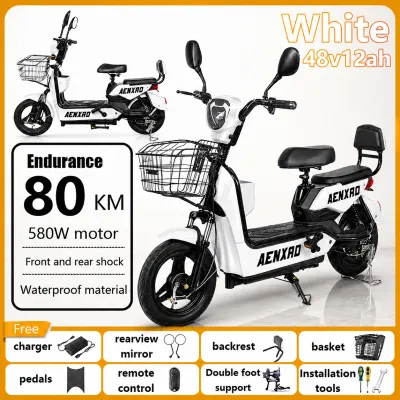
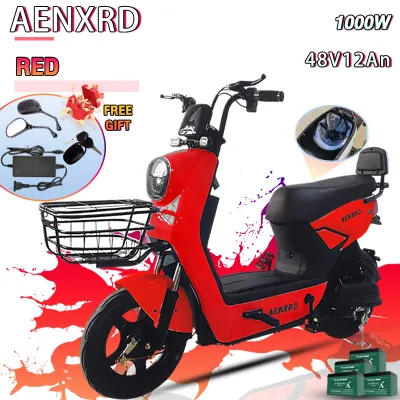
Prices are valid at publication and may change. Please refer to the product page for the latest price.
What to Expect from an Electric Bike Under ₱30,000
When shopping with a budget of ₱30,000, managing your expectations is the first step toward a satisfying purchase. E-bikes in this price tier are designed primarily for short-to-medium urban commutes, flat terrain, and light recreational use. They are practical utility vehicles rather than high-performance machines, meaning they prioritize basic functionality over premium components.
The motor power in this price range typically ranges from 250 watts to 350 watts, usually housed in the rear wheel hub. This level of power is sufficient for cruising on flat roads and tackling mild inclines, but you may find the motor struggling on steep flyovers or hilly terrain without significant pedaling assistance. The battery capacity is similarly modest, often offering a realistic range of 20 to 40 kilometers per charge depending on rider weight, terrain, and assist level.
Build materials at this price point generally consist of steel or entry-level aluminum alloys. Steel frames are highly durable and affordable, but they add significant weight to the bike, often pushing the total weight to 25 kilograms or more. This extra weight makes the bike harder to pedal without motor assistance and more challenging to carry up stairs or lift into storage. Aluminum frames are lighter but may feature simpler welds and basic paint finishes to keep costs down.
You will also need to choose between pedal-assist systems and throttle-only systems, or models that combine both. In the budget tier, pedal-assist systems often rely on basic cadence sensors, which detect that the pedals are turning and deliver a preset amount of power. This can sometimes feel like a sudden surge rather than a smooth acceleration. Throttle-only systems allow you to ride without pedaling at all, but using the throttle continuously will drain the battery much faster, significantly reducing your overall range.
Core Specifications to Prioritize for First-Time Riders
To help support your safety and get the most value from your investment, certain technical specifications must take priority over aesthetic features. Because budget e-bikes use more affordable components, verifying the quality of critical systems like the battery, brakes, and frame is essential before making a purchase.

Battery safety should be your primary priority when evaluating any budget electric bike. Look for batteries that come in a rigid, well-sealed protective casing rather than a simple shrink-wrapped pack, as tropical downpours and high humidity can easily damage poorly protected electronics. Ask the seller for documentation showing standard safety certifications, such as UN38.3 for battery transport safety or CE markings, which indicate the electrical system has undergone basic safety testing.
The braking system is another critical safety feature, especially given the heavier weight of an electric bike compared to a traditional bicycle. Mechanical disc brakes are highly recommended over traditional rim brakes at this price point. Disc brakes provide much more consistent stopping power in wet weather, which is crucial during the rainy season when roads become slick. They also dissipate heat better and do not wear down your wheel rims over time.
Frame geometry and weight capacity must match your physical build and daily carrying needs. Check the manufacturer’s specified maximum weight limit, which typically ranges from 100 to 120 kilograms for budget models. Keep in mind that this limit includes your body weight plus any cargo, such as a backpack, groceries, or a child seat. Ensure the frame size allows you to comfortably touch the ground with your feet when stopped, which builds confidence for first-time riders navigating busy city traffic.
Navigating Buying Channels and Verifying Warranties
Deciding where to buy your electric bike is just as important as choosing the model itself. First-time buyers in the Philippines often face a choice between local physical bike shops and online marketplaces, each offering distinct advantages and risks that require careful navigation.
Local physical bike shops are generally a highly practical option for first-time buyers because they allow you to test ride the bike before purchasing. This hands-on experience helps you assess the fit, comfort, and motor responsiveness in real-time. Furthermore, physical shops provide an immediate point of contact for assembly, initial adjustments, and future maintenance, saving you the hassle of shipping heavy parts back and forth if an issue arises.
If you choose to buy from an online marketplace or an ecommerce platform, you must exercise extra caution to avoid counterfeit products or unreliable sellers. Look for official brand stores or highly rated authorized distributors with a history of positive customer feedback. When reading user reviews, look past the initial ratings written immediately after unboxing; instead, search for detailed reviews from customers who have ridden the bike for several weeks or months to see how the components hold up over time.
Before finalizing your purchase, ask the seller for a clear, written copy of the warranty terms. In the sub-₱30,000 price range, warranties are often shorter, typically covering the battery and motor for three to six months, and the frame for up to a year. Be wary of sellers who offer vague verbal promises of a warranty without written documentation. Ensure you understand what actions might void the warranty, such as riding through deep water, making electrical modifications, or using non-authorized chargers.
Factoring in Hidden Costs and Essential Riding Gear
When planning your budget, it is easy to focus solely on the price tag of the electric bike itself. However, to ride safely and keep your bike running smoothly, you must factor in several additional upfront and long-term expenses that can quickly push you past your ₱30,000 limit if unplanned.
Essential safety and security gear should be purchased alongside your bike, not as an afterthought. A high-quality, certified bicycle helmet is mandatory for protecting your head in the event of a fall or collision. You will also need a heavy-duty lock, such as a hardened steel U-lock or a thick chain lock, to secure your investment when parked in public spaces. A basic repair kit containing tire levers, a patch kit, a portable pump, and a multi-tool is also essential for handling minor issues like flat tires on the road.
If you purchase your bike online, remember to account for shipping fees, which can be substantial due to the weight and size of the package. Many budget e-bikes arrive partially assembled in a box, requiring you to install the front wheel, handlebars, pedals, and accessories yourself. If you are not comfortable performing these mechanical tasks, you should budget for a professional assembly and safety check at a local bike shop to ensure everything is tightened and aligned correctly.
Long-term maintenance costs are inevitable but can be minimized with proper care. Budget for regular replacement of wear-and-tear items like brake pads, which wear down faster on heavy e-bikes, and chain lubricants to protect the drivetrain from rust in humid tropical conditions. To maximize the lifespan of your battery—the most expensive component to replace—avoid storing it in direct sunlight, never leave it completely discharged for long periods, and charge it in a cool, well-ventilated area.
Frequently Asked Questions (FAQ)
Can I upgrade the battery later if the range is too short?
Upgrading the battery on a budget electric bike is generally not recommended due to significant compatibility and safety risks. The motor and controller on your bike are designed to operate within specific voltage and current limits; installing a higher-voltage battery can easily burn out these components. Additionally, budget frames have limited physical space and specific mounting points, making it difficult to securely fit a larger aftermarket battery. Finally, making any unauthorized modifications to the electrical system will immediately void your manufacturer’s warranty and increase the risk of electrical shorts.
Are folding electric bikes reliable in this price range?
Folding electric bikes under ₱30,000 offer excellent portability but come with structural trade-offs that require careful consideration. The folding hinge is a major stress point that is subject to constant vibration and pressure during your ride. In budget models, these hinges may require frequent inspection and tightening to help prevent them from loosening over time, which can compromise safety. While folding bikes are highly convenient for multi-modal commutes or small apartments, they generally have lower weight capacities and a slightly more flexy ride quality compared to rigid, non-folding frames.
Community discussion
Share your experience or ask a question. Comments are reviewed before publication.