
At twelve months old, a child is undergoing rapid physical and cognitive changes, making the choice of their first wheeled toy highly significant. For a one-year-old girl in the Philippines, the ideal “bike” is not a traditional pedal-driven bicycle, but rather a developmental ride-on toy, a low-seat balance bike, or a parent-assisted push tricycle. These toys are specifically designed to match a toddler’s emerging gross motor skills, helping them transition from crawling and cruising to walking and balancing. Because local play environments often shift between smooth indoor tiled floors to escape the tropical heat and outdoor concrete driveways or neighborhood courts, selecting the right option requires careful consideration of stability, wheel materials, and ergonomic fit. By focusing on adjustable designs and robust safety features, parents can find a toy that supports their child’s physical development while ensuring hours of safe, active play.
Understanding the Options: Bikes vs. Ride-On Toys for 1-Year-Olds
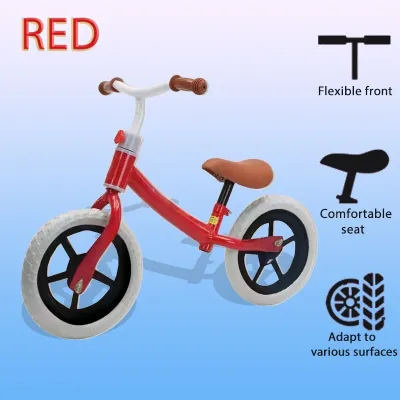
To make an informed decision, it is essential to understand what constitutes a “bike” for a twelve-month-old. At this stage, children do not possess the leg strength, joint coordination, or cognitive capacity to operate traditional pedals. Therefore, products marketed as bikes for this age group are typically pedal-free balance bikes or multi-functional tricycles. A low-seat balance bike features a narrow frame and either three or four wheels, allowing the toddler to straddle the seat and push off the ground with their feet. These bikes focus entirely on teaching the fundamentals of steering and balance without the complexity of pedaling.
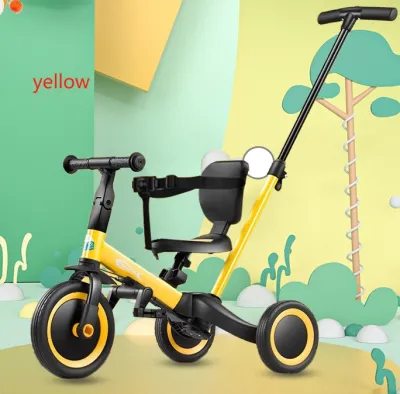
In contrast, foot-to-floor ride-on toys are designed with a wider, more stable base and are often shaped like animals, cars, or simple scooters. These toys prioritize stability over balance, making them excellent for children who are still finding their footing. They allow toddlers to practice bilateral coordination—using both legs simultaneously or in alternating patterns to propel themselves forward. Push-along toys and convertible tricycles offer another alternative, featuring a long handle that allows parents to steer and push the vehicle while the child sits securely, resting their feet on dedicated pegs.
Products mentioned in this guide
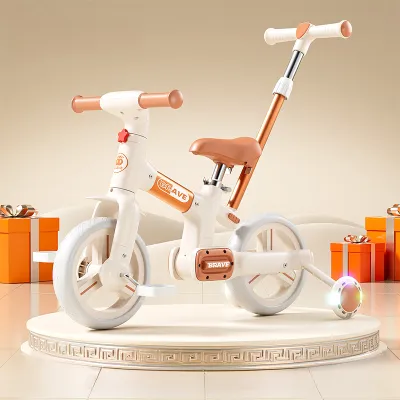
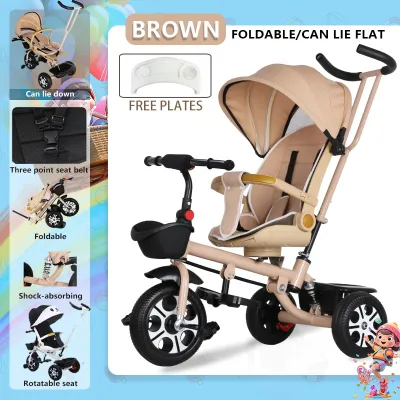
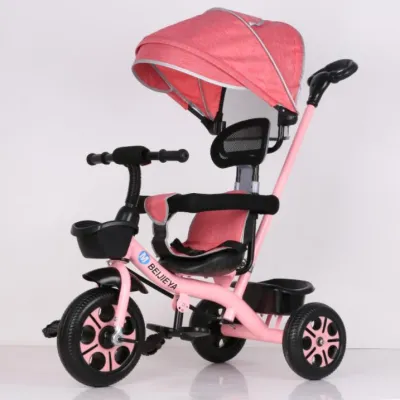

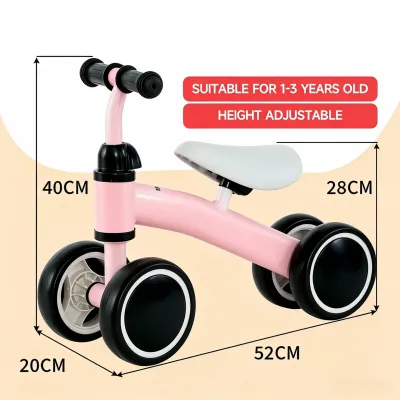
Prices are valid at publication and may change. Please refer to the product page for the latest price.
When evaluating these options, matching the toy to your child’s specific developmental milestones is crucial. Around their first birthday, many girls are beginning to stand independently, pull themselves up on furniture, or take tentative first steps. If your child is already walking confidently, a low-seat balance bike with a steering limiter can help refine their balance and spatial awareness. If she is still cruising or prefers seated play, a highly stable, four-wheeled ride-on toy provides the necessary support to build leg strength and confidence without the risk of tipping over.
The local climate and living conditions in the Philippines also play a significant role in this choice. During the rainy season or the peak of the dry season, outdoor play may be limited. A compact, lightweight ride-on toy with non-marking rubber or foam wheels is ideal for indoor use on ceramic tiles or polished wood floors, as it operates quietly and will not scuff surfaces. For outdoor play on concrete carports, subdivision roads, or local parks, a sturdier balance bike with durable, puncture-proof tires is better suited to handle rougher terrain and warm outdoor temperatures.
Key Safety and Design Features to Look For
Safety is the primary consideration when selecting any wheeled toy for a toddler. The first design element to evaluate is the stability of the wheelbase. A wider wheelbase, particularly at the front of the toy, significantly reduces the risk of sideways tipping when the child leans or attempts to turn. For one-year-olds, models with two wheels at the front and one or two at the back offer superior stability compared to traditional three-wheel configurations with a single front wheel. The center of gravity should be low, keeping the child’s weight close to the ground to minimize the impact of sudden shifts in movement.

Another critical safety feature is a steering limiter. Toddlers lack the fine motor control required to make gentle adjustments to their direction. Without a limiter, a child can easily turn the handlebars a full ninety degrees, causing the front wheels to lock sideways and sending the toddler tumbling forward over the front of the toy. Look for models that restrict the steering angle to a safe range, typically between 45 and 135 degrees, which allows for smooth turns while preventing jackknifing.
Material safety and construction quality must also be thoroughly inspected. Because toddlers frequently explore their environment with their mouths, all plastics, paints, and finishes must be non-toxic and lead-free. The toy’s body should feature rounded edges and smooth surfaces, with no sharp plastic flashing or exposed metal corners that could cause scratches. Furthermore, ensure that all moving parts, such as steering columns, wheel axles, and folding mechanisms, are fully enclosed or designed with clearance gaps that prevent small fingers from getting pinched during play.
Finally, always verify the manufacturer’s specified weight limits and age recommendations rather than relying on generic product titles. A toy labeled as a “toddler bike” may have a weight capacity that is too low for a larger child or a frame size that is unsafe for a smaller one. In the humid tropical climate of the Philippines, materials are subjected to high moisture levels, which can degrade low-quality plastics or cause cheap metal screws to rust. Choosing toys constructed from high-density polyethylene (HDPE) plastic, treated wood, or powder-coated steel ensures the toy remains structurally sound and safe over years of exposure to humidity.
How to Ensure the Right Fit and Ergonomics
An improperly fitted ride-on toy can lead to frustration, poor posture, and an increased risk of falls. To ensure a perfect ergonomic fit, you must measure your child’s inseam before purchasing. Have your toddler stand flat-footed against a wall while wearing the shoes they will typically use for riding. Measure the distance from the crotch straight down to the floor. This measurement is your child’s riding inseam, and it must be compared directly to the manufacturer’s minimum seat height specification.
For safe operation, the “flat feet on the floor” rule is non-negotiable. When seated on the bike or ride-on, your child must be able to place both feet completely flat on the ground with a slight bend in their knees. This position allows them to push off effectively, maintain balance, and, most importantly, bring themselves to a safe stop. If only their toes can touch the ground, they will struggle to control the vehicle, leading to tipping and anxiety that can discourage them from riding altogether.
Because children grow rapidly during their second year, selecting a toy with adjustable components is a highly practical choice. Look for models that offer adjustable seat heights and handlebar positions. A seat that can be raised by even a few centimeters can extend the usability of the toy from twelve months up to two years or more, providing excellent value for your investment. Ensure that the adjustment mechanisms are secure, locking tightly into place so they do not slip while the child is riding.
The overall weight of the toy relative to your child’s weight is another critical factor. A heavy, cumbersome bike will be difficult for a one-year-old to steer, push, or lift when it tips over. Ideally, the toy should weigh no more than thirty percent of your child’s body weight. A lightweight frame, often made of aluminum, high-grade plastic, or light wood, allows the toddler to maneuver the toy independently, boosting their confidence and encouraging active, self-directed play.
Purchasing Locally: What to Verify Before Checkout
When shopping for toddler bikes and ride-on toys in the Philippines, parents can choose between physical baby boutiques, department stores, and local online marketplaces. While online shopping offers convenience and a wider selection, it requires extra vigilance to ensure you receive a genuine, safe product. Always look for recognized international safety certifications on the product packaging or within the online listing details. Certifications such as EN71 (European Toy Safety Standard), ASTM F963 (US Standard Consumer Safety Specification for Toy Safety), or local Philippine National Standards (PNS) marks indicate that the toy has undergone rigorous testing for mechanical safety, flammability, and chemical composition.
When navigating e-commerce platforms, verify the authenticity of the seller before making a purchase. Look for official brand stores or highly rated local distributors with a history of positive feedback. Read recent buyer reviews carefully, paying close attention to photos and videos uploaded by other parents in the Philippines. These real-world reviews often reveal critical details about the toy’s actual size, material quality, and ease of assembly that may not be apparent from the manufacturer’s promotional images. Additionally, confirm the seller’s return and refund policies in case the product arrives damaged or does not match the description.
Once the toy is delivered, perform a thorough inspection before allowing your child to play with it. Unpack all components in a well-lit area and check them against the parts list in the instruction manual. Inspect each piece for manufacturing defects, such as sharp plastic edges, cracked frames, or missing hardware. If the toy features painted surfaces, check that the paint is intact and not flaking off, which could pose an ingestion hazard.
Assembly must be carried out strictly according to the manufacturer’s instructions. Avoid rushing the process, and use the correct tools to tighten all bolts, screws, and locking pins. Over-tightening can crack plastic components, while under-tightening can cause the toy to collapse during use. Once assembled, perform a physical stress test by applying pressure to the seat and handlebars to ensure there is no wobbling or structural instability. Periodically re-check these connections, as regular use on uneven outdoor surfaces can gradually loosen hardware over time.
Frequently Asked Questions (FAQ)
When should a 1-year-old transition from a ride-on toy to a balance bike?
A toddler is generally ready to transition from a highly stable ride-on toy to a low-seat balance bike when they demonstrate confident walking and running skills. Look for physical signs such as the ability to navigate uneven outdoor surfaces, like grass or gravel, without losing their balance. The child should also show the cognitive ability to steer intentionally to avoid obstacles rather than just pushing forward blindly. When they begin to lift their feet off the ground while riding their current toy, it indicates they are developing the balance necessary for a two-wheeled or narrow three-wheeled balance bike.
Are tricycles with push handles safe for 1-year-old girls?
Yes, tricycles with push handles are safe and highly practical for one-year-old girls, provided they are used under direct adult supervision. At this age, the parent retains primary control over steering, speed, and braking via the adjustable push handle. To ensure safety, the tricycle must be equipped with a secure multi-point safety harness to keep the child seated upright, as well as dedicated footrests so their feet do not dangle near the moving front wheel or pedals. Always verify that the child meets the manufacturer’s minimum height and weight requirements before placing them in the seat.
How do I clean and maintain a toddler's ride-on toy?
To keep the toy hygienic and functional, wipe down all plastic, metal, and wooden parts regularly using a soft cloth dampened with mild soap and warm water. Avoid harsh chemical cleaners or bleach, which can degrade plastics, strip protective coatings, or leave harmful residues. Regularly inspect the wheels, axles, and steering joints for any buildup of hair, dust, or outdoor debris that could restrict movement. Finally, establish a routine to check all screws, bolts, and adjustable joints every few weeks, tightening any hardware that may have loosened during active play.
Community discussion
Share your experience or ask a question. Comments are reviewed before publication.