
Keeping water out of a child’s ears is a common challenge for parents in the Philippines, where daily baths are essential for staying cool in the tropical heat and weekend swimming trips are a year-round highlight. Whether your child is splashing in a backyard inflatable pool, taking a warm bath, or learning to swim in a local pool, water entering the ear canal can cause discomfort, irritation, and sometimes lead to painful infections. Finding the right ear cover for bathing or swimming requires understanding your child’s specific needs, their age, and how the product will be used.
While ear covers provide excellent physical protection, they are comfort and hygiene aids rather than life-saving devices. They cannot replace active adult supervision, proper water safety training, or professional medical guidance for children with pre-existing ear conditions. Choosing the right ear protection involves balancing water resistance, comfort, and ease of use. In a humid climate, materials must dry quickly and resist mold, while remaining gentle on a child’s sensitive skin. This guide will walk you through the different types of ear covers available, the key features to look for when shopping online, and how to match the right product to your child’s water activities to ensure a safe, splash-filled experience.
Understanding the Main Types of Ear Protection for Kids
When searching for ear protection, parents often encounter a variety of designs, each serving a distinct purpose. Understanding these differences is the first step in selecting a product that will actually keep water out while remaining comfortable for your child to wear.
Products mentioned in this guide
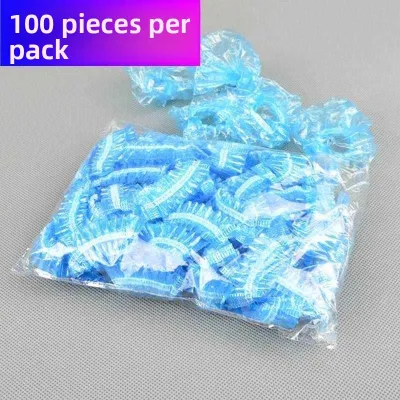
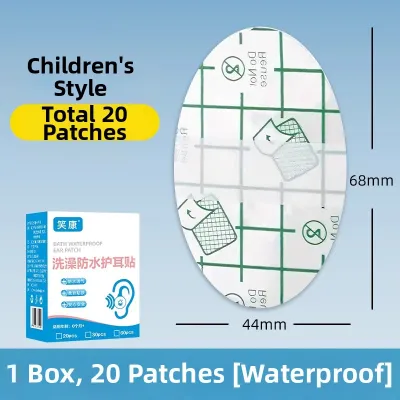
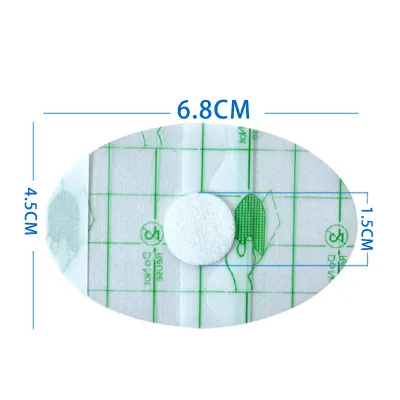
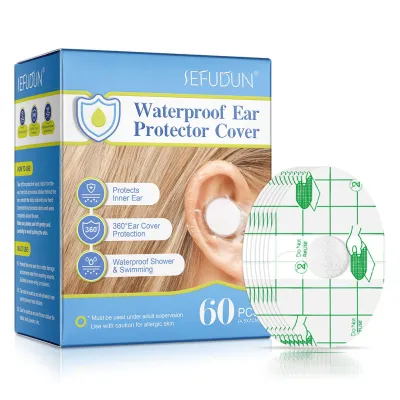
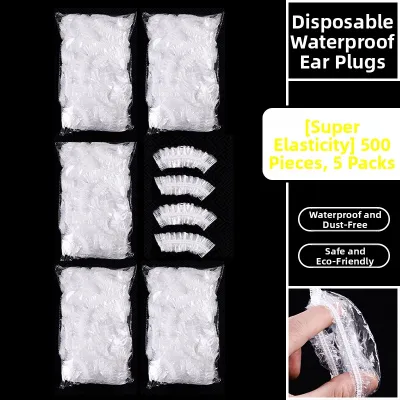
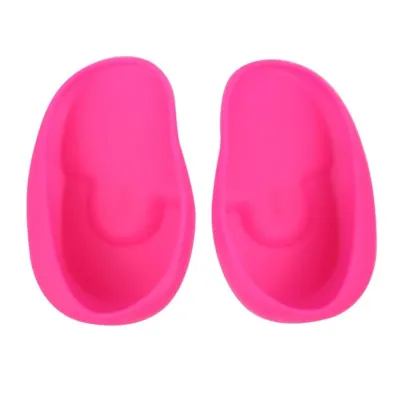
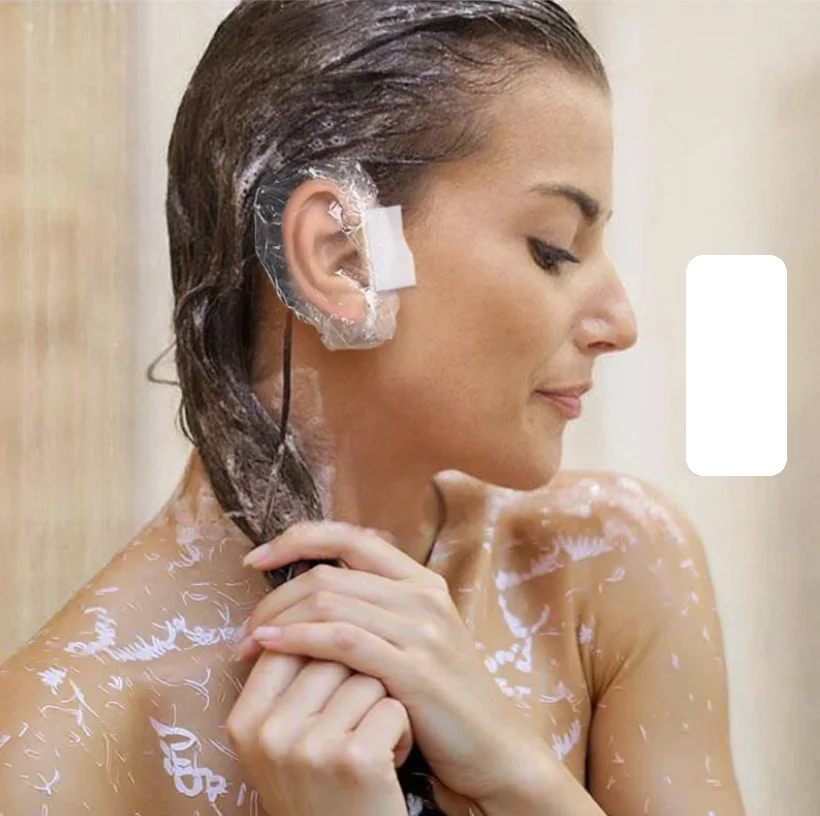
Prices are valid at publication and may change. Please refer to the product page for the latest price.
Neoprene swim headbands are wide, elastic bands made from neoprene, the same material used in wetsuits. They wrap snugly around the child’s head, covering the ears externally. The primary function of a neoprene headband is to hold earplugs firmly in place or to provide a basic, water-resistant barrier over the ears. Because neoprene is naturally buoyant and stretchy, these bands are excellent for active water play. However, on their own, they do not create a completely airtight or waterproof seal inside the ear canal; instead, they deflect splashing water and prevent children from easily pulling out their earplugs.
Silicone ear plugs attached to headbands combine the physical barrier of earplugs with the security of an external band. The earplugs, typically made of soft, medical-grade silicone, insert gently into the outer ear canal to block water entry directly. They are physically tethered to an adjustable headband, which prevents the plugs from getting lost in the pool or swallowed by curious toddlers. This dual-action mechanism provides a much more reliable seal against water submersion compared to a headband alone, making it a preferred choice for children who are learning to submerge their heads during swim lessons.
It is crucial to distinguish these water-safe products from plush, fabric, or fleece ear muffs designed for cold weather. While cold-weather ear muffs are designed to keep ears warm and dry in chilly climates, they are highly absorbent and will quickly waterlog if exposed to baths or pools. Water-specific ear covers are made from non-absorbent, quick-drying materials like neoprene, silicone, or specialized waterproof plastics that maintain their structure and protective qualities when fully wet. Always verify that the product description explicitly mentions swimming, bathing, or water sports before making a purchase.
Key Features to Evaluate for Water Activities
Selecting the right ear cover requires looking closely at the materials and construction of each product. Because children have sensitive skin and are constantly growing, a one-size-fits-all approach rarely works for water safety gear.

The skin around a child’s ears and face is delicate and prone to irritation, especially when exposed to a combination of water, soap, or pool chemicals. When evaluating ear covers, check the manufacturer’s labels for hypoallergenic materials. Look for food-grade or medical-grade silicone and latex-free neoprene. Avoid products that contain harsh chemical dyes or strong synthetic odors, as these can trigger contact dermatitis or skin redness during prolonged wear in warm, humid conditions.
Children grow rapidly, so an adjustable fit is essential for both comfort and longevity. Look for ear covers that feature high-quality, adjustable fasteners, such as wide Velcro straps or secure snap buttons. Velcro allows for micro-adjustments to achieve the perfect tension, ensuring the band is tight enough to keep water out but loose enough to prevent headaches. Check the stretch limits of the fabric; a good headband should retain its elasticity even after multiple stretches and wet-dry cycles.
A protective ear cover is only effective if your child is willing to wear it. To prevent chafing, look for bands with flat, smooth seams and soft, finished edges. Some high-quality neoprene bands feature extra padding around the forehead and behind the ears, where friction is most likely to occur. If the band has built-in earplugs, ensure the silicone tips are soft, pliable, and sized appropriately for a child’s smaller ear canal to avoid internal pressure or soreness.
Parents often have their hands full during bath time or at the pool, so the ear cover should be quick and easy to secure. A simple wrap-and-strap design is ideal, allowing you to put it on a squirming toddler in seconds. For older children, look for designs they can adjust independently, which fosters confidence and ensures they can manage their gear during school swim sessions or community pool outings.
Matching the Ear Cover to Your Child's Water Activity
Not all water activities require the same level of ear protection. Matching the style of the ear cover to the specific environment and intensity of the activity ensures your child gets the right amount of protection without unnecessary discomfort.
For daily baths or quick showers, the primary goal is to keep soapy water, shampoo, and shallow splashes out of the ears. Because the child’s head is rarely submerged during a bath, a lightweight, water-resistant headband or a simple disposable adhesive ear patch is often sufficient. These options provide a comfortable barrier against downward splashes from rinsing hair, allowing for a tear-free bath time without the need for tight, high-pressure seals.
Active pool play involves splashing, jumping, and constant movement, which can easily dislodge standard ear protection. For these activities, a secure, non-slip neoprene headband is highly recommended. The headband should have a textured inner lining or a contoured shape that grips the head, preventing it from sliding down over the eyes or slipping off the back of the head when wet. This keeps the ears covered even during energetic games of water tag or shallow splashing.
When a child is actively learning to swim, they will frequently submerge their head, practice blowing bubbles, and glide underwater. In these scenarios, external bands alone are rarely enough to keep water out of the ear canal. A combination of soft silicone earplugs held securely in place by a tight-fitting neoprene swim headband provides the most reliable defense. The earplugs block the water from entering the canal under pressure, while the headband ensures the plugs do not fall out and sink to the bottom of the pool. If your child has ear tubes or a history of chronic ear infections, always consult your pediatrician to determine the safest combination of ear protection for underwater activities.
Building a Reliable Shortlist When Shopping Online
Shopping for children’s ear covers on e-commerce platforms in the Philippines requires a careful, methodical approach to ensure you receive a genuine, high-quality product that fits correctly.
Do not rely solely on promotional images or generic product titles that claim to fit “all kids.” Instead, look for detailed product specifications, particularly the manufacturer’s age and head circumference charts. Measure your child’s head before browsing and compare their measurements directly to the sizing guide. If your child’s head size falls between two sizes, it is generally safer to opt for the larger size if the band is highly adjustable, or check user reviews to see if the product runs small.
Customer feedback is an invaluable resource for assessing how a product performs in real-world conditions. Look for verified purchase reviews that specifically mention durability, water resistance, and how well the band stays in place during active use. Pay close attention to reviews from parents with children of a similar age to yours. If multiple reviews mention that the Velcro loses its grip quickly or that the silicone plugs are too stiff, use this information to filter out low-quality options.
To avoid counterfeit or substandard items that may use unsafe plastics or low-grade neoprene, purchase from official brand stores or highly-rated preferred sellers on your chosen online marketplace. Look for sellers that offer clear return policies and responsive customer service. Authentic brands are more likely to provide accurate material certifications and reliable customer support if you encounter sizing issues.
While it can be tempting to choose the cheapest option available, consider the long-term value and replacement frequency. Extremely cheap ear covers may lose their elasticity after just a few uses or cause skin irritation due to low-grade materials. Budgeting around ₱200 to ₱800 for a durable, reusable neoprene headband or a high-quality silicone set is often more cost-effective than repeatedly replacing cheap, single-use, or poorly made alternatives.
Care, Maintenance, and Safety Checks
Proper care and maintenance are essential to extend the lifespan of your child’s ear covers and, more importantly, to protect their ear health by preventing the buildup of bacteria, mold, and mildew.
After every use—whether in a chlorinated pool, the salty ocean, or a soapy bathtub—rinse the ear covers thoroughly with clean, fresh tap water. Chlorine, salt, and soap residues can degrade neoprene and silicone over time, causing them to become brittle, lose their stretch, or develop a sticky texture. After rinsing, gently squeeze out excess water from neoprene bands (do not wring them harshly) and lay them flat to air dry in a well-ventilated area away from direct sunlight, which can fade and weaken the material.
In the humid climate of the Philippines, damp gear is highly susceptible to mold and mildew growth. Never throw wet or damp ear covers directly into a closed swim bag, plastic container, or dark bathroom drawer. Ensure the items are completely dry before storing them in a cool, dry place. If you are storing silicone earplugs, keep them in their designated plastic storage case to protect them from dust, lint, and household pests.
Before placing the ear cover on your child, perform a quick visual inspection. Check the neoprene for any tears, thinning areas, or loose stitching. Test the Velcro straps to ensure they still grip firmly and do not easily pull apart. For silicone plugs, inspect them for cracks, discoloration, or any signs of tearing, especially near the joints or tethers.
To maintain safety and effectiveness, replace the ear cover immediately if you notice a significant loss of elasticity, if the fasteners no longer hold securely, or if there are any signs of mold that cannot be washed away. Using a worn-out ear cover can lead to water leakage, which defeats the purpose of the product and may expose your child’s ears to unwanted moisture.
Frequently Asked Questions (FAQ)
Can ear covers completely prevent swimmer's ear?
While ear covers and swim headbands significantly reduce the amount of water entering the ear canal, they do not guarantee a 100% waterproof seal under all conditions. Water can still seep in during deep submersion or vigorous movement. To help prevent swimmer’s ear, use ear covers as a protective barrier, but also ensure you gently dry your child’s ears with a soft towel after water activities. If your child has ear tubes, a ruptured eardrum, or a history of frequent ear infections, always consult a pediatrician for personalized medical advice and specific product recommendations.
How do I measure my child's head for the right fit?
To find the correct size, use a flexible measuring tape to measure your child’s head circumference. Wrap the tape starting from the forehead, just above the eyebrows, passing over the tops of the ears, and around the widest part of the back of the head. This path mimics exactly where a swim headband or ear cover will sit. Write down the measurement in centimeters or inches, and compare it directly to the manufacturer’s size chart. Avoid guessing based on age alone, as head sizes can vary significantly among children of the same age.
Are ear covers safe for toddlers?
Yes, ear covers are generally safe for toddlers, but they require constant, active adult supervision. When using ear covers on young children, ensure the band is not wrapped too tightly, which can cause discomfort or restrict circulation. Avoid using small, detachable earplugs that could pose a choking hazard if the child pulls them out. Instead, opt for wide neoprene headbands or integrated, tethered silicone designs that cannot be easily swallowed. Always monitor your toddler during bath time or swimming to ensure the cover remains in the correct position and does not slip down over their eyes or nose.
Community discussion
Share your experience or ask a question. Comments are reviewed before publication.