
When evaluating a tummy trimmer for men, the direct answer depends on your definition of “working.” If your goal is to build real core strength, stability, and muscle endurance, the ab wheel is the only option that provides active resistance training. Waist trimmer belts rely on thermal effects and do not engage muscles, while EMS stimulators cause passive contractions that cannot replace active motor control or functional core stability. This guide compares the mechanisms, actual training value, and safety boundaries of these three devices to help you choose the right tool for your fitness routine.
Understanding the distinction between active muscle engagement and passive stimulation is crucial before investing your time and money. Many fitness accessories marketed under the broad category of a tummy trimmer for men promise rapid abdominal transformation, but they operate on entirely different physiological principles. By analyzing how each device interacts with your body, you can avoid marketing traps and select a tool that aligns with your actual physical goals.
How Each Tummy Trimmer Mechanism Actually Works
To make an informed choice, you must first look at the physiological mechanisms of each device. These tools target the midsection through completely different pathways, ranging from high-intensity muscular loading to simple heat retention.
Products mentioned in this guide
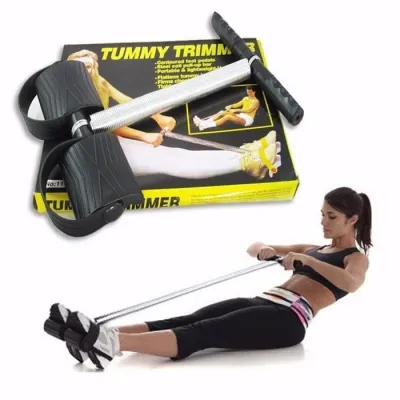
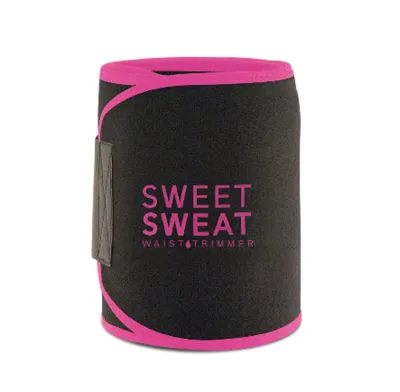
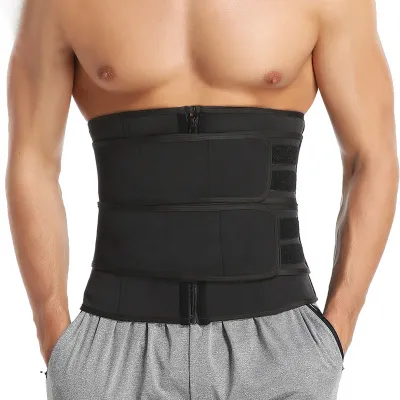
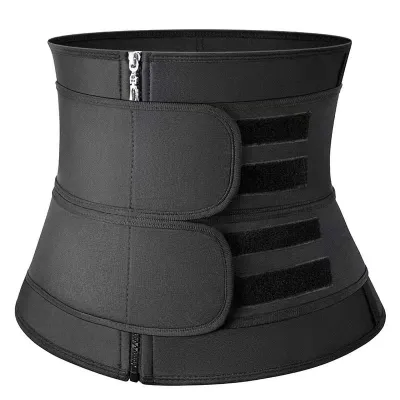
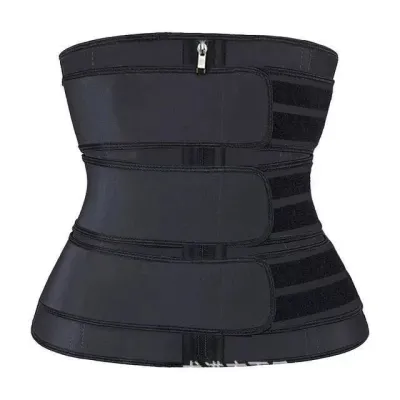
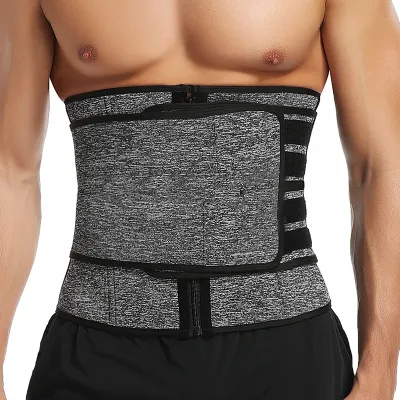
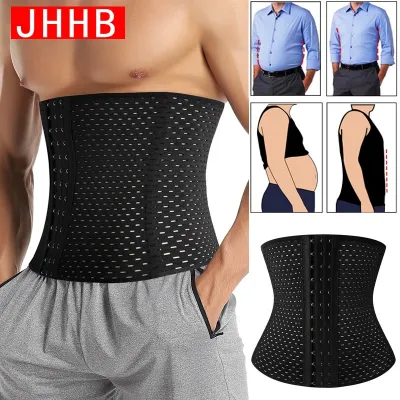
Prices are valid at publication and may change. Please refer to the product page for the latest price.
The ab wheel operates on the principle of dynamic resistance training. When you roll the wheel away from your body, your core musculature must work eccentrically to prevent your spine from sagging toward the floor. As you pull the wheel back, your abdominal muscles contract concentrically. This movement requires the rectus abdominis, obliques, and deep stabilizers like the transverse abdominis to manage your body weight against gravity, creating a high level of mechanical tension.
In contrast, a waist trimmer belt relies entirely on thermal retention. Typically made of thick neoprene or similar synthetic materials, these belts wrap tightly around your midsection to trap body heat. This localized insulation increases skin temperature and accelerates sweating in the covered area during a workout. However, the belt itself provides zero muscular resistance, meaning your abdominal muscles are not performing any mechanical work or undergoing active contraction while you wear it.
An EMS (Electrical Muscle Stimulation) stimulator uses a different approach by sending low-voltage electrical impulses through adhesive gel pads placed on the skin. These impulses mimic the signals sent by the central nervous system, forcing the underlying muscle fibers to twitch and contract passively. While this technology can cause rapid, involuntary contractions, it completely bypasses the brain’s motor control pathways and does not require you to balance, stabilize, or support your own body weight.
Comparing Core Training Value and Real Results
When comparing these devices, the primary metric of success is their ability to stimulate muscle growth, build functional strength, and contribute to a leaner midsection. The difference in training value between active resistance and passive stimulation is vast.

True muscle hypertrophy and strength development require progressive overload, which is the gradual increase of stress placed upon the musculoskeletal system. The ab wheel excels here because it forces your core to support a significant portion of your body weight through a wide range of motion. EMS stimulators, while capable of causing localized muscle contractions, lack the structural loading necessary to build functional strength or improve athletic performance. Waist trimmer belts offer no resistance at all, meaning they contribute nothing to muscle development or structural core stability.
It is also essential to address the persistent myth of spot reduction—the idea that you can burn fat in a specific area by exercising or heating that body part. Physiological science confirms that fat loss occurs systemically when your body is in a caloric deficit, meaning it burns fat from all over the body rather than just the waistline. While a waist trimmer belt increases localized sweating, this represents temporary water loss, not fat loss. Once you rehydrate, the apparent reduction in waist size disappears.
To help you compare these three options quickly, the table below outlines their primary mechanisms, benefits, and limitations:
| Device Type | Primary Mechanism | Core Strength Benefit | Fat Loss Role | Primary Limitation |
|---|---|---|---|---|
| Ab Wheel | Active eccentric and concentric resistance | High; builds functional stability and deep core strength | None; indirectly supports fat loss by increasing overall caloric burn | Requires baseline core strength and strict form to prevent injury |
| Waist Trimmer Belt | Thermal heat retention and localized sweating | None; provides temporary external compression only | None; results in temporary water weight loss through sweat | Does not activate muscles; risk of skin irritation and dehydration |
| EMS Stimulator | Passive electrical muscle contraction | Minimal; does not train functional stability or balance | None; does not burn enough calories to impact fat loss | Bypasses central nervous system control; cannot replace active exercise |
Safety, Limitations, and Who Should Avoid Them
Every fitness tool carries specific safety considerations, and understanding these boundaries is critical to preventing injury and avoiding wasted effort.
The ab wheel is a highly demanding tool that carries a significant risk of lower back strain if used incorrectly. If your baseline core strength is insufficient, your pelvis will tilt forward during the rollout, causing your lumbar spine to hyperextend. This places immense pressure on your lower back vertebrae. To use an ab wheel safely, you must be able to maintain a solid plank position and actively tuck your pelvis throughout the entire movement. Those with pre-existing lower back pain or spinal disc issues should avoid the ab wheel until they build sufficient foundational strength.
Waist trimmer belts present different risks, particularly related to skin health and hydration. In hot and humid tropical climates, such as in the Philippines, wearing a thick neoprene belt during intense exercise can quickly lead to severe heat rashes, chafing, and skin irritation due to trapped sweat and friction. Furthermore, relying on excessive sweating to track progress can lead to dehydration if you do not replenish fluids consistently. It is critical to recognize that the tight compression of these belts can also temporarily restrict deep diaphragmatic breathing during heavy lifts.
EMS stimulators have strict medical contraindications that must not be ignored. Individuals with cardiac pacemakers, implanted defibrillators, or other electronic medical devices must never use EMS units, as the electrical currents can interfere with these life-saving devices. Additionally, those with epilepsy, active skin conditions, or open wounds in the abdominal area should avoid electrical stimulation. Using an EMS device at excessively high intensities can also cause localized skin burns or severe muscle soreness without providing any functional fitness benefits.
Decision Framework: Which Tummy Trimmer Fits Your Goals?
Choosing the right device requires matching your specific fitness objectives, physical readiness, and health status to the capabilities of each tool.
You should choose an ab wheel if your primary goal is to build functional core strength, improve your posture, and enhance your performance in compound lifts like squats and deadlifts. To select this option, you must already be able to perform a standard forearm plank with perfect form for at least thirty to forty-five seconds. If you meet this baseline, the ab wheel offers an affordable, highly challenging path to genuine muscular development.
You might consider a waist trimmer belt only if you are looking for temporary lower back warmth or mild compression during light workouts, and you fully accept that it will not build muscle, burn fat, or permanently tone your midsection. If you choose to use one, ensure you wash it thoroughly after every session to prevent bacterial buildup, and limit its use in high-humidity environments to protect your skin.
You should only opt for an EMS stimulator if you are looking for a minor recovery aid to supplement an already active training routine, or if you are using it under professional physical therapy guidance. Do not purchase an EMS device if you expect it to serve as a primary tool for fat loss or muscle building.
Before purchasing or using any of these devices, verify your physical condition. If you have a history of chronic lower back pain, cardiovascular issues, or sensitive skin, consult a qualified healthcare professional to ensure your chosen training method is safe for your body.
Building a Complete Core Routine Beyond Gadgets
No single accessory can deliver a strong, defined midsection on its own. To achieve lasting results, you must integrate your chosen tools into a comprehensive, balanced fitness routine.
While the ab wheel is an excellent tool for targeting the anterior core, it should be combined with exercises that target the entire midsection. A well-rounded routine includes lateral stabilization movements like side planks, rotational exercises like woodchops, and posterior chain work like bird-dogs or glute bridges. Furthermore, heavy compound movements such as squats, overhead presses, and deadlifts naturally demand high levels of core stabilization, providing a functional foundation that gadgets cannot replicate.
To make your abdominal muscles visible, you must address your overall body fat percentage. This is achieved primarily through a structured nutrition plan that supports a consistent, moderate caloric deficit, alongside regular cardiovascular exercise and resistance training. No amount of ab wheel rollouts or localized sweating will reveal your core muscles if they remain covered by a layer of subcutaneous fat.
Finally, when progressing in your core training, prioritize form quality over repetition counts. Instead of aiming for a high number of sloppy ab wheel rollouts, focus on executing five to eight slow, highly controlled repetitions where your lower back remains perfectly flat and protected. Track your progress by how far you can roll out while maintaining a neutral spine, rather than how many times you can move back and forth. This disciplined approach ensures steady, injury-free progress toward a stronger and more stable core.
Frequently Asked Questions (FAQ)
Can a waist trimmer belt help me lose belly fat?
No, a waist trimmer belt cannot target or burn belly fat. The reduction in waist size experienced immediately after wearing a belt is entirely due to localized water loss from sweating. Once you rehydrate, your body replenishes this water, and your waist returns to its original size. True fat loss requires a consistent caloric deficit achieved through proper nutrition and regular physical activity.
Is an EMS stimulator safe for daily abdominal use?
While low-intensity passive stimulation is generally safe for daily use, it is not recommended to use an EMS stimulator continuously without rest. Daily application can lead to skin irritation from the adhesive gel pads and localized muscle fatigue. Always follow the manufacturer’s guidelines regarding session duration, start at the lowest intensity setting, and allow your skin and muscles time to recover between sessions.
How many ab wheel rollouts should a beginner do?
Beginners should start with 2 to 3 sets of 5 to 8 controlled repetitions, performing the exercise from their knees rather than their feet. Focus entirely on maintaining a flat, neutral lower back and only roll out as far as your core strength allows. If you feel your lower back arching or pinching, stop immediately, reduce your range of motion, and rebuild your foundational strength using standard planks.
Community discussion
Share your experience or ask a question. Comments are reviewed before publication.