
The right Achilles tendon support depends entirely on your specific injury stage, pain level, and daily activity demands. Sleeves offer mild, uniform compression ideal for prevention and stiffness; braces provide structured stability and heel offloading for active recovery; and wraps deliver adjustable compression best suited for managing acute swelling. Matching the correct support mechanism to your physical condition is essential for a safe recovery or training routine.
Assessing Your Achilles Tendon Condition and Activity Level
Before selecting any support product, you must identify your current physical state and movement requirements. An acute injury typically presents with localized swelling, redness, and sharp pain immediately after activity. In contrast, chronic tendinopathy often manifests as morning stiffness and a dull ache that temporarily improves once the joint warms up. If you are not experiencing pain but engage in high-impact sports loading, your primary goal is prevention rather than recovery.
Your daily activity demands dictate the level of structural reinforcement your ankle requires. Walking, running, jumping, or resting each place vastly different loads on the Achilles tendon. For instance, high-impact movements require dynamic stabilization, whereas low-impact rehabilitation focuses on gentle compression and swelling control. In tropical climates, high humidity and heat can cause rapid sweat buildup, which increases friction and skin irritation under tight gear.
Products mentioned in this guide
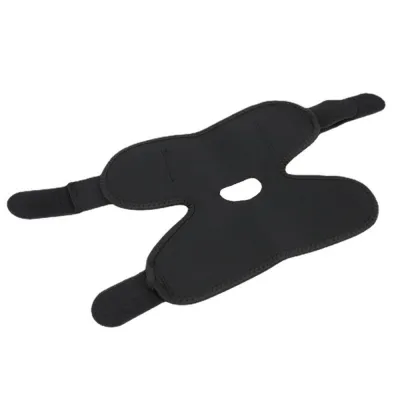
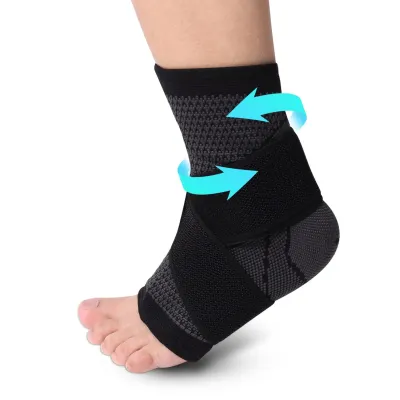
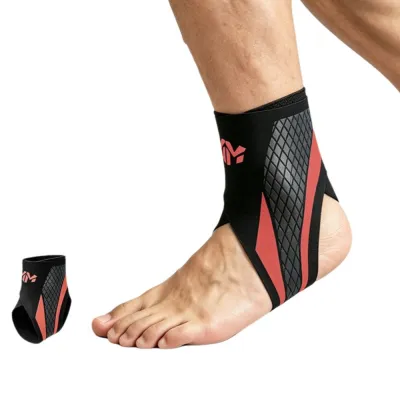
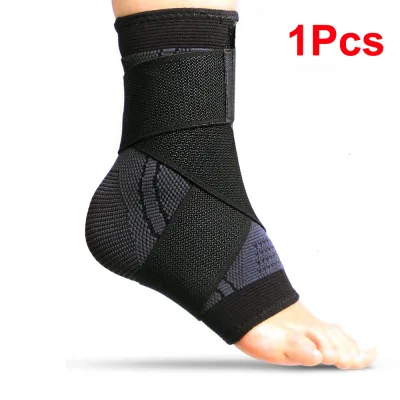
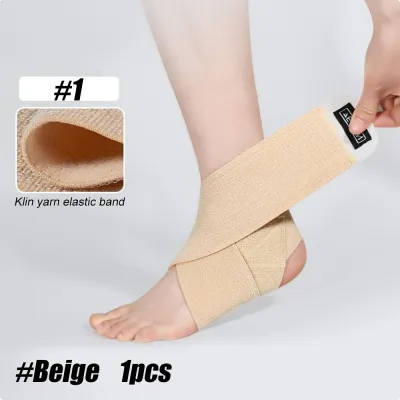
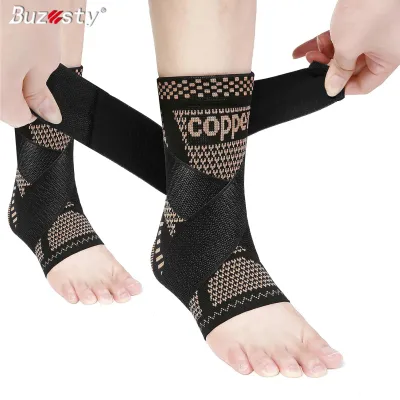
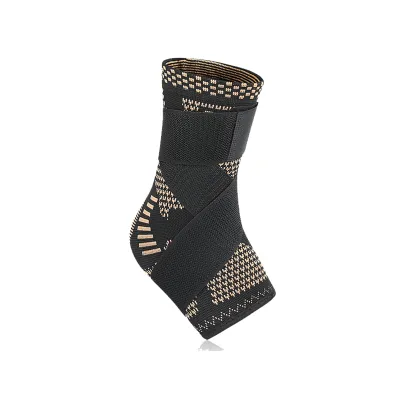
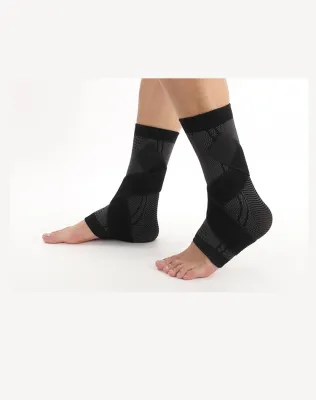
Prices are valid at publication and may change. Please refer to the product page for the latest price.
It is crucial to remember that support gear is designed to manage symptoms and aid recovery. External supports do not replace a formal medical diagnosis, targeted physical therapy, or biomechanical correction. If your running gait or footwear choices place excessive stress on your heel, a sleeve or brace will only mask the symptoms temporarily. Always pair your support gear with a comprehensive recovery plan that addresses the root cause of your tendon strain.
Achilles Tendon Sleeves: Mild Compression and Prevention
Achilles tendon sleeves are designed as slip-on fabric tubes that provide uniform, mild compression and thermal retention around the lower leg and ankle. These sleeves are typically made from breathable, elasticized knits or thin neoprene blends. By hugging the ankle, they promote local blood flow and increase proprioception, which is your body’s awareness of joint positioning. This gentle warmth and pressure help alleviate minor discomfort and keep the tendon pliable.

Sleeves are best suited for mild tendinopathy, morning joint stiffness, and pre-workout warm-ups. They are highly popular among athletes who want to prevent irritation during repetitive high-impact activities, such as basketball, running, or cross-training on hard court surfaces. Because they are lightweight and low-profile, they slide easily into standard athletic shoes and daily footwear without altering your shoe fit.
However, sleeves have distinct functional limitations. They lack rigid structural support, heel anchors, or adjustable tension straps, making them unsuitable for acute tears, severe instability, or moderate-to-severe tendon strains. If your tendon requires mechanical offloading to heal, a simple compression sleeve cannot provide the necessary structural lift.
To verify a proper fit, the sleeve must feel snug but comfortable. It should not cut off your circulation, cause your toes to feel cold, or bunch up behind the ankle joint. If the sleeve slides down during movement or leaves deep, painful indentations on your skin, you need to adjust the sizing. In humid conditions, look for moisture-wicking fabrics to prevent sweat accumulation and subsequent chafing.
Achilles Tendon Braces: Structured Stability and Active Recovery
Achilles tendon braces offer targeted, mechanical support for more significant tendon issues. Unlike simple sleeves, these braces often feature integrated silicone heel pads, gel inserts, or specialized strap systems. These components work together to slightly lift the heel, which physically shortens the Achilles tendon and reduces the mechanical strain placed on it during movement.
These braces are highly effective for moderate to severe tendinopathy, post-injury active recovery, and returning to sports with lingering weakness. By absorbing shock and limiting excessive ankle extension, a brace allows you to remain active without repeatedly overstretching the healing tissue. This makes them an excellent choice for structured rehabilitation programs under professional guidance.
The primary trade-off with structured braces is their physical bulk. They occupy significant space inside standard footwear, which may require you to loosen your laces or temporarily wear a slightly larger shoe. Additionally, the rigid components and thick straps can cause localized skin irritation or pressure points if worn too tightly for extended periods, especially during sweaty outdoor activities.
When applying a brace, always verify the manufacturer instructions for proper strap tension and heel pad placement. The heel inserts must sit squarely under your heel to provide the intended mechanical lift. Avoid over-tightening the straps in an attempt to get more support, as this can restrict blood flow and delay the natural healing process.
Achilles Tendon Wraps: Adjustable Compression and Swelling Control
Achilles tendon wraps consist of strap-based or bandage-style supports that allow you to manually dial in exact compression levels. Made from elastic, hook-and-loop compatible materials, these wraps can be customized to target specific areas of pain or swelling. This adaptability makes them highly versatile tools for early-stage injury management.
Wraps are the ideal choice for acute flare-ups, managing localized swelling, and accommodating users whose ankle volume fluctuates throughout the day. If your ankle swells significantly after standing or exercising, a wrap can be loosened or tightened as needed to maintain comfortable pressure. This customizable compression helps guide fluid away from the injured joint.
Despite their versatility, wraps have notable limitations during dynamic activities. They can loosen or shift during vigorous movement, requiring you to stop and re-adjust them periodically. The overlapping layers of fabric can also slip inside your shoes, making them less practical for high-intensity sports compared to form-fitting sleeves or structured braces.
To apply a wrap safely, always wrap from the foot upward toward the calf. This direction encourages lymphatic drainage and prevents fluid from becoming trapped in your lower extremity. If you experience any numbness, tingling, or a change in skin color, remove the wrap immediately and reapply it with lighter tension.
Comparing Sleeves, Braces, and Wraps
To help you visualize the differences, the following table compares the three support types across key decision dimensions:
| Feature | Achilles Tendon Sleeve | Achilles Tendon Brace | Achilles Tendon Wrap |
|---|---|---|---|
| Support Level | Mild / Compression | Moderate to High / Structural | Moderate / Adjustable |
| Adjustability | None (Fixed elastic fit) | Moderate (Strap & insert adjustments) | High (Fully customizable tension) |
| Best Use Case | Prevention, mild stiffness, warm-ups | Active recovery, moderate tendinopathy | Acute swelling, fluctuating inflammation |
| Shoe Compatibility | High (Fits easily in all shoes) | Low to Moderate (May require wider shoes) | Moderate (Can be bulky in tight shoes) |
| Maintenance | Easy (Machine or hand wash) | Moderate (Requires care for gel/silicone) | Easy (Hand wash to protect fasteners) |
This comparison highlights that no single support type is universally superior. Your choice should align with your current recovery stage and the specific physical demands of your daily routine.
Decision Framework: Which Support Should You Choose?
To finalize your decision, use this conditional framework to match your symptoms to the correct product category:
Choose an Achilles Tendon Sleeve if:
- You want lightweight prevention during high-impact sports.
- You experience mild morning stiffness that resolves quickly with movement.
- You need a low-profile option that fits seamlessly into your daily work or athletic shoes.
Choose an Achilles Tendon Brace if:
- You require mechanical offloading to reduce strain on a healing tendon.
- You are recovering from a moderate strain and returning to active sports.
- You need structured stability to prevent painful overstretching during movement.
Choose an Achilles Tendon Wrap if:
- You are managing acute swelling or a sudden flare-up.
- Your ankle size changes throughout the day due to fluid retention.
- You are resting, performing low-impact rehabilitation, or need customizable compression.
Neither option may fit your needs if you suspect a complete tendon rupture. If you experience severe, sudden pain, hear an audible “pop” at the back of the ankle, or cannot point your toes downward, do not attempt to self-treat with over-the-counter gear. Seek immediate medical evaluation instead.
Safety Limits and When to Seek Professional Care
While over-the-counter supports are valuable recovery aids, they have clear safety limits. You must monitor your ankle for red flags that indicate a more severe injury. An audible “pop” or “snap” at the back of your heel, followed by immediate swelling, severe bruising, or an inability to push off your foot when walking, points to a potential tendon tear. These symptoms require immediate clinical assessment by a healthcare professional.
Regularly perform skin and circulation checks while wearing any support product. If you notice cold toes, skin discoloration, numbness, or worsening pain, remove the support immediately. These signs indicate that the product is too tight or poorly fitted, which can restrict blood flow and damage peripheral nerves.
Finally, remember that external gear cannot fix underlying biomechanical flaws, muscle imbalances, or training errors. If you experience persistent pain despite using a support, consult a physiotherapist or doctor. They can help you develop a targeted strengthening program and analyze your movement patterns to ensure long-term, pain-free performance.
Frequently Asked Questions (FAQ)
Can I wear Achilles tendon support while sleeping?
Most standard compression sleeves and wraps are not recommended for use while sleeping. When you lie down, your blood pressure drops and your circulation slows, increasing the risk of restricted blood flow if a tight support shifts overnight. If you require overnight management for morning stiffness, specific night splints are designed for this purpose. Always check the product label and consult a healthcare professional before wearing any support product to bed.
How do I clean and maintain my Achilles support?
To prolong the life of your Achilles support and maintain proper skin hygiene, hand wash the product in cold water with a mild detergent. Avoid using bleach or fabric softeners, as these can degrade the elastic fibers and silicone components. Air dry the support flat and away from direct heat sources like sunlight or radiators. If your support features removable silicone pads or gel inserts, check the manufacturer instructions, as these parts may need to be wiped down separately.
Community discussion
Share your experience or ask a question. Comments are reviewed before publication.