
Selecting the right Achilles tendon support depends on your specific stage of recovery, the severity of your discomfort, and your daily physical demands. Whether you are recovering from a minor strain after a weekend basketball game on an outdoor concrete court or managing chronic stiffness aggravated by humid tropical weather, matching the support type to your condition is essential. A lightweight sleeve provides mild compression for daily movement, a structured brace offers rigid stabilization for moderate to severe injuries, and an adjustable wrap allows you to customize tension to manage fluctuating swelling.
Before choosing any support, it is vital to recognize that orthopedic gear cannot replace proper physical rehabilitation, strength training, or professional medical judgment. If you experience a sudden, sharp “pop” in the back of your heel, severe pain, immediate swelling, or an inability to bear weight on your foot, stop all activity immediately. These are red flags for a complete tendon tear, which requires urgent medical evaluation rather than self-treatment with a retail support.
Understanding Your Achilles Tendon Condition and Support Needs
To select the most effective Achilles tendon support, you must first evaluate the nature of your discomfort and your daily environment. Achilles issues generally fall into three categories: mild tendinopathy or early-stage stiffness, moderate strains or partial micro-tears, and severe tears or post-surgical recovery phases. Each category demands a different level of immobilization and compression to facilitate healing without causing secondary muscle weakness.
Products mentioned in this guide
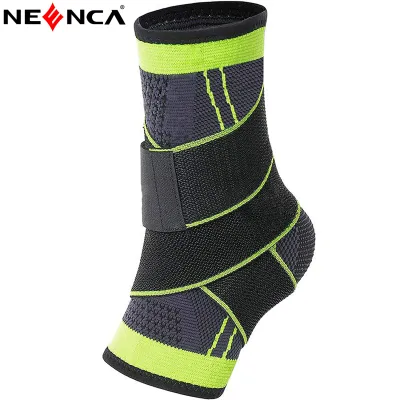
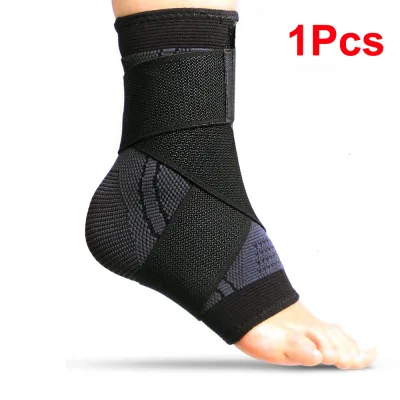
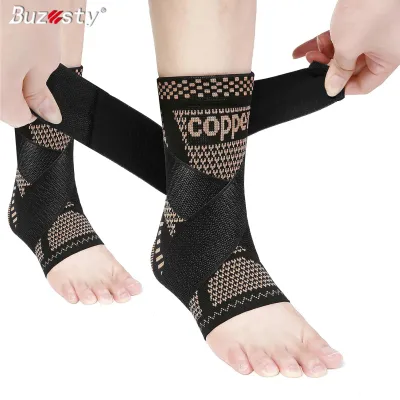
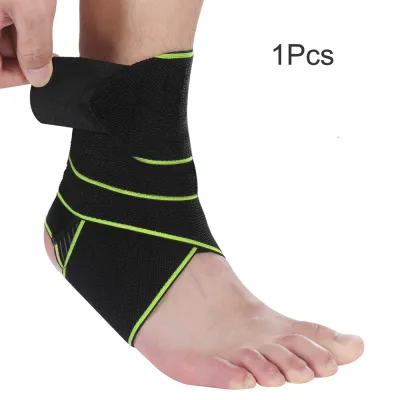
Prices are valid at publication and may change. Please refer to the product page for the latest price.
Your daily activities also dictate the type of support you need. If your routine involves high-impact sports like badminton, running on asphalt, or jumping, your tendon requires dynamic shock absorption and lateral stability. Conversely, if you primarily need support for walking during a humid commute or standing for long periods at work, breathability and comfort inside your standard footwear become your primary selection criteria.
Environmental factors in tropical regions like the Philippines play a significant role in how a support performs. High humidity and heat accelerate sweat production, which can lead to skin maceration, fungal infections, or severe chafing under tight neoprene materials. Therefore, matching your activity level with the correct material breathability is just as critical as choosing the structural design itself.
Achilles Tendon Sleeves: Mild Compression and Prevention
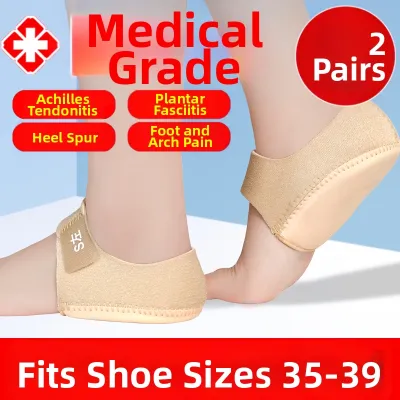
Achilles tendon sleeves are lightweight, elastic garments designed to slip over the foot and ankle like a sock. They typically utilize knitted elastic fabrics or thin neoprene to provide uniform, circumferential compression around the lower leg and ankle joint. This compression helps retain local therapeutic heat, which can improve blood circulation and ease minor morning stiffness in the tendon.

These sleeves are ideal for individuals dealing with mild tendinopathy, early-stage soreness, or those seeking preventive support during active sports. Because they have a slim, low-profile design, they fit easily into most athletic shoes, school shoes, or work boots without altering your gait or requiring you to buy larger footwear. They are highly favored by runners and court athletes who want light reassurance without restricting their natural range of motion.
However, sleeves have distinct limitations. They do not feature adjustable straps, meaning you cannot increase tension on specific areas of the tendon or accommodate sudden swelling. Furthermore, they offer minimal structural stabilization, making them unsuitable for acute, moderate-to-severe strains where the tendon must be mechanically offloaded to heal. In hot climates, wearing a non-breathable sleeve for extended periods can trap moisture, so look for models specifying moisture-wicking knit technology.
Achilles Tendon Braces: Structured Support for Moderate to Severe Injuries
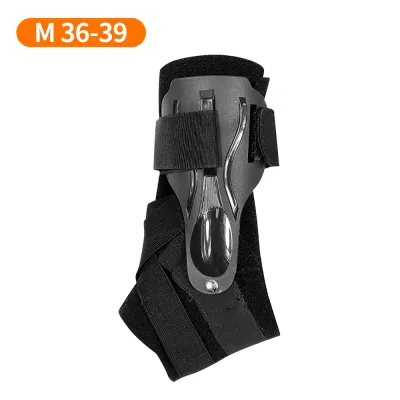
Achilles tendon braces are highly structured devices engineered to provide mechanical stabilization and targeted offloading. They often incorporate semi-rigid or rigid plastic inserts, adjustable strapping systems, and integrated heel lifts. The primary mechanical goal of a brace is to slightly elevate the heel, which shortens the Achilles tendon and reduces the tension placed on it during walking or standing.
A brace is the appropriate choice for moderate strains, severe chronic tendinopathy, or the transition phase of post-surgical recovery. If your physician has cleared you to walk but advised against stretching or overloading the tendon, a structured brace provides the physical barrier needed to prevent excessive dorsiflexion (the upward bending of the foot). This mechanical restriction protects the healing fibers from sudden, damaging stretches.
The trade-off for this high level of protection is bulk and restricted mobility. Braces are significantly larger than sleeves and often require you to wear adjustable athletic shoes or orthopedically accommodating footwear. They can also feel heavy and hot during warm-weather use. When selecting a brace, verify the manufacturer’s sizing chart carefully, as an improperly fitted brace can rub against the heel, causing painful blisters or localized pressure sores.
Achilles Tendon Wraps: Adjustable Compression for Swelling and Custom Fit
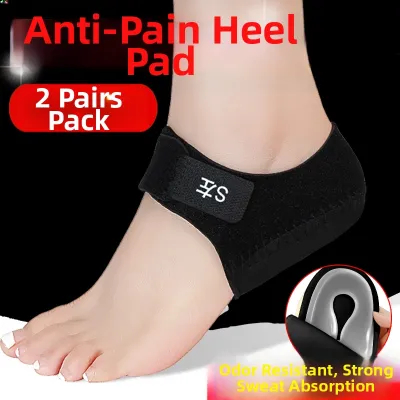
Achilles tendon wraps consist of a long strap or a series of interlocking bands made from elasticized materials, secured with hook-and-loop closures. Unlike pre-shaped sleeves, a wrap allows you to control exactly where and how tightly the compression is applied. Many designs feature an open-heel configuration, which can reduce pressure directly on a sensitive heel bump while focusing compression on the lower calf and mid-tendon area.
Wraps are exceptionally useful during the acute phase of an injury when swelling fluctuates throughout the day. As swelling decreases, you can tighten the wrap to maintain consistent compression; if your ankle swells after standing, you can loosen it to prevent blood flow restriction. This adjustability also makes wraps highly adaptable to different foot shapes, high arches, or wide ankles that might not fit comfortably into standard sleeves.
The primary limitation of a wrap is its dependency on proper application technique. Wrapping too tightly can restrict arterial circulation or venous return, leading to cold toes, numbness, or increased swelling below the wrap. Additionally, the hook-and-loop straps can shift or loosen during high-impact running or jumping, requiring frequent readjustment. For active sports, a wrap may not provide the reliable, continuous tension that a sleeve or structured brace offers.
Comparison Matrix: Choosing the Right Achilles Tendon Support
To help you decide which support type aligns with your current physical condition and daily needs, review the comparison framework below.
| Support Type | Injury Severity | Adjustability | Activity Level | Footwear Compatibility | Primary Benefit |
|---|---|---|---|---|---|
| Sleeve | Mild / Prevention | None (Slip-on) | High (Running, Sports) | Excellent (Fits in standard shoes) | Warmth, mild compression, low profile |
| Brace | Moderate to Severe | High (Straps/Lifts) | Low to Moderate | Limited (Requires roomy shoes) | Mechanical offloading, rigid stability |
| Wrap | Acute / Fluctuating | High (Customizable) | Moderate | Moderate (Slightly bulky) | Swelling management, custom tension |
Use these simple decision rules to guide your final selection:
- Choose a sleeve if you experience mild morning stiffness, want to prevent injury during active sports, and require a low-profile option that fits easily inside your regular athletic shoes.
- Choose a brace if you have moderate to severe pain when walking, need to physically limit your ankle's range of motion, or require a heel lift to take tension off a healing tendon.
- Choose a wrap if you are managing acute swelling that changes throughout the day, have a unique foot shape that makes slip-on sleeves uncomfortable, or need targeted compression.
Before purchasing, check the product packaging or online specifications to verify if the item is classified as a medical-grade support or a general athletic accessory. If you are recovering from a significant injury, always consult a physical therapist or orthopedic specialist to confirm that your chosen support matches your specific rehabilitation protocol.
Proper Usage, Care, and Safety Boundaries
Using an Achilles support correctly is vital to prevent secondary complications. When applying any sleeve, brace, or wrap, perform a quick circulation check: ensure your toes remain warm, retain their natural color, and do not experience any tingling, numbness, or throbbing. If you notice any of these signs, loosen the support immediately or remove it entirely.
Proper hygiene and maintenance are critical, especially in humid tropical climates. Sweat, dead skin cells, and bacteria accumulate rapidly in the fabric, which can cause skin breakdown or fungal infections. Hand wash your support regularly using mild soap and cool water, then allow it to air dry completely in a shaded, well-ventilated area. Avoid using a clothes dryer or exposing the support to direct, intense tropical sunlight, as high heat degrades the elastic fibers and weakens hook-and-loop fasteners.
Always establish clear stop conditions for your self-treatment. If your pain worsens while wearing the support, if you develop skin rashes or open sores from friction, or if your mobility does not improve after a few weeks of consistent use, discontinue use immediately. Consult a healthcare professional to obtain a precise diagnosis and a structured physical therapy plan.
Frequently Asked Questions (FAQ)
Can I wear an Achilles tendon support all day?
You should generally avoid wearing compression sleeves or wraps continuously throughout the day and night unless specifically instructed by a medical professional. Prolonged, uninterrupted compression can restrict local blood circulation and cause your ankle-stabilizing muscles to become reliant on external support, potentially weakening them over time. Take regular breaks by removing the support when resting, sleeping, or elevating your leg.
Should I wear the support on both feet if only one is injured?
No, you should only wear the support on the injured foot unless a physiotherapist advises otherwise. Wearing a bulky support or a heel-elevating brace on only one side can slightly alter your gait, but wearing unnecessary support on a healthy ankle can restrict its natural movement and lead to compensatory strain on your knees or hips. Focus on rehabilitating the injured side while keeping the healthy leg unencumbered.
Do I need a heel lift insert with my Achilles support?
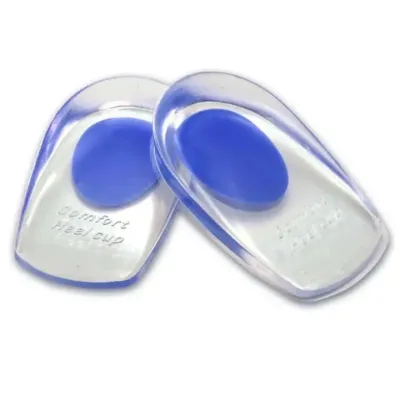
A heel lift is highly beneficial for moderate to severe Achilles tendinopathy because it physically shortens the tendon, reducing the mechanical strain during the push-off phase of walking. Some structured braces come with integrated heel lifts, while sleeves and wraps typically do not. If your support does not include one, check with a specialist to see if adding a temporary, dual-lateral heel lift to both of your shoes is appropriate to keep your pelvis balanced.
Community discussion
Share your experience or ask a question. Comments are reviewed before publication.