
Selecting an adjustable hula hoop in the Philippines requires a clear understanding of your personal fitness goals, your physical measurements, and the unique environmental conditions of a tropical climate. With the rise of home-based fitness routines, these versatile tools have become popular for core conditioning and cardiovascular workouts. However, choosing the right model involves more than simply picking a colorful design from an online marketplace. You must evaluate the structural integrity of the equipment, the durability of its materials under humid conditions, and how its adjustability features align with your specific training objectives.
Before making a purchase, it is essential to distinguish between the two primary types of adjustable hoops available on the market: traditional segmented weighted hoops and smart adjustable hoops. Each type utilizes a different mechanical structure and load path to engage your muscles. By understanding these differences and knowing what specifications to verify on product pages, you can make an informed decision that ensures both safety and effectiveness during your workouts.
Understanding Adjustable Hula Hoops for Your Fitness Goals
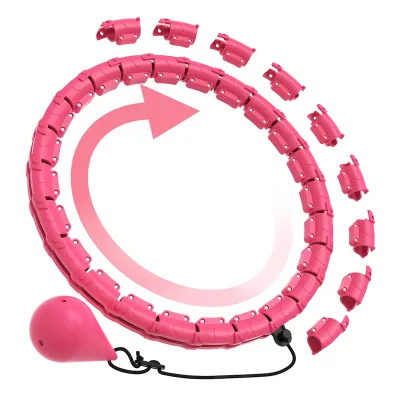
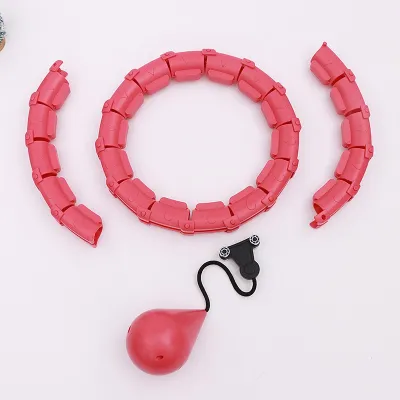
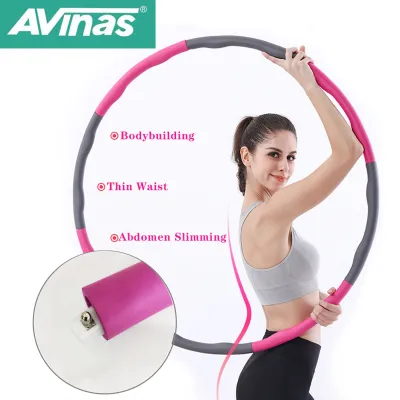
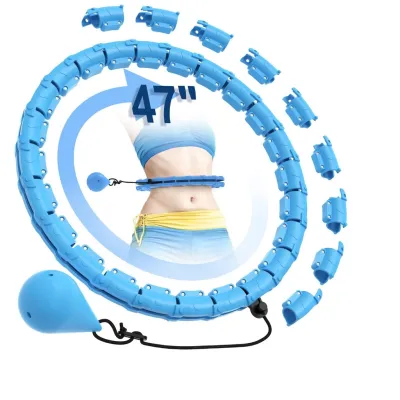
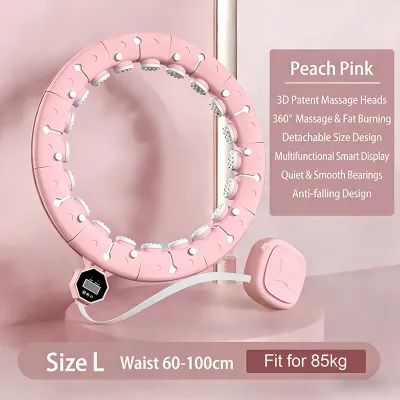
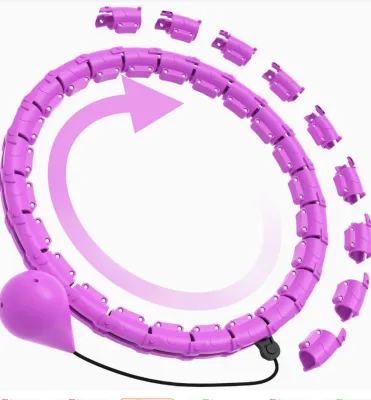
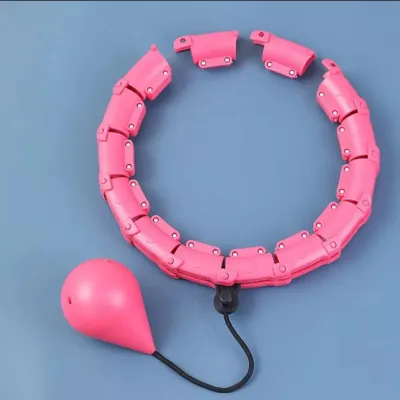
To make an informed choice, you must first resolve the exact equipment type you need, as their structures and intended uses differ significantly. Traditional segmented hula hoops consist of multiple curved sections that lock together to form a large, continuous ring. The entire hoop rotates around your torso, requiring coordinated hip and core movements to maintain momentum. In contrast, smart adjustable hula hoops fit snugly around your waist like a belt. They feature an integrated track where a weighted ball, attached by a cord, rotates around your body as you move your hips.
Products mentioned in this guide
Prices are valid at publication and may change. Please refer to the product page for the latest price.
These two designs distribute weight and resistance differently. Segmented hoops provide direct, distributed impact against your core muscles as the hoop spins, which can help build localized endurance and coordination. Smart hoops isolate the rotational movement, allowing you to focus on continuous cardiovascular output without the risk of the hoop falling to the floor. This makes smart hoops highly accessible for beginners who struggle with the coordination required for traditional hooping.
When aligning these tools with your fitness objectives, it is helpful to distinguish between core strengthening and waist training. Core strengthening focuses on stabilizing the spine, engaging the deep transverse abdominis, and challenging the obliques through controlled, multi-directional movements. Waist training, in the context of hula hooping, refers to sustained cardiovascular exercise aimed at burning calories and toning the midsection through consistent, high-momentum rotation.
Regardless of the design you choose, it is important to maintain realistic expectations. An adjustable hula hoop is an excellent tool for active recovery, cardiovascular conditioning, and core engagement, but it is not a standalone solution for localized fat loss. Physical conditioning relies on a combination of consistent training, progressive overload, and a balanced diet.
Key Features to Check Before Buying
Evaluating product specifications on e-commerce platforms requires a systematic approach to ensure the hoop fits your body and will withstand regular use. The first specification to verify is the adjustability range. For segmented hoops, this is determined by the number of detachable segments, which dictates the overall diameter. For smart hoops, it refers to the minimum and maximum waist measurements the belt can accommodate.

To find your correct size, use a flexible measuring tape to measure your natural waist at its narrowest point, typically just above the belly button. Compare this measurement directly to the manufacturer’s sizing chart. A hoop that is too loose will slip down your hips, while one that is too tight can restrict breathing and cause discomfort during exercise. Ensure the product description explicitly lists the maximum waist circumference in centimeters or inches.
Material composition is another critical factor, especially in the warm and humid climate of the Philippines. Many segmented hoops feature an outer cover made of high-density foam, such as NBR (Nitrile Butadiene Rubber) or EVA (Ethylene-Vinyl Acetate), wrapped over a plastic or metal core. While foam provides a cushioned barrier that reduces the impact on your torso, low-quality foam can degrade quickly when exposed to sweat and humidity. Look for moisture-resistant, non-porous foam coatings that are easy to wipe clean. For smart hoops, prioritize high-strength ABS plastic for the track and rollers to ensure smooth, friction-free movement that won’t jam during high-speed rotations.
Weight configurations directly influence the intensity of your workout. Segmented hoops often allow you to add weight by filling the hollow core of the segments with sand, rice, or steel balls, or they may come pre-weighted. Adding weight increases the rotational momentum, making the hoop easier to keep aloft once spinning, but it also increases the impact force on your body. Beginners should start with lighter configurations to allow their muscles and connective tissues to adapt to the repetitive contact.
Building Your Shortlist: Core Workouts vs. Waist Training
A single hula hoop configuration is rarely optimized for both targeted core isolation and high-intensity cardiovascular training. Core workouts often require slower, highly controlled movements that force your abdominal muscles to contract deeply to maintain the hoop’s path. Conversely, waist training routines rely on rapid, continuous rotations to elevate your heart rate and sustain a cardio zone.
To help you filter your options, consider the primary characteristics suited for each fitness path:
| Feature | Core Strengthening Setup | Waist Toning & Cardio Setup |
|---|---|---|
| Equipment Type | Segmented Weighted Hoop | Smart Adjustable Hoop |
| Weight Profile | Light to Moderate (1.2kg – 1.5kg) | Adjustable Centrifugal Weight |
| Fit Style | Slightly larger diameter for slower rotation | Snug waist fit with adjustable cord length |
| Primary Focus | Muscle activation and coordination | Sustained heart rate and endurance |
Adjustability and Fit for Core Strengthening
For core strengthening, a segmented hoop with a slightly larger diameter is often preferred because it rotates more slowly, giving you more time to react and engage your abdominal muscles. This slower rotation requires deliberate, powerful hip thrusts to keep the hoop moving, which maximizes the activation of your obliques and transverse abdominis.
When selecting a segmented hoop for core work, pay close attention to the locking mechanisms. The segments must connect with a secure, audible click-lock or push-button system. Any play or wobbling at the joints can cause the hoop to warp during dynamic, multi-directional movements, which disrupts your rhythm and can lead to uneven force distribution on your spine.
Keep the weight moderate during core-focused sessions. Using an excessively heavy hoop for prolonged isolation exercises can lead to bruising of the soft tissues around your abdomen and lower back. A lighter, well-balanced hoop forces your muscles to do the work of maintaining elevation, rather than relying on heavy momentum.
Weight and Material Considerations for Waist Toning
If your primary goal is waist toning through high-intensity cardio, a smart adjustable hoop is highly effective. Because the belt fits snugly around your waist, you do not have to worry about the hoop falling, allowing you to maintain a continuous, uninterrupted cardiovascular pace.
To increase the intensity of a smart hoop workout, you can adjust the momentum by shortening or lengthening the cord holding the weighted ball, or by adding weight to the ball itself if the model allows. A longer cord increases the rotational radius, requiring more effort and core stability to spin, while a heavier ball increases the overall resistance.
Because smart hoops involve rapid mechanical rotation, the interior of the waist belt should feature padded shock-absorbing nodes. These spring-loaded massage points help distribute the centrifugal force of the rotating weight, protecting your skin and muscles from repetitive impact. Ensure the joints of the track are perfectly flush; any gaps can cause the roller to catch, interrupting your workout and putting sudden stress on your hips.
Safety, Setup, and Usage Boundaries
Prioritizing safety during assembly and use is essential to prevent injury and protect your surroundings. Before every workout, perform a thorough physical check of your equipment. For segmented hoops, press firmly on every joint to ensure the locking pins are fully engaged and flush with the surface. For smart hoops, verify that the track segments are securely latched and that the weighted ball’s cord is free of fraying or wear.
Establish a safe workout environment by clearing a dedicated space. You need a minimum clearance radius of 1.5 to 2 meters in all directions, free of furniture, walls, electronics, pets, and other people. This is especially critical when using smart hoops, as the rotating weighted ball swings outward with significant force and can cause injury or property damage if it strikes an object.
Listen to your body’s signals and establish clear stop conditions. While mild muscle soreness is a normal response to a new exercise routine, you should stop immediately if you experience sharp pain, severe bruising, joint discomfort, or dizziness. Repetitive impact on the lower back or abdomen can exacerbate pre-existing spinal conditions. If you have a history of back pain, hernia, or joint instability, consult a qualified healthcare professional before starting a hula hoop regimen.
In the humid Philippine climate, proper storage is also a safety consideration. Sweat left on foam padding can encourage the growth of bacteria and mold. Always wipe down your equipment after use and allow it to dry completely in a well-ventilated, shaded area before storing it away from direct sunlight, which can degrade plastic and foam over time.
Where to Shop and What to Verify on Product Pages
When browsing online marketplaces in the Philippines, navigating product listings requires a critical eye to avoid low-quality counterfeits. Start by evaluating the seller’s reputation. Look for stores with high positive ratings, a history of prompt customer service, and a substantial number of completed transactions.
Read verified customer reviews carefully, filtering for feedback that mentions long-term durability. Pay close attention to reviews that discuss the locking mechanisms of segmented hoops or the smoothness of the track on smart hoops. If multiple buyers report that the segments fly apart during use or that the plastic rollers crack after a few weeks, avoid that product.
Compare prices in ₱ across different sellers, but remember that the cheapest option is rarely the safest or most durable. High-quality adjustable hoops typically range from ₱500 to ₱1,800, depending on the materials and included accessories. Factor in shipping costs and check if the seller offers a reasonable return policy or warranty for manufacturing defects.
Be skeptical of exaggerated marketing claims. Red flags on product pages include promises of rapid, effortless weight loss, unverified medical endorsements, or listings that omit crucial specifications like maximum weight capacity, segment materials, and diameter measurements. A reliable product listing will provide clear, technical specifications and honest usage guidelines.
Frequently Asked Questions (FAQ)
Can I use an adjustable hula hoop if I am a beginner?
Yes, adjustable hula hoops are highly suitable for beginners because they can be customized to match your current fitness level. If you are using a traditional segmented hoop, starting with a slightly larger diameter makes the rotation slower and easier to control, though you should keep the weight light to avoid bruising. If you are using a smart adjustable hoop, the learning curve is minimal because the hoop cannot fall; you can start with a shorter cord length to make the rotation tighter and easier to manage as you build your rhythm and core coordination.
How do I clean and maintain the foam padding on my hula hoop?
To maintain hygiene and preserve the material, wipe down the foam padding after every workout using a soft cloth dampened with water and a small amount of mild dish soap. Avoid using harsh chemical cleaners, alcohol, or abrasive scrubs, as these can dry out and crack the foam. Once wiped clean, lay the segments flat in a well-ventilated, shaded indoor area to air-dry completely. Never leave the foam segments in direct sunlight or store them while damp, as this can lead to mold growth and material degradation.
Community discussion
Share your experience or ask a question. Comments are reviewed before publication.