
Setting up a functional strength training space in a compact Philippine condominium or apartment requires a deliberate approach to equipment selection. When floor space is limited, choosing a hybrid adjustable weight—often referred to as a kettle dumbbell—allows you to perform both ballistic kettlebell movements and structured dumbbell lifts without crowding your living area with multiple racks of cast-iron weights. The ideal solution for a small home gym is an adjustable system that balances mechanical security, ergonomic grip comfort, and a compact storage footprint. By understanding how these hybrid systems function and evaluating their mechanical designs, you can build a highly versatile workout space that fits seamlessly into your daily routine.
Why Combine Kettlebell and Dumbbell Functions in a Compact Gym
Urban living in major Philippine cities often means maximizing every square meter of your home. Storing a complete set of traditional, fixed-weight kettlebells and dumbbells requires significant floor space, which is rarely practical in a studio apartment or a cozy condominium. A hybrid adjustable kettle dumbbell solves this spatial challenge by consolidating an entire range of resistance levels into a single, compact unit. Instead of dedicating an entire wall or corner to a multi-tier weight rack, you only need to allocate enough space for a single base plate or storage cradle. This dramatic reduction in physical clutter makes it much easier to maintain a clean, organized living environment while still enjoying the benefits of a fully equipped home gym.
Beyond the obvious space savings, a hybrid adjustable weight offers exceptional versatility for dynamic home workouts. With a single piece of equipment, you can seamlessly transition from high-velocity ballistic movements like kettlebell swings and cleans to controlled, linear strength exercises like overhead presses, bicep curls, and floor rows. This adaptability is particularly beneficial for circuit training and high-intensity interval workouts, where keeping your heart rate elevated depends on quick transitions between different movement patterns. By bridging the gap between the off-center gravity of a kettlebell and the balanced, dual-sided load of a dumbbell, these hybrid tools allow you to target multiple muscle groups and energy systems in a single session.
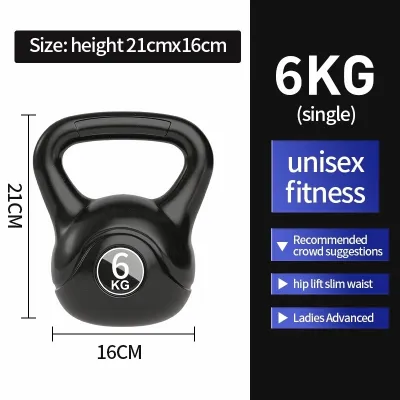
Products mentioned in this guide
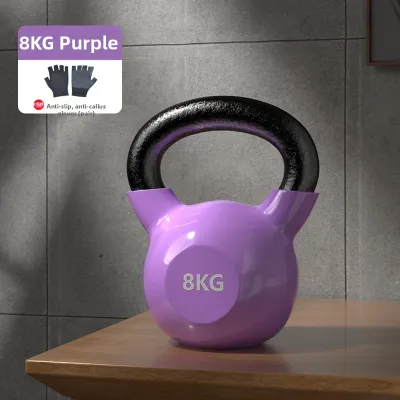
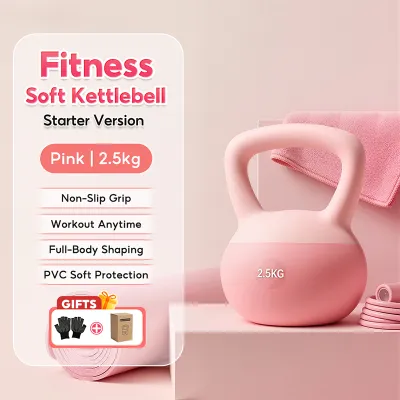

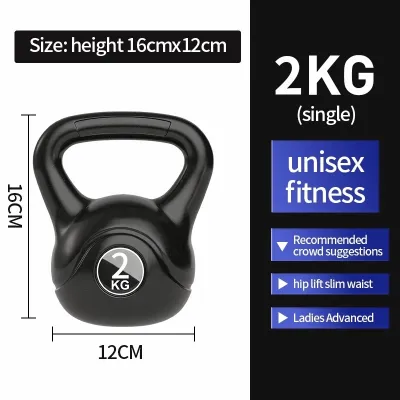
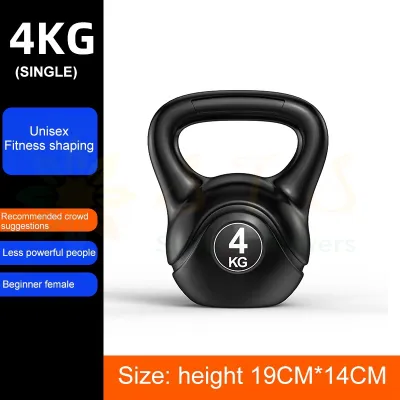
Prices are valid at publication and may change. Please refer to the product page for the latest price.
However, it is essential to recognize the inherent design limitations of hybrid adjustable weights before making a purchase. Because these units must accommodate multiple plates and adjustment mechanisms, they often feature a bulkier, wider profile than traditional, single-piece competition kettlebells. This increased volume can alter the natural path of the weight during complex, close-body movements such as snatches or overhead lockouts, occasionally causing the outer shell to bump against your forearms. Additionally, the mechanical complexity of adjustable systems means they cannot be dropped or handled as roughly as solid cast-iron weights. Understanding these trade-offs is crucial for setting realistic expectations and adjusting your lifting technique to ensure both safety and longevity of the equipment.
Core Specifications to Evaluate for Small Spaces
When assessing different adjustable kettle dumbbells for a compact home gym, the maximum and minimum weight capacities should be your primary consideration. You must select a model that not only matches your current strength levels for various exercises but also provides room for progressive overload as your fitness improves. For instance, a unit that adjusts from 4 kilograms to 18 kilograms offers a highly versatile range for both light, high-repetition shoulder presses and heavier, lower-body deadlifts or swings. Ensure the weight increments are small enough—ideally in steps of 1 to 2 kilograms—to allow for smooth, manageable progressions without hitting plateaus too quickly.

The physical footprint of the storage cradle or base plate is another critical dimension that dictates how easily the equipment integrates into your living space. Before purchasing, measure the exact dimensions of the area where you plan to store the weight when it is not in use, such as under a bed frame, inside a utility closet, or in a designated corner of your living room. Some models feature a vertical stacking design that minimizes floor space, while others utilize a wider, horizontal cradle that may require more flat surface area. Choosing a model with a secure, low-profile base not only keeps your home tidy but also prevents the weight plates from rolling or shifting when stored on slightly uneven flooring.
Additionally, the speed, clearance, and reliability of the adjustment mechanism play a vital role in the overall quality of your workouts. Common designs include top-mounted dials, selector pins, and rotating handles that lock specific plates into place. During fast-paced workouts, a mechanism that requires tedious manual disassembly or struggles to align properly can disrupt your momentum and lower your training consistency. Look for systems that feature clear, high-visibility weight markings and a smooth, tactile click that confirms the plates are securely locked. The dial or pin should have sufficient clearance from the handle to prevent your hands from accidentally rubbing against the adjustment interface during active use.
Matching the Grip and Handle Design to Your Exercises
The handle of an adjustable kettle dumbbell is the primary interface between your body and the load, making its design critical for both safety and comfort. For traditional kettlebell exercises like two-handed swings, the handle must be wide enough to accommodate both of your hands comfortably without pinching your fingers. Conversely, for dumbbell-style movements like chest presses or overhead extensions, a straight, centrally balanced grip is preferred to ensure even weight distribution across your palm. Evaluate the handle’s curvature and diameter carefully; a handle that is too thick can prematurely fatigue your forearm grip, while one that is too thin may feel unstable under heavier loads.
In the warm and humid climate of the Philippines, managing sweat during a workout is a constant challenge that directly impacts your grip security. Smooth plastic or polished chrome handles can quickly become dangerously slick when wet, increasing the risk of the weight slipping from your hands mid-swing. To mitigate this, look for handles finished with a textured powder coating or a moderate knurling pattern that provides reliable friction without being overly abrasive to your skin. If you plan to train in a non-air-conditioned space or a semi-outdoor balcony, prioritizing a sweat-resistant, high-traction handle surface is essential for maintaining control during high-velocity movements.
Furthermore, you must consider how the center of gravity shifts as you adjust the weight increments on a hybrid model. Traditional kettlebells are designed with the mass concentrated below the handle, creating a distinct pendulum effect during ballistic swings. Some adjustable hybrids maintain this low center of gravity by stacking plates vertically at the bottom, while others distribute the weight more evenly along the sides like a standard dumbbell. Understanding how these shifts affect the balance of the weight during transitions is key to executing proper form. If a hybrid model carries its weight too high or too wide, you will need to adjust your wrist positioning and movement arc to prevent unnecessary strain on your joints.
Safety Boundaries and Pre-Workout Inspection Checks
Engaging in strength training with adjustable weights requires strict adherence to safety protocols, as mechanical failure can lead to severe injury or significant property damage. Unlike solid, single-piece cast-iron weights, adjustable systems rely on internal gears, pins, or locking plates to hold heavy components suspended above your body. Before beginning any workout session, establish a non-negotiable routine of inspecting the entire unit. This physical check takes only a few moments but serves as your primary defense against mechanical failure during dynamic movements.
Begin your pre-workout inspection by verifying that the locking mechanism, dial, or selector pin is fully and securely engaged at your desired weight setting. Give the handle a firm upward tug while the unit is still in its cradle to ensure that only the selected plates lift out and that no loose plates are clinging precariously to the stack. Visually inspect the adjustment dial and the plastic or metal housing for any signs of hairline cracks, structural warping, or excessive wear on the gear teeth. If you notice any loose components, rattling sounds, or visible damage to the structural frame, do not attempt to lift the weight.
During your workout, pay close attention to how the mechanism feels during transitions and active lifts. If the adjustment dial begins to stick, fails to produce a clear, audible click when locking, or feels unusually loose, stop your exercise immediately. Never attempt to force a jammed mechanism or use the weight if you suspect the locking system is compromised. Remember that no piece of equipment can replace sound physical judgment and proper lifting technique; if a movement feels unstable or if the equipment shows signs of mechanical fatigue, pause your session and address the issue before proceeding.
Building Your Shortlist: Criteria for Online and In-Store Purchases
When you are ready to purchase an adjustable kettle dumbbell, navigating online marketplaces and local fitness retailers requires a structured evaluation framework. Start by examining the manufacturer’s warranty terms in detail, focusing specifically on what components are covered. A reliable warranty should explicitly cover the internal mechanical parts, adjustment dials, and locking pins for at least one year, rather than just covering basic cosmetic defects. Because these mechanical parts bear the brunt of the physical stress during workouts, robust warranty support is a strong indicator of the manufacturer’s confidence in their product’s durability.
Additionally, prioritize sellers and retail platforms that offer clear, customer-friendly return policies. Because you cannot fully assess the ergonomics, handle thickness, or adjustment smoothness from an online listing, having the option to test the weight’s physical feel at home is incredibly valuable. Look for return policies that allow you to return or exchange the item if the grip does not suit your hand size or if the balance feels awkward during basic movements. When testing the unit at home, keep all original packaging intact and perform gentle, controlled movements on a padded mat to avoid scratching the surfaces before you commit to keeping it.
Finally, always verify the authorization and reputation of the seller to avoid purchasing counterfeit or poorly manufactured replica weights. The market is often flooded with cheap, unbranded imitations that mimic the appearance of premium adjustable weights but use inferior plastics and weak internal locking pins. These counterfeit units pose a severe safety hazard, as their locking mechanisms can easily fail under the centrifugal force of a heavy swing. Purchase exclusively from official brand stores, authorized local distributors, or highly rated sellers on reputable ecommerce platforms who can provide verifiable proof of authenticity and reliable customer service.
Frequently Asked Questions (FAQ)
Can I safely perform heavy kettlebell swings with an adjustable hybrid model?
Yes, you can perform kettlebell swings with an adjustable hybrid model, provided you strictly adhere to the manufacturer’s specified weight limits and exercise guidelines. Before attempting dynamic, high-impact ballistic movements, verify that the locking mechanism is fully engaged and that the plates are completely secure with zero play or rattling. It is critical to avoid drop-and-catch movements or releasing the weight mid-air, as the sudden impact can shatter the internal gears or plastic housings of an adjustable unit. If your training progression leads you to heavy, high-velocity swings exceeding 20 kilograms, or if you practice advanced kettlebell sport flows, you should transition to a solid, single-piece cast-iron or competition kettlebell to ensure absolute safety and structural integrity.
How do I maintain the adjustment mechanism in a humid climate?
Maintaining an adjustable kettle dumbbell in the humid tropical climate of the Philippines requires consistent, preventative care to prevent rust and mechanical jamming. After every workout, immediately wipe down the handle, plates, and adjustment dial with a dry microfiber cloth to remove sweat, skin oils, and ambient moisture. Avoid using heavy liquid lubricants, wet oils, or WD-40 on the internal gears, as these substances attract household dust and pet hair, creating a sticky grime that can clog and jam the dial mechanism over time. Store your adjustable weight in a dry, well-ventilated indoor area, keeping it off damp concrete floors and away from open balconies where rain spray or high humidity can accelerate corrosion on the metal plates and internal springs.
Community discussion
Share your experience or ask a question. Comments are reviewed before publication.