
Selecting the right dumbbell set for your home gym is a foundational decision that directly shapes your daily workout experience. The choice between an adjustable and a fixed dumbbell set depends on your available space, budget, and training style. If you have limited space and want a wide range of weights in a single footprint, an adjustable set is ideal. If you prioritize rapid weight transitions, extreme durability, and have room for a dedicated rack, a fixed set is the better option.
In residential settings across the Philippines, where urban condo living or compact townhomes often limit extra floor space, physical footprint is a primary constraint. Additionally, the local tropical climate brings high humidity, which can accelerate wear and rust on fitness equipment if not properly managed. Understanding how these two equipment types perform under daily use will help you make a practical investment that supports your long-term fitness goals.
Core Differences Between Adjustable and Fixed Dumbbell Sets
To choose the right dumbbell set, you must first understand how their mechanical designs differ. Adjustable dumbbells consolidate multiple weight increments into a single pair of handles. They utilize various mechanical systems, such as dials, selector pins, or spin-lock collars, to secure a specific number of weight plates to the handle. When you select a weight, the mechanism locks the chosen plates in place while leaving the remaining plates in a storage cradle.
Products mentioned in this guide
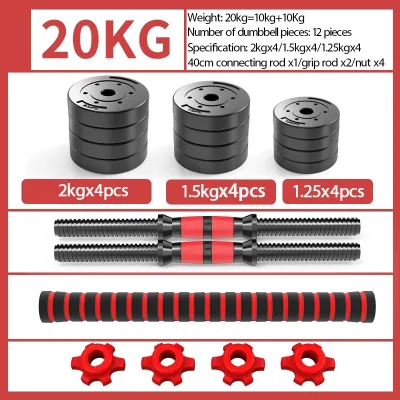
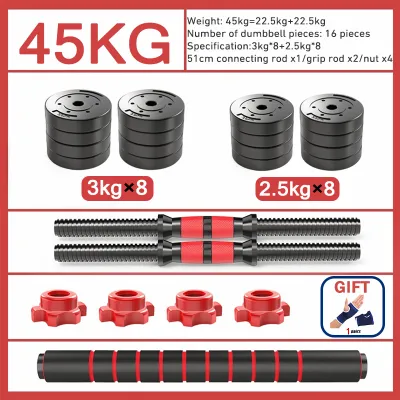
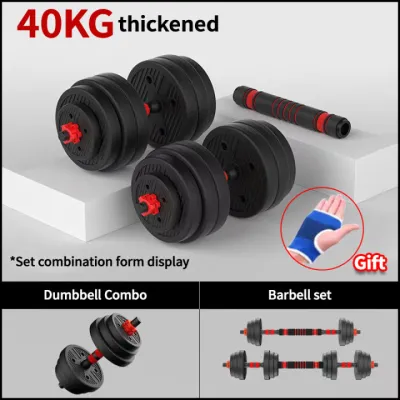
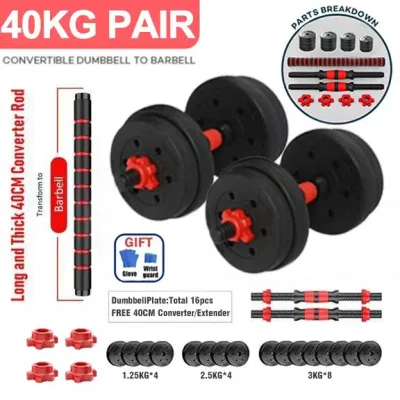
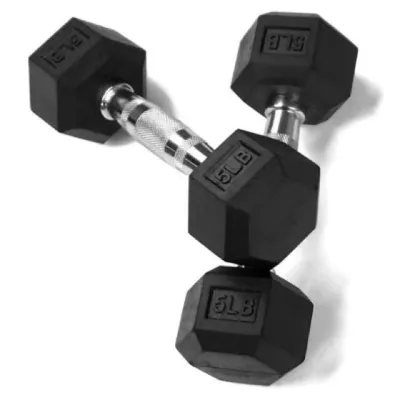
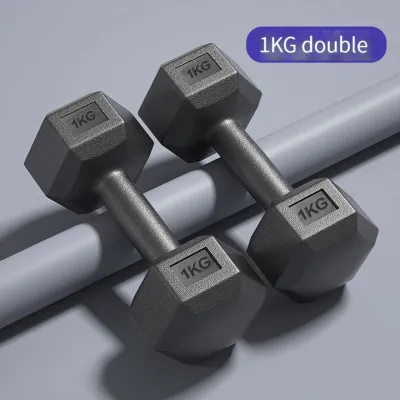
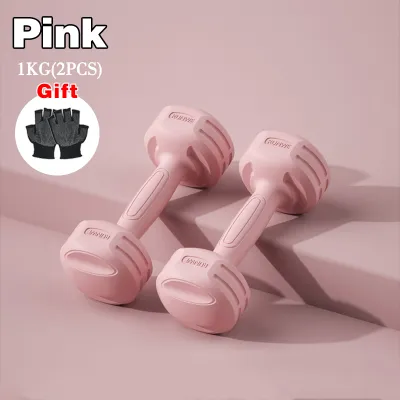
Prices are valid at publication and may change. Please refer to the product page for the latest price.
In contrast, fixed dumbbells feature a solid, single-piece construction where the weight heads are permanently attached to the handle. These are typically made of cast iron, steel, or urethane-coated metal. To progress in weight with a fixed setup, you do not adjust a mechanism; instead, you physically put down one pair of dumbbells and pick up another. This straightforward design eliminates moving parts, reducing the risk of mechanical failure during a workout.
Because adjustable designs vary significantly, you should always verify the specific adjustment mechanisms, weight increments, and physical dimensions on the manufacturer’s specifications before purchase. Some systems adjust in small increments like 1 kg or 2 kg, while others have larger jumps that might not suit your current strength level. Understanding these structural differences is the first step in determining which style fits your home environment.
Space and Storage Requirements
The physical footprint of your fitness equipment is a critical consideration, especially when setting up a workout area in a shared living space or a small spare room. A single pair of adjustable dumbbells replaces an entire rack of traditional weights, occupying only a tiny corner of your room. This compact design makes them highly suitable for apartments where dedicated gym space is a luxury. You can easily store them on a small shelf, in a closet, or on a compact stand when they are not in use.

Conversely, a comprehensive set of fixed dumbbells requires a substantial amount of floor space. To store multiple pairs safely and keep your workout area organized, you will need a dedicated multi-tier weight rack. These racks can be bulky and heavy, requiring a permanent spot against a wall. If you plan to buy fixed weights ranging from light to heavy, you must ensure your floor can support the concentrated weight of both the rack and the dumbbells.
Before making a purchase, it is highly recommended to measure your designated workout area carefully. Check the physical dimensions listed on the product packaging or manufacturer’s website to ensure you have adequate clearance for safe movement. You need enough space not only to store the weights but also to perform exercises like lateral raises or lunges without hitting walls, furniture, or other household items.
Budget and Long-Term Value
Evaluating the financial investment of a dumbbell set requires looking at both the immediate upfront cost and the long-term value as your strength progresses. A high-quality adjustable dumbbell set typically carries a higher initial price tag compared to a single pair of fixed dumbbells. However, because one adjustable pair can replace ten or more individual pairs, the cost per weight increment is often much lower. This makes adjustable sets a highly cost-effective option for beginners who expect to increase their lifting capacity quickly.
Fixed dumbbells, on the other hand, allow for a modular purchasing strategy. You can start by buying just one or two pairs that match your current strength level, keeping your initial outlay low. As you get stronger, you can gradually purchase heavier pairs. While this spreads the cost over time, the cumulative expense of building a full set of fixed dumbbells, along with the necessary storage rack, usually exceeds the cost of a single adjustable set.
When planning your budget, remember to check current retail prices in ₱ and factor in potential shipping, handling, or delivery fees. Heavy fitness equipment is expensive to transport, and shipping fees can add a significant premium to your purchase, especially for heavier fixed sets or specialized adjustable stands. If you live outside major metropolitan areas in the Philippines, these delivery costs can heavily influence which option provides the best overall value.
Workout Goals and Training Efficiency
Your training style and workout pacing should heavily influence your choice of dumbbell set. Fixed dumbbells are highly favored for fast-paced workouts, such as high-intensity interval training (HIIT), circuit training, and drop sets. In these routines, you often need to transition from a heavy weight to a lighter weight instantly. With fixed dumbbells, you can simply drop or place one pair down and immediately grab another, keeping your heart rate up and maintaining the flow of your workout.
Adjustable dumbbells are better suited for traditional strength training, progressive overload, and hypertrophy programs where structured rest periods are built into the routine. Because changing the weight requires placing the dumbbells back in their cradles and turning a dial or moving a pin, there is a brief pause in your activity. While this delay is minimal, it can disrupt the momentum of rapid circuit training. However, for standard lifting where you rest for 60 to 90 seconds between sets, this adjustment time is negligible.
To ensure the equipment aligns with your specific workout pacing, review the manufacturer’s stated weight adjustment speed and maximum load limits. Some dial systems allow for quick changes in seconds, while spin-lock collars require manually unscrewing and securing plates, which takes longer. Matching the adjustment mechanism to your preferred training style prevents frustration and helps you maintain focus during your sessions.
Durability and Maintenance Checks
Maintaining your equipment is essential for safety and longevity, particularly in warm, humid environments where moisture can cause rapid deterioration. For adjustable dumbbells, regular physical checks are crucial because they contain moving parts. You should routinely test the locking mechanism to ensure it engages securely and does not slip. Inspect the internal plates for excessive rattling, and verify that the handle grip remains intact and free of debris that could interfere with the selector system.
Fixed dumbbells require different visual and tactile inspections. Because they lack moving parts, they are generally much more durable and can withstand more rugged use. However, you should still check them regularly for coating chips, rust formation, and secure head-to-handle welding or molding. If you use rubber-coated or urethane dumbbells, inspect the outer layer for cracks or peeling, which can expose the underlying metal to moisture and sweat.
To protect your investment, always follow the manufacturer’s care instructions. Avoid dropping adjustable dumbbells on the floor, as the impact can damage the delicate internal gears, dials, or alignment pins, rendering the set unusable. Keep all mechanical parts free of dust, sweat, and moisture by wiping them down with a dry cloth after every workout. This simple habit is especially important in tropical climates to prevent rust from seizing the adjustment mechanisms.
Decision Framework: Which Dumbbell Set Should You Buy?
To finalize your decision, evaluate your personal training environment and preferences against a clear set of conditions. Choose adjustable dumbbells if your workout space is highly limited, your budget favors a single upfront purchase for a wide weight range, and your training focuses on steady progressive overload with standard rest periods. This option maximizes floor space and provides a versatile tool for general fitness and hypertrophy without cluttering your home.
Choose fixed dumbbells if you have ample storage space, prefer a simple and low-maintenance design, and frequently perform drop sets or high-intensity circuits that require instant weight changes. Fixed weights are also the better choice if you want the freedom to drop your weights safely on protective flooring without worrying about damaging internal mechanical parts.
Before making your final purchase, verify the structural integrity of the specific model you are considering. If you are unsure about the durability of an adjustable mechanism, or if your training requires heavy weights that exceed the maximum capacity of commercially available adjustable models, starting with a few pairs of high-quality fixed dumbbells may be the safer and more reliable path.
Frequently Asked Questions (FAQ)
Can I build muscle effectively with adjustable dumbbells?
Yes, you can build muscle highly effectively with adjustable dumbbells. Muscle hypertrophy relies on progressive overload, mechanical tension, and consistency, all of which can be achieved regardless of the dumbbell design. The key is to ensure that the adjustable set’s maximum weight limit and incremental weight jumps align with your long-term strength progression plan, allowing you to gradually increase resistance over time.
Are fixed dumbbells safer for heavy lifting?
Safety during heavy lifting depends on the equipment’s rated capacity, structural integrity, and proper handling rather than the dumbbell type alone. While fixed dumbbells have a simpler, solid construction with no moving parts to fail, high-quality adjustable dumbbells are engineered to lock plates securely when used correctly. Always adhere to the manufacturer’s stated weight limits, inspect locking mechanisms or welds before heavy lifts, and use appropriate collars if you are using plate-loaded adjustable variants.
Community discussion
Share your experience or ask a question. Comments are reviewed before publication.