
Choosing the right home gym equipment is one of the most critical decisions you will make when designing a personal workout space. Deciding between adjustable dumbbells and a set of fixed dumbbells requires a careful evaluation of your training style, available floor space, and budget. While adjustable dumbbells offer a compact, space-saving design that replaces multiple pairs of weights, fixed dumbbells provide unmatched durability, immediate weight transitions, and a traditional feel.
To make an informed purchase, you must look beyond the initial aesthetic appeal and analyze how each type of dumbbell performs under daily use. Factors such as the local climate, the structural limits of your home, and your long-term fitness progression all play a role in determining which equipment will serve you best. By understanding the mechanical differences, storage requirements, and financial trade-offs, you can select the ideal tools to support your strength journey safely and effectively.
Key Differences Between Adjustable and Fixed Dumbbells
The primary distinction between adjustable and fixed dumbbells lies in their construction and how they manage weight changes. Fixed dumbbells are solid, single-piece implements where the weight plates are permanently welded, bolted, or cast onto the handle. They are typically sold in pairs of specific increments, such as 2 kg, 5 kg, or 10 kg. To perform exercises at different weights, you must physically switch to an entirely different pair of dumbbells. This solid construction minimizes moving parts, resulting in a highly stable and predictable lifting experience.
Products mentioned in this guide
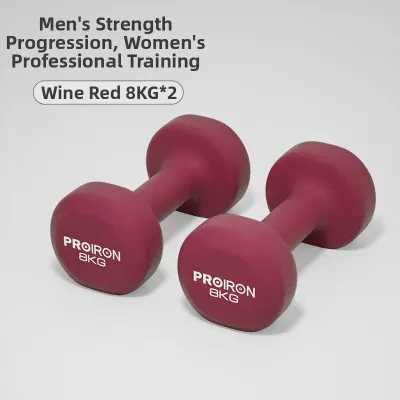
Prices are valid at publication and may change. Please refer to the product page for the latest price.
In contrast, adjustable dumbbells utilize a single handle mechanism designed to hold multiple removable weight plates. The user changes the working weight using a built-in selection system, which varies by design. Dial-system models allow you to turn a dial on the ends of the handle to lock in the desired weight, leaving the remaining plates in the storage tray. Selector-pin models use a magnetic pin to secure the plates, similar to weight stacks on gym machines. Spin-lock models require you to manually slide plates onto a threaded sleeve and secure them with a collar.
These mechanical differences directly impact the speed of your workouts. Transitioning between weights with fixed dumbbells is instantaneous—you simply place one pair down and pick up another. Adjustable dumbbells require a brief pause to align the plates and engage the locking mechanism. While dial and pin systems are relatively quick, manual spin-lock systems require more time and effort, which can alter the flow of high-intensity training sessions.
Evaluating Space and Storage Constraints
For many fitness enthusiasts, the deciding factor when purchasing home gym equipment is the physical footprint of the gear. A complete set of fixed dumbbells requires a substantial amount of floor space. To accommodate a progressive range of weights, you will need a multi-tier storage rack. A standard horizontal rack holding ten pairs of dumbbells can easily span over 1.5 meters in length and half a meter in depth. This setup requires a dedicated area where you can safely walk around the rack, lift heavy weights without obstruction, and avoid tripping hazards.

Adjustable dumbbells offer an incredibly compact alternative. A single pair of adjustable dumbbells, along with their holding trays, typically occupies less than half a square meter of space. They can easily sit in the corner of a bedroom, a small balcony, or a living room alcove. This makes them highly suitable for compact living arrangements, such as condominiums or shared apartments, where dedicating an entire room to fitness is not feasible.
Before finalizing your purchase, it is essential to measure your designated workout area carefully. Ensure you have at least one to two meters of clear space in all directions from your lifting position. This clearance is necessary for dynamic movements like lateral raises, lunges, and overhead presses. Additionally, check your ceiling height to ensure you can perform full overhead extensions without hitting light fixtures or ceiling fans, which are common in tropical homes. Finally, consider the structural load capacity of your floor, especially if you plan to store a heavy rack of fixed dumbbells on an upper level of a residential building.
Matching Dumbbell Types to Training Goals
Your specific training methodology should heavily influence your choice of home gym equipment. If your workouts rely on advanced training techniques like drop sets, supersets, or giant sets, fixed dumbbells are generally more practical. These routines require you to reduce the weight immediately after reaching muscle failure with no rest in between. Having multiple pairs of fixed dumbbells lined up allows you to transition seamlessly, keeping your heart rate elevated and maintaining constant tension on the muscles.
If your program focuses on traditional strength training with structured rest intervals, adjustable dumbbells are highly effective. Since you have dedicated rest periods between sets, the few seconds required to turn a dial or adjust a pin will not negatively impact your performance. Furthermore, adjustable dumbbells are excellent for progressive overload, as they allow you to make small, controlled weight jumps. Many high-quality adjustable models offer micro-loading capabilities, enabling you to increase the weight by small increments to consistently challenge your muscles without risking injury.
Weight capacity is another critical consideration for long-term progression. Beginners and intermediate lifters may find that a standard adjustable set provides more than enough resistance for several years. However, advanced lifters who perform heavy compound movements like dumbbell bench presses or rows may eventually exceed the maximum capacity of standard adjustable models. While some adjustable systems can go up to 40 kg or more per dumbbell, they can become bulky and difficult to maneuver at higher weights. In such cases, heavy fixed dumbbells or specialized plate-loaded handles may be required to meet your strength demands.
Durability, Maintenance, and Safety Checks
Investing in home gym equipment requires a commitment to safety and regular maintenance, particularly when dealing with moving parts or heavy iron. Fixed dumbbells are renowned for their durability. Because they lack complex internal mechanisms, they can withstand years of heavy use, minor impacts, and accidental drops without losing structural integrity. However, you should still inspect them regularly. Check the connection points between the handle and the weight heads for any signs of loosening, and inspect rubber or urethane coatings for cracking or peeling that could expose the underlying metal to moisture.
Adjustable dumbbells require a much higher level of care and attention. The internal gears, selector pins, and locking tracks are precision-engineered components that can wear out or break over time. A single misaligned plate or a cracked plastic dial can render the entire unit unusable or, worse, cause a weight plate to fall off during an exercise. To ensure safety, perform a quick visual check before every workout. Verify that all plates are seated correctly in their slots and that the locking mechanism is fully engaged before lifting the dumbbell from its tray.
Environmental factors also play a significant role in equipment longevity. In humid, tropical climates, moisture in the air can quickly lead to rust and corrosion on exposed metal surfaces. Sweat residue from intense workouts accelerates this process. To protect your investment, wipe down your dumbbells with a dry microfiber cloth after every session to remove sweat and moisture. For adjustable models, avoid using harsh chemical cleaners that could degrade plastic components or strip away essential lubricants. Always refer to the manufacturer’s guidelines for specific cleaning instructions and warranty terms regarding environmental exposure.
Budgeting and Cost-Per-Kilo Considerations
When evaluating the financial aspect of home gym equipment, looking at the upfront price tag can be misleading. To determine the true value of your investment, it is helpful to calculate the cost-per-kilo of the usable weight. To do this, divide the total cost of the dumbbell set in ₱ by the cumulative weight of the plates. For example, if a pair of adjustable dumbbells costs ₱15,000 and provides a total of 40 kg of weight, the cost-per-kilo is ₱375.
Using this framework, adjustable dumbbells often emerge as the more cost-effective option for a complete weight range. A single pair of adjustable dumbbells can replace up to 15 individual pairs of fixed dumbbells. Purchasing 15 separate pairs of high-quality fixed dumbbells, along with a heavy-duty storage rack, will almost always result in a significantly higher total cost and a higher average cost-per-kilo.
However, fixed dumbbells offer a lower entry barrier if you are on a tight budget. If you only need one or two specific weights to start your fitness journey, buying a couple of pairs of fixed dumbbells requires a much smaller initial outlay of cash. This allows you to build your collection gradually as your strength increases and your budget permits. When planning your budget, remember to account for ancillary costs. Fixed dumbbells will eventually require a sturdy rack to keep your workout space organized and safe, while adjustable dumbbells may require specialized stands to bring the weight trays to a comfortable lifting height.
Final Decision Framework: Which Should You Buy?
To finalize your decision, evaluate your personal circumstances against the following practical guidelines:
Choose adjustable dumbbells if:
- You are training in a limited space, such as a condominium, apartment, or shared bedroom, where storage is at a premium.
- Your workout routines consist of traditional strength training with standard rest periods between sets.
- You want a clean, minimalist home gym setup without the visual clutter of multiple weight racks.
- You have the budget to make a larger upfront investment to secure a complete weight range immediately.
Choose fixed dumbbells if:
- You have a dedicated, permanent workout space, such as a garage, basement, or spare room.
- Your training style heavily features rapid drop sets, supersets, or high-intensity functional fitness where quick transitions are vital.
- You prefer the solid, balanced feel of traditional gym equipment and want the freedom to drop weights safely when reaching failure.
- You prefer to build your gym gradually, purchasing individual pairs of weights as your strength and budget allow.
Verify first if:
- Your flooring can support the concentrated weight of a full dumbbell rack or the impact of dropped weights.
- You have sufficient overhead and lateral clearance in your designated workout area to perform all exercises safely.
- The manufacturer's warranty covers the specific environment where you plan to store the equipment, especially if keeping it in a semi-outdoor garage or high-humidity area.
Frequently Asked Questions (FAQ)
Can I drop adjustable dumbbells during exercises?
No, you should never drop adjustable dumbbells. Unlike solid fixed dumbbells, adjustable models contain delicate internal components, including plastic dials, selector pins, spring-loaded locks, and alignment tracks. The high impact of dropping a dumbbell onto the floor can easily crack these parts, bend the selector pins, or misalign the plates. This damage not only ruins the equipment but also creates a severe safety hazard, as compromised locking mechanisms can cause heavy plates to slip off during overhead exercises. Always practice controlled lowering to the floor to protect your equipment and ensure your safety.
Do adjustable dumbbells feel the same as fixed dumbbells?
Adjustable dumbbells generally feel different from traditional fixed dumbbells due to their unique design and dimensions. Many adjustable models maintain a fixed, maximum length regardless of the weight selected, meaning a 5 kg setting will have the same physical length as a 25 kg setting. This extra length can feel bulky or awkward during close-grip movements like bicep curls or chest presses. Additionally, because the plates are nested together, you may experience a slight rattling sound or minor movement during use. Checking the manufacturer’s dimension charts and handle specifications can help you choose a model that matches your grip preferences.
Community discussion
Share your experience or ask a question. Comments are reviewed before publication.