
The Short Answer: Which Dumbbell Type Fits Your Home Gym?
Selecting the right gym equipment is the most critical decision you will make when building a personal workout space. There is no single, universally superior option when comparing adjustable and fixed dumbbells. The correct choice depends entirely on your available floor space, your long-term budget, and your specific training style.
Adjustable dumbbells are the ultimate space-saving solution, making them ideal for compact living areas, apartments, and multi-purpose rooms. They pack an entire rack of weights into a single pair, allowing you to perform a wide variety of strength exercises without cluttering your home. However, they require careful handling and a brief pause between sets to change weights.
Fixed dumbbells offer unmatched durability, a traditional tactile feel, and the ability to transition between weights instantly. They are the preferred choice for lifters with dedicated garage gyms, those who perform fast-paced drop sets, and athletes who regularly drop their weights. If you want a seamless workout flow and have the physical space to store a multi-tier rack, fixed dumbbells are highly practical.
Products mentioned in this guide
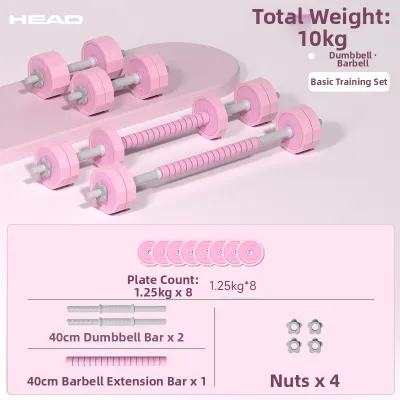
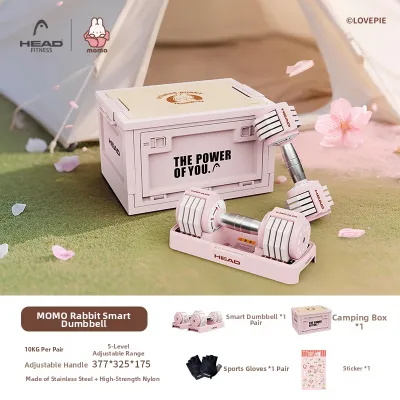
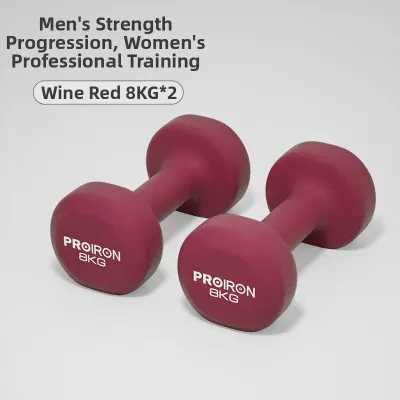
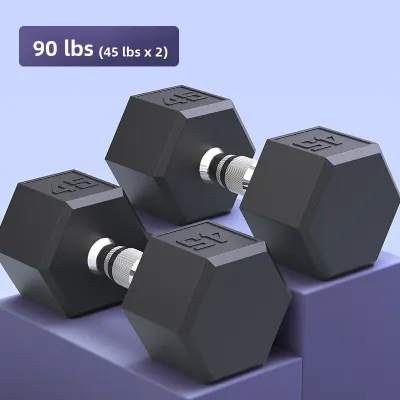
Prices are valid at publication and may change. Please refer to the product page for the latest price.
Space and Storage: Selecting Gym Equipment for Your Home Footprint
Physical footprint is often the primary constraint when setting up a home fitness space. Before purchasing any gym equipment, you must carefully evaluate where you will train and where you will store your weights when they are not in use. The spatial demands of adjustable and fixed dumbbells could not be more different.

Adjustable dumbbells are designed specifically to minimize physical clutter. A single pair of selectorized dumbbells can replace up to 15 individual pairs of traditional weights. Instead of lining your walls with iron, you only need to accommodate the footprint of the adjustment trays, which typically measure around 45 by 25 centimeters each. This compact design allows you to store your weights under a bed, inside a closet, or neatly in the corner of a living room, making them perfect for urban apartments or shared bedrooms.
Fixed dumbbells require a dedicated storage solution as your strength progresses. While a single pair of fixed dumbbells takes up very little space, a functional home workout routine usually requires at least five to ten different weight increments. To store these safely, you will need a multi-tier horizontal or A-frame rack. A standard ten-pair horizontal rack can easily occupy 1.5 meters of wall space and extend half a meter into your room. This permanent footprint cannot be easily tucked away when guests visit or when you need to use the room for other purposes.
Beyond storage, you must consider the active space required during your workouts. When performing dynamic movements like lateral raises, lunges, or overhead presses, you need a clear safety zone around you. Fixed dumbbells allow you to quickly grab a pair from the rack and step into your lifting zone. Adjustable dumbbells require you to keep the adjustment cradles nearby on a flat, stable surface, which can sometimes limit your movement path in tight quarters.
Before committing to a purchase, take a tape measure and map out your training area. Ensure you have at least two square meters of clear floor space to move safely. If you plan to perform overhead exercises, verify that your ceiling height accommodates your full reach with weights in hand. If your training area must revert to a living room or home office after your workout, adjustable dumbbells are the logical choice.
Budget and Cost Efficiency: Upfront vs. Long-Term Value
Equipping a home gym requires a clear understanding of both immediate expenses and long-term value. While high-quality gym equipment is an investment in your health, the pricing structures of adjustable and fixed dumbbells differ significantly. Analyzing these financial curves will help you avoid unexpected costs as your strength increases.
Adjustable dumbbells carry a substantial upfront cost. A high-quality selectorized or dial-based pair can cost anywhere from ₱15,000 to ₱35,000. For many home fitness enthusiasts, this initial price tag can cause immediate hesitation. However, when you break down the cost per kilogram of total weight, adjustable dumbbells are incredibly cost-effective. By purchasing one pair, you are effectively buying a complete set of weights ranging from 2 kilograms to over 24 or 40 kilograms, saving you from making multiple individual purchases over time.
Fixed dumbbells offer a much lower entry barrier but become progressively expensive. A single pair of 5-kilogram rubber hex dumbbells might only cost ₱1,500 to ₱2,500. This low initial cost is highly appealing if you are just starting out or only need one or two specific weights for your routine. The financial challenge arises as you get stronger. To maintain progressive overload, you will need to buy heavier pairs. Purchasing separate pairs of 10-kilogram, 15-kilogram, 20-kilogram, and 25-kilogram dumbbells will eventually exceed the total cost of a premium adjustable set.
Furthermore, fixed dumbbells introduce hidden secondary costs. Once you accumulate more than three or four pairs of heavy weights, leaving them on the floor becomes a safety hazard and can damage your home’s flooring. To prevent this, you must invest in a heavy-duty steel storage rack, which can add an extra ₱4,000 to ₱10,000 to your overall budget. You may also need to purchase extensive protective floor matting to safeguard your tiles or hardwood from accidental drops.
To determine the best financial path, calculate your projected strength progression over the next two to three years. If you are a beginner who intends to lift consistently and perform compound movements like squats and chest presses, you will quickly outgrow lighter weights. In this scenario, saving up for an adjustable set is the more economical long-term decision. If you only perform accessory movements, physical therapy exercises, or high-repetition cardio-sculpting workouts that do not require heavy loads, a few select pairs of fixed dumbbells will serve you perfectly at a fraction of the cost.
Training Experience: Workout Flow, Grip, and Progression
The physical sensation of lifting and the rhythm of your workout are critical components of a successful training routine. The choice between adjustable and fixed dumbbells directly influences how your exercises feel and how smoothly you can transition between different movements.
Workout flow is where fixed dumbbells truly excel. Because each weight is a separate, solid unit, transitioning from a heavy set of chest presses to a lighter set of lateral raises takes only a few seconds. You simply place one pair on the rack and pick up the next. This instantaneous transition is essential if your training program relies heavily on supersets, drop sets, or fast-paced circuit training where keeping your heart rate elevated is a priority.
Adjustable dumbbells introduce a physical pause into your training session. Whether you are turning a selector dial, sliding a pin, or unscrewing a spin-lock collar, you must stop and manually adjust the weight between exercises. While modern dial-and-pin systems are highly efficient and take only five to ten seconds, spin-lock collars can take up to a minute to adjust safely. This interruption can disrupt your mental focus and cool down your muscles during high-intensity workouts.
Ergonomics and tactile feedback also differ between the two styles. Fixed dumbbells, particularly rubber-coated hex or round urethane models, are highly balanced. The weight is distributed evenly across a compact head design, and the handle typically features professional-grade steel knurling that provides a secure, non-slip grip. This balanced feel allows for natural wrist alignment and a comfortable range of motion during complex movements like dumbbell cleans or snatches.
Adjustable dumbbells can sometimes feel bulky or awkward, especially at lighter weight settings. Because the physical frame of the dumbbell must accommodate the maximum weight capacity, a lightweight setting of 5 kilograms might still utilize the full-length bar of a 24-kilogram dumbbell. This extra length can interfere with your body during movements like bicep curls or overhead presses. Additionally, some adjustable models have internal plastic components or selector plates that rattle slightly during use, which can be distracting if you prefer a completely solid, silent lift.
Progression is another factor to analyze. Adjustable dumbbells offer precise, incremental weight jumps, often in steps of 1 to 2 kilograms. This granular progression is highly beneficial for smaller muscle groups, such as the shoulders or triceps, where a 2.5-kilogram jump can feel insurmountable. Fixed dumbbells typically progress in larger 2.5-kilogram or 5-kilogram increments, which can sometimes stall your progress if you are unable to bridge the gap between weights safely.
Durability and Safety: What to Expect Over Time
Home gym equipment must withstand consistent physical stress. Understanding the long-term durability and safety limitations of your weights ensures that your investment remains functional and that you avoid preventable training injuries.
Fixed dumbbells are virtually indestructible. Constructed from solid cast iron, welded steel, or dense polyurethane, they have no moving parts, internal gears, or delicate locking mechanisms. If a fixed dumbbell accidentally slips from your hands or is dropped onto protective flooring, it is highly unlikely to break or lose its structural integrity. This extreme durability makes them incredibly reliable for heavy, high-intensity training environments where equipment is subjected to rough handling.
Adjustable dumbbells are complex mechanical instruments. They rely on intricate internal gears, selector pins, spring-loaded dials, or threaded collars to hold heavy metal plates securely above your face and body. Because of these moving parts, they are highly sensitive to physical impact. Dropping an adjustable dumbbell from even a short height can crack the plastic alignment trays, bend the selector pins, or damage the internal locking gears, rendering the entire system unusable and potentially dangerous.
To ensure safety when using adjustable dumbbells, you must establish strict handling habits.
- Never drop the weights: Always lower adjustable dumbbells to the floor or your adjustment trays under complete control.
- Verify the lock: Listen for a distinct, audible click or physically check that the selector pin is fully engaged before lifting the dumbbell from its cradle.
- Inspect the threads: If you use spin-lock dumbbells, regularly check the threads for wear and ensure the collars are tightened securely before every set.
- Keep the trays clean: Dust, sweat, and debris can interfere with selector mechanisms, so wipe down the adjustment trays and plates regularly.
If you prefer a carefree workout style where you can drop your weights at the end of an exhausting set, fixed dumbbells are the only safe option. If you are willing to treat your equipment with care and perform routine inspections, adjustable dumbbells offer a highly secure and reliable training experience.
Final Decision Framework: Which Should You Buy?
To make your final decision, evaluate your training environment, budget, and workout preferences against the following practical guidelines.
Choose Adjustable Dumbbells if:
- Your space is highly limited: You train in a small apartment, condo, or bedroom and need to store your equipment out of sight when your workout is finished.
- You want maximum weight variety: You need a wide range of resistance levels to perform both heavy compound lifts and light accessory movements without filling a room with metal.
- You prefer a tidy home environment: You want to avoid the visual clutter of a large, multi-tier metal weight rack in your living space.
- You lift with control: You are willing to handle your equipment gently and avoid dropping your weights at the end of a challenging set.
Choose Fixed Dumbbells if:
- You have a dedicated training area: You have a garage, basement, or spare room that can permanently accommodate a heavy-duty storage rack.
- You prioritize fast-paced training: Your routine relies heavily on rapid supersets, drop sets, or high-intensity circuits where manual weight adjustments would ruin your momentum.
- You want maximum durability: You prefer robust, commercial-grade equipment that can survive accidental drops and rough handling without risk of mechanical failure.
- You have a flexible long-term budget: You are comfortable starting with a few key weights and gradually purchasing heavier pairs as your strength increases.
Verify first if:
- Buying adjustable models: Carefully inspect the maximum weight capacity, the specific weight increments, and the manufacturer's warranty terms regarding the adjustment mechanism.
- Buying fixed models: Check the quality of the handle knurling and ensure you have a suitable storage rack and protective flooring to prevent damage to your home.
Frequently Asked Questions (FAQ)
Can I build muscle effectively with adjustable dumbbells?
Yes, you can build muscle just as effectively with adjustable dumbbells as you can with fixed ones. Hypertrophy depends on progressive overload, mechanical tension, and consistent training, rather than the design of your weights. As long as your adjustable dumbbells offer a sufficient maximum weight capacity and allow you to increase the resistance gradually over time, they will stimulate muscle growth perfectly.
Are spin-lock adjustable dumbbells safe for heavy lifting?
Spin-lock adjustable dumbbells are safe for heavy lifting, provided you use them correctly and maintain them regularly. The threaded collars must be tightened firmly against the plates before every set to prevent shifting. However, because they are prone to gradual loosening during rotational movements, you must remain vigilant. For exercises where the dumbbell is held directly overhead, dial or selector-pin mechanisms are often preferred as they do not rely on manual thread friction to stay secure.
Do rubber-coated fixed dumbbells degrade in humid climates?
Yes, lower-quality recycled rubber coatings can degrade, become sticky, crack, or emit a strong chemical odor when exposed to the high humidity and warm temperatures typical of tropical climates like the Philippines. If you live in a humid environment, look for fixed dumbbells coated in high-quality virgin rubber or premium polyurethane (urethane). Additionally, store your gym equipment in a well-ventilated area away from direct sunlight to prolong its lifespan.
Community discussion
Share your experience or ask a question. Comments are reviewed before publication.