
Deciding between adjustable and fixed dumbbells is one of the most critical choices you will make when building a home gym. The right selection depends entirely on your available workout space, your budget structure, and your specific training style.
Quick Answer: How to Decide Between Adjustable and Fixed Dumbbells
Choose adjustable dumbbells if:
- You have limited floor space, such as in a studio apartment or a compact condominium.
- You want a wide range of weight options without cluttering your living area.
- You are willing to make a higher upfront financial investment for long-term versatility.
- Your workouts focus on traditional strength training with controlled, steady tempos.
Choose fixed dumbbells if:
Products mentioned in this guide
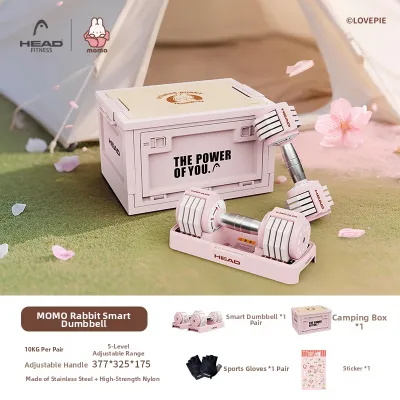
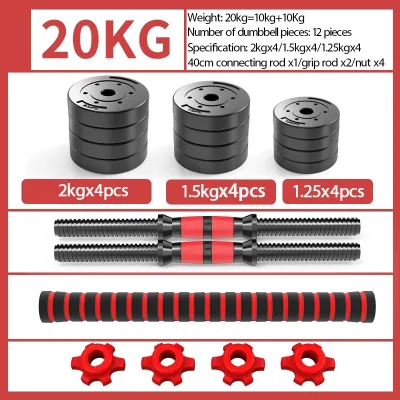
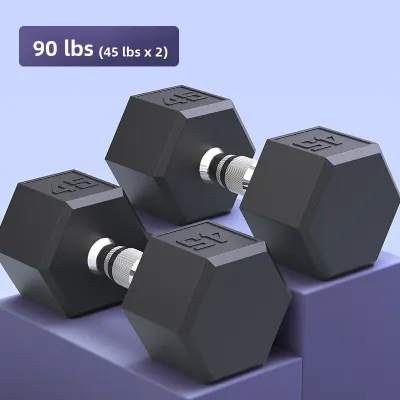
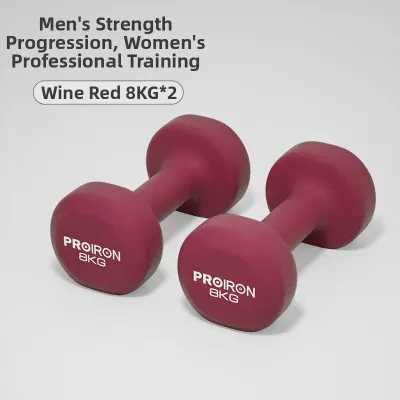
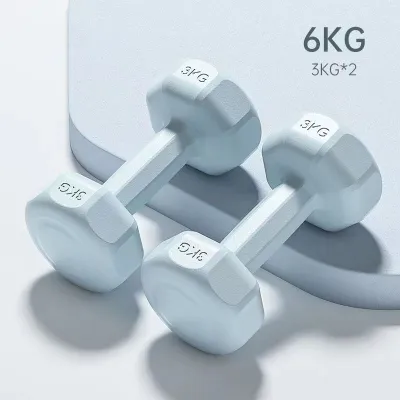
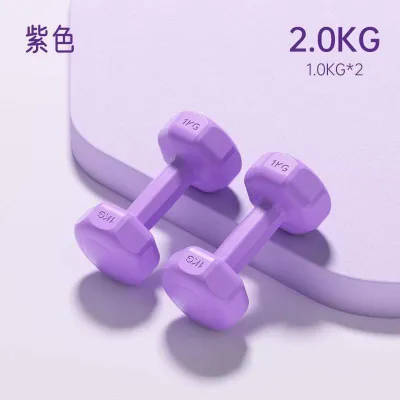
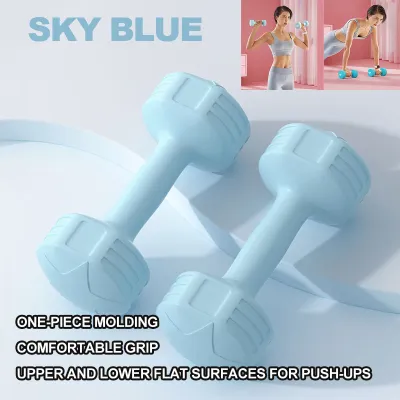
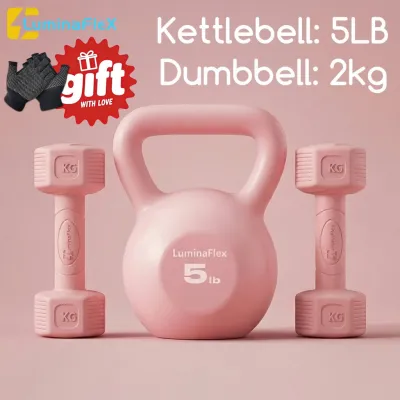
Prices are valid at publication and may change. Please refer to the product page for the latest price.
- You have a dedicated workout room, garage, or outdoor patio with ample space for a multi-tier storage rack.
- Your training style relies heavily on rapid drop sets, supersets, or high-intensity interval training (HIIT) where you must switch weights instantly.
- You share your home gym with a partner or family member and want to perform workouts simultaneously using different weights.
- You prefer rugged, highly durable equipment that can withstand being dropped on protective flooring.
Verify first if: Before purchasing any adjustable set, verify the physical length of the dumbbells. Some adjustable models maintain a fixed, maximum length regardless of the weight selected, which can alter your exercise form or restrict your natural range of motion during specific movements.
Space and Storage: Managing Your Home Gym Footprint
The physical footprint of your fitness equipment is often the ultimate deciding factor when setting up a home gym in the Philippines, where residential space in urban areas can be highly constrained. A single pair of adjustable dumbbells occupies a remarkably small area, typically resting in a pair of compact docking trays that measure roughly 40 by 20 centimeters each. This compact design allows you to tuck the entire system away in a closet, under a bed, or in the corner of a room when your workout is finished. For individuals living in tight quarters, this space-saving design is often the only viable way to access a full spectrum of resistance levels.

In contrast, a comprehensive set of fixed dumbbells requires a dedicated storage solution to remain organized and safe. To match the weight variety offered by a single pair of adjustable dumbbells—which often spans from 2.5 kilograms up to 24 kilograms or more—you would need to purchase approximately ten separate pairs of fixed dumbbells. Storing twenty individual weights safely requires a multi-tier horizontal rack or a vertical A-frame stand. These racks demand a permanent, dedicated floor area that cannot easily be repurposed when you are not exercising, making them less suitable for multi-functional living spaces.
When planning your home gym layout, you must measure both the storage footprint and the active clearance zone required for safe movement. Safe strength training requires at least 1.5 meters of unobstructed space in every direction around your workout station. This clearance ensures that you can perform dynamic movements, such as lateral raises, walking lunges, or overhead presses, without colliding with walls, furniture, or low-hanging ceiling fans. While adjustable dumbbells minimize storage requirements, you still need to ensure that the surrounding environment is clear of hazards during your active sets.
Furthermore, consider the visual impact of your equipment on your home environment. A scattered collection of fixed dumbbells can quickly make a living room or bedroom feel cluttered and disorganized, creating potential tripping hazards for other household members. An adjustable dumbbell system keeps all weight plates neatly contained within their plastic or metal cradles, presenting a clean, modern aesthetic. However, keep in mind that the docking cradle itself must be placed on a highly stable, level, and solid surface to ensure the plates align correctly for seamless weight transitions.
Budget and Cost: Upfront Investment vs. Long-Term Value
Understanding the financial trade-offs between these two equipment types requires looking beyond the initial price tag to analyze the long-term cost per kilogram. Fixed dumbbells feature a highly accessible, low entry barrier. If you are a beginner starting your fitness journey, you can purchase a single pair of 5-kilogram rubber hex dumbbells for a relatively small sum in Philippine Pesos (₱). This low initial cost allows you to begin training immediately without a major financial commitment. However, as your body adapts and grows stronger, you will inevitably outgrow that initial weight, forcing you to purchase heavier pairs sequentially.
As you build a complete progression set of fixed dumbbells, the cumulative cost rises exponentially. Purchasing separate pairs of 7.5 kg, 10 kg, 12.5 kg, 15 kg, and heavier weights, alongside a sturdy steel rack to hold them, quickly accumulates into a massive financial investment. If your goal is to practice progressive overload across a wide variety of exercises—ranging from light lateral raises to heavy chest presses—the total cost of a comprehensive fixed dumbbell collection will almost always exceed the price of a single premium adjustable set.
Adjustable dumbbells demand a substantial upfront financial investment. Buying a high-quality adjustable set represents a significant one-time expenditure that can feel daunting. However, when you calculate the cost-per-kilogram of the total weight range included, the value proposition becomes clear. A single pair of adjustable dumbbells that replaces fifteen individual pairs of fixed weights offers an incredibly efficient financial return over time. You are essentially paying for a complete dumbbell rack in a single, consolidated purchase, which prevents the need for future incremental spending as your strength levels increase.
To maximize the value of your investment, evaluate your current physical strength and your projected progression over the next two to three years. If you are a casual lifter who only requires two or three specific weight increments for accessory work, a few pairs of fixed dumbbells may remain the most cost-effective path. If you are committed to serious, long-term strength progression, investing in an adjustable system is highly practical. When shopping, check reputable local sports retailers and authorized online marketplaces in the Philippines for bundle deals that include adjustable benches or dedicated dumbbell stands. Always verify warranty terms and buy from authorized sellers to protect yourself against counterfeit products that may feature substandard, unsafe locking mechanisms.
Workout Experience: Weight Changes, Progression, and Exercise Limits
The practical differences between adjustable and fixed dumbbells become highly apparent during the flow of an active training session. One of the most significant operational differences is the speed of weight adjustments. Fixed dumbbells offer an unmatched, instant “grab-and-go” experience. During intense workouts, such as high-intensity interval training (HIIT), supersets, or drop sets where you must rapidly decrease weight to keep training through fatigue, you can simply drop one pair of fixed dumbbells and immediately pick up another. This seamless transition keeps your heart rate elevated and maintains strict control over your rest intervals.
Adjustable dumbbells, by design, introduce a brief pause into your workout flow. To change the weight, you must halt your exercise, return the handles precisely to their docking cradles, align the plates, and manipulate the selector dial, pin, or sliding mechanism. While modern designs have made this process remarkably swift—often taking only a few seconds—it still interrupts the continuous momentum of rapid-fire training styles. If your preferred workout programs rely on strict, minimal rest periods or complex drop sets, the mechanical transition time of adjustable dumbbells can feel cumbersome.
The physical dimensions and overall bulk of the equipment also play a major role in your exercise biomechanics. Fixed dumbbells scale in size relative to their weight; a light fixed dumbbell is physically short and narrow, while a heavy one is longer and thicker. This proportional scaling allows for a natural, unhindered range of motion across all movements. Many adjustable dumbbells, however, maintain their maximum physical length regardless of whether you select the minimum or maximum weight setting. This is because the internal guide rods or structural core must remain fully extended to hold the plates.
This constant, bulky length can interfere with your form during specific exercises. During movements like bicep curls, overhead shoulder presses, or chest flies, the long outer ends of adjustable dumbbells may collide with each other or brush against your torso, forcing you to widen your grip or alter your natural movement path. Additionally, exercises that involve floor contact, such as renegade rows or dumbbell push-ups, are unsafe to perform with most adjustable models due to the risk of damaging the delicate selector plates or causing the dumbbell to roll unpredictably. Fixed hex dumbbells, with their flat, stable sides, are far better suited for these floor-based movements.
Grip ergonomics and handle comfort represent another key point of comparison. High-quality fixed dumbbells often feature contoured steel handles with professional-grade knurling—a cross-hatched pattern cut into the metal that provides a secure, slip-resistant grip even when your hands are sweaty. Adjustable dumbbells vary widely in handle design; some models utilize textured plastic sleeves, thick rubber grips, or non-contoured straight bars. Depending on the brand, these handles may feel less ergonomic or secure during heavy pulling movements like rows or deadlifts, which can limit your lifting performance if your grip strength fails before your target muscles do.
Finally, consider the dynamics of shared home workouts. If you plan to train with a partner, spouse, or family member, a single set of adjustable dumbbells restricts your workouts to one person at a time, as only one weight configuration can be active. If you both wish to perform different exercises simultaneously using different weights, you will find yourselves constantly waiting for the other person to finish their set and dock the handles. A set of fixed dumbbells naturally accommodates multiple users at once, allowing one person to perform shoulder presses with the 10-kilogram pair while another performs squats with the 20-kilogram pair.
Durability and Care: Mechanical Parts vs. Solid Construction
The mechanical design of your fitness equipment directly dictates its lifespan, maintenance requirements, and overall resilience to wear and tear. Fixed dumbbells are legendary for their near-indestructible nature. Models constructed from solid cast iron, or those coated in heavy-duty rubber or urethane, are built to withstand severe physical abuse. They feature no moving parts, internal gears, or delicate alignment systems. If you accidentally drop a fixed dumbbell onto a protective rubber mat, the risk of structural damage is minimal. This exceptional durability makes them highly reliable for high-impact home workouts where equipment is subjected to rough handling.
Adjustable dumbbells are precision-engineered mechanical instruments that require careful handling and deliberate care. Their weight-selection systems rely on a complex network of internal gears, selector dials, spring-loaded pins, and interlocking plastic or metal plates. Because of this mechanical complexity, adjustable dumbbells have a zero-tolerance policy for high impacts. Dropping an adjustable dumbbell from even a modest height can permanently misalign the internal locking plates, crack the plastic selector housings, or bend the central guide rods. Once these components are damaged, the plates may fail to lock securely, rendering the entire set unsafe to use.
To ensure your safety during home workouts, you must establish a strict routine of physical and visual checks before every single lift. Before lifting the dumbbells out of their cradles, visually inspect the selector dials or pins to confirm they are fully engaged in their designated weight markings. Give the handle a gentle upward tug while it is still in the cradle to verify that no loose plates are clinging precariously to the sides of the assembly. If you notice any sticking, resistance, or unusual play in the mechanism, stop using the equipment immediately and consult the manufacturer’s troubleshooting guide.
The tropical climate of the Philippines introduces unique environmental challenges that can compromise the longevity of your strength equipment. High relative humidity, coupled with salty air in coastal regions, creates an environment highly conducive to oxidation and rust. Sweat from your hands contains salt and moisture, which rapidly accelerates this corrosive process on exposed metal handles and weight plates. To protect your investment, make it a mandatory habit to wipe down all metal surfaces with a dry microfiber cloth immediately after every workout session.
Maintaining the internal mechanisms of adjustable dumbbells requires a cautious, hands-off approach to lubrication. Dust, pet hair, and airborne grime can easily settle into the dial or pin housings, causing the gears to stick over time. However, you should never spray standard household lubricants, oils, or harsh chemical cleaners directly into the selector mechanisms unless specifically instructed to do so by the manufacturer’s care manual. These wet lubricants often act as magnets for dust and debris, creating a thick paste that can permanently jam the internal gears. Instead, use a dry, clean brush or compressed air to gently clear away any accumulated dust, and store the dumbbells in a dry, well-ventilated area away from direct sunlight and moisture.
Final Decision: Building Your Ideal Home Strength Setup
Ultimately, there is no single, universally superior dumbbell type; the ideal choice depends entirely on how you balance your physical space, your financial budget, and your specific training style. If you are working within a highly confined living space, value a clean and organized home environment, and want a comprehensive range of weights to support long-term progressive overload, adjustable dumbbells are an incredibly efficient and practical investment. They consolidate an entire commercial weight rack into a single, elegant footprint that fits seamlessly into modern residential life.
Conversely, if you prioritize rugged durability, enjoy high-intensity workouts that require rapid weight transitions, or plan to share your training sessions with other household members, a curated set of fixed dumbbells remains the gold standard. Their solid, simple construction guarantees a lifetime of reliable use, allowing you to focus entirely on your training intensity without worrying about mechanical failure or delicate handling requirements.
Before making your final purchase, use this practical checklist to verify that your chosen equipment matches your physical needs and safety boundaries:
- Weight Increments: Check the specific weight steps. Ensure the jumps between weights are small enough (ideally 1 to 2 kilograms) to allow for safe, incremental progression on weaker upper-body exercises like lateral raises or overhead extensions.
- Maximum Weight Capacity: Verify that the maximum weight limit of the set aligns with your long-term strength goals for compound movements like chest presses and rows.
- Warranty Coverage: Review the manufacturer's warranty terms specifically regarding the mechanical selector parts and dials, ensuring you have access to replacement parts if a component fails.
- Physical Dimensions: Confirm the total length of the dumbbell handle to ensure it comfortably matches your shoulder width and body frame during pressing movements.
Remember that fitness equipment is merely a tool to facilitate your physical development; it can never replace proper training technique, consistent effort, and sound personal judgment. When training alone at home without a spotter, always prioritize controlled, deliberate movements and proper form over lifting maximum loads. Choose the tool that best supports your safety, fits your daily environment, and inspires you to stay consistent on your fitness journey.
Frequently Asked Questions (FAQ)
Can I drop adjustable dumbbells on the floor like fixed ones?
No, you must never drop adjustable dumbbells on the floor. Unlike solid fixed dumbbells, adjustable models contain intricate internal gears, selector pins, and locking plates that can easily warp, crack, or misalign upon impact. Dropping them can permanently damage the selection mechanism, making the dumbbells unsafe to lift. Always place adjustable dumbbells back into their docking cradles gently and with controlled movements.
How do I clean and maintain the dial or pin mechanism?
To maintain the mechanism, wipe down the handles and plates with a dry microfiber cloth after every workout to remove sweat and prevent rust. Avoid spraying liquid lubricants, oils, or harsh chemical solvents directly into the dial or pin housing, as these substances attract dust and debris which can jam the gears. Use compressed air or a soft, dry brush to clear away any accumulated dust.
Are adjustable dumbbells safe for heavy lifting without a spotter?
Yes, high-quality adjustable dumbbells from reputable brands are structurally safe for heavy lifting when used correctly. However, safety depends entirely on your diligence. You must visually and physically verify that the selector dials or pins are fully locked into place before every set. When lifting heavy weights alone at home, always maintain strict control, avoid explosive movements that could jar the plates, and stay well within your physical capability limits.
Community discussion
Share your experience or ask a question. Comments are reviewed before publication.