
Building a personal workout space requires balancing space, budget, and training goals. When selecting the core gym equipment home workout enthusiasts need, the debate between adjustable and fixed-weight dumbbells always arises. Both options offer unique advantages, but the right choice depends heavily on your living situation, fitness routine, and long-term budget.
Adjustable dumbbells are the ultimate space-savers, packing an entire rack’s worth of weight into a single pair of handles. On the other hand, fixed dumbbells offer unmatched durability and the seamless convenience of grabbing a weight and lifting immediately. Understanding how these two styles perform in a real-world home environment will help you make an informed investment.
Space and Storage Requirements
In many Philippine homes, especially urban condominiums, townhouses, or shared family residences, floor space is at a premium. Dedicating an entire room to a home gym is a luxury that many cannot afford. This is where the physical footprint of your fitness equipment becomes a deciding factor.
Products mentioned in this guide
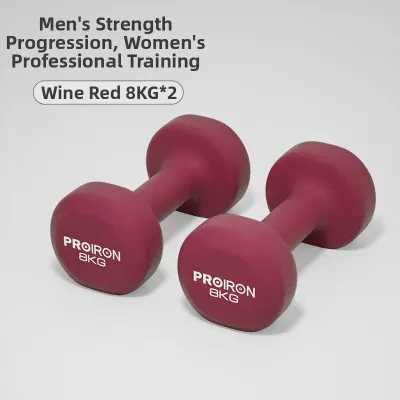
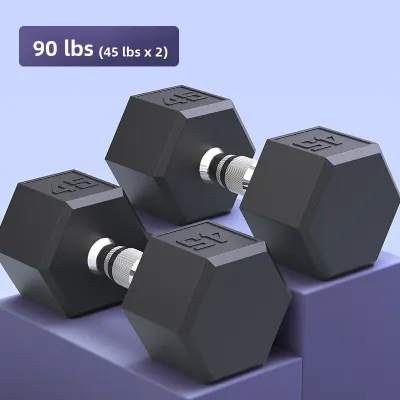
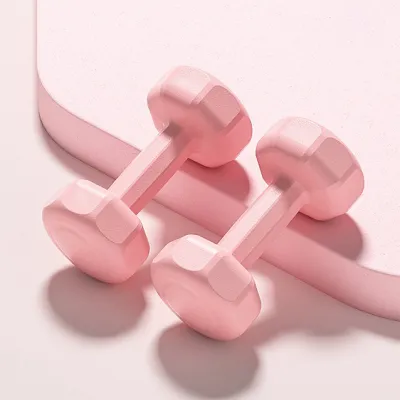
Prices are valid at publication and may change. Please refer to the product page for the latest price.
A single pair of adjustable dumbbells sits compactly on a small tray, occupying less than half a square meter of floor space. You can easily tuck them away in a closet, slide them under a bed, or place them in the corner of a living room when your workout is finished. This minimal footprint makes them incredibly popular for apartment dwellers who need to keep their living spaces tidy and clutter-free.
Conversely, a comprehensive set of fixed dumbbells requires a significant amount of dedicated storage. To perform a wide variety of exercises, you will need multiple pairs of different weights. Storing these weights safely requires a multi-tier A-frame rack or a horizontal shelving unit.
A proper dumbbell rack not only takes up substantial floor space but also adds visual clutter to a multi-purpose room. If you do not have a dedicated garage gym or a spare room, managing a growing collection of fixed weights can quickly become a storage headache.
Budget and Cost-Per-Weight Analysis
When planning your gym equipment home workout budget, the upfront cost can be deceptive. At first glance, adjustable dumbbells seem like a massive financial commitment. A high-quality adjustable set requires a significant initial investment in ₱, which can cause hesitation for beginners.

However, looking at the cost-per-weight ratio reveals a different story. A single pair of fixed dumbbells is highly affordable, making it easy to start training with a minimal budget. But as your strength improves through progressive overload, you will quickly outgrow that single pair.
To continue making progress, you must purchase heavier pairs. Building a complete set of fixed weights in increments from 5 kg up to 25 kg requires buying ten separate pairs of dumbbells. When you calculate the cumulative cost of all those individual pairs, plus the price of a sturdy rack to store them, the total expense often far exceeds the cost of a single adjustable set.
To get the best value, check local online stores, sports retailers, or fitness distributors for current pricing, bundle deals, and warranty coverage. Keep in mind that shipping heavy iron weights across the Philippines can incur substantial delivery fees, so purchasing a single, compact adjustable set can also save you money on logistics.
Workout Versatility and Ease of Use
Your training style should dictate the type of dumbbells you choose. If your workouts involve fast-paced circuits, supersets, or drop sets, fixed dumbbells are highly superior. With fixed weights, transitioning from a heavy set of chest presses to a lighter set of flyes takes only a second—you simply drop one pair and pick up the next.
Adjustable dumbbells, while highly versatile, introduce a slight delay into your training flow. Depending on the design, you must turn a dial, slide a selector pin, or manually spin off collars to change the weight plates. Even with modern, rapid-adjust dial mechanisms, this process takes several seconds and can disrupt the intensity of high-intensity interval training (HIIT) or rapid drop sets.
Physical dimensions also play a major role in how exercises feel. Adjustable dumbbells must accommodate a wide range of weight plates, meaning the handles are often significantly longer and bulkier than standard fixed dumbbells. This extra length remains constant even when you are lifting the lightest weight setting.
The bulky ends of adjustable dumbbells can restrict your range of motion or cause the weights to collide during exercises like close-grip dumbbell presses, bicep curls, or overhead extensions. Additionally, the complex outer shells of adjustable models make them unsuitable for exercises like renegade rows, where you must balance your body weight on the dumbbell handles against the floor. Fixed dumbbells, especially those with hexagonal rubber heads, provide a flat, stable base for floor-based movements.
Durability and Maintenance
The mechanical simplicity of fixed dumbbells makes them virtually indestructible. Constructed from solid cast iron, rubber-coated steel, or high-grade urethane, these weights are designed to withstand heavy use and accidental drops. They have no moving parts, meaning there is nothing to break, misalign, or jam over years of intense training.
Adjustable dumbbells are complex mechanical devices. They rely on intricate internal gears, spring-loaded pins, and selector plates to lock the weights securely in place. Because of this complexity, they require careful handling and regular maintenance.
Dropping an adjustable dumbbell from even a short height can crack the plastic housing, bend the selector pins, or damage the internal locking mechanism. Once the mechanism is compromised, the dumbbell becomes unsafe to use, as plates could slip off during an exercise.
In the tropical climate of the Philippines, high humidity and sweat can also affect your equipment. Fixed dumbbells with thick rubber or urethane coatings are highly resistant to moisture and rust. Adjustable dumbbells, with their numerous internal metal joints and crevices, require regular wiping down and occasional lubrication to prevent rust from seizing the selector mechanisms.
Decision Framework: Which Should You Buy?
To make your final decision, evaluate your training environment, budget, and fitness goals against these clear criteria.
Choose adjustable dumbbells if:
- You live in a small apartment, condo, or shared space where floor space is highly limited.
- You want a complete set of weights for progressive overload but want to avoid the high cumulative cost of buying multiple individual pairs.
- Your workouts focus on traditional strength training with structured rest periods, where a few seconds to change weights will not disrupt your routine.
- You can commit to handling your equipment with care and avoiding dropping the weights.
Choose fixed dumbbells if:
- You have a dedicated garage, spare room, or large home gym area with plenty of space for a multi-tier rack.
- Your training style relies heavily on fast-paced circuits, supersets, or drop sets where instant weight transitions are essential.
- You perform exercises like renegade rows, dumbbell push-ups, or movements where the weights frequently contact the floor.
- You want maximum durability and peace of mind, knowing your equipment can withstand heavy drops and require zero mechanical maintenance.
If you require extremely heavy weights—such as over 40 kg per hand—neither option may be fully practical for a standard home setup. In these cases, investing in a specialized barbell, weight plates, and a squat rack is often a safer and more cost-effective way to handle heavy loads. Remember that no equipment can replace proper lifting form, progressive training judgment, and consistency.
Frequently Asked Questions (FAQ)
Can I mix adjustable and fixed dumbbells in my home gym?
Combining both types of dumbbells is an excellent, highly practical strategy for many home lifters. You can invest in a high-quality pair of adjustable dumbbells to handle your main strength progressions, such as chest presses, squats, and rows. Then, you can purchase a few pairs of light, fixed-weight dumbbells (like 2 kg, 5 kg, or 8 kg) for high-rep accessory movements, warm-ups, or fast-paced supersets where changing dials would be inconvenient.
Are adjustable dumbbells safe for heavy lifting?
Adjustable dumbbells are safe for heavy lifting, provided you use them strictly according to the manufacturer’s instructions. Before every set, you must verify that the locking mechanism, dial, or pin is fully engaged and that the plates are secure. Never drop adjustable dumbbells on the floor, as the impact can damage the internal safety locks, increasing the risk of plates slipping off during future lifts.
What weight range should I start with for a home gym?
Your starting weight range depends on your current strength level, fitness experience, and the specific exercises you plan to perform. Beginners should look for dumbbell sets that offer low starting increments, such as 2 kg or 4 kg, to practice proper form safely. Before purchasing any set, carefully check the product specifications for the minimum and maximum weight limits to ensure the equipment allows room for progressive overload as you get stronger.
Community discussion
Share your experience or ask a question. Comments are reviewed before publication.