
Quick Answer: Which Incline Bench Should You Choose?
Selecting the right incline bench depends on your training style, available floor space, and budget. An adjustable bench is the ideal choice if you require exercise variety and need to maximize a multi-purpose workout area. It allows you to transition smoothly between flat, incline, and decline positions, making it a highly versatile centerpiece for a home setup.
Conversely, a fixed incline bench is built for dedicated, heavy pressing movements. Because it lacks moving parts, it offers superior structural rigidity and a solid foundation for lifters prioritizing maximum weight capacity over versatility. Frame your choice around whether you value multi-angle flexibility or single-angle stability for your strength training goals.
Workout Versatility and Exercise Options
An adjustable incline bench serves as a multi-functional tool in a home gym. By allowing you to alter the angle of the backrest—typically ranging from a slight decline to a fully upright 90-degree position—this equipment enables precise muscle targeting. You can easily shift from a flat bench press to an incline press to target the clavicular head of the pectoralis major, or set it vertically for seated overhead dumbbell presses. This adaptability is particularly beneficial for structured workout splits where exercise variety keeps training stimulus high.
Products mentioned in this guide
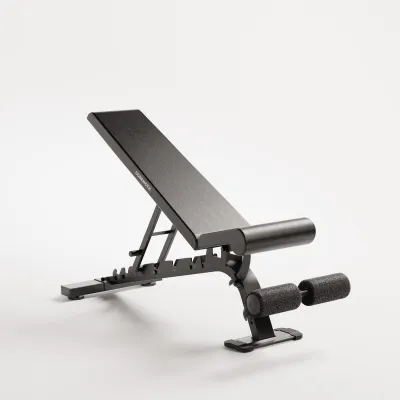
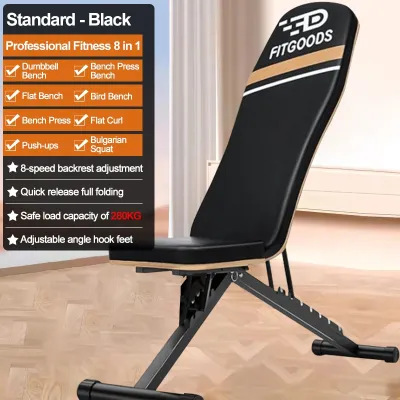
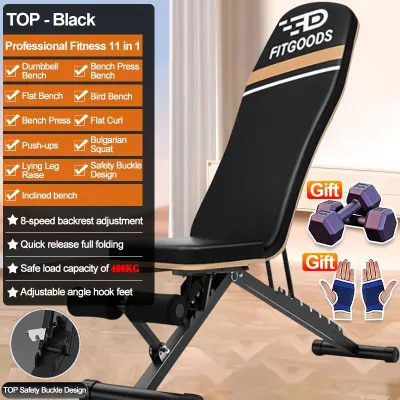
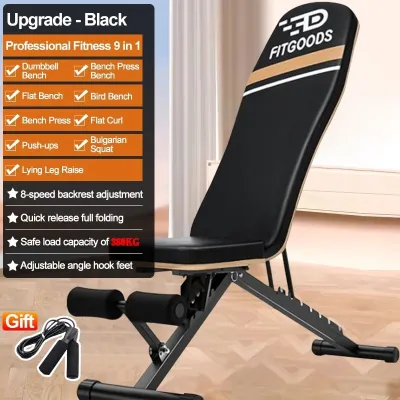
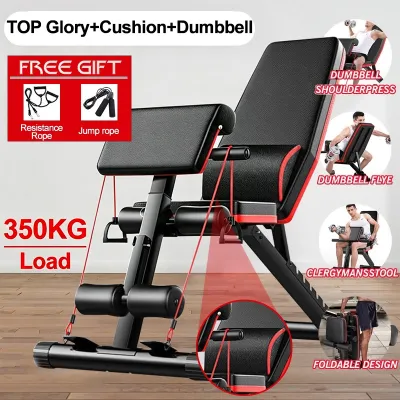
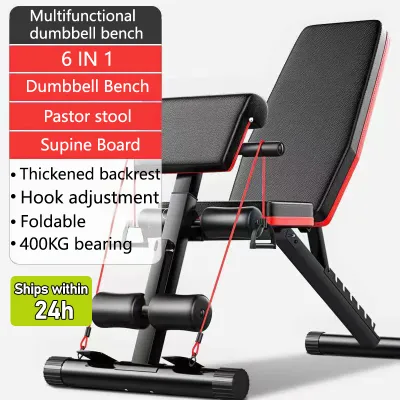
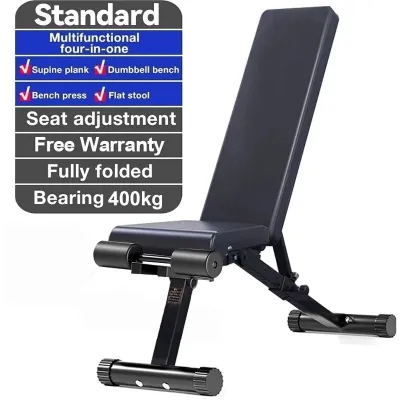
Prices are valid at publication and may change. Please refer to the product page for the latest price.

Beyond chest and shoulder training, an adjustable model supports a wide array of secondary exercises. You can lower the seat to perform chest-supported dumbbell rows, incline bicep curls, or reverse flyes. This versatility means a single piece of equipment can support an entire push-pull-legs routine, reducing the need to purchase separate stations for different muscle groups.
In contrast, a fixed incline bench is engineered for one specific movement pattern. It remains locked at a single, predetermined angle, which is optimized solely for incline pressing. While this design is highly effective for powerlifters or bodybuilders who want a dedicated station for upper-chest development, it limits your ability to perform flat or decline movements on the same footprint. If your routine requires a broad spectrum of exercises, a fixed angle may quickly become a bottleneck in your training progression.
Before making a decision, audit your current workout split and list the exercises you perform most frequently. If your routine relies heavily on a mix of flat, incline, and overhead movements, the adjustable option is highly practical. If you already own a dedicated flat bench and simply want an uncompromising station to build your incline press, a fixed model can fill that specific gap.
Space, Storage, and Footprint Constraints
Space is often the tightest constraint when building a home gym, especially in urban residences, townhouses, or apartments. A fixed incline bench typically features a larger, permanent footprint. Because it is constructed as a single, welded unit, it cannot be folded, disassembled easily, or tucked away when your workout is finished. It requires a dedicated, permanent spot on your gym flooring, which can make a room feel cramped if the space serves multiple purposes.
Adjustable benches are generally designed with space-saving features in mind. Many modern models include built-in transport wheels and a handle, allowing you to roll the bench out of the way when you need open floor space for yoga, stretching, or bodyweight exercises. Furthermore, several adjustable designs feature folding frames that allow the bench to fold flat or stand vertically against a wall, significantly reducing its storage footprint.
When planning your layout, measure your dedicated workout area carefully. You must account not only for the physical dimensions of the bench but also for the clearance required to load barbells or move dumbbells safely. If you are considering an adjustable model that stores vertically, verify your ceiling height and wall clearance to ensure it can stand upright without obstructing windows or light fixtures.
In tropical climates where humidity levels are high, air circulation is crucial for preserving gym equipment. Storing an adjustable bench in a well-ventilated corner after use can help prevent moisture buildup on the frame and upholstery. If you choose a fixed bench, ensure it is positioned in a spot where air flows freely to minimize the risk of rust and mold development on the padding.
Stability, Build Quality, and Weight Capacity
When lifting heavy weights at home, equipment stability is paramount for safety. Fixed incline benches are highly regarded for their structural integrity. Because they are constructed with solid, single-angle welded steel frames and have no hinges, pivot points, or locking pins, they offer a completely rigid platform. There is virtually zero frame flex or lateral wobble, even when you are handling near-maximal loads.
Adjustable benches, while highly versatile, introduce mechanical complexity. Every adjustment point—whether it uses a ladder-back design, a pop-pin selector, or a locking bolt—is a potential source of minor movement. When evaluating an adjustable model, pay close attention to the thickness of the steel frame, often measured in gauge. A lower gauge number indicates thicker, stronger steel, which helps minimize wobble at steep incline angles.
To ensure your safety, always verify the maximum weight capacity on the product’s official specification label before purchasing. This rating must accommodate your body weight plus the heaviest weight you plan to lift. Do not assume standard limits, as light-duty adjustable benches may have significantly lower weight capacities than heavy-duty, commercial-grade models.
Inspect the locking mechanisms and frame coatings closely. A robust ladder-back adjustment system allows for quick angle changes and secure seating, while high-quality pop-pins should lock deeply into the frame without excess play. Additionally, look for a durable powder-coated finish to protect the steel from sweat-induced corrosion, and ensure the upholstery is thick, double-stitched, and moisture-resistant to withstand regular wear and tear.
Budget and Long-Term Value
Investing in home gym equipment requires balancing initial costs against long-term utility. Fixed incline benches often present a lower entry price for basic, entry-level models because their manufacturing process is simpler. However, high-end, commercial-grade fixed benches can still carry a premium due to the sheer volume of heavy-duty steel used in their construction.
Adjustable benches generally command a higher price point because of the engineering required for moving parts, hinges, and adjustment brackets. Despite the higher initial cost, an adjustable bench often delivers superior long-term value for home users. Purchasing one high-quality adjustable bench is typically more cost-effective and space-efficient than buying separate flat, incline, and utility benches to cover the same exercise angles.
When calculating your budget in ₱, remember to factor in potential hidden expenses. Heavy steel fitness equipment can incur substantial shipping fees, especially if you live outside major metropolitan areas. It is also wise to check the warranty coverage, particularly for the moving parts, welds, and upholstery, as these components experience the most stress over years of consistent use.
Consider your long-term fitness progression when allocating your budget. A cheap, unstable bench may save money initially, but it can limit your lifting confidence and require replacement as your strength increases. Investing in a sturdy, well-reviewed bench that matches your long-term strength goals is safer and more economical than buying a low-grade model that you will quickly outgrow.
Decision Framework: How to Make Your Final Choice
To finalize your decision, align your training priorities with the physical realities of your workout space. Use the following guidelines to determine which bench type fits your lifestyle.
Choose an adjustable incline bench if:
- You train in a multi-purpose space, such as a living room, garage, or bedroom, and need to store the equipment when not in use.
- Your workout routine relies on a wide variety of exercises requiring different angles, including flat presses, incline presses, and seated shoulder presses.
- You want to maximize the utility of a single purchase and do not have the space or budget for multiple dedicated benches.
Choose a fixed incline bench if:
- You have a dedicated, permanent home gym space where the bench can remain stationary.
- Your primary training focus is heavy powerlifting or strength training where absolute frame rigidity and zero wobble are essential.
- You prefer a simple, low-maintenance design with no moving parts or adjustment pins to manage.
Verify first if:
- The bench's footprint fits comfortably within your measured workout area, leaving at least two feet of clearance on all sides for safe movement.
- The manufacturer's official weight capacity safely supports your body weight plus your target lifting goals.
- The frame steel gauge and locking mechanisms are robust enough to handle consistent, long-term use without flexing.
Frequently Asked Questions (FAQ)
Can I use an adjustable bench for heavy powerlifting?
Yes, you can use an adjustable bench for powerlifting, provided the model is specifically rated for heavy loads. Many heavy-duty adjustable benches feature thick steel frames and robust locking mechanisms designed to handle significant weight. However, because adjustable benches rely on pivot points and pins, they may exhibit a tiny amount of play or flex under extreme loads compared to a fully welded, fixed bench. Always check the manufacturer’s official weight capacity and structural warranty before attempting maximal lifts on an adjustable model.
What is the standard angle for a fixed incline bench?
Most fixed incline benches are set at an angle between 30 and 45 degrees, which is widely considered the optimal range for targeting the upper chest muscles while minimizing excessive shoulder strain. However, the exact angle can vary depending on the manufacturer’s design. It is important to verify the specific angle in the product specifications before buying, as even a slight variation can alter the muscle recruitment pattern and affect your joint comfort during heavy pressing movements.
Community discussion
Share your experience or ask a question. Comments are reviewed before publication.