
Choosing the right hand gripper depends on your current strength level, training goals, and how you plan to progress over time. If you are a beginner or want a single tool that multiple family members can share, an adjustable hand gripper offers the flexibility of variable tension in one compact package. For advanced lifters, martial artists, or those undergoing structured physical therapy, a fixed-resistance hand gripper provides the consistent, unyielding tension necessary to hit precise performance milestones.
In tropical climates where humidity and sweat are constant training partners, the physical design and material construction of your grip trainer play a significant role in its longevity and safety. Selecting between these two styles requires balancing mechanical simplicity against the convenience of progressive overload. By understanding how each type operates, you can make an informed decision that keeps your workouts effective and injury-free.
Understanding the Core Differences in Design and Mechanics
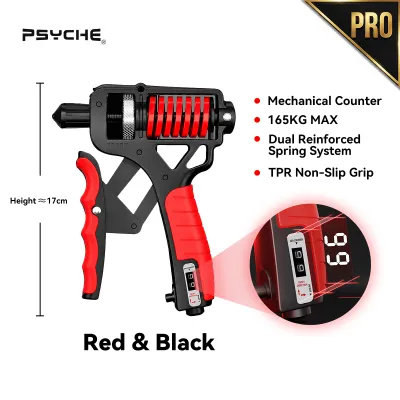
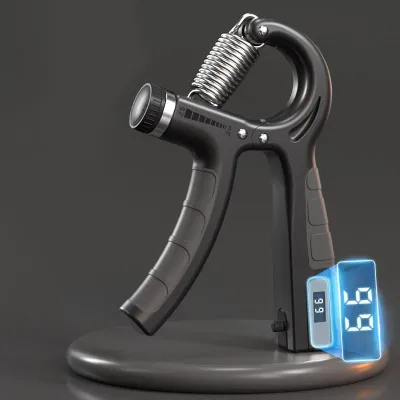
At the heart of every hand gripper is a torsion spring, which stores and releases rotational energy when you squeeze the handles together. The primary mechanical difference between adjustable and fixed-resistance models lies in how this spring interacts with the frame. Fixed-resistance grippers utilize a single, heavy-duty torsion spring permanently mounted to two solid handles, creating a direct and unyielding path of resistance. Adjustable grippers, on the other hand, feature a shifting anchor point or a dial mechanism that alters the spring’s angle or tension, allowing you to customize the force required to close the handles.
Products mentioned in this guide
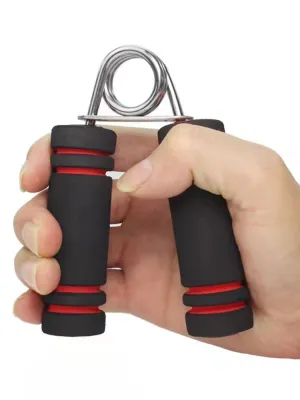
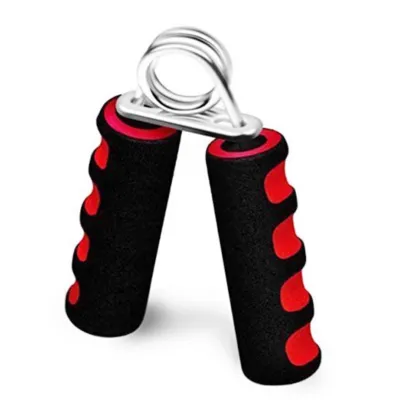
Prices are valid at publication and may change. Please refer to the product page for the latest price.
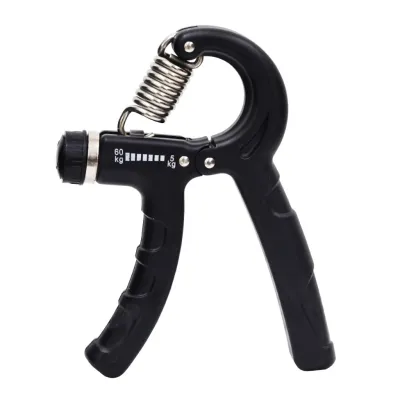
Handle ergonomics and materials also vary significantly between the two designs. Fixed-resistance grippers typically feature straight, cylindrical handles made of knurled aluminum or steel, which provide a high-friction surface to prevent slipping during intense training sessions. Adjustable grippers often use molded plastic or composite frames with rubberized inserts, offering a contoured shape that fits the natural curve of your hand but sometimes sacrificing raw durability.
The mechanical complexity of these tools dictates their long-term reliability. A fixed-resistance gripper has no moving parts other than the spring itself, making it virtually indestructible under normal training conditions. In contrast, the adjustment dials, pins, and sliding tracks on adjustable models introduce potential failure points that can wear down or slip over time, especially when subjected to maximum tension settings.
Evaluating Adjustable Hand Grippers
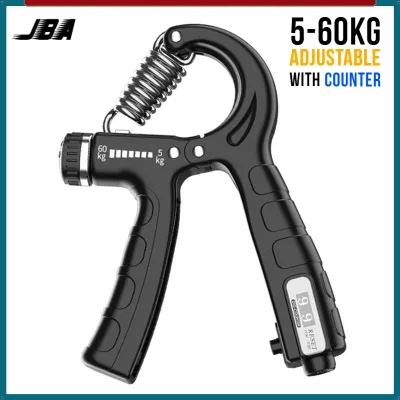
Adjustable hand grippers are designed for versatility, allowing you to modify the resistance level with the turn of a dial or the relocation of a spring pin. This variable tension mechanism typically covers a wide range, often starting as low as 5 kilograms and scaling up to 60 kilograms or more, depending on the specific model. This broad spectrum makes them highly adaptable, enabling you to use a single device for warm-ups, high-repetition endurance sets, and maximum-effort strength training.

These grippers are particularly well-suited for beginners who are still mapping their baseline grip strength and are unsure of what resistance level they can safely manage. They are also highly practical for shared households where family members of varying fitness levels want to use the same equipment. The ability to make micro-adjustments allows you to gradually increase the workload as your forearms adapt, supporting a steady progressive overload strategy without requiring additional purchases.
However, this versatility comes with specific trade-offs that you should evaluate before buying. The plastic components and adjustment dials can experience mechanical wear, particularly if the device is frequently adjusted or stored in hot, humid environments. Under high-tension settings, some lower-quality adjustment mechanisms may slip or squeak, which can disrupt your focus and compromise safety. Additionally, the bulkier handle profile required to house the adjustment mechanism may feel less comfortable for individuals with smaller hands.
Evaluating Fixed-Resistance Hand Grippers
Fixed-resistance hand grippers prioritize simplicity, durability, and absolute consistency. Because they feature a single-tension spring with no adjustable parts, the resistance remains identical every time you pick up the tool. This unyielding design is highly valued by advanced strength athletes, powerlifters, and climbers who need to track their progress against precise, standardized weight ratings.
These grippers are the standard choice for targeted grip milestones, where closing a specific rated gripper serves as a clear indicator of elite hand strength. They are also highly effective for structured physical therapy protocols, where a medical professional prescribes a precise level of resistance that must not fluctuate during rehabilitation exercises. The solid metal construction, usually featuring knurled aluminum handles, ensures a secure grip even when your hands are sweaty from training in non-airconditioned spaces.
The primary trade-off of fixed-resistance grippers is the lack of flexibility. To progress your strength, you must purchase an entirely new gripper with a higher resistance rating once you master your current level. This can make building a complete progression set more expensive over time, with individual units often priced from ₱300 to ₱1,500 or more depending on the brand and material quality. Additionally, because you cannot lower the tension, these grippers offer no built-in option for lighter warm-up sets or recovery training on days when your hands are fatigued.
Key Comparison Dimensions for Grip Training
When deciding between these two types of hand grippers, comparing them across specific training variables will help you identify which model fits your lifestyle and fitness routine. Progressive overload is the foundation of strength building, and how each tool facilitates this progression is a major differentiator. Adjustable grippers allow you to make immediate, incremental changes on a single device, whereas fixed grippers require you to jump to the next pre-set weight class, which can sometimes feel like too large of a leap.
Durability and maintenance are critical considerations, especially in tropical regions like the Philippines where high humidity can accelerate rust and degrade materials. Fixed-resistance grippers, with their solid metal handles and heavy-duty springs, require minimal maintenance beyond an occasional wipe-down to remove sweat and skin oils. Adjustable grippers, with their plastic housings and internal joints, are more susceptible to cracking, spring fatigue, and dust accumulation in the adjustment tracks, requiring more careful storage and handling.
Portability and ease of use also play a role in how consistently you will train. While both styles are compact enough to toss into a gym bag, fixed-resistance grippers are generally slimmer and more pocket-friendly because they lack bulky dials or wide plastic frames. This makes them easier to carry for quick training sessions during your daily commute or while sitting at your desk.
| Feature | Adjustable Hand Grippers | Fixed-Resistance Hand Grippers |
|---|---|---|
| Resistance Range | Variable (typically 5 kg to 60 kg) | Single, fixed tension per unit |
| Material Construction | Plastic or composite frame, steel spring | All-metal (aluminum handles, steel spring) |
| Durability | Moderate; moving parts can wear out | High; virtually indestructible |
| Progression Method | Turn dial on a single device | Purchase next weight rating |
| Handle Grip | Smooth or textured rubber inserts | Knurled metal (high friction) |
| Best For | Beginners, warm-ups, shared use | Advanced lifters, precise milestones |
How to Choose the Right Hand Gripper for Your Goals
To finalize your decision, evaluate your current fitness level and training environment against a clear set of conditions. Choose an adjustable hand gripper if you are new to grip training, want a cost-effective way to experience different resistance levels, or plan to share the device with others in your home. The ability to dial down the tension also makes it an excellent tool for high-rep endurance training and active recovery.
Opt for a fixed-resistance hand gripper if you are an experienced lifter, climber, or martial artist who demands maximum durability and a high-friction, knurled grip. These grippers are also the correct choice if you are following a specific rehabilitation program that requires a verified, unvarying resistance level. If you train in hot, humid conditions where sweat can cause your hands to slip, the knurled metal handles of a fixed gripper will provide superior security compared to smooth plastic.
Before making any purchase, verify the manufacturer’s handle dimensions to ensure they match your hand size comfortably. If you have pre-existing joint conditions, arthritis, or wrist pain, consult a qualified medical professional or physical therapist to determine if grip training is safe for you. Always inspect the build quality of the spring and handles to ensure they meet your safety standards before beginning any high-intensity training routine.
Frequently Asked Questions (FAQ)
How often should I train with a hand gripper to see strength improvements?
Like any other muscle group, the muscles in your forearms and hands require adequate rest to recover and grow stronger. For most individuals, training with a hand gripper 2 to 3 times per week is sufficient to stimulate strength gains without overtaxing your tendons. Ensure you allow at least 48 hours of recovery between intense sessions, and immediately stop training if you experience persistent joint pain or numbness. Always check your product’s manual for any manufacturer-recommended usage limits or safety guidelines.
Can hand grippers help with wrist pain or carpal tunnel syndrome?
While general forearm strengthening can support joint stability in healthy individuals, hand grippers are fitness tools and should not be used as a self-treatment for medical conditions like carpal tunnel syndrome or acute wrist pain. Squeezing a high-resistance gripper can actually worsen nerve compression and tendon inflammation if you are already suffering from an injury. If you are experiencing wrist pain or have a diagnosed medical condition, strongly advise consulting a physical therapist or medical professional before starting any grip training program.
Community discussion
Share your experience or ask a question. Comments are reviewed before publication.