
Finding a reliable, budget-friendly black bat as a beginner in the Philippines requires balancing performance, durability, and cost. A great beginner bat should offer a balanced swing weight, a forgiving sweet spot, and a durable exterior to withstand frequent practice sessions. While the sleek black color is a popular aesthetic choice, it is vital to focus on the underlying material, correct sizing, and league compliance rather than cosmetics alone.
Quick Guide to Choosing Your First Black Bat
For most entry-level players, a high-quality aluminum alloy bat with a black anodized finish represents the best starting point. These bats are durable, affordable, and ready to use immediately without any complex break-in procedures.
A “black” bat typically refers to either a painted or anodized protective finish on aluminum, or the natural carbon fiber weave of composite models. While composite bats offer excellent performance, their higher price point and delicate nature make them less practical for those just starting out.
Products mentioned in this guide
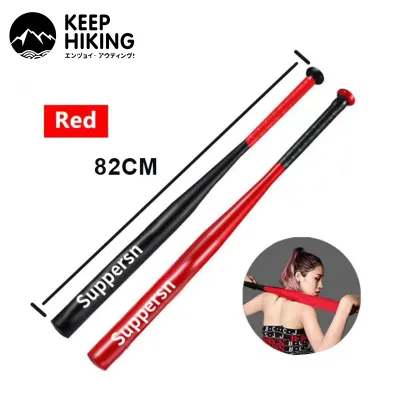
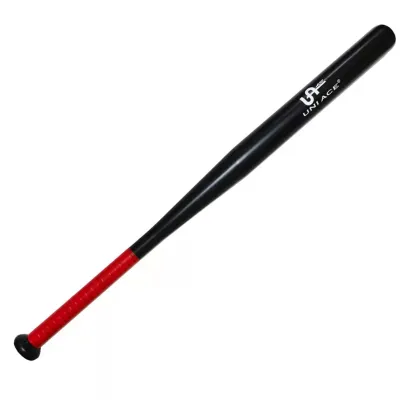
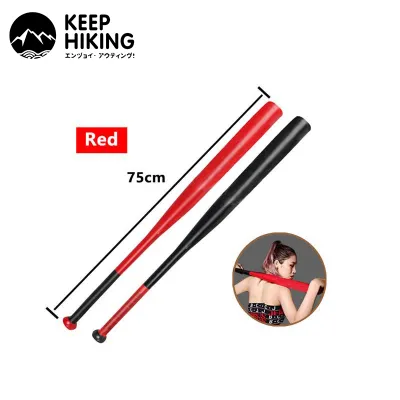
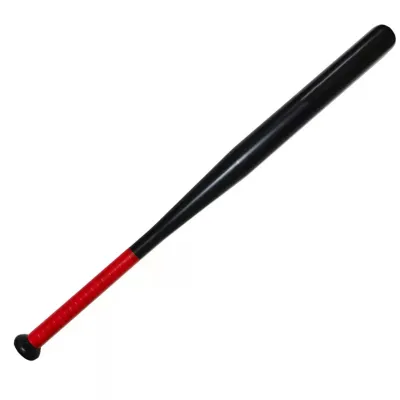
Prices are valid at publication and may change. Please refer to the product page for the latest price.
When shopping on a budget, prioritize finding the correct length and drop weight over high-end cosmetic packages or premium brand names. Ensuring the bat fits your physical frame and matches your local league’s safety regulations is far more important than buying an expensive model.
Which Black Bat Material Suits a Beginner?
Choosing the right material is the most critical decision when purchasing your first bat, as it directly impacts both the price and how the bat performs on the field.

- Aluminum and Alloy Bats: These are the most practical and cost-effective options for beginners. Alloy bats are constructed from a blend of aluminum and other metals, offering a highly durable frame that does not crack under heavy use. They feature a metallic sound upon contact and require no break-in period, meaning you can take them straight from the box to the field. Most affordable black bats on the market are alloy bats with a sleek black paint or anodized coating.
- Composite Bats: Built from carbon fiber materials, composite bats are known for their light swing weight and massive sweet spots. However, they are significantly more expensive and require a strict break-in process of hitting several hundred balls at medium speed while rotating the barrel. Additionally, composite resins can degrade if stored improperly in the high humidity of the Philippines, making them a risky investment for a beginner.
- Wood Bats: While wood bats offer a classic feel and are often painted black, they are highly unforgiving. A mishit near the handle or the end of the barrel can easily splinter the wood, requiring an immediate and costly replacement. Unless your local school or community league specifically mandates the use of wood, beginners should avoid them.
To confirm the actual material of a black bat when shopping online, look past the color and read the technical specifications. Search for terms like “7050 aircraft alloy” or “military-grade aluminum” to ensure you are buying a durable metal bat rather than a cheap plastic replica or a fragile wood composite.
Alloy vs. Composite: The Budget Trade-Off
The choice between alloy and composite comes down to durability, maintenance, and long-term value.
- Durability and Lifespan: Alloy bats are incredibly tough; if you mishit a ball, the bat might suffer a minor, cosmetic dent but will remain structurally safe to use. Composite bats, on the other hand, can crack under improper use or if hit by heavy training balls.
- Price and Value: A dependable beginner alloy bat in the Philippines typically costs between ₱1,500 and ₱5,000. In contrast, composite models often start well above ₱10,000. Because beginner players grow quickly and will likely need a larger bat within a season or two, investing in an affordable alloy bat offers much better value.
- Maintenance Requirements: Alloy bats require virtually no upkeep and can handle the tropical humidity of local storage rooms without issue. Composite bats require regular rotation during practice to ensure even wear across the barrel, adding an extra layer of responsibility that beginners might find distracting.
How to Size and Weigh Your Bat for Comfort and Control
Using a bat that is too heavy or too long will ruin your swing mechanics and can lead to wrist or shoulder strains.
- Determining the Correct Length: To find the right length, stand the bat upright next to your leg. The knob should reach the crease of your wrist. Alternatively, place the knob of the bat against the center of your chest and extend your arm straight out; your fingertips should comfortably reach the end of the barrel.
- Understanding Drop Weight: The drop weight is the difference between the bat's length in inches and its weight in ounces. For example, a 30-inch bat that weighs 20 ounces has a drop weight of -10. Beginners should look for a higher drop weight, such as -10, -11, or -12, because a lighter bat allows for better control, faster swing speeds, and proper form development.
- Barrel Diameter Standards: Youth leagues generally require a barrel diameter of 2 1/4 inches or 2 5/8 inches, while older divisions allow 2 3/4 inches. A larger barrel provides a bigger hitting surface but adds overall weight to the swing.
Always cross-reference the manufacturer’s official sizing charts before making an online purchase. Verify that the listed model number matches the exact length, weight, and drop ratio your body type requires, rather than relying on generic age recommendations.
Smart Shopping on Local E-Commerce Platforms
Finding a genuine, high-quality black bat on Philippine online marketplaces requires careful navigation to avoid low-quality replicas and toys.
- Verify the Seller: Always purchase from official brand flagship stores, certified local sporting goods distributors, or highly rated local sports shops. Avoid unverified general merchandise sellers offering generic black bats at suspiciously low prices, such as under ₱800, as these are often thin-walled toy bats that will bend or break on your first solid hit.
- Analyze the Product Title: Be skeptical of listings with keyword-stuffed titles like "Heavy Duty Black Baseball Bat Self Defense Soft Grip Professional." Authentic sports equipment listings will clearly state the brand, model name, material, and precise physical dimensions.
- Check for Safety Stamps: Look closely at the product photos and description for official league certification stamps. Depending on your local league rules, you may need a bat featuring a "USA Baseball," "USSSA 1.15 BPF," or "BBCOR .50" certification mark. If a listing does not explicitly show or state these certifications, it may not be allowed in organized games.
- Account for Logistics and Returns: Because bats are long, oversized items, shipping fees can vary significantly depending on your location in Luzon, Visayas, or Mindanao. Before finalizing your order, confirm that the seller has a reliable return policy in case the bat arrives damaged from transit or does not match the advertised specifications.
Where to Spend and Where to Save on a Budget
When assembling your baseball or softball gear, smart allocation of your budget ensures you get the safest and most effective equipment without overspending.
- Where to Spend: Allocate your budget toward a properly sized, league-certified alloy bat from a reputable manufacturer. Ensuring the bat has the correct drop weight and a durable alloy frame is non-negotiable for safety and skill development.
- Where to Save: Avoid paying extra for premium branded grip tape, advanced vibration-dampening handles, or limited-edition black colorways. Standard factory grips work perfectly fine, and cheap replacement grip tape can be easily wrapped later if needed. A simple pair of batting gloves can also manage hand vibrations just as effectively as high-end handle technology.
- Watch for Hidden Costs: Remember that a bat is only one part of your gear. Keep enough room in your budget for essential safety equipment, including a certified batting helmet, a proper glove, and protective cleats. If shipping fees or league fees push you over budget, it is better to wait for a seasonal sale from an authorized local distributor rather than purchasing a cheap, uncertified alternative.
Frequently Asked Questions (FAQ)
Do black baseball bats perform differently than silver or white ones?
No, the color of a bat is entirely cosmetic and has no impact on its performance, sweet spot, or durability. Whether a bat is finished in sleek black, bright silver, or white, its performance is determined solely by its internal material composition, wall thickness, and weight distribution.
How do I clean and maintain the black finish on my bat?
To keep your black bat looking clean, wipe it down with a damp microfiber cloth, mild dish soap, and lukewarm water after practice. Avoid using harsh chemical solvents, abrasive scrubbing sponges, or steel wool, as these can easily scratch the black anodized coating or strip away the protective clear coat.
Can I use a black softball bat for baseball, or vice versa?
No, you should never swap baseball and softball bats. Softball bats are designed with thinner walls and specific weight distributions to handle a larger, softer ball, whereas baseball bats are built to withstand the high-velocity impact of a smaller, much harder baseball. Using a softball bat in baseball can cause the barrel to crack or dent immediately, creating a safety hazard and violating league rules.
Community discussion
Share your experience or ask a question. Comments are reviewed before publication.