
Setting up a home gym in the Philippines does not require expensive, heavy iron plates or bulky machines that take up valuable living space. Resistance bands offer a highly versatile, space-saving alternative that can target every major muscle group. However, whether you are looking for a budget-saving deal, a specific “save band” entry-level option, or a durable set for daily use, it is easy to fall into the trap of purchasing low-quality products that snap under tension. Prioritizing safety and verifiable durability over unverified marketing claims is essential when working with a tight budget. This guide provides a practical framework for evaluating specifications, navigating local online marketplaces, and selecting a reliable set that fits your fitness goals without compromising your safety.
Defining Your Budget and Workout Needs
Before browsing online listings, you must identify the specific exercises you plan to perform and your current physical capacity. Resistance bands generally fall into two main categories, each serving distinct training purposes. Tube bands with detachable handles, door anchors, and ankle straps are highly suited for upper-body pulling and pushing motions, mimicking traditional cable machines. In contrast, continuous loop bands—often called pull-up assist bands or power bands—are ideal for lower-body exercises, mobility work, and adding resistance to compound movements like squats.
Selecting the correct resistance range prevents you from paying for extra bands you will never use. Beginners and those focusing on physical therapy or high-repetition endurance training typically require light to medium resistance. Intermediate and advanced lifters will need heavier loop bands to effectively stimulate larger muscle groups like the back and legs. Instead of buying a massive eleven-piece set with extreme tension levels you cannot safely pull, focus on smaller, targeted sets that match your current strength level.
Products mentioned in this guide
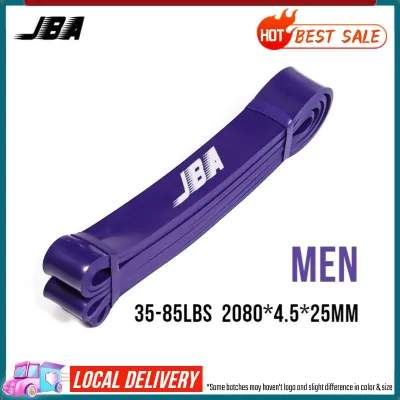
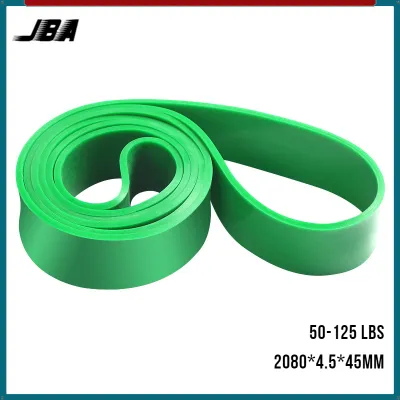
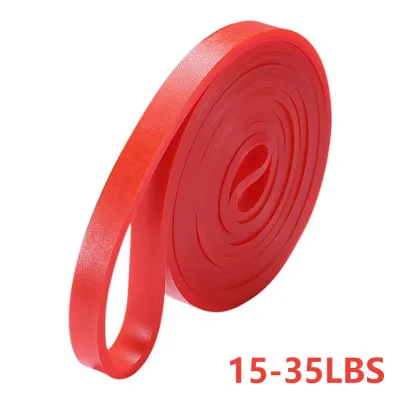
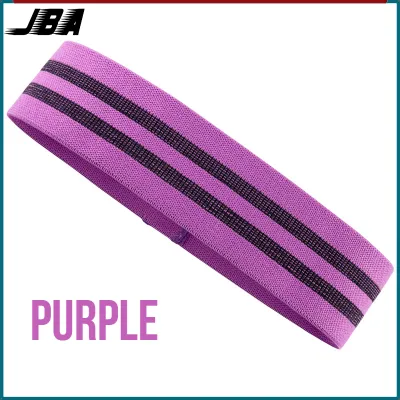
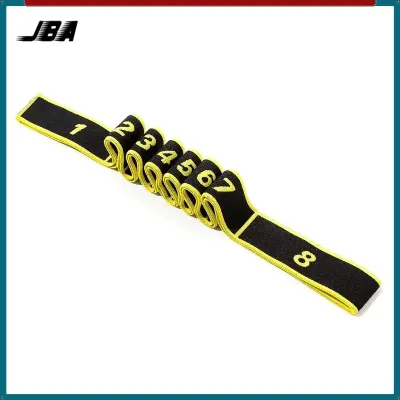
Prices are valid at publication and may change. Please refer to the product page for the latest price.
Establishing a realistic budget in Philippine Pesos (₱) helps narrow down your options immediately. A basic, reliable set of loop bands or a standard tube band kit can often be found for around ₱300 to ₱800. However, you must look beyond the base price of the bands themselves. Factor in additional costs such as shipping fees to your region, potential local taxes, and the price of essential accessories like a heavy-duty door anchor or protective floor mats. Setting aside a total budget of ₱500 to ₱1,000 ensures you can afford a set with robust hardware rather than the cheapest, most fragile option available.
Key Specifications to Check Before Buying
When shopping on a budget, you cannot rely on generic product titles or promotional graphics. You must actively verify the raw materials used in the manufacturing process. Most affordable bands are made of either natural latex or thermoplastic elastomer (TPE). Natural latex is highly recommended for serious training because it offers greater elasticity, a smooth resistance curve, and a longer overall lifespan. TPE bands are often cheaper and hypoallergenic, but they tend to lose their elasticity quickly, degrade faster in warm climates, and are more prone to sudden snapping under high tension.

The hardware included in tube band sets requires close inspection, as these components bear the brunt of the physical force during a workout. Look closely at the carabiners, D-rings, and strap connections. High-quality budget sets utilize solid metal carabiners and welded steel D-rings to secure the bands to the handles. Avoid sets that feature thin, plastic clips or open-loop metal hooks, as these can easily bend or break mid-exercise, leading to painful rebounds. The webbing on the handles and ankle straps should feature thick, double-stitched nylon rather than single-stitched polyester.
Every reputable manufacturer should provide clear safety limits, typically expressed as a weight equivalent or tension capacity in kilograms or pounds. Before purchasing, locate these specifications on the product detail page or packaging. Exceeding these limits by overstretching a band—usually past two and a half times its original resting length—creates a severe safety risk. If a budget band does not list its maximum stretch limit or weight equivalent, treat it as a warning sign and look for a product with transparent specifications.
Navigating Online Marketplaces and Avoiding Pitfalls
Finding a reliable, budget-friendly resistance band set on Philippine e-commerce platforms requires a systematic approach to filter out low-quality counterfeits. Start by verifying the seller’s credentials. Prioritize official brand stores, authorized distributors, or sellers with high positive ratings and a long history of active operations. Look for platform-verified badges that indicate a track record of reliable shipping and authentic products, which significantly reduces the risk of receiving a cheap imitation.
Customer reviews are invaluable, but you must learn to read between the lines to spot artificial feedback. Ignore generic five-star reviews that only praise the fast shipping or the packaging. Instead, filter the reviews to show those with user-uploaded photos and videos. Look for images of the bands under actual physical tension during a workout. Pay close attention to close-up shots of the stitching, the metal hardware, and the texture of the bands to verify that the delivered product matches the seller’s descriptions.
Achieving true cost transparency means calculating the final checkout price before making your decision. Online marketplaces frequently offer platform vouchers, store discounts, and free shipping promotions that can significantly lower the cost of a high-quality set. Compare the total cost—including shipping to your specific province—across different reputable sellers. Additionally, review the store’s return and refund policies; a seller that offers a straightforward return window for manufacturing defects provides a crucial safety net for budget buyers.
Maximizing Lifespan and Safe Usage at Home
Proper maintenance and storage are critical to preserving the elasticity of your bands, especially in the warm, humid climate of the Philippines. High temperatures and humidity can accelerate the degradation of natural latex, leading to dry rot and micro-cracks. Always store your bands in a cool, dry place indoors, away from direct sunlight and heat sources like appliances or unventilated storage metal boxes. After a sweaty workout, wipe the bands down with a damp cloth to remove body oils and sweat, then let them air dry completely before storing them.
Setting up a safe workout environment at home is just as important as the quality of the bands themselves. When using a door anchor, always place it on the side of the door that closes away from you, so that your pulling motion pulls the door shut against the frame rather than pulling it open. Ensure the door is fully latched and, if possible, locked to prevent anyone from opening it mid-set. Avoid anchoring your bands to sharp metal edges, rough wooden posts, or lightweight furniture that could tip over or cut into the material.
A quick pre-workout inspection must become a non-negotiable part of your fitness routine. Before every single training session, run your fingers along the entire length of each band while visually checking for tiny tears, nicks, discoloration, or dry patches. Inspect the stitching on the handles and the integrity of the metal clips. If you detect any sign of wear, no matter how small, immediately retire that band. Continuing to use a compromised band is a major safety hazard that can result in sudden snapping and severe injury.
Frequently Asked Questions (FAQ)
How often should I replace my resistance bands?
With regular home use, a budget-friendly resistance band set typically lasts between six months to two years. The exact lifespan depends heavily on your usage frequency, the resistance levels applied, and how well you protect the material from heat and humidity. You must replace your bands immediately if you observe any physical signs of degradation, such as micro-tears, deep scratches, loss of elasticity, or a sticky texture.
Can I combine multiple bands to increase resistance?
Yes, many tube band sets are designed to allow you to clip multiple bands onto a single pair of handles to stack the resistance. However, you must never exceed the physical capacity of the carabiners, D-rings, or the door anchor. If you find yourself regularly stacking three or more bands to achieve the desired tension, it is safer and more practical to purchase a single, thicker continuous loop band designed for heavier loads.
Are fabric loop bands worth the extra cost compared to latex?
Fabric loop bands are highly recommended for lower-body exercises like squats, glute bridges, and crab walks. They are made of a blend of elastic materials and fabric, which prevents them from rolling up, pinching your skin, or pulling on leg hair during movement. While they generally cost slightly more than basic latex loop bands, their enhanced comfort, durability, and resistance to snapping make them a highly worthwhile investment for lower-body training.
Community discussion
Share your experience or ask a question. Comments are reviewed before publication.