
Choosing the right suspension fork for your 29er mountain bike depends heavily on your riding style, weight, and the terrain you frequent. Air suspension forks are generally best suited for riders who prioritize lightweight setups, climbing efficiency, and the ability to easily adjust their fork’s stiffness for different trails. Conversely, coil suspension forks are ideal for riders seeking maximum small-bump sensitivity, consistent traction, and predictable performance on long, rough descents where heat buildup and friction can affect air systems. Understanding how these two distinct spring technologies interact with the unique dynamics of 29-inch wheels is key to optimizing your mountain bike’s front-end performance.
At their core, the two systems manage impact forces through entirely different physical mediums. An air fork utilizes a sealed chamber filled with highly compressed air that acts as the spring; when the fork compresses, the air volume decreases, causing the pressure and resistance to rise. A coil fork relies on a physical metal spring, typically made of steel or titanium, housed inside the fork stanchion. This physical spring compresses and rebounds with a highly consistent, physical resistance that does not rely on airtight seals to maintain its spring rate.
When paired with a 29er, these spring characteristics interact directly with the wheel’s inherent rolling dynamics. The larger 29-inch wheel diameter naturally rolls over obstacles more easily than smaller wheel sizes, but it also carries more rotational inertia and unsprung weight. An air fork can help offset the heavier weight of a 29er wheelset, keeping the front end nimble and easier to lift over obstacles. A coil fork, while heavier, can enhance the 29er’s natural traction by keeping the heavier wheel glued to the ground, maximizing grip through technical, high-speed sections.
Products mentioned in this guide
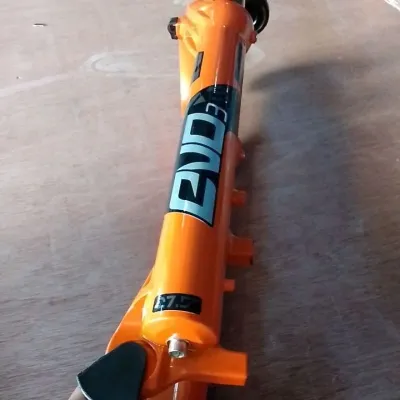
14 Lazada user ratings
Haven't fully tested it, but it looks durable...aesthetic is superb. everything fits perfectly on my 27.5 mountain pesk frame...kudos to the…Read full reviewShow less
Haven't fully tested it, but it looks durable...aesthetic is superb. everything fits perfectly on my 27.5 mountain pesk frame...kudos to the seller! Also, arrived on my end way earlier than expected...thank u!
Great value for money - highly recommended!, 🔌Compatibility:Perfect for both 27.5 and 29R bikes!,
received ko na quality boss d ako nagkamali ng inorderan salamat Boss
ganda sir legit na sagmit evo 3🥰🥰🥰
legit and responsive seller
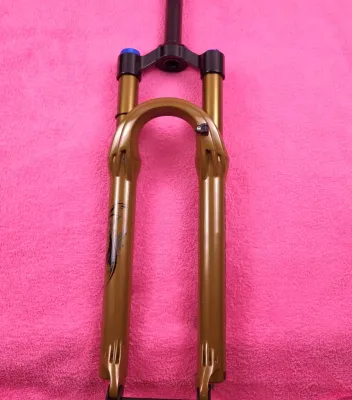
81 Lazada user ratings
Thank yous so much sa seller/shop na ito! napaka bikis nila mag response at mabilis nila naipapacked at shipped ang order 🥰 pang ilang order…Read full reviewShow less
Thank yous so much sa seller/shop na ito! napaka bikis nila mag response at mabilis nila naipapacked at shipped ang order 🥰 pang ilang order ko na sa shop na ito! Dito na kayo kumuha! at maganda ang service nila, napaka ganda ng bago kong Airfork, galing ako sa rigid pero ayus na ayus talaga ito! ang daming napapatingin sa fork na ito kasi kahawig na kahawig ng fox air fork hehe 😆 buti na lang hindi nagalit asawa ko nung nagpalit nanaman ako ng pyesa hahaha! promise last na to!, muna to! hahahaha 😆😆 thanks!! ang lakas maka pogi ng bike 😍🔥🚴♂️ ride sage everyone!
🔨Durability:10/10 🔌Compatibility:10/10 🛠️Ease of Installation:10/10 legit seller. inorder ko kahapon yumg item dumating agad ngayon at kinabi…Read full reviewShow less
🔨Durability:10/10 🔌Compatibility:10/10 🛠️Ease of Installation:10/10 legit seller. inorder ko kahapon yumg item dumating agad ngayon at kinabit ko agad ayos.!! salamat seller sa mabilis na transaction Durable and sturdy construction, Excellent shock absorption, Perfect fit for my mountain bike, Impressive color options, Lightweight aluminum alloy frame, Enhanced control on rough terrains,
🔨Durability:not sure yet 🔌Compatibility:good 🛠️Ease of Installation:easy if you know how to install very nice product, very catchy look. prod…Read full reviewShow less
🔨Durability:not sure yet 🔌Compatibility:good 🛠️Ease of Installation:easy if you know how to install very nice product, very catchy look. product arrived in good condition and was well packed. i was not expecting a fox sticker comes with it so i immediately removed the stock decals and placed the fox decals instead. looks good!
Durable and sturdy construction, Great value for the price, Improved riding experience, Lightweight aluminum alloy frame, Smooth and respons…Read full reviewShow less
Durable and sturdy construction, Great value for the price, Improved riding experience, Lightweight aluminum alloy frame, Smooth and responsive suspension, salamat sa avies seller ganda ng bounce at mgaan
angas ang pota na shock 10star to o sobra pa. d best
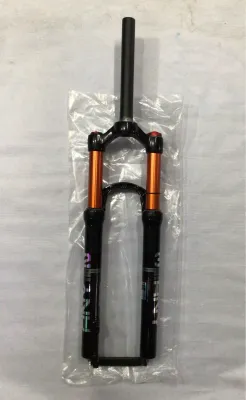
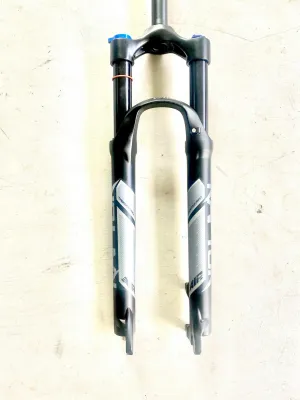
76 Lazada user ratings
rceive the item , di sya naka bubble wrap nka balot lang ng plastic at yung decalls naka angat halaos lahat pero okey lang i hope na walang …Read full reviewShow less
rceive the item , di sya naka bubble wrap nka balot lang ng plastic at yung decalls naka angat halaos lahat pero okey lang i hope na walang problema pag na ilagay na at magamit
thank you and god bless
nice solid airfork
Prices are valid at publication and may change. Please refer to the product page for the latest price.
Weight and Adjustability: Tuning for Your Rider Profile
The weight difference between air and coil suspension forks is one of the most immediate factors riders notice. Air forks are significantly lighter because pressurized air replaces a heavy metal coil, which directly improves climbing efficiency and reduces overall rider fatigue. The lighter front end also makes the bike feel more playful when popping off trail features. In contrast, a coil fork adds noticeable weight to the front of your 29er. While this extra weight can make climbing more labor-intensive, some riders find that the added mass stabilizes the front wheel on fast, chunky descents, preventing the bike from getting deflected by loose rocks. However, if your typical rides involve thousands of meters of elevation gain, the weight penalty of a coil spring is a critical trade-off to consider.
Adjustability is another area where these two systems diverge completely. Tuning an air fork to match your body weight or gear load is incredibly simple, requiring only a dedicated high-pressure shock pump. By adding or releasing air through a Schrader valve, you can adjust the sag and stiffness of your fork in seconds. Coil forks require a much more hands-on approach. Because the spring rate is determined by the physical thickness and material of the metal coil, you cannot adjust the stiffness on the fly. If your weight or gear load changes significantly, you must physically remove the fork’s top cap, extract the existing coil, and install a different spring with a higher or lower spring rate.
Progression tuning is a final key distinction in adjustability. Air forks naturally have a progressive spring rate, meaning they become harder to compress as they get deeper into their travel. You can easily tune this progression by adding or removing plastic volume spacers inside the air chamber. Adding spacers reduces the air volume, causing the fork to ramp up faster at the end of its stroke to prevent bottoming out on big hits. Coil forks, on the other hand, have a linear spring rate; the force required to compress the spring remains constant throughout the entire travel, meaning they do not naturally ramp up at the end of the stroke.
Trail Performance: Small-Bump Sensitivity vs. Big-Hit Support
On the trail, the physical differences between air and coil springs translate into distinct performance characteristics. Coil forks are renowned for their exceptional small-bump sensitivity and initial compliance. Because coil systems do not require tight, high-friction airtight seals to contain pressurized air, they have significantly less static friction (stiction). This allows the fork to react instantly to the smallest trail chatter, such as tree roots, small rocks, and ripples, keeping your front tire firmly planted and providing superior cornering grip. Air forks, while highly advanced, must utilize tight rubber seals to prevent pressurized air from leaking between chambers. This inherent friction can make the fork feel slightly less responsive to very small bumps, occasionally leading to a harsher feel over high-frequency trail chatter.

When it comes to big-hit support and bottom-out resistance, the progressive nature of air forks offers a distinct advantage. As you land a jump or drop into a deep compression, the air fork’s rapid ramp-up prevents the suspension from harshly bottoming out, protecting both the rider and the bike’s frame. Coil forks, with their linear spring rate, can struggle with bottom-out resistance on massive impacts unless they are paired with a specialized damper or a hydraulic bottom-out control system. Without these secondary systems, a coil fork may blow through its travel too quickly on large drops. However, on long, rough, sustained descents, coil forks maintain highly consistent performance because they do not suffer from heat buildup. Air forks can sometimes stiffen up on long descents as friction and ambient heat cause the air inside the chamber to expand, altering the spring rate mid-ride.
Matching these characteristics to your local terrain is essential. If you primarily ride cross-country (XC) loops, smooth flow trails, or undulating singletrack, the lightweight and supportive nature of an air fork is highly advantageous. If your riding consists of steep, technical enduro tracks, bike park laps, or rough downhill descents where traction and hand fatigue are your primary concerns, a coil fork’s plushness and consistency can transform your riding experience.
Maintenance and Durability on Trails in the Philippines
Riding in the tropical climate of the Philippines presents unique challenges for mountain bike suspension. High humidity, intense mud during the wet season, and fine volcanic dust during the dry season can quickly degrade suspension components if they are not properly maintained. Understanding the upkeep requirements of each spring type is crucial for protecting your investment.
Air forks require diligent, routine maintenance to preserve their performance and prevent air loss. The internal seals and O-rings that contain the pressurized air must be kept clean and lubricated. Over time, dirt and moisture can bypass the wiper seals, contaminating the bath oil and causing the air seals to dry out or wear down. If an air seal fails, the fork can suffer from “stuck down” syndrome (where air migrates to the negative chamber and sucks the fork down) or lose pressure entirely, leaving you with a collapsed fork on the trail.
Coil forks are mechanically simpler and generally more resilient to harsh environmental conditions. Because they do not rely on airtight chambers to function, a minor seal leak or slight internal contamination will not cause the spring to fail. The physical metal coil will continue to support your weight and provide suspension travel even if the internal lubrication oil is degraded. This mechanical simplicity makes coil forks highly reliable for riders who want a “set-and-forget” system that can withstand muddy, wet trail conditions without constant pressure checks.
However, both fork types still require regular lower-leg servicing to clean the wiper seals and replace the lubricating oil. Neglecting this basic maintenance on either system will lead to stanchion wear, where the protective coating on the upper tubes is rubbed away by dirt trapped in the bushings. Always inspect your fork stanchions after every ride in wet or dusty conditions, wiping them down with a clean, soft microfiber cloth to prevent debris from being pulled into the seals.
Decision Framework: Which 29er Fork Matches Your Riding Style?
To finalize your choice between an air and coil suspension fork for your 29er, evaluate your riding habits, mechanical preferences, and physical setup against this practical framework.
Choose an air suspension fork if:
- You prioritize a lightweight bike setup for climbing efficiency and nimble handling.
- You ride a mix of cross-country, trail, and flow-focused terrain.
- Your riding weight fluctuates, or you frequently change your gear load and need to adjust your suspension stiffness quickly.
- You enjoy fine-tuning your fork's ramp-up and bottom-out resistance using volume spacers.
Choose a coil suspension fork if:
- You prioritize maximum traction, front-wheel grip, and small-bump sensitivity over weight savings.
- You primarily ride steep, rough, technical enduro or downhill trails.
- You want consistent suspension performance on long, sustained descents without worrying about heat-induced pressure changes.
- You prefer a highly durable, mechanically simple system that requires less frequent internal seal maintenance.
Before purchasing any new 29er suspension fork, always verify its compatibility with your existing mountain bike frame and wheelset. Check the frame manufacturer’s maximum recommended axle-to-crown height and fork travel limits to avoid altering your bike’s geometry unsafely. Additionally, verify the steerer tube standard (most modern 29ers use a tapered 1.5-inch to 1-1/8-inch steerer), the front hub axle standard (such as 15x110mm Boost spacing), and the brake rotor mount compatibility to ensure a seamless installation.
Frequently Asked Questions (FAQ)
Can I convert my existing air fork to a coil spring?
Yes, many popular air fork models can be converted to a coil spring using aftermarket conversion kits. However, compatibility is highly specific to the fork’s chassis, model year, and stanchion diameter. Not all air forks can accept a coil conversion, as some inner stanchion walls may be scratched by a physical coil or lack the necessary internal threads for the conversion hardware. Before attempting a conversion, check the manufacturer’s official documentation or consult a professional bike mechanic to ensure compatibility. Converting a fork often requires specialized tools, a new coil spring matched to your weight, and specific top caps or shaft assemblies.
How often should I service my 29er suspension fork?
Service intervals depend heavily on your riding frequency and trail conditions, but most manufacturers recommend a basic lower-leg service (cleaning wiper seals and replacing bath oil) every 50 to 120 riding hours. A comprehensive service, which includes rebuilding the damper and replacing all air seals, is typically recommended every 100 to 200 hours. If you frequently ride in wet, muddy, or extremely dusty environments, you should perform these services more frequently. Regularly inspect your fork for observable signs of wear, such as oil weeping past the wiper seals, visible scratches on the stanchions, or a loss of air pressure over time. Always refer to your specific fork model’s service manual for exact intervals and procedures.
Community discussion
Share your experience or ask a question. Comments are reviewed before publication.