
Choosing the right mountain bike (MTB) stem material is a critical decision that directly influences your steering precision, cockpit weight, and overall trail safety. The stem serves as the vital link between your handlebars and the fork steerer tube, translating every physical input into directional movement. While alloy remains the undisputed industry standard for its balance of cost and resilience, carbon fiber and steel offer distinct performance characteristics tailored to specific riding styles and terrain.
Selecting the ideal material requires evaluating how you ride, where you ride, and how much maintenance you are willing to perform. A cross-country racer chasing climbing efficiency has vastly different equipment needs than a downhill rider launching off steep drops or a bikepacker traversing remote mountain passes. By understanding the physical properties, failure modes, and value propositions of alloy, carbon, and steel, you can make an informed decision that enhances both your performance and confidence on the trail.
Understanding MTB Stem Materials: Alloy, Carbon, and Steel
Alloy stems, almost exclusively made from aluminum, are the most common cockpit components found on modern mountain bikes. Manufacturers typically use 6061 or 7075 aluminum alloys, which are shaped using one of two primary methods: forging or CNC machining. Forged stems are pressed into shape under immense pressure, which aligns the internal grain structure of the metal to create a highly durable, cost-effective component. CNC-machined stems are carved from a solid block of billet aluminum, allowing for incredibly precise tolerances, sharp aesthetics, and targeted weight reduction, though they generally carry a higher price tag.
Products mentioned in this guide
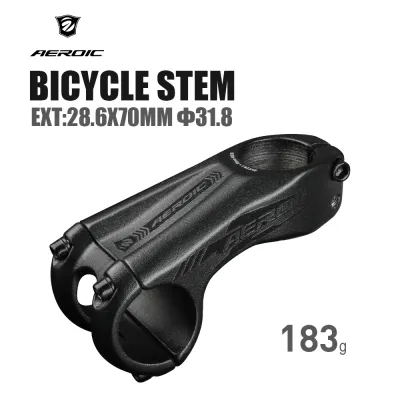
14 Lazada user ratings
Compatibility: For 28.6 - 31.8 fork and handle bars Ease of installation.: smooth as a silk....
🔨Durability:good 🔌Compatibility:compatible
satisfied customer maganda
goods goods gooods
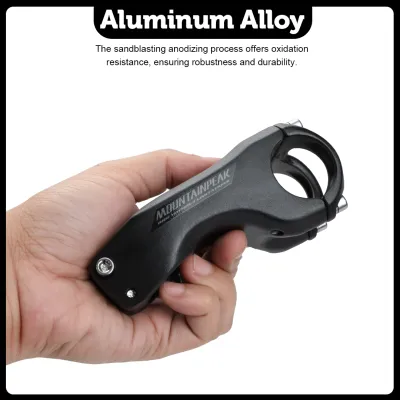
6 Lazada user ratings
Bicycle long stem 100mm Negative 17" Mtb Roadbike Stem Lightweight Alloy. High quality alloy with 3d forging.
all goods nmn medyo mahaba nga lng sa stock kong stem pero ok na din
🔨Durability:goods 🔌Compatibility:goods 🛠️Ease of Installation:goods
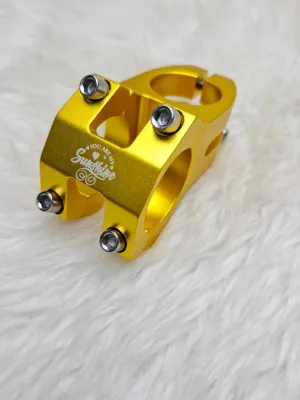
372 Lazada user ratings
Inorder ko kahapon dumating agad ngayon isang gabi lng yung tulog ko sa subrang bilis ng deliver🖒 salamat sa seller na napaka bilis mag reci…Read full reviewShow less
Inorder ko kahapon dumating agad ngayon isang gabi lng yung tulog ko sa subrang bilis ng deliver🖒 salamat sa seller na napaka bilis mag recieved ng order Godbless po sa bussines u☺
Late review: Matibay naman sya at sakto sa handle bar ko matagal lang dumating pero ok naman ang parcel, bagay naman sa bike ko hehe thanks …Read full reviewShow less
Late review: Matibay naman sya at sakto sa handle bar ko matagal lang dumating pero ok naman ang parcel, bagay naman sa bike ko hehe thanks sa rider at seller
panalo tong item na to ang ganda ng kulay order ulit ako ,, mukha naman matibay til next time salamat seller and rider.
Maganda ung stem kaso maliit pala ung handle bar ko😔 Di bale bili na lang ako bagong handle bar… thank you po seller!☺️
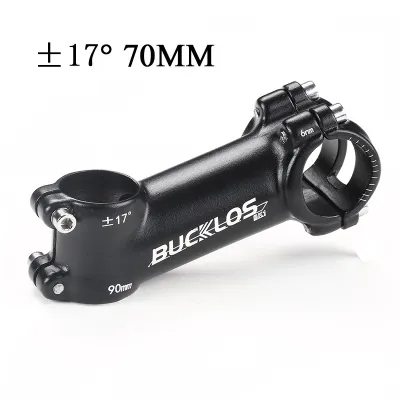
118 Lazada user ratings
it's good actually, it perfectly fits on my mtb great value for the price Durable and lightweight aluminum alloy, Easy to install and adjust…Read full reviewShow less
it's good actually, it perfectly fits on my mtb great value for the price Durable and lightweight aluminum alloy, Easy to install and adjust,
got the items nice and well packed. thank you seller and lazada for the voucher discount. will definitely order again
maluwag po mali po ng nabiling size gusto ko sana mapalitan ito
suoer ganda 5stars
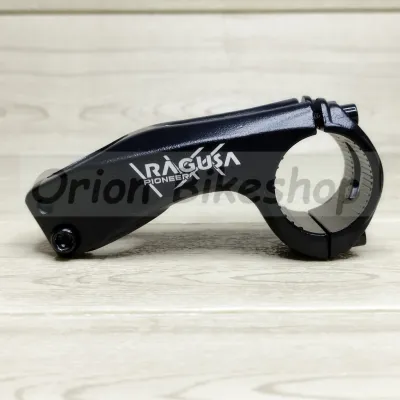
140 Lazada user ratings
Durable alloy material, Easy to install and adjust, Perfect fit for my bike, Improves my bike's performance, Great value for the price, Enha…Read full reviewShow less
Durable alloy material, Easy to install and adjust, Perfect fit for my bike, Improves my bike's performance, Great value for the price, Enhances my mountain biking experience, Provides a comfortable grip, Sleek and stylish design,
Improves my bike's performance, Sleek and stylish design, Durable alloy material, Perfect fit for my bike, Easy to install and adjust, High-…Read full reviewShow less
Improves my bike's performance, Sleek and stylish design, Durable alloy material, Perfect fit for my bike, Easy to install and adjust, High-quality construction,
ok maganda Quality:good
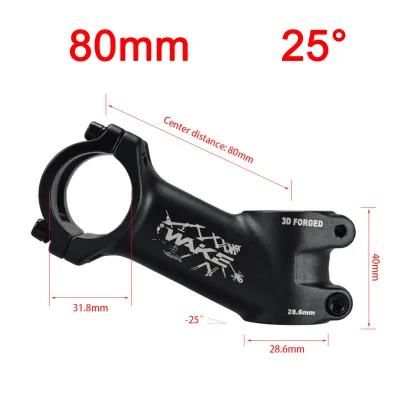
239 Lazada user ratings
Enhanced control and stability, Easy to install and adjust, Improved my riding experience, Perfect fit for my bike, Excellent value for the …Read full reviewShow less
Enhanced control and stability, Easy to install and adjust, Improved my riding experience, Perfect fit for my bike, Excellent value for the price, Durable aluminum alloy material, Sleek and stylish appearance, Lightweight and sturdy stem,
Durable aluminum alloy material, Lightweight and sturdy stem, Great design and build quality, Enhanced control and stability, Sleek and styl…Read full reviewShow less
Durable aluminum alloy material, Lightweight and sturdy stem, Great design and build quality, Enhanced control and stability, Sleek and stylish appearance, Easy to install and adjust,
Perfect fit for my bike, Improved my riding experience, Durable aluminum alloy material, Provides a comfortable riding position,
Easy to install and adjust, Improved my riding experience, Enhanced control and stability, Sleek and stylish appearance,
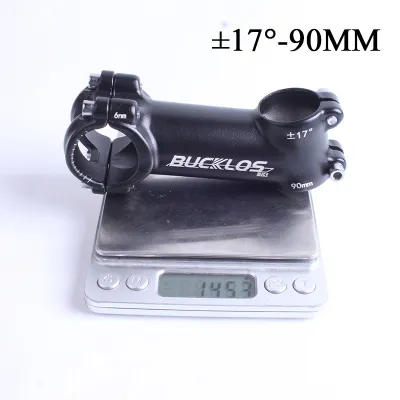
41 Lazada user ratings
Comes with multi-tool for installation, Precise fit for fork steerer tube, Lightweight aluminum alloy stem,
bad trip may sira
🔨Durability:
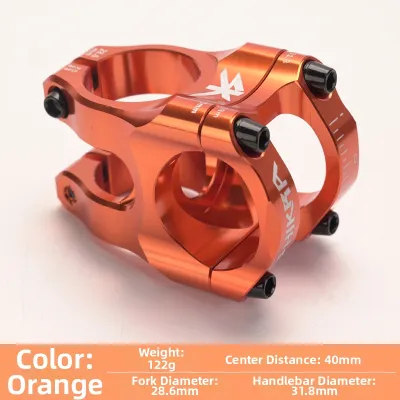
14 Lazada user ratings
ayos na ayo,.ang ganda, bagay na bagay sa bike ko
Amazing, fried tastes even better.
It's cheap and practical.
goods na goods guys
Prices are valid at publication and may change. Please refer to the product page for the latest price.
Carbon fiber stems are constructed from layers of carbon sheets bound together by a polymer resin matrix. This composite construction allows engineers to manipulate the direction of the fibers, optimizing the stem for high directional stiffness while stripping away unnecessary weight. Unlike metals, which have uniform properties in all directions, carbon fiber can be engineered to resist twisting forces from steering inputs while still offering a degree of vertical compliance to absorb trail chatter.
Steel stems, though less common in mainstream trail riding, retain a dedicated following among custom builders, dirt jumpers, and long-distance tourers. Typically constructed from chromoly (chromium-molybdenum) or stainless steel, these stems prioritize extreme yield strength and durability over weight savings. Steel can be drawn into thin-walled tubes that offer a unique, slender aesthetic and a subtle, spring-like compliance that helps smooth out harsh vibrations from the trail.
Matching Stem Material to Your Riding Discipline
Your primary riding discipline dictates the physical demands placed on your cockpit, making certain materials far more suitable than others. In cross-country (XC) racing, where climbing efficiency and weight reduction are paramount, every gram saved contributes to faster times. High-end alloy and carbon fiber are the dominant choices here. While carbon fiber offers the ultimate weight savings and excellent stiffness for out-of-the-saddle sprinting, premium lightweight alloy stems provide a highly competitive alternative for riders who want to maximize their budget.

For trail and enduro riding, which involve a mix of technical climbing, high-speed descents, and moderate drops, equipment must balance durability with weight. Alloy stems are the practical standard for this category. They provide the necessary stiffness to handle aggressive cornering and rough terrain while offering peace of mind during the inevitable crashes that come with pushing your limits on technical trails.
In downhill (DH) and freeride disciplines, where impact forces are extreme and crash risks are high, predictable failure modes are a critical safety consideration. Alloy and steel are highly preferred in these high-risk environments. If a severe crash occurs, metal components are more likely to bend or deform rather than snap instantly, allowing you to maintain some control or at least identify the damage immediately. While carbon DH stems exist, they require meticulous post-crash inspections and carry a higher risk of hidden structural damage that could fail unexpectedly on subsequent runs. Equipment choice cannot replace proper skill, training, and trail judgment.
Comparing Weight, Stiffness, and Vibration Damping
The physical performance of your stem directly affects steering inertia, handling precision, and hand fatigue during long descents. Weight is often the first metric riders compare, as reducing mass at the steering axis can make the front end feel slightly more agile during rapid, technical maneuvers. However, because the stem sits directly over the steering axis, the impact of its weight on handling is relatively minor compared to rotational weight in the wheels or tires.
Stiffness is crucial for maintaining steering precision under heavy braking and hard cornering loads. A flexy stem can cause the front wheel to wander or deflect when navigating rock gardens or off-camber roots. Both high-quality alloy and carbon stems offer exceptional stiffness, but carbon has the unique advantage of directional tuning. Engineers can design a carbon stem to remain incredibly stiff laterally for precise steering, while allowing a microscopic amount of vertical flex to take the edge off sharp impacts.
Vibration damping is a key factor in reducing hand fatigue, numbness, and arm pump on long, rough descents. Carbon fiber naturally dampens high-frequency trail buzz far better than aluminum, which tends to transmit vibrations directly to your hands. Steel also offers excellent natural damping and compliance due to the inherent elasticity of the material, though this benefit comes with a significant weight penalty that may not appeal to performance-oriented trail riders. To make an accurate comparison, always verify the exact gram weights and stiffness claims on the manufacturer’s official specification sheet, as design and wall thickness often influence performance more than material alone.
Impact Resistance, Durability, and Failure Modes
Understanding how each material behaves under stress, crashes, and maintenance is essential for long-term safety and cockpit reliability. Alloy stems are highly resilient but have a finite fatigue life, meaning they will eventually weaken after years of repeated stress cycles. When alloy fails under extreme impact, it typically bends or cracks slowly rather than snapping catastrophically. To prevent premature fatigue or cracking, it is critical to adhere to strict torque specifications (usually between 4 and 6 Newton-meters) on the faceplate and steerer clamp bolts, using a calibrated torque wrench for every adjustment.
Carbon fiber possesses incredible tensile strength but is highly sensitive to crushing forces and sharp, localized impacts. Over-tightening a stem bolt can easily crush the internal composite structure, creating a severe safety hazard. Furthermore, a hard crash can cause internal delamination—where the carbon layers separate—without showing any visible damage on the surface. This hidden damage can lead to sudden, catastrophic failure during a subsequent ride. When installing carbon components, always use carbon assembly paste to increase friction, allowing you to achieve a secure clamp at lower torque values, and inspect the stem regularly for any soft spots or deep scratches.
Steel stems offer unmatched yield strength and are virtually immune to the fatigue limits that affect aluminum. A high-quality steel stem can survive extreme abuse, hard crashes, and repeated clamping without losing its structural integrity, making it the most reliable option for remote bikepacking where equipment failure is not an option. The primary durability concern with steel is corrosion. To prevent rust, especially when riding in wet or humid conditions, you must perform regular maintenance, which includes applying a thin layer of grease or rust inhibitor to the inside of the stem and the clamp interfaces.
Budget and Value: Navigating MTB Stem Prices in the Philippines
Navigating the financial aspect of upgrading your cockpit requires setting realistic budget expectations based on local market availability. In the Philippines, entry-level alloy stems typically range from ₱800 to ₱1,800, offering a highly durable and cost-effective solution for budget-conscious riders or those building up a basic trail bike. Mid-range alloy stems, which often feature advanced CNC machining, lighter weight, and refined aesthetics, generally cost between ₱2,000 and ₱4,500. Premium options, including high-end carbon fiber stems and boutique CNC-machined alloy or custom steel stems, can range from ₱5,000 to well over ₱12,000.
For the vast majority of mountain bikers, alloy stems represent the best overall value. They deliver nearly all the performance, stiffness, and reliability of premium materials at a fraction of the cost, allowing you to allocate your budget toward components that have a more significant impact on ride quality, such as suspension tuning, high-grip tires, or powerful brakes.
Investing in a premium carbon or custom steel stem is generally justified only if you have highly specific riding goals. If you are a competitive cross-country racer where every gram counts, or if you suffer from severe hand fatigue and want to maximize vibration damping, the premium for carbon may be worth it. Similarly, if you are building a bespoke touring or bikepacking rig where extreme durability and classic aesthetics are paramount, the investment in a high-quality steel stem is a logical choice.
When shopping in the local market, verifying product authenticity is paramount for your safety. Counterfeit carbon components are highly prevalent on online marketplaces and pose a severe risk of sudden failure on the trail. Always purchase your cockpit components from authorized local distributors or reputable physical bike shops. Additionally, check the manufacturer’s warranty terms and inspect the product packaging, serial numbers, and finish quality carefully before installation.
Decision Framework: Choosing Your Ideal MTB Stem
To finalize your decision, match your riding style, budget, and maintenance habits to the following material profiles:
Choose Alloy if: You want a dependable, cost-effective, and highly durable stem for general trail, enduro, or downhill riding. It requires minimal maintenance, handles crashes exceptionally well, and fits easily into almost any budget.
Choose Carbon if: You are building a lightweight cross-country race bike, have a flexible budget, want to minimize trail vibrations to reduce hand fatigue, and are committed to using a torque wrench for all cockpit adjustments.
Choose Steel if: You are building a rugged bikepacking rig, a dirt jumper, or a classic steel hardtail where maximum yield strength, long-term durability, and a compliant ride feel are your top priorities.
Before purchasing any new stem, you must verify that its physical dimensions match your current cockpit setup. Check your handlebar clamp diameter (typically 31.8mm or 35mm) and your fork’s steerer tube diameter (usually 1-1/8 inches) to ensure compatibility. Additionally, measure the stem’s stack height against your fork’s remaining steerer tube length to confirm that you have sufficient space for secure clamping without exceeding safe spacer limits.

Community discussion
Share your experience or ask a question. Comments are reviewed before publication.