
Finding a reliable badminton racket that fits a tight budget can be a challenge, especially for beginners who want to enjoy the sport without overspending. An Alsport badminton racket under ₱1,000 offers an accessible entry point for casual players in the Philippines, providing a practical balance of durability and ease of use. Whether you are playing on a weekend at a local barangay covered court or practicing basic drills, these budget-friendly rackets deliver the necessary performance to help you learn the game. By understanding what to look for in terms of weight, flexibility, and materials, you can secure a dependable racket that will support your skill development.
Setting Realistic Expectations for a ₱1,000 Budget
When shopping with a strict budget of ₱1,000, managing expectations is key to making a satisfying purchase. In the local market, this price range is firmly positioned in the entry-level category. This means buyers should prioritize structural durability and user-friendly design over high-end aerodynamic technologies or ultra-premium materials. Rackets in this tier are designed to withstand the occasional accidental clash or ground scrape, which are common occurrences when learning the sport.
At this price point, you will primarily encounter composite materials rather than high-modulus carbon fiber. Rackets are typically constructed from aluminum-graphite composites or entry-level carbon blends. While these materials are slightly heavier than the premium carbon fibers used in professional gear, they offer excellent structural resilience. This makes them highly forgiving for casual matches where players are still refining their swing paths and contact points.
Products mentioned in this guide
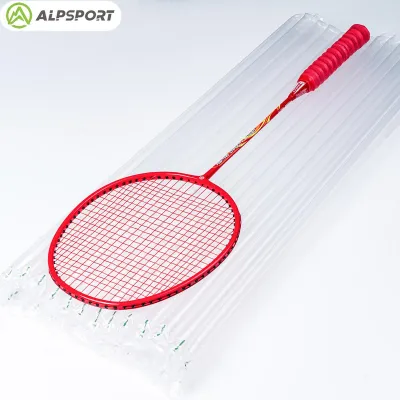
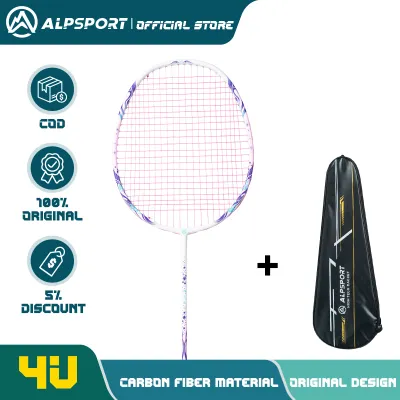
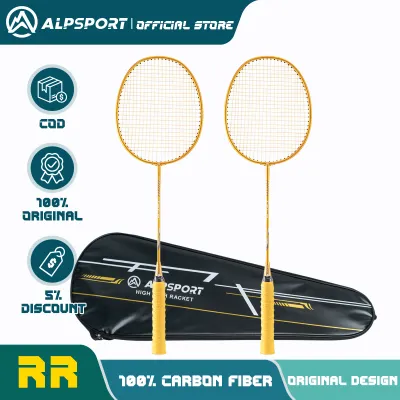
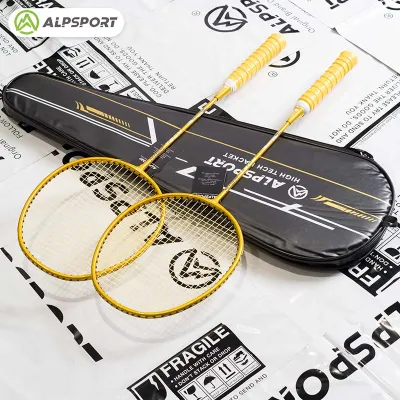
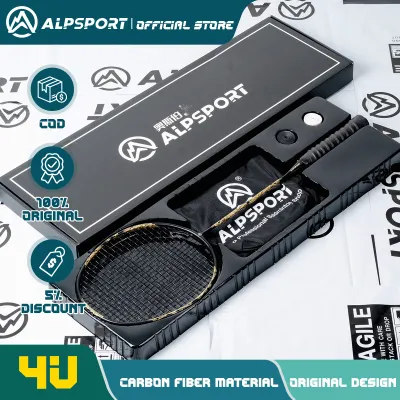
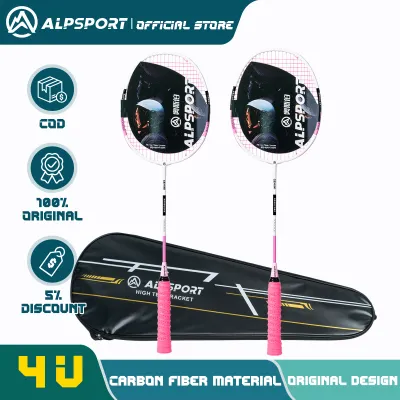
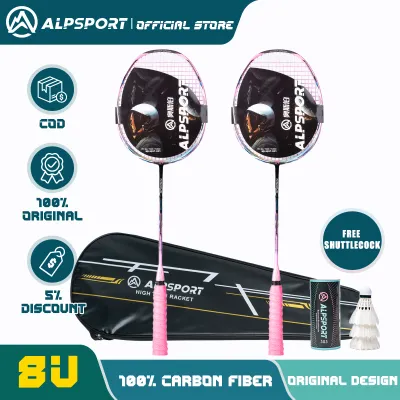
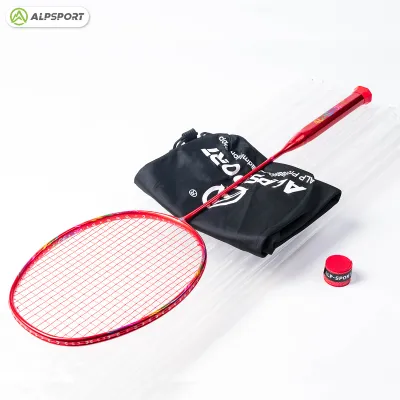
Prices are valid at publication and may change. Please refer to the product page for the latest price.
The primary goal for any beginner shopping in this price bracket is to find a racket that minimizes physical strain. A heavy or poorly balanced racket can quickly lead to wrist fatigue or shoulder soreness, especially during long sessions in humid tropical weather. By focusing on models that prioritize a lightweight feel and a flexible shaft, you can develop proper swing mechanics and enjoy consistent play without risking early fatigue or injury.
Crucial Specifications to Prioritize Over Brand Hype
Navigating technical specifications can feel overwhelming, but focusing on a few key metrics will help you find the right Alsport racket for your physical capabilities.

Weight and Grip Size
The weight of a badminton racket is categorized using the “U” classification system, which is crucial for determining how easy the racket is to maneuver. For beginners and casual players, rackets in the 4U (80 to 84 grams) or 5U (75 to 79 grams) ranges are highly recommended. These lighter weights allow for quick defensive reactions and reduce the overall load on your wrist and elbow joints during extended play. Heavier rackets, such as those in the 2U or 3U categories, require significant forearm strength to swing repeatedly and can lead to rapid fatigue in warm conditions.
Grip size, denoted by the letter “G” followed by a number, is another essential comfort factor to verify. In the local market, G4 and G5 are the most common sizes, with G5 being the smaller option. It is generally safer to choose a smaller grip size like G5 because you can easily customize the thickness by adding an overgrip. A handle that is too large from the start cannot be reduced, which can prevent you from securing a proper finger-tip grip and limit your control over shot angles.
Balance Point and Shaft Flexibility
A racket’s balance point determines how the weight is distributed across its length, directly affecting your playing style. Beginners should look for even-balance or slightly head-light rackets. Even-balance models offer a versatile mix of power and control, while head-light options make it much easier to defend against fast shots and maneuver the racket quickly near the net. Head-heavy rackets are designed for power hitters but can be difficult for novices to control, often leading to mistimed shots.
Shaft flexibility is equally important for players who are still mastering their swing technique. A flexible shaft acts like a spring, bending during the backswing and snapping forward to generate extra shuttlecock speed upon impact. This “whip” effect is incredibly beneficial for casual players who have not yet developed a powerful wrist snap or coordinated weight transfer. Stiff shafts require precise, high-speed swings to generate power and can feel unforgivingly rigid if your timing is slightly off.
Frame Material and String Tension Limits
Understanding the material limitations of a budget racket is essential for preventing premature damage. Most Alsport rackets under ₱1,000 utilize aluminum heads paired with graphite shafts, or are made entirely of entry-level carbon composites. While durable, these frames have lower structural limits than professional-grade rackets, meaning they cannot withstand extreme string tensions.
For these budget-friendly composite frames, the recommended maximum string tension typically ranges between 18 and 22 pounds (lbs). You should avoid requesting high-tension stringing, such as 24 lbs or higher, as the excessive pressure can easily warp or crack the frame. Keeping the tension within the recommended lower range also provides a larger “sweet spot” on the string bed, which is highly beneficial for beginners who need maximum forgiveness on off-center hits.
Navigating Online and In-Store Purchases in the Philippines
Acquiring your Alsport racket requires a careful approach, whether you prefer the convenience of online shopping or the hands-on experience of a physical retail store.
When browsing online marketplaces, verification is your best defense against poor-quality products. Start by examining the seller’s overall rating and filtering the customer reviews to read feedback from actual buyers. Look specifically for comments regarding how the racket was packaged, whether the frame arrived warped, or if the paint chipped after only a few uses. Additionally, verify if the listing explicitly includes a protective head cover, as this accessory is vital for safe transport.
If you prefer shopping at a physical sports store, you have the advantage of conducting a thorough hands-on inspection before paying. Use the following checklist to evaluate the racket on display:
- Frame Inspection: Hold the racket up to the light and check the entire frame for any hairline cracks, deep scratches, or uneven paint finishes that might indicate structural weakness.
- Shaft Flex Test: Gently bend the shaft to confirm it has a comfortable flex and does not make any creaking noises.
- Grip Quality: Check the factory grip to ensure the material is intact and has not become sticky or degraded from prolonged exposure to humid warehouse storage.
- Grommet Check: Ensure that the plastic grommets lining the frame holes are fully intact, as missing grommets can cause the strings to rub directly against the metal or carbon, leading to premature snapping.
Be cautious of online listings that claim “professional tournament grade” or “high-tension carbon” at prices well under ₱1,000. These are often misleading marketing terms used to sell generic, heavy steel rackets. To ensure you are getting a genuine Alsport product, look for official brand tags, holograms, or purchase directly from authorized local distributors and well-known sports retail chains.
Allocating the Remaining Budget for Essential Gear
To get the most out of your badminton experience, it is wise to view your ₱1,000 budget as a total package cost rather than spending the entire amount on the racket alone. A complete, playable setup requires a few additional accessories that are crucial for comfort and durability.
If you select an Alsport racket priced between ₱600 and ₱800, you will have a comfortable reserve of ₱200 to ₱400. This remaining amount should be allocated to essential gear that directly impacts your playability. First on your list should be a basic polyurethane (PU) overgrip, which typically costs under ₱100. In the warm and humid climate of the Philippines, hands sweat quickly, and a quality overgrip prevents the racket from slipping out of your hand while improving overall shock absorption.
Next, consider the type of shuttlecocks you will use. While feather shuttlecocks offer superior flight paths, they are highly fragile and can degrade after just a few hard hits, making them expensive to maintain. For beginners and casual outdoor games, a tube of durable nylon (plastic) shuttlecocks is a much more cost-effective choice. Nylon shuttlecocks can withstand repeated mis-hits on concrete or windy outdoor courts, lasting significantly longer than their feather counterparts.
Finally, remember to factor in potential shipping fees if you are purchasing your gear from online platforms. Look out for platform vouchers, free shipping discounts, or bundle deals that combine the racket, an overgrip, and a cover. Managing these small costs carefully ensures that your entire starter kit arrives at your doorstep without pushing your total expenditure past the ₱1,000 threshold.
Maintenance Habits to Protect Your Entry-Level Investment
Once you have purchased your Alsport racket, practicing proper maintenance will extend its lifespan and keep the strings performing consistently.
The tropical climate in the Philippines presents specific environmental challenges for sports equipment. High heat is a major enemy of composite rackets; never leave your racket inside a parked car, near hot appliances, or under direct sunlight for extended periods. Extreme temperatures can soften the resins holding the composite materials together, leading to frame warping or a rapid loss of string tension. Always store your racket in a cool, shaded area inside your home.
Physical care during play is equally important for preserving the frame’s integrity. Beginners often scrape the racket head against the ground when attempting to retrieve low shots. This habit chips the protective paint layer, exposing the underlying aluminum or carbon composite to moisture and sweat, which can eventually lead to corrosion or structural weakening. Try to develop a clean lifting technique, and consider applying a thin layer of protective head tape to the top of the frame to guard against accidental scrapes.
Moisture control is another critical factor for maintaining your gear. After a sweaty playing session, avoid immediately sealing the racket inside its cover if the grip is damp. Leaving a wet grip in a closed, humid bag creates an ideal environment for mold and bacteria to grow, which will quickly ruin the handle material. Instead, wipe the handle down with a dry cloth and let the racket air out in a well-ventilated room before storing it away.
Frequently Asked Questions (FAQ)
Is it better to use factory pre-strung strings or restring immediately?
For beginners and casual players, it is highly recommended to use the factory pre-strung strings until they naturally break. Restringing a racket immediately with premium strings can cost anywhere from ₱300 to ₱500, which represents a significant portion of your initial budget and defeats the purpose of buying an affordable under-₱1,000 racket. Furthermore, factory strings are typically tensioned at a moderate, forgiving level (around 18 to 20 lbs) that is perfectly suited for learning basic control and swing mechanics. Once your skills improve and the original strings eventually snap, you can then consider upgrading to a higher-quality string set.
Will an entry-level Alsport racket hold up as my skills improve?
An entry-level Alsport racket is an excellent tool for mastering the fundamentals of badminton, such as proper footwork, grip transitions, and basic clears. However, as your technique advances and your swing speed increases, you will eventually find that you outgrow the capabilities of a budget composite racket. More advanced players require stiffer, full-carbon fiber frames that can safely support higher string tensions (24 lbs and above) for precise shot placement and explosive power. While your budget racket will serve you well during your initial learning phase, transitioning to a mid-range or advanced racket will become necessary once you begin participating in competitive club matches or structured tournaments.
Community discussion
Share your experience or ask a question. Comments are reviewed before publication.