
Choosing the right hull material is one of the most critical decisions when acquiring a vessel for navigating the diverse waters of the Philippines. Whether you plan to explore shallow coastal reefs, navigate tidal estuaries, or cross open ocean channels between islands, the choice between aluminum and fiberglass directly impacts your safety, operational costs, and overall boating experience.
Before comparing materials, you must define your primary boating activities, such as nearshore fishing or long-distance island-hopping, and evaluate your local infrastructure. Consider your access to secure dry storage, the availability of boat trailers, and your personal capacity for performing routine maintenance in a high-humidity, high-salinity tropical climate. The seasonal monsoon patterns and sudden weather shifts in tropical environments also demand a vessel that matches your skill level and local water conditions.
The geography of the Philippines presents a unique transition from calm, shallow bays to deep, unpredictable channels like the Verde Island Passage or San Bernardino Strait. Tidal ranges can expose reefs quickly, making hull draft and material choice a daily operational concern. Understanding how each material behaves under these specific conditions will help you select a boat that ensures safety and longevity.
Products mentioned in this guide
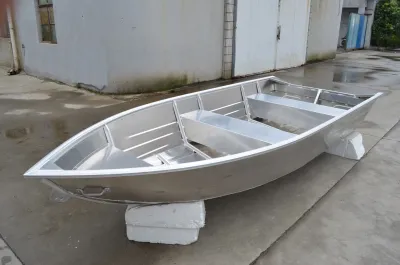
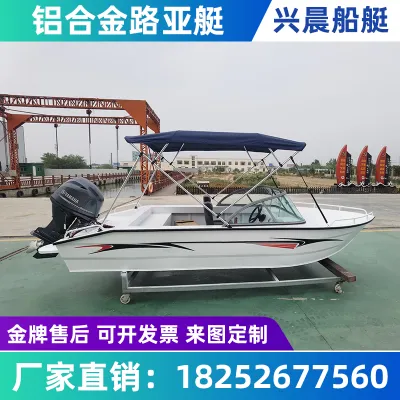
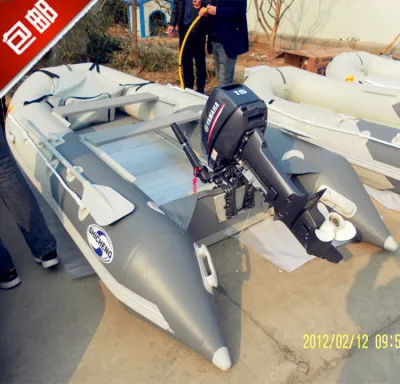
Prices are valid at publication and may change. Please refer to the product page for the latest price.
Evaluating Impact Resistance for Shallow Reefs and Beach Landings
Navigating the shallow waters around Philippine islands often brings boaters into close contact with hidden hazards, including coral heads, sandbars, and rocky shorelines. Aluminum hulls are highly regarded for their structural resilience against sudden physical impacts. When an aluminum boat strikes a hard object, the metal typically dents or scratches rather than puncturing, allowing the vessel to remain seaworthy in many minor grounding scenarios. This makes aluminum a practical choice for exploring uncharted coves or beaching directly on sandy shores.
In contrast, fiberglass hulls are more rigid and brittle. A similar impact can crack the outer gelcoat or fracture the underlying fiberglass laminate, potentially leading to water intrusion if the structural layers are compromised. While fiberglass is highly durable under normal operating conditions, it requires greater caution when navigating near shallow reefs or rocky areas where underwater obstructions are common.
To ensure safety after any grounding or beach landing, perform a systematic visual inspection of the hull. Check the keel, chines, and transom for deep gouges, weeping water, or structural deformation. For aluminum, look closely for cracked welds or loose rivets that could allow slow leaks. For fiberglass, inspect for spiderweb cracks in the gelcoat or exposed fiberglass fibers that require immediate sealing to prevent water absorption.
Always prioritize safety by establishing strict operational boundaries based on your vessel’s limits. If you are navigating uncharted or poorly marked shallow passages, reduce your speed to a minimum to minimize impact force. If you suspect structural damage or notice water accumulating in the bilge, immediately stop navigating, head to the nearest safe landing area, and verify the hull’s integrity before proceeding.
Managing Saltwater Maintenance and Long-Term Upkeep
The tropical marine environment of the Philippines presents severe challenges for both aluminum and fiberglass hulls, requiring distinct maintenance routines to prevent degradation. Aluminum boats are highly susceptible to galvanic corrosion when operated in saltwater. This electrochemical process occurs when dissimilar metals, such as stainless steel fasteners or bronze fittings, come into contact with the aluminum hull in the presence of saltwater.

To mitigate galvanic corrosion, you must regularly inspect and replace sacrificial anodes. These anodes, typically made of zinc or specialized aluminum alloys, are designed to corrode first, protecting the main hull structure from electrical currents. Additionally, ensure that any electrical wiring is properly insulated and never grounded directly to the metal hull, as stray current can rapidly accelerate metal loss.
Fiberglass boats do not suffer from galvanic corrosion, but they require diligent cosmetic and structural care to withstand intense tropical sunlight and saltwater. Over time, UV exposure can cause the gelcoat to fade, chalk, or develop osmotic blisters. Osmotic blisters occur when water penetrates the outer gelcoat layer and reacts with the underlying resin, creating pockets of fluid that can weaken the laminate if left untreated.
To prevent gelcoat degradation, fiberglass owners must regularly wash the hull with marine-grade soap and apply a high-quality UV-resistant wax or sealant. This protective layer helps block harmful solar radiation and makes it more difficult for salt and marine growth to adhere to the surface.
Regardless of the material, establish a consistent post-trip maintenance routine to extend your hull’s lifespan. After every outing, thoroughly rinse the entire vessel with clean freshwater to remove salt crystals, paying close attention to trailers, outboard mounts, and steering components. Whenever possible, store the boat in a dry, shaded area or under a breathable cover to minimize exposure to rain and direct sunlight. High humidity can trap moisture under boat covers, leading to mold on fiberglass or accelerated crevice corrosion on aluminum if standing water is not drained properly.
Comparing Ride Comfort and Fuel Efficiency for Island-Hopping
When planning longer trips across open channels, ride comfort and fuel efficiency become primary considerations. Fiberglass hulls generally offer a smoother, quieter ride in choppy seas. Because fiberglass can be molded into complex, variable-deadrise hull shapes, these vessels are highly effective at cutting through waves and dampening the impact of rough water. The natural density of fiberglass also helps absorb engine vibration and hull noise, resulting in a more comfortable experience for passengers during extended island-hopping journeys.
Aluminum hulls, particularly those with simpler welded or riveted designs, tend to have a stiffer ride and transmit more noise and vibration through the deck when encountering chop. The lighter weight of aluminum means the boat may bounce more on top of the waves rather than cutting through them, which can result in a rougher ride for passengers in open water.
However, aluminum’s lightweight properties provide a significant advantage in terms of handling and transport. A lighter hull requires less horsepower to achieve planing speeds, allowing you to pair the boat with a smaller, more fuel-efficient outboard motor. This weight difference also makes aluminum boats much easier to trailer, launch, and manually beach on remote shores without heavy equipment or large towing vehicles.
Fuel consumption is highly dependent on total weight, hull design, and sea conditions. While aluminum hulls generally require less fuel due to lower overall mass, a well-designed fiberglass hull may offer superior hydrodynamic efficiency at specific cruising speeds. Boaters should verify fuel consumption rates and optimal cruising RPMs by consulting the manufacturer’s performance bulletins for their specific engine and hull combination.
Assessing Repair Access and Resale Value in Provincial Areas
Operating a boat outside major metropolitan hubs requires a realistic assessment of local repair capabilities. In many provincial coastal towns in the Philippines, finding specialized repair services can be challenging. Aluminum hulls require specialized TIG or MIG welding equipment and skilled technicians who understand marine-grade aluminum alloys. If you experience structural damage in a remote area, finding a welder capable of performing high-quality marine repairs may be difficult, though temporary mechanical patches can sometimes be applied.
Fiberglass repairs, on the other hand, are often more accessible in provincial areas. The materials required for basic fiberglass repair—polyester or epoxy resin, fiberglass mat, and catalyst—are widely available in local hardware stores. Many local boatbuilders and fishermen are familiar with basic fiberglass layup techniques, making it easier to secure assistance for minor structural or cosmetic patches.
For DIY repairs on fiberglass, always wear appropriate safety gear, including a respirator, safety glasses, and protective gloves, and work in a well-ventilated area. Keep in mind that tropical heat and humidity can significantly accelerate the curing time of resins, requiring careful measurement and quick application. While fiberglass repair kits are generally inexpensive and easy to transport, aluminum welding often requires transporting the vessel to a shop with specialized power supplies, which can add significant logistical costs in island provinces.
Resale value in the local market depends heavily on the boat’s condition, brand reputation, and regional preferences. Well-maintained fiberglass boats often retain high resale value due to their enduring aesthetic appeal and comfortable ride. However, a structurally sound aluminum boat with no signs of corrosion or weld fatigue remains highly sought after by practical anglers and commercial operators who value utility and durability.
Final Decision Framework: Matching the Hull to Your Lifestyle
To choose the right vessel for your needs, evaluate how each material aligns with your typical boating scenarios, budget, and maintenance capabilities.
Choose an aluminum boat if:
- Your primary activities involve navigating shallow rivers, rocky coastlines, or areas with frequent beach landings where impact resistance is critical.
- You prefer a lightweight vessel that is easy to trailer, launch, and maneuver manually.
- You want a utilitarian boat that requires minimal cosmetic upkeep and can be powered efficiently by a smaller outboard motor.
Choose a fiberglass boat if:
- Your primary focus is long-distance island-hopping, offshore fishing, or cruising in open waters where ride comfort and wave-dampening capabilities are essential.
- You prioritize aesthetic customization, sleek hull designs, and a quieter on-water experience.
- You have access to secure storage and are willing to invest time and effort into regular washing, waxing, and gelcoat maintenance.
Verify first if:
- Your local marina or storage facility can accommodate the specific weight and dimensions of your chosen vessel.
- Qualified repair technicians and appropriate replacement parts are available in your primary boating region.
- You can secure comprehensive marine insurance and clear warranty terms from the manufacturer before finalizing your purchase.
Community discussion
Share your experience or ask a question. Comments are reviewed before publication.