
Choosing between an aluminum MTB frame and a carbon fiber counterpart for trail riding comes down to balancing your budget, riding style, and maintenance habits. While carbon fiber offers lightweight performance and tunable compliance, aluminum remains a highly durable, cost-effective, and reliable choice for tackling technical terrain. In tropical riding environments, where trails transition rapidly from muddy singletrack to sharp rock gardens, understanding how these materials behave under stress is essential for making an informed investment.
Ride Quality and Vibration Damping on Rough Trails
The way a frame handles trail chatter directly impacts rider fatigue during long days in the saddle. Carbon fiber frames are constructed from layers of carbon sheets bound together by resin, allowing manufacturers to engineer specific ride characteristics. By varying the direction and thickness of the carbon layers, designers can make a frame stiff in one direction to handle pedaling forces while remaining compliant in another to absorb vertical impacts. This tunable compliance helps filter out high-frequency vibrations from gravel, roots, and small rocks, resulting in a smoother ride.
Aluminum, by contrast, is an isotropic material, meaning its physical properties are uniform in all directions. Because aluminum tubes cannot be layered to flex in only one direction, aluminum frames tend to transmit more trail feedback directly to the rider. This characteristic gives aluminum a highly communicative, connected trail feel, though it can lead to quicker hand and body fatigue on long, bumpy descents. Modern hydroforming techniques allow manufacturers to shape aluminum tubes to mimic some compliance, but the material inherently lacks the natural damping properties of carbon composite.
Products mentioned in this guide
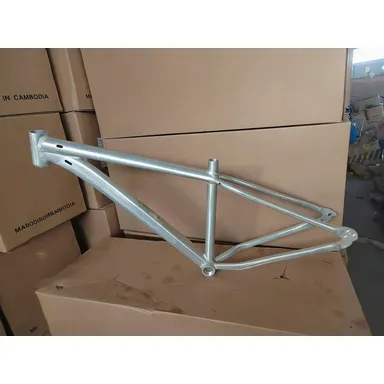
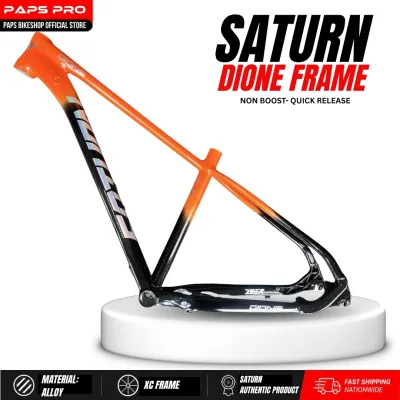
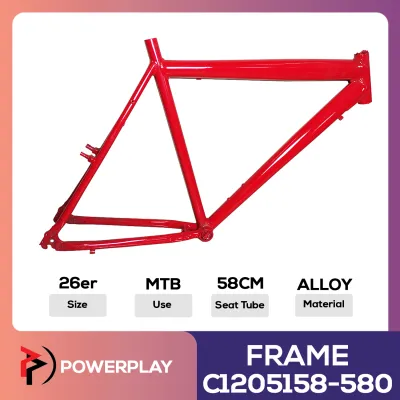
2 Lazada user ratings
thank you seller and delivery update ko na lang pag buo na... ok good po no problem sa frame evething fits well headset 34mm fork oversize t…Read full reviewShow less
thank you seller and delivery update ko na lang pag buo na... ok good po no problem sa frame evething fits well headset 34mm fork oversize tubing 28.5mm seatpost 27.2mm seatpost clamp 31.8mm bb common size which i forgot thank you seller
Prices are valid at publication and may change. Please refer to the product page for the latest price.
It is important to remember that frame material is only one component of your bike’s overall ride quality. The pressure and volume of your tires, especially when running a tubeless setup, have a massive influence on how the bike absorbs small bumps. Your suspension fork and rear shock settings, including sag, rebound, and compression damping, play an even larger role in managing trail forces. Additionally, upgrading to a compliant seatpost or running wider rims can significantly narrow the perceived comfort gap between an aluminum and a carbon frame.
Impact Resistance, Durability, and Frame Lifespan
Trail riding exposes mountain bikes to crashes, flying debris, and general wear that test the structural limits of any frame material. Aluminum is highly valued for its predictable behavior under stress and its high yield strength. When subjected to a severe impact, such as a crash into a boulder, aluminum typically dents or bends rather than snapping. This ductile property allows riders to easily identify structural damage, making it clear when a frame is no longer safe to ride.

Carbon fiber possesses incredible tensile strength and can withstand massive forces along the direction of its fibers, often making it tougher than aluminum when resisting general trail forces. However, carbon is more vulnerable to sharp, concentrated impacts, such as a direct strike from a pointed rock kicked up by your front tire. While an aluminum frame might suffer a cosmetic dent from such an impact, a carbon frame can suffer localized cracking or hidden delamination, where the internal carbon layers separate without showing obvious damage on the painted surface.
To ensure safety on the trail, regular frame inspections are essential regardless of the material you choose. Before and after aggressive rides, clean your bike thoroughly to expose the frame surface. For aluminum frames, pay close attention to the weld beads around the head tube, bottom bracket, and chainstays, looking for hairline cracks or paint flaking that indicates metal fatigue. For carbon frames, perform a visual check for deep scratches that penetrate the clear coat into the black carbon fibers, and use the coin tap test—tapping the frame gently with a coin to listen for a sharp, crisp ring; a dull, hollow thud can indicate internal delamination that requires professional evaluation.
Weight, Stiffness, and Climbing Efficiency
Weight is often the primary selling point for carbon fiber, but the real-world difference on the trail is sometimes less dramatic than marketing suggests. A carbon trail frame is typically 500 grams to one kilogram lighter than an equivalent aluminum frame. While this weight savings is beneficial during long, steep climbs, it represents only a small fraction of the total system weight, which includes the rider, riding gear, tools, water, and the rest of the bike components. Heavy tires, robust wheels, and suspension components often have a much greater impact on climbing effort than the frame material itself.
Stiffness is another critical factor that influences how a bike accelerates and handles. Carbon fiber allows engineers to build frames with massive bottom bracket junctions and oversized head tubes, maximizing lateral stiffness. This stiffness ensures that when you stand up to sprint or push hard through a tight corner, your pedaling energy is transferred directly to the rear wheel without the frame flexing sideways. While high-end aluminum frames are also incredibly stiff, achieving the same level of lateral rigidity usually requires thicker tube walls, which adds weight.
However, modern frame geometry and suspension kinematics play a far more significant role in climbing efficiency and descending stability than raw material properties. A bike with a well-designed suspension linkage will resist pedal bob and maintain traction on technical climbs, regardless of whether it is made of aluminum or carbon. Similarly, a slack head angle and long wheelbase provide descending stability that cannot be replicated by simply choosing a lighter or stiffer material.
Pricing, Component Value, and Long-Term Costs
The financial aspect of choosing a frame material involves looking beyond the initial purchase price to consider the overall value of the complete bike build. Carbon fiber frames require intensive manual labor and expensive molds to manufacture, resulting in a significant price premium. This price gap often amounts to tens of thousands of ₱ when comparing models with similar build kits.
This price difference creates a classic value trade-off for riders working within a set budget. For example, a budget of around ₱120,000 can often purchase a top-tier aluminum trail bike equipped with high-performance suspension, a highly reliable drivetrain, and lightweight, durable wheels. For the same price, you might only be able to purchase an entry-level carbon bike that comes spec’d with heavy, basic suspension and lower-tier components that may wear out quickly or require immediate upgrades to match your skill level.
Long-term costs also include warranty coverage and potential crash replacements. Most reputable manufacturers offer lifetime warranties against manufacturing defects for both materials, but these warranties do not cover crash damage. Many brands do, however, offer crash-replacement programs that allow you to purchase a replacement frame at a discounted price. Because carbon repairs are specialized and aluminum frames cannot be safely welded after a major crash, understanding your manufacturer’s specific crash-replacement policy is a crucial step before making your final purchase.
Decision Framework: Which Frame Fits Your Trail Riding Style?
To choose the right frame material, you must evaluate your personal riding style, local trail conditions, and long-term maintenance habits. There is no single option that suits every rider, and both materials offer distinct advantages depending on how and where you ride.
You should choose an aluminum frame if you:
- Are working with a strict budget and want to maximize the quality of your suspension, brakes, and drivetrain components.
- Frequently ride highly technical, rocky trails where crashes and rock strikes are common occurrences.
- Prefer a bike that requires less delicate handling during transport, storage, and general maintenance.
- Value a predictable material that clearly displays structural damage through dents rather than hidden cracks.
You should choose a carbon fiber frame if you:
- Prioritize saving weight to make long, steep climbs less exhausting.
- Seek a smoother ride quality with superior vibration damping to reduce hand and body fatigue on rough trails.
- Have the budget to purchase a high-tier build without compromising on the quality of your components.
- Are committed to performing regular, detailed post-ride inspections and using a torque wrench for all component installations.
Before making your final decision, verify the specific warranty terms of the brands you are considering, as coverage can vary significantly. Assess your personal maintenance habits honestly; if you tend to toss your bike carelessly into the back of a vehicle or neglect regular cleanings, aluminum may offer a more forgiving ownership experience. Finally, always prioritize a frame with geometry that matches your riding posture and local trail terrain, as geometry will always have the greatest impact on your safety and enjoyment.
Frequently Asked Questions (FAQ)
Does an aluminum MTB frame rust or corrode over time?
Aluminum does not rust in the way steel does because it contains no iron, but it is still subject to oxidation and corrosion. When exposed to oxygen, aluminum forms a thin, protective layer of aluminum oxide that prevents further deep corrosion. However, in highly humid, tropical environments, or when exposed to sweat and salty coastal air, this protective layer can break down. To prevent corrosion, wash your bike regularly with fresh water after muddy rides, and pay close attention to areas where steel bolts thread directly into the aluminum frame, applying grease or anti-seize to prevent galvanic corrosion.
Can I safely repair a cracked carbon or dented aluminum frame?
Safety must always be your primary concern when dealing with frame damage, as a structural failure at high speeds can lead to severe injury. You should never attempt to weld a dented or cracked aluminum frame, as the heat from welding destroys the alloy’s heat treatment, making the repaired area extremely brittle and prone to sudden failure. If an aluminum frame has a sharp dent or any crack, it must be permanently retired. Carbon fiber, however, can often be safely repaired by certified professional technicians who use specialized carbon wrapping and vacuum-bagging techniques to restore structural integrity; however, you should never attempt DIY epoxy repairs on structural areas of a carbon frame.
Community discussion
Share your experience or ask a question. Comments are reviewed before publication.