
Choosing the right ankle stabilizer support depends on a fundamental trade-off: balancing structural protection with natural joint mobility. If you are recovering from a recent, severe sprain, your priority is restricting movement to let the ligaments heal safely. Conversely, if you are managing minor soreness during a weekend basketball game or a run in humid weather, you likely require a lightweight option that allows quick lateral movements while keeping the joint warm. Identifying your specific recovery stage, activity level, and comfort requirements will point you directly to the correct category of support.
Understanding the Three Main Types of Ankle Support
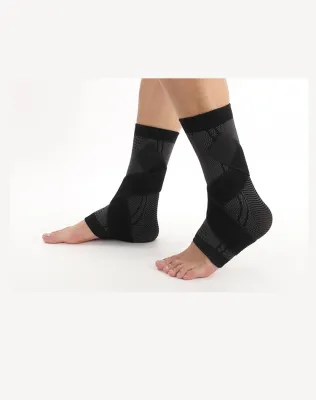
Ankle sleeves represent the most streamlined and flexible category of support. Typically constructed from elasticized knit fabrics, neoprene, or nylon blends, these sleeves slip over the foot like a sock. Their primary design focus is to provide mild, continuous compression across the entire joint.
This compression helps manage localized swelling and improves proprioception, which is your body’s subconscious awareness of joint positioning. Because they lack rigid structural elements, sleeves offer minimal resistance against sudden, forceful ankle rolling. This makes them best suited for minor aches, general warmth, and low-impact activities.
Products mentioned in this guide
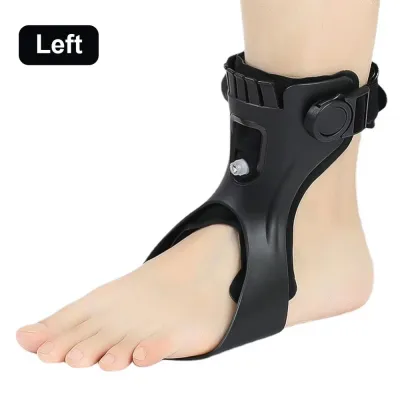
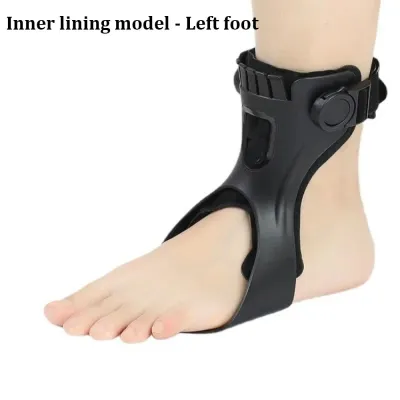
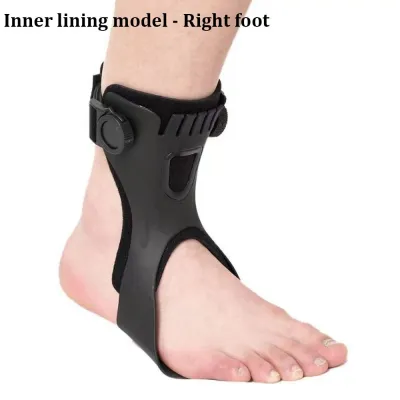
Prices are valid at publication and may change. Please refer to the product page for the latest price.
Lace-up wraps bridge the gap between flexible sleeves and rigid braces by offering highly adjustable, moderate stabilization. These supports feature a fabric boot that laces up the front, combined with integrated nylon straps that wrap around the ankle in a figure-eight pattern to mimic professional athletic taping.
By tightening or loosening the laces and straps, you can customize the level of compression and lateral support to match your comfort. This design provides reliable resistance against excessive inward or outward rolling while still allowing enough forward and backward flexibility for running and jumping.
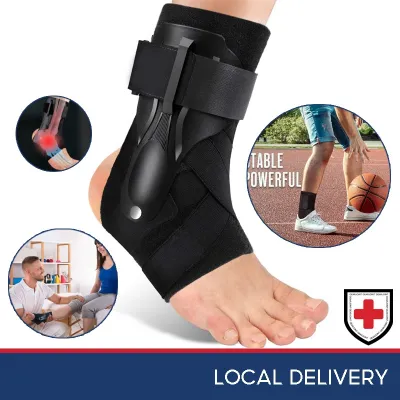
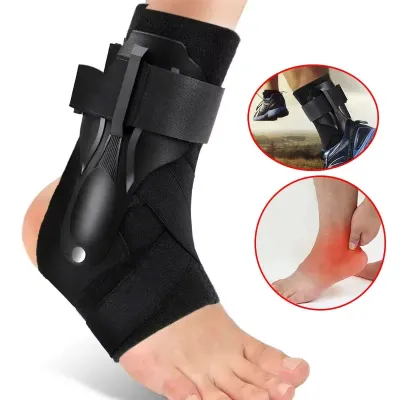
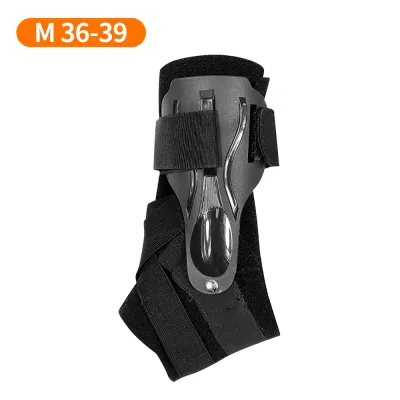
Rigid or hinged braces represent the highest tier of physical restriction and joint protection. These stabilizers incorporate hard plastic or composite shells, often referred to as stays, along the inner and outer sides of the ankle, sometimes connected by a mechanical hinge.
The rigid components are designed to physically block the ankle from turning inward (inversion) or outward (eversion), which are the primary movements that cause ligament tears. While they offer maximum protection during high-risk sports or early-stage post-injury rehabilitation, their bulk and stiffness significantly limit your natural range of motion.
Key Comparison Dimensions for Sports and Recovery
When comparing these options, the relationship between protection level and range of motion is the most critical factor to evaluate. A rigid brace offers exceptional defense against acute lateral sprains, but it restricts the natural ankle flexion needed for explosive acceleration or deep squats.

A lace-up wrap allows you to dial in a middle ground, offering solid lateral resistance while preserving vertical mobility. An ankle sleeve leaves your range of motion completely unrestricted, relying entirely on your muscles and ligaments to stabilize the joint while providing only sensory feedback and compression.
In tropical climates characterized by high heat and humidity, breathability and moisture management become vital considerations for skin health. Neoprene sleeves and heavy canvas lace-up wraps tend to trap sweat against the skin, which can lead to chafing, heat rashes, and unpleasant odors during prolonged athletic use.
Modern knit sleeves and lightweight synthetic wraps often feature moisture-wicking fibers and ventilated panels to help sweat evaporate more quickly. If you regularly play outdoor sports in warm conditions, prioritizing breathable materials is essential to prevent skin breakdown and slipping inside your footwear.
Shoe compatibility and bulkiness determine how easily a support fits into your existing athletic footwear. Rigid braces and thick lace-up wraps add significant volume around the heel and midfoot, which can make slipping your foot into a standard running shoe or low-top sneaker difficult.
You may find yourself needing to loosen your shoelaces completely, remove the shoe’s original insole, or even size up your footwear to accommodate the stabilizer. Ankle sleeves, by contrast, are thin enough to fit seamlessly into almost any shoe without altering the fit or requiring you to modify your footwear setup.
Adjustability and ease of application affect how consistently you will use the support correctly. Lace-up wraps offer the highest level of customization, allowing you to tighten specific zones to accommodate swelling or unique foot shapes, though they require more time and effort to put on and may need readjustment during long training sessions.
Rigid braces with hook-and-loop straps are relatively quick to secure but offer less micro-adjustability across the instep. Sleeves are the simplest to apply, requiring a simple pull-on motion, but they offer no way to adjust the compression level once the material begins to stretch out over time.
Matching Ankle Support to Your Specific Needs
Select an ankle sleeve if your primary goals are mild compression, joint warmth, and minimal bulk. This option is ideal for individuals managing chronic, low-grade stiffness, late-stage injury recovery where the ligaments have already healed, or low-impact activities like walking and yoga.
The gentle compression helps keep the joint warm and responsive without interfering with your natural movement patterns, making it a comfortable choice for daily wear under normal socks. It is also highly suitable for those who want a low-profile option that fits easily into tight-fitting footwear.
Choose a lace-up wrap if you participate in dynamic sports that require frequent lateral cutting, jumping, and sudden changes of direction, such as basketball, badminton, or tennis. The adjustable figure-eight straps allow you to secure the ankle firmly before a match, providing the structural reassurance needed to perform high-intensity movements.
This category is highly favored by athletes who want a reliable alternative to professional athletic taping that they can easily apply and adjust themselves in the locker room. It offers a practical balance of safety and athletic performance.
Opt for a rigid or hinged brace if you are recovering from an acute ankle sprain, have chronic joint instability, or are returning to a high-contact sport under medical guidance. If your ligaments are compromised, the physical barrier provided by rigid plastic stays is necessary to prevent re-injury during the healing phase.
These braces are also valuable for athletes in high-risk positions where collision or landing on another player’s foot is a constant hazard. They prioritize joint safety over maximum mobility, ensuring the ankle remains within safe movement boundaries.
Before purchasing any ankle stabilizer support, always verify your physical condition if you are experiencing severe pain, localized bruising, an inability to bear weight, or numbness in your foot. Self-treating a potential fracture or a complete ligament tear with a retail support sleeve can delay proper healing and lead to long-term joint laxity.
If you observe these severe symptoms, prioritize a professional medical evaluation to establish a safe rehabilitation plan before relying on retail support gear. A stabilizer is a tool to assist recovery, not a replacement for a proper medical diagnosis.
How to Verify Fit and Product Specifications
To ensure your ankle stabilizer support functions safely and effectively, always consult the manufacturer’s specific sizing chart rather than relying on your standard shoe size. Most brands require you to measure the circumference of your ankle just above the ankle bone, or diagonally around the heel and instep, using a flexible measuring tape.
An improperly sized support will either restrict blood circulation if it is too tight, or fail to provide any meaningful stabilization if it is too loose. Taking accurate measurements is the most reliable way to ensure the product performs as intended.
Carefully check the material composition and care labels to ensure the product matches your maintenance preferences and durability needs. Look for high-quality synthetic blends like nylon, spandex, and polyester, which offer a balance of elasticity and structural memory.
Because ankle supports accumulate sweat, dirt, and bacteria rapidly, verify whether the item is machine washable or requires hand washing. Ensure it can air dry quickly to maintain its shape and hygiene, especially when used regularly in warm, humid environments.
Inspect the physical construction of the support before its first active use, paying close attention to strap mechanisms, seam quality, and padding. Ensure that any rigid plastic stays are encased in thick, comfortable padding to prevent painful pressure points against your ankle bones.
High-quality stitching along the seams and robust hook-and-loop fasteners are essential indicators that the support will withstand the high tension and repetitive stretching of athletic movement. Checking these details beforehand prevents discomfort and premature wear.
Stop using the support immediately and consult a physical therapist or doctor if you experience signs of restricted blood flow, such as cold toes, tingling, numbness, or skin discoloration. A support should feel snug and secure, but it must never cause throbbing pain or worsen your existing symptoms.
If your joint instability persists or worsens despite using the stabilizer, a professional assessment is necessary to determine if you require targeted physical therapy or a different class of medical orthotic. Equipment cannot replace proper physical rehabilitation.
Frequently Asked Questions (FAQ)
Can I wear an ankle stabilizer support inside any type of sports shoe?
The compatibility of your ankle support depends heavily on its bulk and the design of your athletic shoes. Thin ankle sleeves fit easily into almost any footwear, including tight-fitting football boots or running shoes, without affecting comfort. However, bulkier lace-up wraps and rigid braces often require low-top shoes with adjustable lacing systems, as high-top shoes may not have enough interior volume to accommodate both the brace and your foot. When trying on a new stabilizer, always test it with the exact socks and athletic shoes you plan to wear during your workouts to ensure there are no painful pinch points or excessive tightness.
How long should I wear ankle support during recovery or sports?
Ankle supports are highly effective tools when used strategically, but they should not be worn continuously without a clear purpose. You should generally wear a stabilizer during active sports, heavy training sessions, or specific rehabilitation exercises where the risk of rolling the ankle is elevated. Wearing a supportive brace or wrap all day during normal, low-impact daily activities can lead to muscle dependency, where the surrounding muscles and tendons weaken because the brace is doing the work for them. Always follow the wear-time recommendations provided by the manufacturer or your healthcare provider, and pair your support use with targeted strengthening exercises to rebuild your body’s natural stability.
Community discussion
Share your experience or ask a question. Comments are reviewed before publication.