
Quick Answer: Which Ankle Support Should You Choose?
In basketball, the constant demands of sudden lateral cutting, explosive jumping, and landing in crowded paint areas place immense stress on your lower joints. Choosing the right ankle support for basketball requires balancing your personal injury history, your need for mechanical restriction, and your willingness to manage daily gear maintenance. There is no single universal option that suits every player on the court, as each support type operates on a completely different biomechanical principle.
Ankle Braces are the premier choice for players returning from moderate-to-severe sprains or those dealing with chronic joint laxity. They provide a rigid, physical barrier that mechanically locks down the ankle to prevent dangerous inward or outward rolling (inversion and eversion).
Ankle Sleeves are ideal if you want mild compression, reliable joint warmth, and enhanced proprioception—the body’s natural awareness of joint positioning. They offer virtually zero bulk but do not provide physical resistance against acute, high-impact ankle rolls.
Products mentioned in this guide
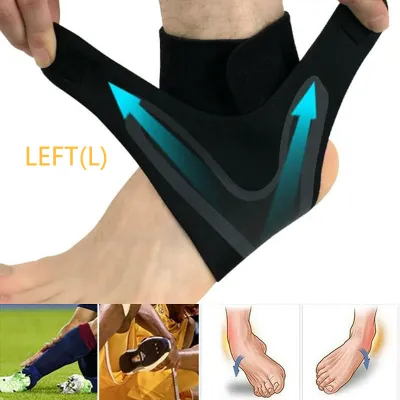
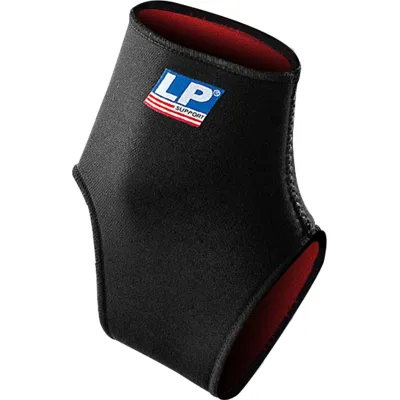
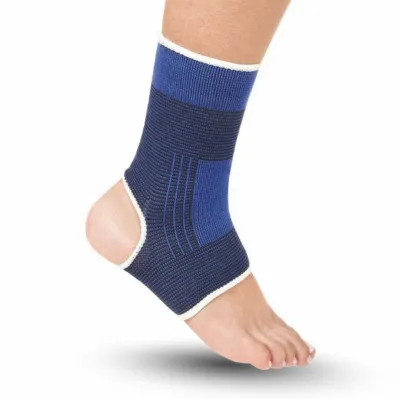
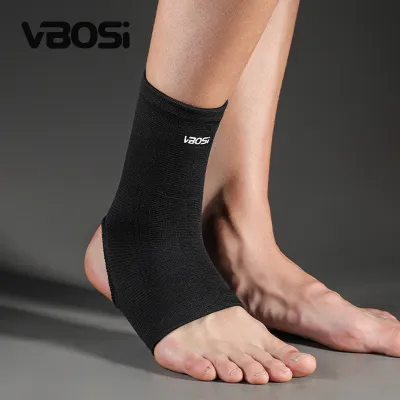
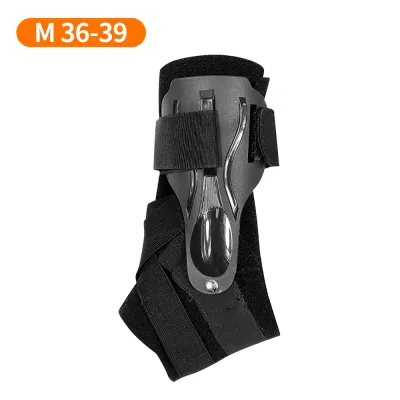
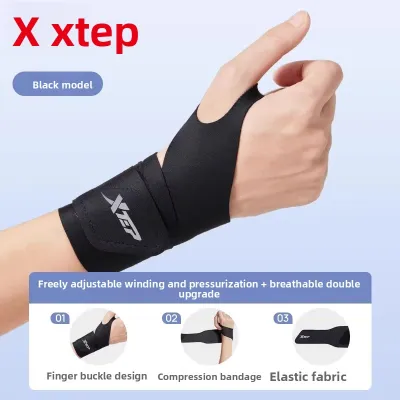
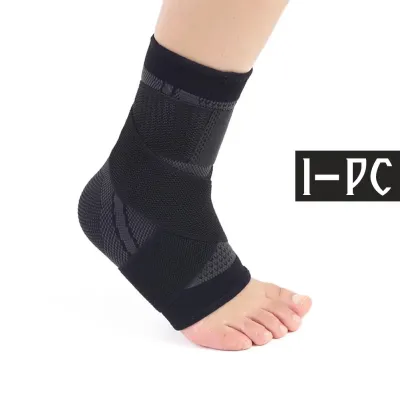
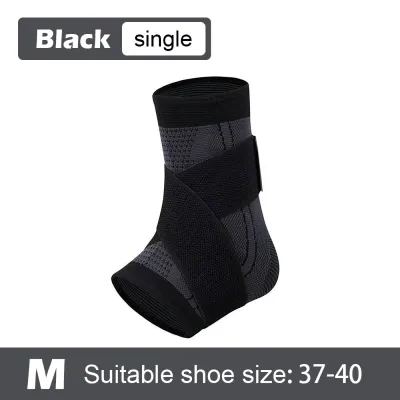
Prices are valid at publication and may change. Please refer to the product page for the latest price.
Athletic Tape provides a professional-grade, custom-molded fit that moves perfectly with your foot, offering high structural stability without the bulk of a brace. However, it demands technical application skill, requires fresh skin preparation before every run, and carries a recurring financial cost.
In the tropical climate of the Philippines, high humidity and heavy sweat are critical variables. Excess moisture can quickly degrade tape adhesive or make thick sleeves uncomfortably hot, making material choice and preparation essential parts of your decision.
Breaking Down the Options: Braces, Sleeves, and Tape
To make an informed choice, you must first understand how each support type functions under the pressure of active play. Each option targets a different aspect of joint protection, ranging from structural skeletal restriction to neurological feedback.

Ankle Braces: Maximum Stability and Protection
Ankle braces are engineered to act as an external skeleton for your joint. They typically utilize a combination of heavy-duty nylon fabrics, laces, elastic figure-eight straps, or rigid plastic side stays to physically restrict the ankle’s range of motion. By limiting lateral movement, braces protect the anterior talofibular ligament (ATFL) and calcaneofibular ligament (CFL) from overstretching during an accidental landing on another player’s foot.
These devices offer several distinct advantages. They provide the highest level of mechanical support available over the counter, making them incredibly reassuring for players recovering from ligament tears. They are highly durable, reusable for multiple seasons, and can be adjusted mid-game by simply tightening the laces or straps without needing to remove your shoe.
However, this high level of protection comes with notable trade-offs. Braces have a bulky profile that can alter how your basketball shoes fit, sometimes forcing you to buy shoes a half-size larger or wear thinner socks. This physical bulk can also restrict your natural court mobility, making you feel slightly slower during rapid defensive slides. Additionally, if a brace is not secured correctly, it can shift during intense play, causing uncomfortable friction points and blisters.
Ankle Sleeves: Compression, Comfort, and Proprioception
Ankle sleeves are lightweight, slip-on garments made from elasticized knit fabrics or neoprene. Unlike braces, sleeves do not contain rigid plastic elements or complex strapping systems designed to physically stop your joint from rolling. Instead, they rely on medical-grade compression to wrap the entire ankle snugly.
This compression serves two primary purposes: it promotes local blood circulation to keep the joint warm and mobile, and it dramatically enhances proprioception. By stimulating the sensory receptors in your skin, a sleeve helps your brain recognize joint angles more quickly, allowing your stabilizing muscles to fire faster when you make sudden cuts. Sleeves are incredibly low-profile, fitting easily into any low-top or high-top basketball shoe without altering your fit. They are also highly comfortable for long tournament days and are fully machine-washable.
On the downside, sleeves provide minimal mechanical protection against acute, high-impact sprains. If you have structurally weak ligaments from past injuries, a sleeve alone cannot stop your ankle from rolling under the weight of a hard landing. Furthermore, thick neoprene sleeves can trap heat and sweat, which is a major drawback when playing in humid, non-air-conditioned gymnasiums.
Athletic Tape: Custom Fit and Professional-Grade Lockdown
Rigid athletic tape, typically made from non-elastic zinc oxide cotton, is the traditional gold standard in competitive sports. Unlike elastic kinesiology tape, which is designed to flex with the skin, rigid athletic tape is applied in structured, overlapping patterns—such as stirrups, heel locks, and figure-eights—to create a custom-molded, highly rigid support system directly on your skin.
This method offers an unmatched customized fit. Because the tape is applied directly to your foot shape, it adds virtually zero bulk inside your basketball shoe, preserving your natural court feel and shoe cushioning. When applied correctly by a professional, it provides exceptional structural lockdown that does not shift or slide during play.
However, athletic tape has a steep learning curve. Applying a proper, supportive tape job requires technical knowledge; an incorrect application can restrict blood circulation or fail to provide actual support. It is also a single-use consumable, meaning you must buy rolls of tape continuously. For players with sensitive skin, the strong adhesives can cause irritation, and heavy sweating can cause the tape to lose its grip and slip mid-game if the skin is not prepared properly.
Feature-by-Feature Comparison for Basketball Players
To help you compare these options directly, the table below evaluates braces, sleeves, and tape across the key performance dimensions that impact your game on the court.
| Comparison Dimension | Ankle Braces | Ankle Sleeves | Athletic Tape |
|---|---|---|---|
| Mechanical Support Level | High | Low | High (Initially) |
| Mobility & Court Feel | Restricted | Highly Natural | Natural |
| Shoe Fit Impact | High | Low | None |
| Ease of Use | Easy (Self-applied) | Easy (Slip-on) | Requires Technical Skill |
| Sweat & Humidity Resistance | Moderate | Low (Traps heat) | Requires Skin Prep |
| Cost Structure | One-time Investment | One-time Investment | Continuous Consumable |
Navigating Sweat and Humidity on the Court
In hot and humid climates, managing sweat is a major challenge for basketball players. On indoor wooden courts or outdoor concrete courts, high humidity levels accelerate sweating, which directly impacts how your ankle support performs.
Standard neoprene sleeves can act like a sauna for your foot, trapping sweat and heat, which can lead to skin maceration and localized slipping. If you prefer a sleeve, look for advanced, moisture-wicking engineered knits rather than basic neoprene to allow heat to escape.
For athletic tape, humidity is a constant threat to adhesive stability. Without proper skin preparation, sweat will seep under the tape, causing the adhesive bond to fail and rendering the support useless within the first two quarters. To prevent this, players must use a pre-tape adhesive spray and apply a thin layer of foam underwrap (pre-wrap) before laying down the rigid zinc oxide tape. This barrier keeps the tape secure even during intense, high-sweat games.
Understanding the Long-Term Cost
When evaluating these options, consider the long-term financial commitment. Ankle braces and sleeves represent a one-time upfront investment. A high-quality, durable ankle brace typically costs between ₱1,200 and ₱3,500, while premium compression sleeves range from ₱800 to ₱2,000. With proper washing and care, these products can easily last for several leagues.
Athletic tape, on the other hand, is a recurring expense. A single roll of high-quality rigid zinc oxide tape costs between ₱150 and ₱350. If you play three times a week and use roughly half a roll per ankle for each session, you can easily spend over ₱1,000 per month on tape alone. You must also factor in the cost of pre-wrap and adhesive spray, making tape the most expensive option over a full year of play.
Choosing the Right Ankle Support for Basketball: A Decision Framework
To finalize your choice, evaluate your personal physical condition, your access to athletic training, and your performance priorities against these clear decision rules.
- Choose an Ankle Brace if:
- You are returning to play after a recent, moderate-to-severe ankle sprain (Grade 2 or 3) and your ligaments are still healing.
- You suffer from chronic ankle instability or have a history of frequent, severe ankle rolls.
- You play basketball recreationally and want a reliable, high-protection option that you can easily put on yourself without needing a trainer.
- You do not mind a slightly heavier feel and are willing to adjust your shoe laces to accommodate the extra bulk.
- Choose an Ankle Sleeve if:
- You have structurally healthy ankles with no recent history of severe sprains or ligament laxity.
- You suffer from minor, chronic joint stiffness, mild tendonitis, or lingering dull aches that improve with warmth and compression.
- You prioritize maximum court feel, lightweight agility, and a perfect, uncompromised shoe fit.
- You want a simple, low-maintenance tool to help manage mild post-game swelling.
- Choose Athletic Tape if:
- You are a highly competitive, varsity, or semi-professional player who demands maximum structural support without any added shoe bulk.
- You have access to a sports trainer, physical therapist, or have thoroughly mastered self-taping techniques.
- You are willing to spend the extra time on pre-game skin preparation and post-game adhesive removal.
- Your budget allows for a continuous, recurring investment in tape, pre-wrap, and adhesive sprays.
Verify First if… If you are experiencing sharp, localized pain, persistent swelling that does not subside after rest, or numbness and tingling in your foot, stop playing immediately and consult a physical therapist or sports physician. External supports are excellent defensive tools, but they can easily mask symptoms of underlying structural damage like stress fractures, tendon tears, or severe joint instability that require professional medical treatment.
On-Court Best Practices and Safety Tips
Using ankle support effectively requires attention to detail. Incorrect usage can lead to secondary injuries, skin infections, or reduced performance.
Shoe Sizing and Fit Adjustments
If you decide to wear a bulky lace-up or rigid ankle brace, always bring the brace with you when shopping for new basketball shoes. Try on the shoe with the brace on your foot to ensure there is enough volume in the midfoot and heel collar.
Never force your foot into a shoe that has become excessively tight due to a brace or thick sleeve. Lacing your shoes too tightly over a support device can compress the superficial nerves and blood vessels on the top of your foot. If you experience cold toes, a pins-and-needles sensation, or sharp arch pain during a game, loosen your laces immediately to restore proper blood circulation.
Skin Care and Hygiene in Humid Conditions
Playing basketball in hot, humid environments makes your skin highly susceptible to irritation and infections. If you use athletic tape, always apply a layer of foam pre-wrap over the skin first. Pulling rigid tape directly off bare skin can cause painful skin tears and blisters. After removing the tape, wash your ankles thoroughly with soap and water, and use baby oil or a dedicated adhesive remover to clear away any sticky residue that can trap dirt and bacteria.
If you use compression sleeves, wash them after every single use. Sweaty sleeves left in a gym bag quickly become breeding grounds for bacteria and fungi, which can cause skin rashes, athlete’s foot, or unpleasant odors. Always air-dry your sleeves thoroughly; putting them in a high-heat dryer can degrade the elastic fibers and ruin the compression fit.
The "Crutch" Warning: Support vs. Active Rehabilitation
It is a common concern among basketball players that wearing an ankle brace or tape will eventually weaken the natural muscles of the ankle. While wearing external support during high-impact games protects the joint from acute injury, relying on it as a permanent crutch without doing any off-court conditioning can lead to long-term weakness.
Ankle braces and tape limit your joint’s natural range of motion, which can reduce the workload on your stabilizing muscles. To prevent your muscles and tendons from weakening, you must balance your on-court support with a dedicated off-court strength and mobility routine. Perform targeted exercises such as:
- Single-leg balance drills (holding your balance on a pillow or balance board for 60 seconds).
- Calf raises and eccentric heel drops to build strength in the Achilles tendon and calf muscles.
- Resistance band exercises (inversion, eversion, dorsiflexion, and plantarflexion) to strengthen the stabilizing muscles surrounding the ankle joint.
Remember that external support gear is a protective shield for the court, not a cure for weak joints. Active rehabilitation is what builds true, lasting resilience.
Frequently Asked Questions (FAQ)
Can I wear an ankle brace and tape at the same time?
While physically possible, combining an ankle brace and athletic tape is generally unnecessary and highly discouraged. Layering both support methods creates excessive bulk that can severely restrict natural blood circulation to your foot, leading to numbness and cramping during play. Furthermore, completely immobilizing the ankle joint forces other joints, like your knees and hips, to absorb the heavy impact of jumping and landing, which can increase your risk of knee strain or patellar tendonitis. It is best to choose the single support method that matches your current recovery phase.
Does wearing an ankle brace weaken my ankle muscles over time?
Wearing an ankle brace exclusively during high-impact basketball games does not inherently cause muscle atrophy, as the intensity of the sport still requires significant muscular engagement. However, if you wear a brace constantly—even during light daily activities—and neglect off-court physical conditioning, your stabilizing muscles will begin to rely on the brace’s structural support. This reliance can lead to a loss of natural strength and proprioception over time. To maintain strong ankles, use the brace as a protective tool on the court, and perform regular ankle strengthening and balance exercises off the court.
How do I know if my ankle sleeve is too tight?
An ankle sleeve should feel snug, warm, and highly supportive, but it should never feel constricting or painful. Clear signs that your sleeve is too tight include numbness or a tingling sensation in your toes, a cold feeling in your foot, visible skin discoloration (such as your toes turning slightly blue or pale), or deep, painful skin indentations that remain long after you remove the sleeve. If you experience any of these symptoms during a game, remove the sleeve immediately and switch to a larger size to prevent restricting your blood flow.
Community discussion
Share your experience or ask a question. Comments are reviewed before publication.