
The best ankle support for your pain depends on the severity of your discomfort, the presence of swelling, and your intended activity level. Ankle sleeves offer mild compression and warmth for daily stiffness, wraps provide adjustable moderate support for mild sprains, and braces deliver maximum structural stability for chronic instability or high-impact sports. Matching the support type to your specific pain profile ensures you protect the joint without unnecessarily restricting your natural movement.
Assessing Your Ankle Pain and Activity Level
To choose the right ankle support for pain pair, you must first evaluate the nature of your discomfort and the physical demands of your daily routine. Mild stiffness, a dull ache after a long walk, or minor swelling after standing for hours point toward a need for gentle compression rather than rigid structural immobilization. Conversely, a sharp pain when turning, a feeling that your ankle is “giving way” on uneven ground, or rapid swelling after a sudden twist indicates a more severe structural issue, such as a ligament sprain or chronic joint instability.
Your activity level also dictates the level of support required. Walking on flat indoor surfaces demands very little lateral stability, whereas running on uneven asphalt, playing basketball on local concrete courts, or lifting heavy weights requires robust protection against sudden lateral rolls. In the tropical climate of the Philippines, high humidity and heat mean that sweat will accumulate rapidly under any support gear. This makes breathability and moisture management key factors in your decision, as excessive moisture can lead to skin chafing and discomfort during active use.
Products mentioned in this guide
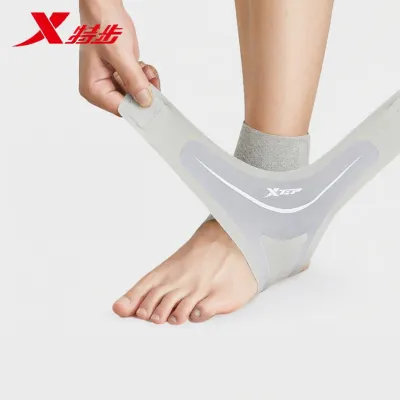
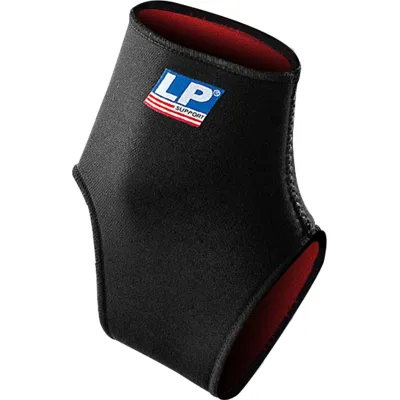
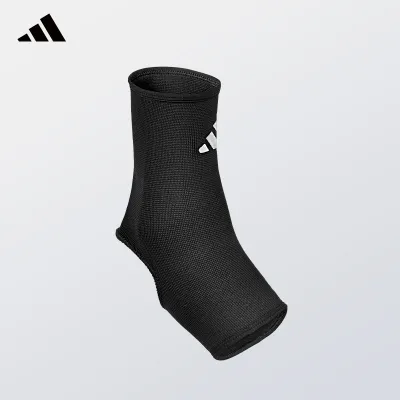
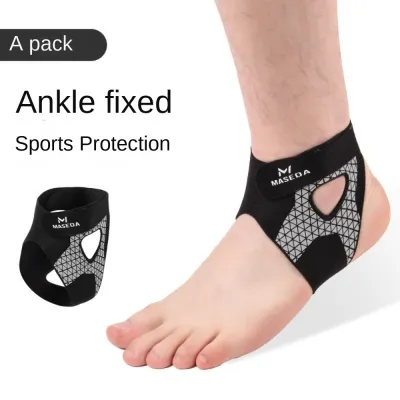
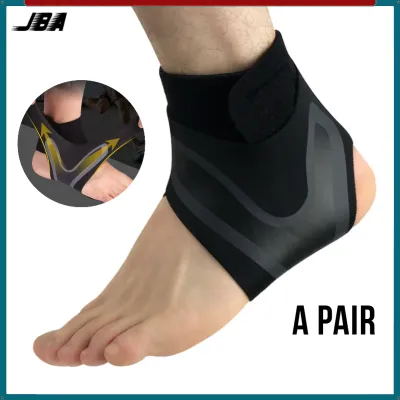
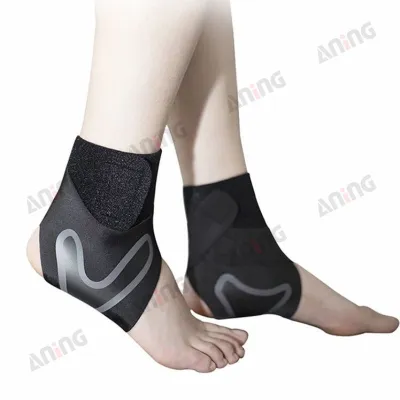
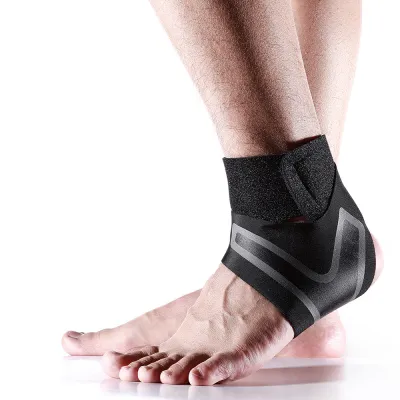
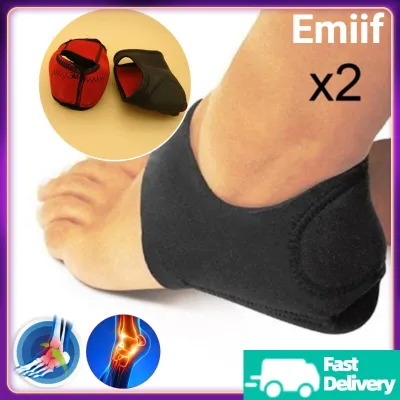
Prices are valid at publication and may change. Please refer to the product page for the latest price.
Before applying any support, you must recognize critical stop conditions. If you experience sharp, stabbing pain, numbness or tingling in your toes, severe and rapid swelling, visible bruising that spreads quickly, or an absolute inability to bear weight on your foot, do not attempt to self-treat with a sleeve or wrap. Remove any support immediately and consult a doctor or physical therapist. External equipment is designed to assist recovery and provide stability; it cannot replace professional medical diagnosis, proper rehabilitation training, or your own physical judgment.
Ankle Sleeves: Mild Compression and Joint Warmth
Ankle sleeves are lightweight, pull-on elastic garments designed to slide over your foot and sit snugly around the joint. They are primarily engineered to provide mild compression and retain joint warmth, which helps increase local blood circulation and promotes recovery. The gentle pressure from a sleeve also enhances proprioception—your brain’s awareness of the joint’s position in space—which can improve balance and confidence during daily movements.

These sleeves are ideal for managing mild swelling, morning joint stiffness, chronic arthritis discomfort, or post-workout soreness. Because they lack straps, stays, or rigid inserts, they allow your ankle to move through its full natural range of motion. This makes them highly comfortable for extended wear during low-impact activities like walking, light jogging, or working at a desk.
However, ankle sleeves have clear limitations. They do not provide structural stability or lateral protection. If you are recovering from a moderate-to-severe ligament tear or participating in sports with rapid side-to-side cutting, a sleeve will not prevent your ankle from rolling. When selecting a sleeve, verify the material composition; breathable nylon-spandex blends are highly recommended for humid environments to prevent heat rash. Ensure the sleeve fits snugly without pinching your skin, bunching up inside your footwear, or restricting your blood circulation.
Ankle Wraps: Adjustable Fit and Moderate Stability
Ankle wraps consist of a flexible strap or a system of elastic bands that you wrap around your ankle and secure with hook-and-loop fasteners. This design mimics the supportive effects of professional athletic taping but offers the convenience of being reusable and easily adjustable. Wraps provide moderate stability and are highly versatile, making them a popular choice for individuals recovering from mild to moderate sprains.
The primary benefit of an ankle wrap is its customizable compression. Because you control how tightly the bands are pulled, you can adjust the support throughout the day to accommodate fluctuating swelling. Many wraps utilize a figure-eight or stirrup design, which allows you to apply targeted tension under the heel and around the lateral ligaments where support is needed most, without cutting off blood flow to the rest of the foot.
Despite their versatility, wraps have notable trade-offs. They can add significant bulk around your foot, which may make it difficult to fit your foot comfortably into standard athletic shoes or casual footwear. Additionally, achieving the correct level of support requires proper wrapping technique. Wrapping too tightly can restrict circulation and cause numbness, while wrapping too loosely defeats the purpose of the support. You may also find that the wrap shifts or loosens during vigorous activity, requiring you to stop and re-adjust it periodically.
Ankle Braces: Maximum Protection and Structural Support
Ankle braces are heavy-duty support devices that incorporate rigid plastic stays, metal hinges, or complex lace-up systems to physically restrict joint movement. They are designed for maximum protection and are typically recommended for individuals recovering from severe sprains, managing chronic ankle instability, or returning to high-impact sports after an injury.
These braces are highly effective at preventing inversion and eversion—the inward and outward rolling motions that cause the majority of ankle sprains. By locking the joint into a stable alignment, a brace allows you to participate in high-risk court or field sports, such as volleyball, badminton, or basketball, with a significantly reduced risk of re-injury.
However, this maximum protection comes with mobility trade-offs. Restricting the natural lateral movement of your ankle can alter your gait and running mechanics. Over time, this restriction may shift the physical stress of impact upward to your knees or hips. Furthermore, because of their rigid components and thick materials, braces can be highly challenging to fit inside standard shoes. You must verify that the brace fits securely and comfortably inside your specific athletic or daily footwear without forcing you to wear an unlaced, unsafe shoe or causing painful pressure points on your foot.
Quick Comparison: Matching Support to Your Needs
To help you quickly identify the right option, the table below compares the three primary types of ankle support across key performance and usability criteria.
| Support Type | Support Level | Best Use Cases | Mobility Impact | Primary Limitations |
|---|---|---|---|---|
| Ankle Sleeves | Mild | Mild stiffness, arthritis, post-workout recovery | Minimal restriction; full range of motion | No lateral stability or roll protection |
| Ankle Wraps | Moderate | Fluctuating swelling, mild sprains, adjustable daily wear | Moderate restriction; customizable tension | Can be bulky; requires correct wrapping technique |
| Ankle Braces | Maximum | Chronic instability, severe sprains, high-impact sports | High restriction; limits lateral movement | Alters natural gait; difficult shoe fit |
Use these simple decision rules to guide your selection:
- Choose Sleeves if you experience mild, diffuse aches or morning stiffness and want to maintain full mobility during low-impact daily tasks.
- Choose Wraps if your ankle swelling changes throughout the day and you need customizable compression to manage a mild sprain.
- Choose Braces if you have a history of frequent ankle rolls, are recovering from a significant injury, or participate in high-impact sports with rapid lateral cuts.
- Verify with a professional if you are unsure of the underlying cause of your pain, if the pain persists for more than a few weeks, or if you experience any neurological symptoms like tingling.
Sizing, Fit, and Safety Checks for Your Ankle Support Pair
Selecting the correct size is critical to ensuring your ankle support for pain pair performs as intended. To measure your ankle accurately, use a flexible measuring tape. Measure the circumference of your ankle just above the ankle bone, or around the heel and instep, depending on the manufacturer’s specific sizing chart. If you are purchasing an ankle support for pain pair, measure both ankles individually, as swelling or natural asymmetry can result in different size requirements.
Always check the product labels and manufacturer instructions for material care, wear limits, and washing guidelines. In hot, humid conditions, avoid wearing neoprene or heavy elastic supports for extended periods without checking for skin irritation. While a basic sleeve might cost a few hundred ₱, a rigid brace is a more significant investment, making it even more important to verify the sizing before purchase to avoid discomfort or return hassles.
Red flags during use include cold toes, tingling, numbness, deep red marks, or skin chafing. If you notice any of these signs, the support is too tight or poorly fitted. Discontinue use immediately if your pain worsens or if the support fails to provide the intended stability.
Frequently Asked Questions (FAQ)
Can I wear ankle support all day?
It depends on the type. Mild compression sleeves can often be worn for extended periods during daily activities if they do not restrict circulation. However, wearing rigid braces or highly restrictive wraps all day is generally not recommended unless specifically advised by a healthcare professional. Over-reliance on external support can lead to muscle weakness and joint stiffness. It is essential to combine support use with targeted ankle-strengthening exercises to rebuild natural stability.
Should I buy a pair of ankle supports or just one?
If your pain is localized to a single injured ankle, purchasing a single support is usually sufficient. However, buying an ankle support for pain pair is highly beneficial if you suffer from bilateral conditions like arthritis, experience general fatigue in both joints during long walks, or want to keep a clean spare while the other is being washed.
How do I clean and maintain my ankle support?
To preserve the elastic fibers, structural integrity, and Velcro fasteners, hand-wash your ankle support in cool water with a mild detergent. Avoid using bleach or fabric softeners. Gently squeeze out excess water without wringing, and lay the support flat to air-dry away from direct sunlight. Always check the manufacturer’s care label first, as machine washing or tumble drying can degrade the materials and reduce the support’s effectiveness.
Community discussion
Share your experience or ask a question. Comments are reviewed before publication.