
Deciding whether you need ankle support depends on the severity of your discomfort, joint stability, and the demands of your activity. If you are recovering from a minor strain or managing mild swelling after a long run on humid trails, a flexible sleeve or wrap might suffice. However, if your ankle feels unstable, gives way under your weight, or is recovering from a significant ligament injury, a structured brace is necessary to prevent further damage. Choosing the right gear requires understanding your body’s signals and matching them to the appropriate level of structural reinforcement.
Assessing Your Ankle: Signs You Might Need Support
To determine if your ankle requires external support, start by observing how it behaves during and after physical activity. Common signals that indicate a need for mild to moderate support include a dull ache after standing for long periods, slight swelling around the lateral malleolus (the outer ankle bone), or a subtle feeling of insecurity when walking on uneven surfaces. For instance, navigating cracked pavements or wet, slippery concrete during the rainy season can place extra stress on your joints, making minor instability more noticeable.
It is crucial to differentiate everyday muscle fatigue from an acute injury like a sprain. Everyday fatigue typically presents as a bilateral, symmetrical tiredness that resolves after a night of rest and elevation. An acute injury, on the other hand, usually affects one ankle, presents with sharp or throbbing pain, immediate localized swelling, bruising, and a distinct feeling that the joint cannot support your body weight. If you felt a sudden pop or tear during a quick pivot on the basketball court, this points toward a structural ligament injury rather than simple exhaustion.
Products mentioned in this guide
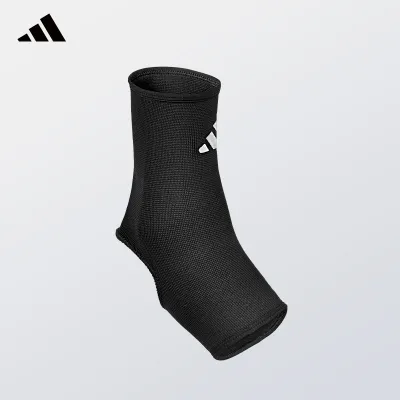
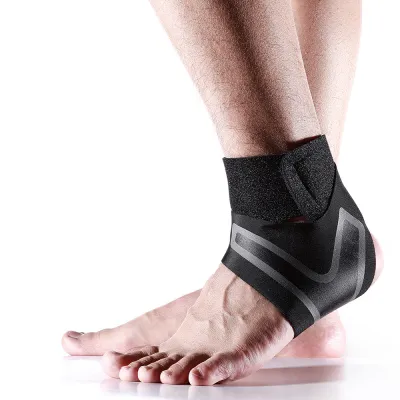
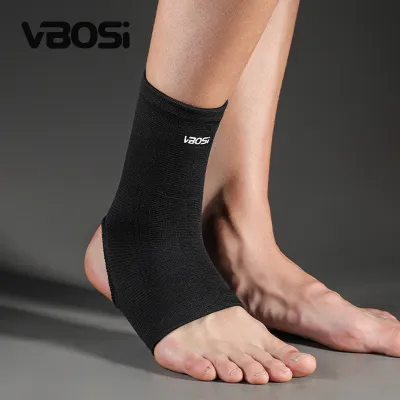
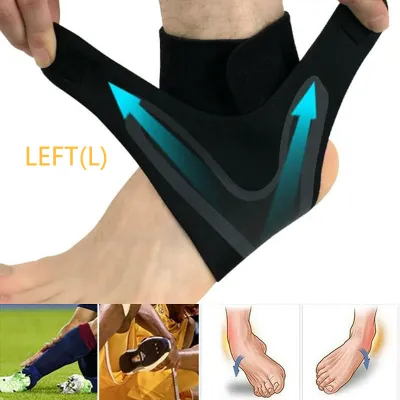
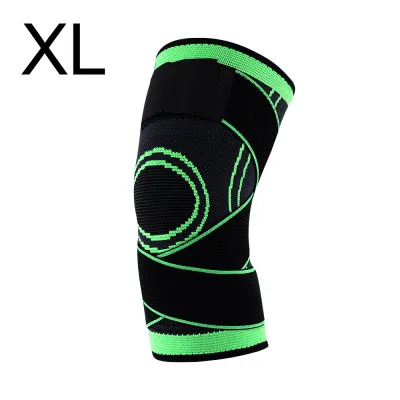
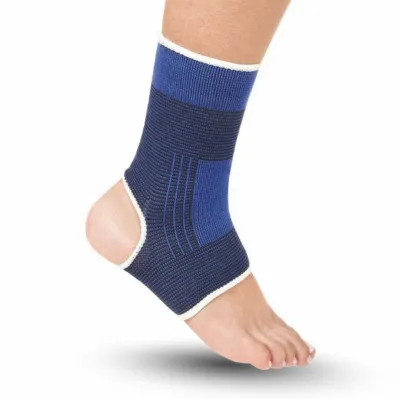
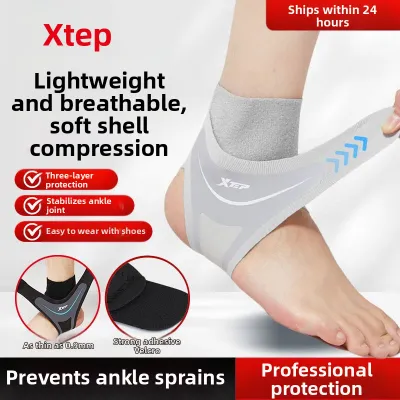
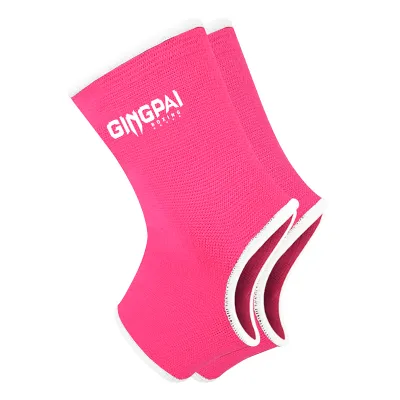
Prices are valid at publication and may change. Please refer to the product page for the latest price.
Keep in mind that self-assessment has strict limitations. While observing these symptoms helps you choose temporary comfort measures, these checks are for initial judgment only. They cannot replace a professional medical diagnosis, imaging tests like X-rays or MRIs, or a physical therapist’s clinical evaluation.
Understanding the Options: Sleeves, Wraps, and Braces
Ankle supports generally fall into three categories: sleeves, wraps, and braces. Each type serves a distinct purpose, utilizing different materials and structural designs to offer varying levels of compression and mechanical restriction. No single option is universally superior for every situation; the ideal choice depends on your specific activity demands, your skill level, and your current physical condition.

Compression Sleeves: Mild Support and Recovery
Compression sleeves are lightweight, pull-on garments typically made from elastic, nylon, or neoprene blends. They feature a seamless design without rigid inserts, straps, or fasteners, providing gentle, uniform compression and retaining local body warmth. This warmth and compression help promote blood flow and manage minor swelling, making them highly suitable for mild soreness, post-exercise recovery, or general comfort during long walks.
However, because they lack physical stays or straps, compression sleeves cannot prevent severe ankle rolling or provide mechanical joint stability. If you are participating in high-risk sports that require rapid lateral movements, a sleeve alone will not protect a compromised ligament. In hot and humid tropical weather, look for sleeves made from breathable, moisture-wicking fabrics to prevent sweat buildup and skin chafing during extended wear.
Ankle Wraps: Adjustable Compression for Swelling
Ankle wraps consist of long, flexible straps—often made of durable elastic or neoprene—that secure with hook-and-loop closures. They are designed to be wrapped around the foot and ankle in a figure-eight pattern, allowing you to customize the tightness and compression level to your exact comfort. This adjustability is particularly beneficial during post-acute recovery when swelling fluctuates throughout the day.
While wraps offer moderate compression and light structural reinforcement, they require careful application. Over-tightening the wrap can restrict blood circulation, leading to cold toes, numbness, or increased pain. Always apply the wrap according to the manufacturer’s instructions, ensuring it feels snug but comfortable, and adjust the tension immediately if you notice any signs of restricted blood flow.
Ankle Braces: Maximum Stability for Joint Protection
Ankle braces provide the highest level of joint protection and stability. They feature rigid or semi-rigid components, such as plastic stays, metal inserts, or complex lace-up and strapping systems designed to physically restrict the ankle’s lateral range of motion. This mechanical restriction is essential for individuals dealing with severe ligament laxity, chronic joint instability, or those returning to high-impact sports after a significant injury.
Because braces limit normal joint movement, they should be used selectively. Overusing a rigid brace during low-risk activities can lead to muscle weakness and joint stiffness over time. For high-risk activities like outdoor basketball, trail running, or court sports, ensure you verify the brace’s fit, strap tension, and compatibility with your athletic footwear before playing. Equipment cannot replace proper athletic training, strength conditioning, and sound physical judgment.
Matching Your Condition to the Right Support
To select the right support, align your self-assessment findings with the demands of your planned activity. For mild discomfort, post-workout recovery, or light walking, a compression sleeve is generally sufficient. If you are recovering from a mild sprain and experience fluctuating swelling during moderate exercise, an adjustable ankle wrap offers the necessary flexibility. For chronic instability, severe weakness, or high-impact sports where lateral ankle rolling is a constant risk, a semi-rigid or rigid ankle brace is the appropriate choice.
Always monitor how your joint responds to the support gear. If your symptoms do not match your expectations, or if you experience worsening pain, increased swelling, or skin irritation while wearing the support, stop using it immediately. Remember that purchasing and using support gear is a temporary management strategy; it does not replace targeted rehabilitation exercises, balance training, or physical therapy designed to rebuild the joint’s natural strength.
Whether you are looking at basic sleeves or investing ₱500 to ₱1,500 in a structured brace, matching the gear to your specific situation is key.
When to Stop and See a Professional
While ankle supports are valuable tools for recovery and protection, certain symptoms require immediate professional medical evaluation. Do not attempt to self-treat or rely on support gear if you experience ‘red flag’ signs. These include an absolute inability to bear weight on the foot, severe or sharp pain that does not ease with rest, visible deformity of the joint, rapid and massive swelling, or sensations of numbness, tingling, or coldness in your foot and toes.
If you have been using mild support and practicing self-care for more than a few days without any noticeable improvement, schedule a consultation with a doctor or physical therapist. Relying on a brace or wrap to mask persistent pain can delay proper healing and lead to long-term joint complications.
Frequently Asked Questions (FAQ)
Can I wear ankle support all day?
Wearing ankle support all day is generally not recommended unless specifically advised by a healthcare professional. Prolonged, continuous wear can cause your ankle muscles and tendons to become dependent on the external support, potentially weakening the joint over time. Additionally, wearing tight sleeves or wraps for extended periods in hot, humid climates can trap sweat, leading to skin irritation or fungal infections. It is best to wear the support during active periods and remove it during rest.
How tight should my ankle wrap or sleeve be?
Your ankle support should feel snug and supportive, providing firm compression without causing pain or restricting your circulation. A good way to check is to ensure you can slip one finger under the edge of the sleeve or wrap. If you experience throbbing, coldness, numbness, tingling, or if your toes begin to look pale or blue, the support is too tight. Loosen or adjust the straps immediately to restore healthy blood flow.
Community discussion
Share your experience or ask a question. Comments are reviewed before publication.