
Quick Answer: Which AquaFlask Size Should You Choose?
Selecting the right vacuum-insulated water bottle comes down to balancing your daily hydration requirements against how much weight you are willing to carry. To make an informed choice, consider how each size aligns with your daily routine, your physical environment, and your access to water refills.
- Choose the 24 oz (approximately 710 ml) size if you prioritize a lightweight, highly portable bottle that easily slips into standard backpack side pockets, fits in almost all car and transit cup holders, and you have frequent access to water refills throughout the day.
- Choose the 32 oz (approximately 946 ml) size if you want the most versatile balance between capacity and portability. This size is ideal for standard gym sessions, office desks, and moderate outdoor activities where you want to minimize refills without carrying an overly bulky container.
- Choose the 40 oz (approximately 1,183 ml) size if you need maximum hydration for long shifts, intense workouts, or navigating hot and humid weather, and you do not mind the extra weight or a larger physical footprint.
- Verify first if you have strict bag dimensions, specific car cup holder sizes, or physical limitations regarding carrying weight. A larger bottle offers excellent capacity but requires more physical effort to carry during long commutes.
Comparing Capacity and Daily Hydration Needs
To understand which bottle size fits your lifestyle, it is helpful to look at how much water each option holds and how that volume translates to your daily hydration goals. Water bottles are not just containers; they are tools that facilitate your daily fluid intake, and the right capacity can significantly influence how consistently you stay hydrated.

Volume Breakdowns in Practical Terms
When comparing the 24 oz, 32 oz, and 40 oz options, the differences in volume have a direct impact on your daily routine:
Products mentioned in this guide
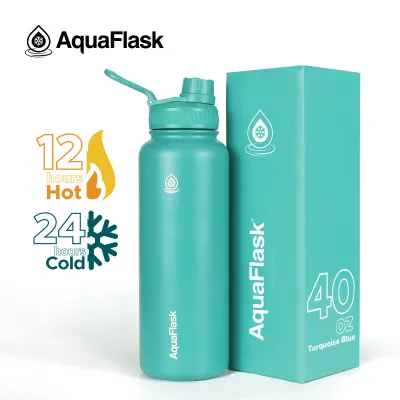
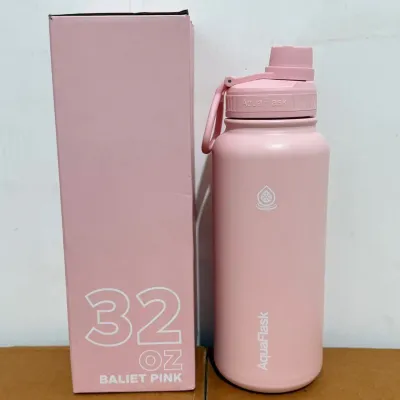
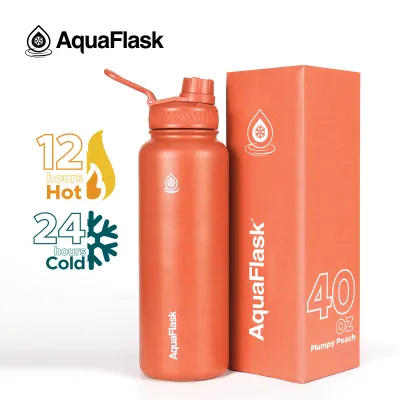
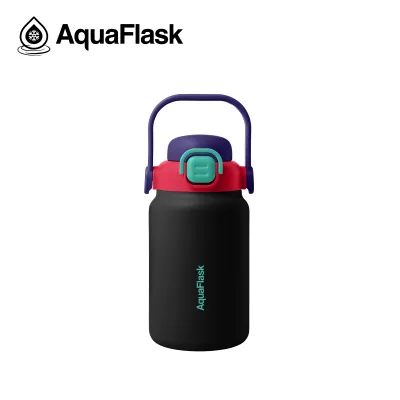
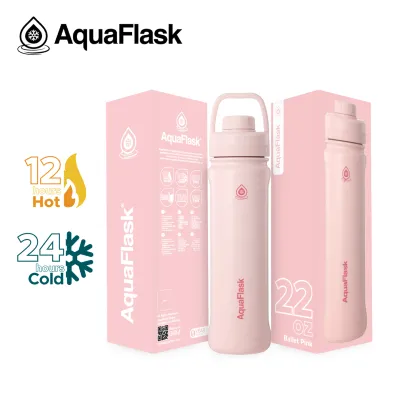
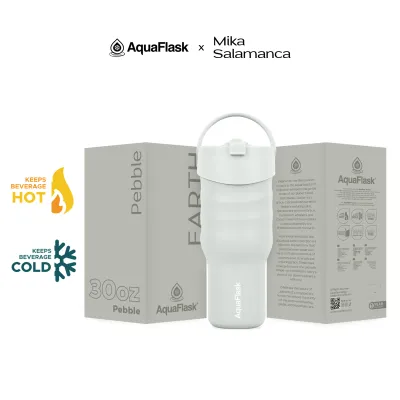
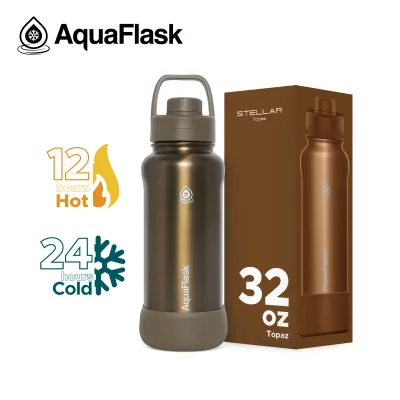
Prices are valid at publication and may change. Please refer to the product page for the latest price.
- The 24 oz bottle holds about 710 ml of liquid. This is roughly equivalent to three standard 240 ml glasses of water. If your goal is to drink the commonly recommended two liters of water per day, you will need to fill and finish this bottle approximately three times.
- The 32 oz bottle holds about 946 ml of liquid, which is just under one liter or approximately four standard glasses of water. To meet a two-liter daily target, you only need to empty this bottle twice.
- The 40 oz bottle holds about 1,183 ml of liquid, which is nearly 1.2 liters or five standard glasses of water. Drinking just one and a half of these bottles will easily push you past the two-liter daily mark.
Hydration in Tropical and Humid Climates
Living and working in a tropical climate like the Philippines means your body constantly copes with high ambient temperatures and humidity. Under these conditions, the body loses fluids more rapidly through sweat, even during low-intensity activities like walking to a transit station, waiting for a jeepney, or working in a non-airconditioned environment.
During the hotter months, the heat index can rise significantly, making dehydration a constant concern. A larger capacity bottle like the 40 oz option provides a substantial reservoir of cold water that can help lower your core body temperature and keep you hydrated over extended periods. Conversely, if you rely on a 24 oz bottle in high-heat conditions, you must be highly disciplined about finding refill stations to avoid running dry during the hottest parts of the day.
Refill Frequency and Logistics
Your access to clean drinking water throughout the day is a critical factor in choosing a bottle size. If you work in a modern office building with multiple water dispensers, or if you study on a campus with accessible filtration stations, carrying a smaller 24 oz bottle is highly practical. The minor inconvenience of walking to the dispenser three times a day is often offset by the lightweight convenience of the bottle.
However, if your daily routine involves field work, long commutes, outdoor sports, or shifts in locations where water quality is uncertain, refilling becomes a logistical challenge. In these scenarios, a 40 oz bottle acts as a self-contained hydration station. It ensures you have a reliable source of clean, cold water for hours without needing to search for a safe tap or purchase single-use plastic bottles.
It is important to note that individual fluid requirements vary based on body size, personal activity levels, and overall health. Tracking your current daily water consumption for a few days before purchasing can give you a clearer picture of your actual needs.
Portability, Weight, and Everyday Carry
While a larger bottle provides more water, it also introduces physical challenges related to weight, storage, and handling. Evaluating how you commute, the bags you use, and where you plan to place your bottle during the day will help you avoid the frustration of a bottle that is too cumbersome to carry.
Weight Considerations when Full
Water is heavy, and the weight of a full bottle is often underestimated. One liter of water weighs exactly one kilogram (2.2 pounds). When you combine the weight of the water with the double-wall stainless steel construction of the flask, the total weight can become a noticeable burden:
- A full 24 oz bottle weighs approximately 1.1 kilograms (2.4 pounds).
- A full 32 oz bottle weighs approximately 1.4 kilograms (3.1 pounds).
- A full 40 oz bottle weighs approximately 1.7 kilograms (3.7 pounds).
Carrying an extra 1.7 kilograms in your bag or by hand during a long walk or a crowded commute on the MRT or LRT can lead to physical fatigue. If you frequently travel on foot or rely on public transportation, the physical effort required to carry the 40 oz bottle is a significant trade-off to consider.
Bag Compatibility and Storage
How a bottle fits into your everyday gear is crucial for convenience. Most standard backpacks, laptop bags, and tote bags feature external side pockets designed to hold water bottles. These pockets are typically optimized for standard bottle diameters of around 7.5 centimeters.
- The 24 oz bottle generally has a slimmer profile that slips easily into almost any standard elastic or mesh side pocket, keeping it secure and upright.
- The 32 oz and 40 oz bottles feature wider base diameters, often measuring around 9 centimeters or more. These larger dimensions mean they will not fit into standard side pockets. You may be forced to carry the bottle inside the main compartment of your bag, which risks condensation dampening your belongings if the lid is not perfectly sealed, or you may need to purchase a separate carrying sleeve with a shoulder strap.
Cup Holder Fit and Transit Navigation
For those who drive or commute regularly, cup holder compatibility is a common daily pain point. Standard car cup holders, as well as those found in some public transit seats or aftermarket bicycle cages, are designed for standard-sized beverage cans and small bottles.
While a 24 oz bottle will fit securely into almost all standard cup holders, the 32 oz and 40 oz models are simply too wide. If you attempt to place a 40 oz bottle in a standard cup holder, it will likely sit awkwardly on top or tip over during sudden stops. To use a larger bottle in a vehicle, you must either lay it down on a seat, place it on the floorboards, or invest in an aftermarket cup holder expander that accommodates wider bases.
Handling and Grip Ergonomics
The physical diameter of the bottle also affects how comfortable it is to use. A wider bottle requires a larger hand span to grip securely. If you have smaller hands, holding a full 40 oz bottle with one hand while walking or during a workout can feel unstable. This can increase the risk of accidental drops, which can dent the stainless steel or damage the vacuum seal. The 24 oz bottle is much easier to grip, making it a more user-friendly option for quick sips on the move.
Ideal User Profiles for Each AquaFlask Size
To help you visualize how these different capacities fit into real-world scenarios, we have outlined three distinct user profiles. Matching your daily habits and environment to these profiles can clarify which size will serve you best.
The 24 oz User: The Mobile Minimalist
This profile represents individuals who prioritize mobility, compactness, and ease of carry above all else.
- Typical Activities: Daily commuting via public transit, attending university classes, working in an office with a nearby water dispenser, or running quick errands.
- Key Preferences: Prefers a bottle that fits effortlessly into a small backpack, handbag, or car cup holder. Values a lightweight feel and does not mind refilling the bottle multiple times throughout the day.
- Primary Benefit: Maximum portability and effortless integration into existing bags and commuting routines.
The 32 oz User: The Versatile All-Rounder
This profile represents the middle ground, appealing to individuals who want a substantial amount of water but still require a bottle that is relatively easy to transport.
- Typical Activities: Splitting time between a desk job and evening gym sessions, going on short weekend hikes, or taking road trips.
- Key Preferences: Wants enough water to last through a two-hour workout or a long meeting without needing a refill, but still wants a bottle that can be carried in a gym bag or placed on a desk without taking up excessive space.
- Primary Benefit: An optimal balance of capacity and portability that adapts well to both indoor and outdoor settings.
The 40 oz User: The High-Demand Hydrator
This profile is for those who view water availability as a critical priority and are willing to accept a heavier, bulkier bottle to ensure they never run out of cold water.
- Typical Activities: Intense athletic training, outdoor sports, long shifts in warehouses or field locations, extended road trips, or spending hours in hot, humid outdoor environments.
- Key Preferences: Prioritizes having a large volume of cold water readily available. Often operates in environments where clean water refills are unavailable, inconvenient, or far away.
- Primary Benefit: Maximum hydration security and extended temperature retention for large volumes of liquid.
Summary Decision Matrix
To help you compare these options at a glance, the following matrix summarizes the key specifications and practical trade-offs of each size.
| Feature / Specification | 24 oz (710 ml) | 32 oz (946 ml) | 40 oz (1,183 ml) |
|---|---|---|---|
| Approx. Full Weight | 1.1 kg (2.4 lbs) | 1.4 kg (3.1 lbs) | 1.7 kg (3.7 lbs) |
| Base Diameter Fit | Fits standard cup holders | Too wide for standard cup holders | Too wide for standard cup holders |
| Bag Pocket Compatibility | Fits most side pockets | Often requires main compartment | Often requires main compartment |
| Refills for 2L Daily Goal | ~3 refills | ~2 refills | ~1.5 refills |
| Best Suited For | Commuters, students, light use | Gym-goers, office workers, versatile use | Athletes, outdoor workers, long shifts |
| Grip Comfort | High (easy for small hands) | Moderate (requires wider grip) | Low to Moderate (bulky and heavy) |
Note: Always verify exact dimensions and weights on the manufacturer’s official packaging or product guides, as different manufacturing runs or lid configurations can alter these values.
How to Verify Fit and Specifications Before Buying
To ensure you are satisfied with your purchase and to avoid the hassle of returns, take a few practical steps to verify how your chosen bottle size will fit into your physical spaces and daily routine.
Measure Your Storage Spaces
Before placing an order, use a standard measuring tape to check the dimensions of the spaces where you plan to store or carry your bottle:
- Car Cup Holders: Measure the inner diameter of your vehicle's cup holders. If the diameter is less than 9 centimeters, a 32 oz or 40 oz bottle will likely not fit without an adapter.
- Backpack Side Pockets: Measure the width and depth of your bag's side pockets. Check if the pocket material is elastic enough to stretch around a wider bottle base.
- Desk or Shelf Clearance: If you plan to place the bottle on a specific shelf or under a low monitor stand at your desk, measure the vertical clearance to ensure the height of the bottle (especially with taller lid types) will not be an obstacle.
Check the Manufacturer's Specifications
Always consult the official product specifications for the exact dimensions of the specific model you are considering. Keep in mind that different lid styles can significantly alter the overall height of the bottle. For example, a bottle equipped with a heavy-duty straw lid or a tall carry loop will have a different height profile than one with a flat, flush-fitting lid. Ensure you are looking at the specifications for the exact bottle and lid combination you intend to use.
Simulate the Weight and Feel
If you are concerned about the weight of a larger bottle, you can easily simulate the experience at home before buying. Find a household container, such as a plastic pitcher or a large measuring cup, and fill it with water until the total weight matches the full weight of the bottle size you are considering (using the weights listed in the decision matrix above). Carry this container around your home, place it in your bag, and hold it in one hand to get a realistic sense of how that weight will feel during your daily activities.
Review Retailer Return Policies
Finally, check the return and exchange policies of the online marketplace or physical retail store where you plan to make your purchase. Ensure that they allow exchanges or returns if you discover that the bottle does not fit your vehicle’s cup holders, your backpack, or is simply too heavy for comfortable daily use. Knowing the return terms beforehand provides peace of mind and protects your investment.
Frequently Asked Questions (FAQ)
Does the 40 oz AquaFlask fit in standard car cup holders?
No, the 40 oz AquaFlask generally does not fit in standard car cup holders. Its base diameter is typically around 9 centimeters or wider, which exceeds the dimensions of standard vehicle cup holders designed for smaller cups and cans. To transport a 40 oz bottle in your vehicle, you will need to place it on a seat, secure it on the floor, or purchase an aftermarket cup holder expander designed to accommodate larger bottles.
Is the 40 oz AquaFlask too heavy for everyday carrying?
Whether the 40 oz bottle is too heavy depends on your carrying method and daily routine. When fully filled, the bottle weighs approximately 1.7 kilograms (3.7 pounds). If you carry it by hand or in a flimsy tote bag over long walking distances, it can cause hand and shoulder fatigue. However, if you transport it inside a supportive backpack with padded straps, or if you primarily keep it stationary on a desk or in a vehicle, the weight is highly manageable.
Which lid type works best for the larger 40 oz size?
For a bottle as large and heavy as the 40 oz model, a straw lid or a spout lid is often preferred. A straw lid allows you to sip water without needing to tilt the heavy bottle, which is safer and more convenient when driving or multi-tasking. A spout lid provides a high-flow drinking experience while maintaining a secure, leak-proof seal when closed, making it ideal for active outdoor use. Choose a lid with a sturdy, integrated carry loop to help distribute the weight comfortably when carrying the bottle by hand.
Community discussion
Share your experience or ask a question. Comments are reviewed before publication.