
Matching your AquaFlask mug accessories to your bottle size requires identifying your bottle’s exact capacity, mouth diameter, and base width. Because these insulated stainless steel bottles come in various sizes—ranging from smaller personal flasks to large half-gallon jugs—accessories like lids, straws, protective boots, and carrying sleeves are not one-size-fits-all. Ensuring a proper fit prevents leaks, maintains temperature retention, and protects your gear from daily wear.
In the tropical climate of the Philippines, keeping your beverage cold during outdoor adventures or daily commutes is essential. A mismatched accessory can lead to spills in your bag or a compromised vacuum seal, which allows heat to enter the bottle. Understanding these physical dimensions ensures a secure fit and reliable performance, helping you select accessories that enhance your bottle’s utility.
Identify Your Exact AquaFlask Model and Dimensions
Check the bottom stamp of your bottle to establish a reliable baseline for accessory matching. This area often features engraved details indicating the fluid capacity, typically measured in fluid ounces. If the stamp has worn down from daily use or outdoor travel, refer to your original packaging or digital purchase receipt from the authorized retailer to confirm the exact model.
Products mentioned in this guide
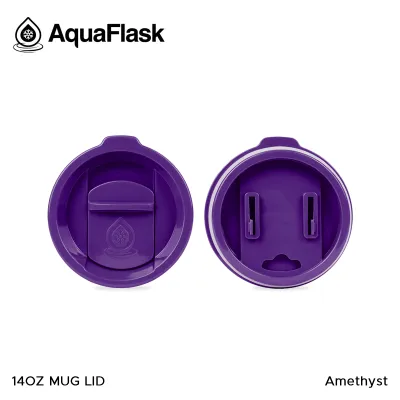
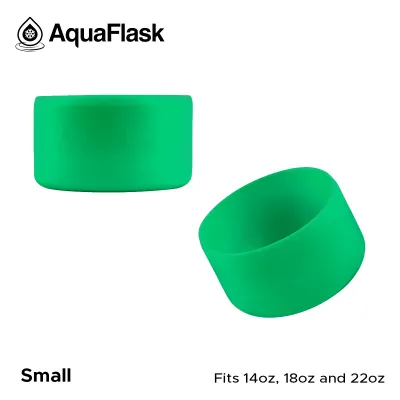
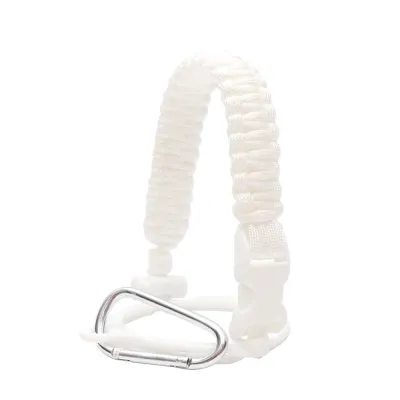
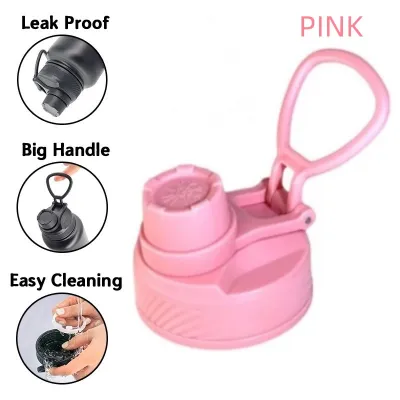
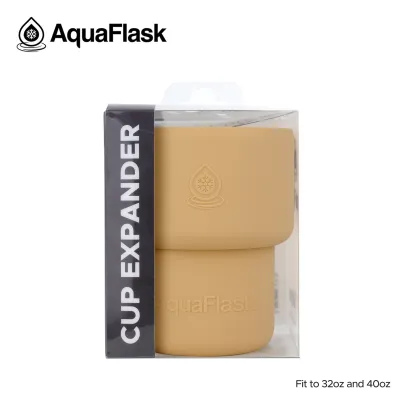
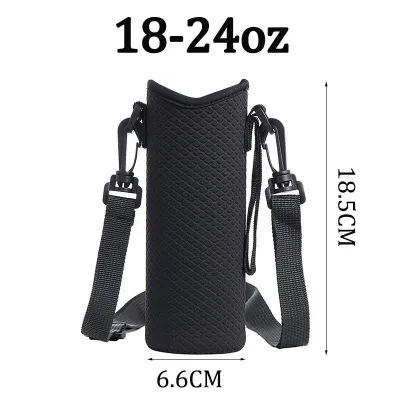
Prices are valid at publication and may change. Please refer to the product page for the latest price.
Measure the mouth diameter using a standard ruler or a caliper across the top opening. Standard wide-mouth openings differ significantly from narrow-mouth models, and this measurement directly dictates which replacement lids will seal correctly. Be sure to measure from the outer edges of the steel rim to get an accurate reading of the opening’s width.
Measure the base width of your bottle to ensure external accessories fit correctly. Place the bottle flat on a level surface and measure straight across the bottom. This measurement is crucial for choosing silicone boot covers and carrying sleeves that rely on a snug friction fit.
Note the design generation or any recent updates to your bottle’s silhouette. Brands occasionally update their bottle shapes, thread pitches, or collar designs over time. A bottle purchased several years ago might have slightly different exterior contours than a newer release, even if they share the same volume capacity.
How to Verify Lid and Straw Compatibility
Examine the thread pattern inside the lid and on the neck of the bottle before purchasing a replacement. Even a millimeter of difference in thread pitch can cause cross-threading when you tighten the lid. Cross-threading damages the plastic threads, compromises the vacuum seal, and leads to persistent water leakage.

Verify the mouth diameter compatibility against the accessory’s specifications. Most insulated sports bottles use standard wide-mouth or narrow-mouth classifications. Ensure the accessory listing explicitly matches your measured mouth diameter rather than relying solely on the bottle’s volume, as different capacities can share the same mouth size.
Measure and adjust straw length to match your bottle’s internal depth. A straw that is too long will bend against the bottom of the bottle, restricting water flow or blocking it entirely. Conversely, a straw that is too short will leave liquid at the bottom. Measure the internal depth of your flask from the rim to the base, and compare it to the straw length before installation.
Inspect the silicone gasket or O-ring inside the replacement lid. A watertight seal relies entirely on a properly seated gasket. When installing a new lid, check that the gasket is not twisted, stretched, or pinched, as high humidity and temperature changes can cause poorly fitted silicone to slip out of place and cause leaks.
Checking the Fit for Sleeves and Boot Covers
Match the boot cover’s internal diameter to your bottle’s base width. A boot that is too small will not slide onto the bottle, or it may split under tension during installation. A boot that is too large will slip off constantly, failing to protect the powder-coated finish from dents when placed on rough outdoor surfaces.
Assess the sleeve material and stretch before making a choice. Neoprene and silicone sleeves offer different levels of flexibility and thickness. Ensure the sleeve’s height and diameter match your bottle’s specific contours, especially if your model features a tapered body or a distinct shoulder curve near the neck.
Check for functional interference with other bottle features. A properly fitted sleeve or boot should not block access to carrying handles, strap attachment points, or volume markers. If you use a carrying strap, ensure the sleeve has the necessary cutouts or attachment loops to accommodate your carrying method.
Prevent moisture buildup beneath external accessories. In humid tropical environments, tightly fitted sleeves can trap condensation or spilled water against the metal body. Ensure you can easily remove the sleeve or boot for regular cleaning and drying to prevent musty odors or surface blemishes on the bottle’s exterior.
Where to Confirm Official Compatibility Specifications
Consult the manufacturer’s official website or authorized retail listings for detailed specification sheets. Official product pages often feature compatibility matrices, showing exactly which lids, boots, and paracord handles fit each specific fluid-ounce capacity.
Contact customer support directly if you are unsure about your bottle’s model. If you own an older model or a limited-edition design, sending a photo of your bottle and its bottom stamp to official support channels can help you get definitive confirmation before spending money on accessories.
Cross-reference product descriptions on authorized e-commerce platforms. Look for listings that include verified buyer feedback and Q&A sections. Pay close attention to reviews from customers who mention using the accessory with your exact bottle size and generation.
Visit a physical retail partner or authorized kiosk to test the fit in person. If you are still unsure, bringing your clean, empty bottle to an official store allows you to physically test the fit of various accessories, ensuring a secure match before completing your purchase.
Frequently Asked Questions (FAQ)
Can I use third-party lids on my AquaFlask bottle?
While some third-party lids claim a universal fit for wide-mouth bottles, using non-original accessories carries risks. Minor differences in thread depth can cause slow leaks or compromise the bottle’s temperature retention. Additionally, using unapproved third-party parts may void your manufacturer’s warranty if the bottle’s neck or threads become damaged. Always verify exact millimeter measurements and check user feedback before trying a third-party lid.
What should I do if a replacement straw is too long?
If your replacement straw is too long for your bottle’s depth, you can trim it to fit. Measure the distance from the bottom of your lid’s connection port to the bottom of the bottle, leaving a small gap of about half a centimeter so water can flow freely. Use clean, sharp scissors to make a straight, clean cut at the bottom end of the straw. Avoid cutting it too short, as a short straw will prevent you from drinking the remaining liquid.
Are silicone boot covers universal across all bottle sizes?
No, silicone boot covers are not universal. Because the base diameter of insulated bottles increases with their fluid capacity, boots are designed for specific size ranges. For example, a boot made for an 18 oz or 22 oz bottle will not stretch enough to fit a 32 oz or 40 oz bottle, while a larger boot will simply fall off a smaller flask. Always check the product listing’s size compatibility chart to match the boot to your specific bottle volume.
Community discussion
Share your experience or ask a question. Comments are reviewed before publication.