
When you navigate the intense, humid heat of the Philippines, finding a reliable way to keep your beverages ice-cold is more than a matter of comfort—it is a necessity for daily endurance. The aqualflask has become an incredibly common sight in offices, gyms, and transit hubs across the country, but does it truly outperform other insulated sports bottles when the tropical sun is at its peak?
The direct answer is conditional: while an Aqualflask provides highly competitive double-wall vacuum insulation that easily keeps drinks cold for hours, the absolute “best” bottle for your specific needs depends heavily on your choice of lid, the bottle’s capacity, and your budget. No single brand universally dominates every tropical scenario. For instance, a premium, high-end bottle equipped with a poorly sealed straw lid will lose its cold temperature much faster than a budget-friendly bottle fitted with a tightly sealed, solid screw-on cap.
To determine which bottle will serve you best under the Philippine sun, you must look past marketing hype and evaluate four critical pillars: thermal insulation technology, lid sealing mechanisms, exterior durability against high humidity, and overall price-to-performance value.
Products mentioned in this guide
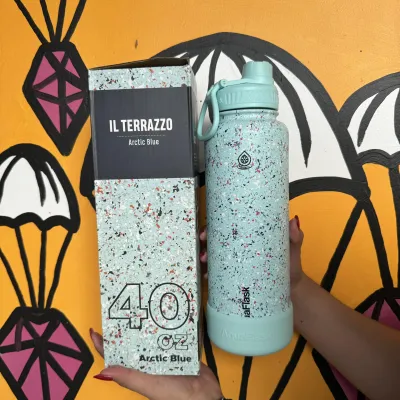
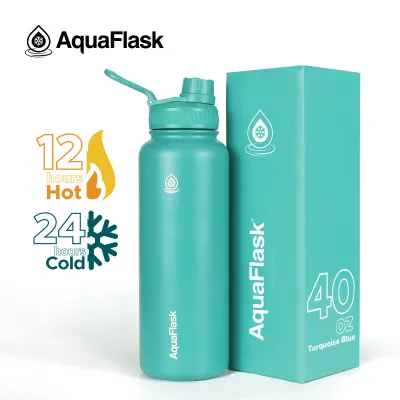
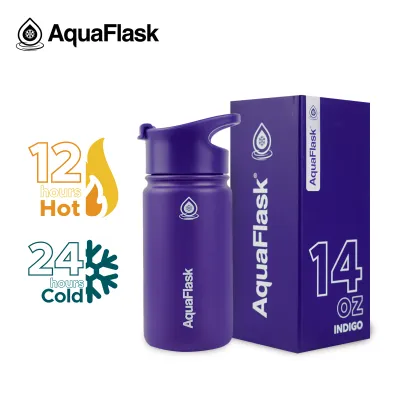
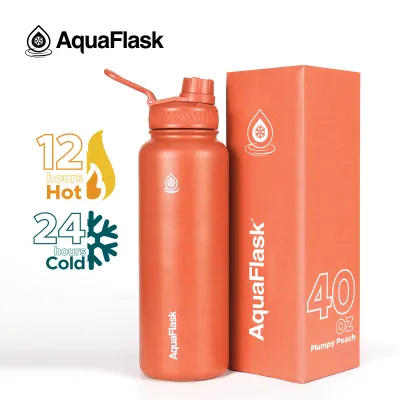
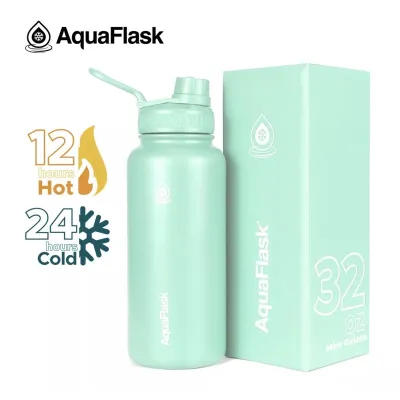
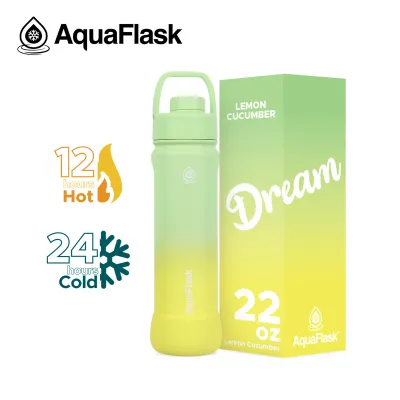
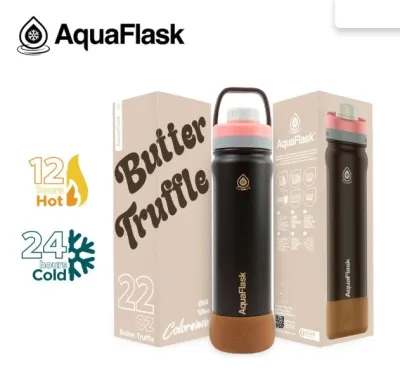
Prices are valid at publication and may change. Please refer to the product page for the latest price.
Key Features That Determine Cold Retention in Hot Climates
Understanding the physics of how a bottle interacts with ambient heat is the first step toward making an informed purchase. When temperatures soar past 30°C in Manila or during outdoor activities in the provinces, several technical specifications and design choices directly dictate how long your ice remains solid.
Vacuum Insulation and Material Grade
At the heart of any high-performing sports bottle is double-wall vacuum insulation. This construction features an inner and outer wall of steel with the air sucked out of the space between them. Because a vacuum contains no air molecules, it prevents heat from transferring via conduction or convection from the hot tropical air into your cold beverage.
When shopping, always verify that the bottle is manufactured from food-grade 18/8 stainless steel (also known as Grade 304). This specific alloy contains 18% chromium and 8% nickel, which provides excellent resistance to rust and corrosion—a vital feature in the highly humid coastal environments of the Philippines. Additionally, high-quality stainless steel resists flavor retention, ensuring your water does not taste like yesterday’s sports drink.
For maximum cold retention, look closely at the manufacturer’s technical specifications rather than relying on generic marketing terms. Some premium models feature a copper lining on the exterior of the inner wall. This copper layer acts as a highly effective radiation barrier, reflecting thermal energy away from the inner chamber and prolonging the life of your ice.
Lid Design and Thermal Sealing
While the stainless steel body of a bottle is highly efficient at blocking heat, the lid is almost always the weakest link in thermal retention. Because lids are typically made of plastic rather than insulated steel, they serve as the primary gateway for ambient heat to enter the bottle.
The style of lid you choose dramatically impacts how long your water stays cold:
- Screw-On Loop Caps: These lids offer the highest thermal efficiency. Because they screw directly into the neck and feature a solid, thick barrier with no moving parts or openings, they create an airtight seal that minimizes thermal exchange.
- Flip-Top Sports Spouts: These offer moderate thermal efficiency. They provide convenient one-handed drinking, but the internal hinge and spout mechanisms introduce minor gaps where heat can slowly seep in.
- Straw Lids: These are the most convenient for desk work or driving, but they offer the lowest thermal retention. The internal straw and air-release valves allow a continuous, albeit small, exchange of air between the inside of the bottle and the hot external environment.
In extreme tropical heat, the quality of the lid’s silicone gasket and the precision of the thread design are critical. A loose thread or a cheap, thin gasket will allow cold air to escape and warm air to enter, rendering even the best vacuum-insulated body ineffective.
Capacity and Ice-to-Liquid Ratio
The physical principle of thermal mass plays a massive role in how long your drink stays cold. Larger volumes of liquid and ice hold their temperature far better than smaller volumes when exposed to high ambient heat. For example, a 32-ounce or 40-ounce bottle will naturally retain its cold temperature longer than a 14-ounce or 18-ounce bottle under identical conditions, simply because there is more cold mass to resist the incoming heat.
To maximize performance during long commutes or outdoor sports, pay attention to your ice-to-liquid ratio. A common mistake is filling the bottle with warm tap water and a few ice cubes. For optimal results in tropical climates, fill at least one-third to one-half of the bottle with solid ice before adding pre-chilled water. This ensures the ice does not immediately melt trying to cool down room-temperature liquid, giving you ice-cold hydration that lasts throughout the day.
Comparing Aqualflask to Other Popular Insulated Brands
To help you decide whether to choose an Aqualflask or invest in an alternative, it is helpful to compare their standard specifications, target markets, and overall construction. The market is generally split between accessible, value-driven brands and premium heritage brands.

Below is a comparison framework detailing how these categories typically stack up in the Philippine market:
| Feature / Dimension | Aqualflask (Value-to-Mid-Tier) | Premium Heritage Brands | Budget Alternatives |
|---|---|---|---|
| Material Grade | Food-grade 18/8 Stainless Steel | Food-grade 18/8 Stainless Steel (often proprietary finishes) | Standard 18/8 or lower grade steel |
| Standard Lid Options | Spout lid, straw lid, loop cap (often bundled) | Specialized leak-proof lids, magnetic caps, pressure-valves | Basic screw cap or simple flip lid |
| Weight (Empty 32 oz) | Moderate to heavy | Optimized lightweight designs available in premium lines | Varies widely; often heavier or thinner walls |
| Dishwasher Safety | Hand-wash recommended for most powder coats | Many modern lines are dishwasher-safe | Hand-wash only |
| Warranty Terms | Limited warranty (covers manufacturing defects) | Lifetime warranty against thermal failure and defects | No warranty or very short return window |
| Typical Price Band | ₱600 to ₱1,500 | ₱2,000 to ₱3,500+ | ₱200 to ₱500 |
Aqualflask has carved out a massive market share in the Philippines by offering a highly appealing middle ground. They deliver the robust double-wall vacuum insulation and 18/8 stainless steel construction of premium brands but at a fraction of the cost. They also frequently bundle multiple lid styles or protective silicone boots with the bottle, saving consumers from having to purchase these accessories separately.
In contrast, premium heritage brands charge a significant price premium. For this extra cost, buyers typically receive highly specialized, proprietary lid designs (such as magnetic caps or advanced high-flow sports valves), slightly lighter overall weights, and more comprehensive lifetime warranties.
When shopping, always cross-reference product specifications on the official brand websites or authorized online stores. Because brands continuously update their coatings, lid designs, and insulation technologies, verifying the exact model year and features is crucial. Furthermore, the popularity of these bottles has led to a flood of counterfeit products on local online marketplaces. These cheap imitations often look identical but completely lack true vacuum insulation, resulting in immediate condensation and rapid warming. Always verify that you are purchasing from a store with an authorized seller badge or buying directly from official retail outlets.
Build Quality and Daily Usability in Humid Conditions
In the Philippines, high relative humidity levels present unique challenges for daily carry gear. A bottle that performs perfectly in a dry, air-conditioned office might become difficult to handle during a humid afternoon commute or an outdoor workout.
Exterior Grip and Sweat Resistance
The finish on the exterior of your bottle directly impacts how easy it is to carry when your hands are sweaty or the air is thick with moisture.
- Powder-Coated Finishes: This is the gold standard for sports bottles. A high-quality, textured powder coat provides a slip-resistant surface that is easy to grip even during intense workouts, hikes, or rainy weather.
- Glossy or Painted Finishes: While visually appealing, these can become incredibly slick when exposed to moisture, making them prone to slipping out of your hands or gym bag pockets.
- Bare Stainless Steel: Extremely durable and immune to paint chips, but offers very little natural grip when wet.
It is important to clarify a common point of confusion: a properly functioning vacuum-insulated bottle will never “sweat” (meaning moisture from the inside will not cause condensation on the outside). However, external factors like sudden rain, high humidity, or being placed next to wet gear in a gym bag can still leave the exterior wet. A textured powder coat ensures that even when external moisture is present, you can maintain a secure grip.
Cleaning Sports Lids to Prevent Odor
The warm, humid climate of the Philippines creates an ideal breeding ground for bacteria, mold, and mildew. This makes regular, thorough cleaning of your bottle’s lid and accessories absolutely essential for food safety and preventing unpleasant odors.
Complex sports lids, straw mechanisms, and silicone bite valves are particularly notorious for trapping moisture, backwash, and organic residue. To keep your bottle clean and fresh, establish a regular, low-risk cleaning routine:
- Disassemble Completely: Remove all removable parts, including the silicone gaskets, straws, and plastic spout covers. Mold often hides underneath the silicone rings that seal the lid.
- Wash Thoroughly: Use warm, soapy water and a specialized straw brush to clean the narrow passages of straws and spouts. Avoid harsh chemicals like bleach, which can degrade the silicone and damage the plastic.
- Air Dry Completely: This is the most crucial step in a humid climate. Lay all components out separately in a well-ventilated area and allow them to dry completely before reassembling. Putting a damp lid back together traps moisture and guarantees mold growth.
Always refer to the manufacturer’s care instructions regarding dishwasher safety. While some stainless steel bodies can handle the dishwasher, the intense heat of a drying cycle can warp plastic lids, degrade silicone gaskets, and ruin the airtight seal that keeps your drinks cold.
Evaluating Price-to-Performance Value
When deciding between an Aqualflask and its competitors, evaluating the true price-to-performance ratio is key to making a smart investment. In the insulated bottle market, “value” is not simply about finding the lowest price; it is about finding the point where performance, durability, and convenience align with your budget.
For the vast majority of daily users in the Philippines—such as students, office workers, and casual gym-goers—the baseline thermal performance of a mid-tier bottle like Aqualflask is more than sufficient. It will easily keep water cold for an entire school or work day. Paying double or triple the price for a premium heritage brand does not mean your water will stay three times colder; in fact, the actual difference in temperature retention over an eight-hour period is often negligible.
Instead, when you pay a premium for high-end brands, you are primarily paying for:
- Specialized Lid Engineering: Advanced, leak-proof designs that allow fast flow or one-handed operation during high-intensity sports like cycling or running.
- Aesthetics and Brand Prestige: Exclusive colorways, limited-edition collaborations, and a sleek design profile.
- Long-Term Warranties: Lifetime guarantees that offer peace of mind if the vacuum seal ever fails.
Another critical factor to consider is the total cost of ownership. In a tropical climate where silicone gaskets and straws must be cleaned frequently and will eventually wear out, the availability of replacement parts is a major practical consideration. Before purchasing, search local e-commerce platforms to see how easy and affordable it is to buy replacement lids, silicone rings, and straws for your chosen brand. A brand that offers cheap, easily accessible replacement parts will save you money in the long run compared to a brand where a lost gasket forces you to buy an entirely new bottle.
Keep an eye out for frequent promotional sales, which are common on local online shopping platforms during monthly double-day sales (like 8.8 or 9.9) and holiday events. These promotions can dramatically shift the value proposition, occasionally bringing premium brands down to mid-tier prices or making Aqualflask an absolute bargain. Remember, however, that a cheap bottle that leaks all over your laptop or gym gear offers zero real value, regardless of how little you paid for it. Prioritize a reliable seal above all else.
Final Verdict: Which Bottle Should You Choose?
To make your final decision, align your choice with your primary daily activities, budget, and performance expectations. Use this simple decision matrix to guide your purchase:
Choose Aqualflask if:
- You want a highly reliable, durable daily hydration companion without spending a premium.
- You are satisfied with standard lid options like the spout or straw lid and appreciate having these accessories bundled with your purchase.
- You want a bottle with widely available, affordable replacement parts on local online marketplaces.
Choose a premium competitor if:
- You participate in specialized sports (like road cycling, long-distance running, or technical climbing) where you need highly specific lid mechanisms, such as one-handed pressure valves or magnetic caps.
- You view your bottle as a long-term investment and want the security of a comprehensive lifetime warranty.
- You highly value specific aesthetic designs, exclusive colors, or lightweight construction.
Verify first if:
- You are planning extreme outdoor expeditions, multi-day hikes, or marine sports where gear failure could pose a safety risk. In these scenarios, always research user reviews specifically addressing the model's durability, and confirm the warranty terms on the official brand store before committing.
Ultimately, your daily experience with an insulated bottle will be shaped far more by the type of lid you choose than the brand name on the side of the steel. If you need to toss your bottle into a backpack or gym bag without a second thought, prioritize a solid, leak-proof screw cap. If you need quick hydration at your desk or while driving, a straw lid is highly convenient, even if it means sacrificing a small amount of cold retention. Match the lid to your lifestyle, keep it clean, and you will have no trouble staying refreshed in the Philippine heat.
Community discussion
Share your experience or ask a question. Comments are reviewed before publication.