
When planning a family day at a local resort or setting up a wading pool in your backyard, introducing your little one to the water is an exciting milestone. However, many parents naturally ask: are baby floaters actually safe? The short answer is that a floater for baby is never a substitute for active adult supervision, but it can serve as a helpful water play aid if you select, inspect, and use it with strict safety protocols. Understanding how to evaluate these products before making a purchase is crucial for keeping your child secure in the water.
To help you make an informed decision, this guide breaks down the essential safety features, material standards, and pre-use checks you must perform. By treating these items as recreational play tools rather than safety devices, you can minimize risks and enjoy peace of mind during your family’s pool sessions.
Understanding the Role and Limits of Baby Floaters
Before browsing online marketplaces or local retail stores, you must understand what a baby floater can and cannot do. Many parents mistakenly view these products as safety devices that prevent drowning. In reality, consumer safety organizations classify baby floaters strictly as water toys or swim aids. They do not possess the life-saving capabilities of certified personal flotation devices (PFDs) or life jackets.
Products mentioned in this guide
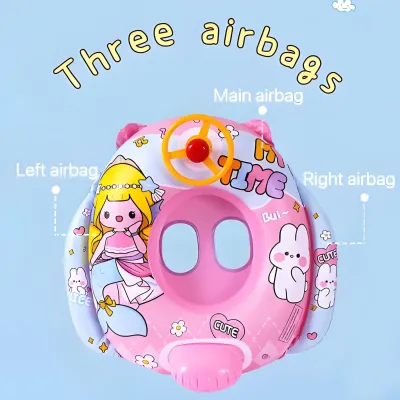
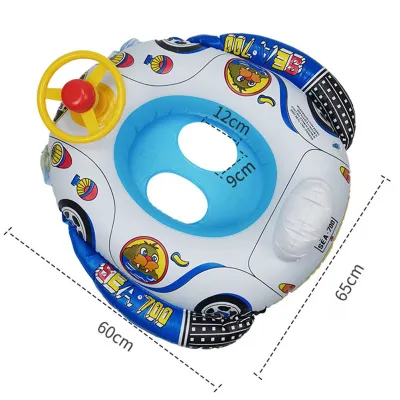
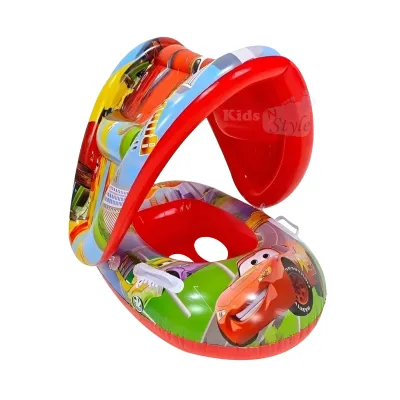
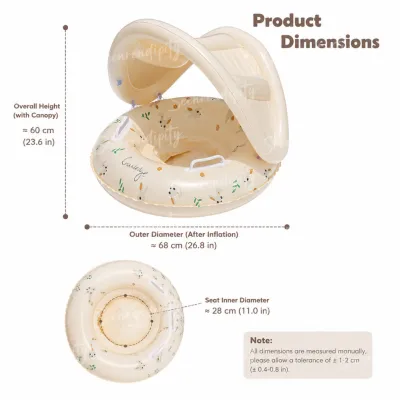
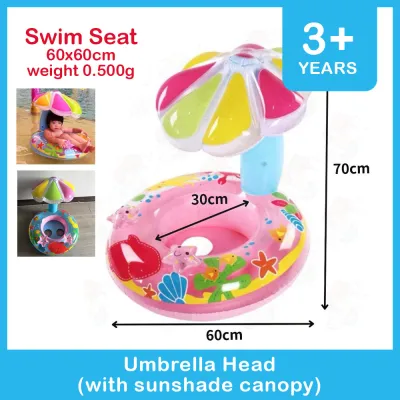
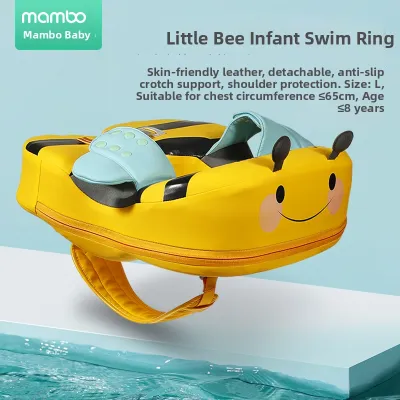
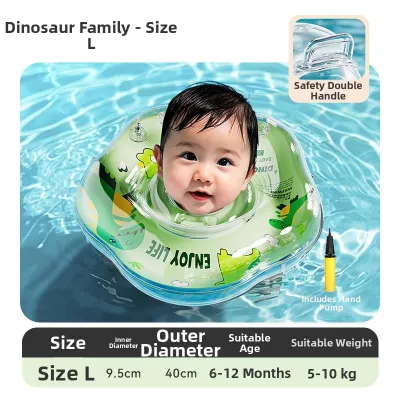
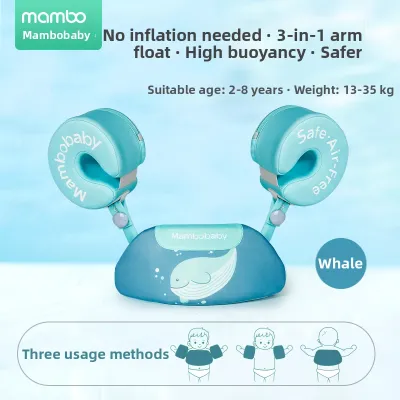
Prices are valid at publication and may change. Please refer to the product page for the latest price.
Because floaters are lightweight and filled with air, they are susceptible to sudden tipping, deflation, or drifting. A passing wave, a sudden gust of wind, or a baby shifting their weight unexpectedly can cause a floater to capsize in an instant. For this reason, relying on the device to keep your child safe is a dangerous assumption.
The Rule of Touch Supervision
The absolute golden rule of infant water safety is touch supervision. This means a responsible adult must be in the water, within arm’s reach of the baby, and focused entirely on them at all times. You should be close enough to physically touch your baby instantly if the floater tips or slips.
Distractions like reading, checking your phone, or socializing can lead to delayed reactions. Even a few seconds of distraction can be critical in an emergency. The floater is there to support your baby’s play, not to watch your baby for you.
Selecting the Right Water Environment
Baby floaters are designed exclusively for calm, controlled, and shallow water environments. Ideal settings include backyard wading pools, shallow family pools, or calm resort pools where there is no active current.
Never use an inflatable baby floater in open water, such as the ocean, rivers, or lakes. Strong currents, sudden waves, and wind can quickly sweep a lightweight inflatable away from you or flip it over. Additionally, avoid crowded public pools where other swimmers might accidentally bump into or submerge the floater.
How to Verify Material Safety and Chemical Standards
Since your baby’s bare skin will be in direct contact with the floater for extended periods, evaluating the chemical composition of the material is just as important as checking its physical design. Cheap plastics can contain harmful chemicals that leach out, especially when exposed to warm water and intense tropical sunlight.

Deciphering Chemical Labels
When shopping for a floater for baby, carefully read the product packaging and online specifications. Look for explicit manufacturer certifications indicating the product is non-toxic. Key labels to verify include:
- BPA-Free: Ensures the plastic does not contain Bisphenol A, a chemical linked to developmental and hormonal issues.
- Phthalate-Free: Verifies the absence of plasticizers commonly used to make PVC flexible, which are restricted in children's toys due to health concerns.
- Heavy Metal-Free: Confirms the material does not contain lead, cadmium, or other toxic stabilizers.
- High-Quality PVC or TPU: Look for heavy-duty, puncture-resistant polyvinyl chloride (PVC) or thermoplastic polyurethane (TPU). TPU is often preferred as it is more durable, flexible, and less prone to chemical odors.
The Unboxing Sniff Test and Airing Out
When you first open the packaging of a new baby floater, pay close attention to the smell. A strong, pungent, sweet, or gasoline-like chemical odor is a warning sign of volatile organic compounds (VOCs) or low-grade plastics.
If you detect a strong smell, do not put the floater in the water immediately. Inflate the product and leave it to air out in a well-ventilated, shaded outdoor area for several days. If the chemical smell persists after airing, it is best to avoid using the product on your baby’s sensitive skin.
Age and Skin Sensitivity Checks
Always check the manufacturer’s packaging for specific age recommendations and skin-sensitivity warnings. Babies have incredibly thin, delicate skin that can easily chafe or develop rashes when rubbed against wet plastic. Look for floaters that feature soft fabric covers or smooth, rounded inner seams to prevent painful friction burns around the leg holes and underarms.
Assessing Structural Stability and Weight Limits
Physical stability is the primary defense against tipping and submersion. When comparing different models, look closely at the structural design and weight specifications provided by the manufacturer.
Matching Weight and Age Limits
Never buy a floater that your baby is expected to “grow into.” A floater that is too large can allow your baby to slip through the leg holes or lose their balance, while one that is too small may sink or tip over easily.
Always weigh your baby before purchasing and match their current weight strictly to the manufacturer’s stated capacity limits on the box. If your baby is near the upper limit of a specific weight bracket, it is time to transition to the next size up or explore alternative swim aids.
Key Stability Design Features
To minimize the risk of capsizing, look for floaters engineered with specific stability-enhancing features:
- Dual Air Chambers: High-quality floaters feature at least two independent air chambers, often an inner and an outer ring. If one chamber suffers a puncture, the remaining chamber provides enough temporary buoyancy to keep the baby afloat while you lift them to safety.
- Wide, Low-Profile Base: A wider outer ring lowers the center of gravity, making the floater much harder to tip over when the baby leans forward or sideways.
- Secure, Comfortable Leg Holes: The seat should support the baby in an upright, natural position. Leg holes should be smooth, snug enough to prevent the baby from slipping through, yet loose enough to avoid pinching or restricting circulation.
- Safety Harnesses: Some advanced models include a multi-point safety strap or harness to keep the baby securely centered in the seat, preventing them from climbing out or sliding forward.
Inspecting Safety Valves
Cheap inflatables often use basic pull-tab valves that can easily pop open if bumped. Look for floaters equipped with multi-layer safety valves or leak-proof valves. These valves require you to actively squeeze the base of the valve to let air in or out. This design ensures that even if the outer cap accidentally pops open during play, the air will not immediately rush out of the chamber.
Pre-Use Inspections and Safe Setup Practices
Even the highest-quality floater can degrade over time due to sun exposure, chlorine, and storage conditions. Establishing a routine inspection habit before every single swim session is essential for your baby’s safety.
The Pre-Inflation Inspection Checklist
Before you inflate the floater, lay it flat on a clean surface and perform a thorough visual and tactile check. Look for the following warning signs:
- Seam Weakness: Gently pull along the welded seams to check for separation or thinning plastic.
- Punctures and Scratches: Look for tiny pinholes, scuffs, or scratches caused by storage or transport.
- Material Degradation: Check if the plastic feels unusually brittle, stiff, sticky, or paper-thin in certain areas.
If you suspect a leak but cannot see it, inflate the floater and submerge it in a tub of water, or spray it with soapy water. Look closely for escaping air bubbles, which indicate a puncture. If you find any leak, discard the floater immediately; do not attempt to patch a baby floater, as DIY repairs can fail unexpectedly in the water.
Proper Inflation Techniques
When inflating the floater, follow the manufacturer’s instructions carefully. Do not use high-pressure air compressors, as these can easily rupture the internal seams. Instead, inflate the chambers by mouth or using a manual hand pump.
Avoid over-inflating the device. The plastic should feel firm but still yield slightly to gentle thumb pressure. In hot tropical climates, air expands rapidly when exposed to direct sunlight. An over-inflated floater left on a hot pool deck can easily burst or warp due to the rising internal pressure.
Safe Entry and Exit Procedures
Placing your baby into the floater requires care to maintain balance. If possible, have one adult hold the floater steady in shallow water while another adult gently lowers the baby into the seat.
Always support your baby’s head, neck, and torso during this transition. Ensure their legs are properly threaded through the leg holes and that they are sitting squarely in the center of the seat. When it is time to leave the pool, reverse the process, lifting the baby out first before removing the floater from the water.
Warning Signs and When to Retire the Floater
Knowing when to stop using a floater is just as important as knowing how to buy one. Plastic and vinyl have a limited lifespan, especially when subjected to pool chemicals and UV rays.
Identifying Material Wear and Tear
Inspect your floater regularly for signs of aging. You must retire and replace the floater immediately if you notice any of the following:
- Fading and Discoloration: Significant fading from sun exposure indicates that the plastic has weakened and is more prone to tearing.
- Stickiness: If the plastic feels sticky or tacky to the touch, the polymers are breaking down, and the material's structural integrity is compromised.
- Slow Leaks: If the floater requires re-inflation during a single swim session, it has a slow leak and is no longer safe to use.
- Stiffening: If the vinyl becomes stiff, brittle, or cracks when folded, it can split open suddenly under pressure.
Reading Your Baby's Behavioral Cues
Safety is not just about the equipment; it is also about your baby’s comfort and physical state. Pay close attention to how your baby behaves while in the floater. Remove them from the water immediately if you observe:
- Distress or Crying: If your baby seems scared, uncomfortable, or agitated, do not force them to stay in the floater.
- Slipping or Slouching: If your baby is constantly sliding down, leaning heavily to one side, or struggling to keep their head upright, the floater may be too large or lack proper support.
- Fatigue: Shivering, yawning, or lethargy are signs that your baby is cold or tired. Infant bodies lose heat quickly in water, so keep swim sessions short and sweet.
Post-Swim Maintenance and Storage
To extend the safe lifespan of your baby’s floater, proper post-swim care is essential. After every use, rinse the floater thoroughly with clean, fresh tap water to remove chlorine, salt, sunscreen, and sweat.
Wipe it down with a soft cloth and allow it to air-dry completely in a shaded, well-ventilated area. Never leave the floater drying in direct sunlight, as UV rays accelerate plastic degradation. Once completely dry, deflate it gently and store it flat in a cool, dry place away from sharp objects and pests. In humid climates, ensuring the product is 100% dry before storage prevents the growth of mold and mildew, which can ruin the material and irritate your baby’s skin.
Frequently Asked Questions (FAQ)
Is It Safe to Use a Baby Floater in Chlorinated Pools?
Yes, most baby floaters are designed to withstand standard pool chemicals, but you must consult your product’s manual for specific compatibility statements. Chlorine and saltwater can gradually dry out and degrade vinyl or PVC over time. To prevent this material breakdown, always rinse the floater thoroughly with fresh tap water after every swim session and let it air-dry completely in the shade before storing it.
Are There Safe Floaters for Newborns?
Generally, standard baby floaters are not safe or suitable for newborns. Most manufacturers specify a minimum age of six months, or require that the infant has achieved full, stable neck and head control. Always check the manufacturer’s strict minimum age, weight, and developmental requirements on the packaging. Before introducing any water gear, floatation devices, or pool activities to a newborn, always consult your pediatrician for professional guidance.
Community discussion
Share your experience or ask a question. Comments are reviewed before publication.