
Baby floaties are not life-saving devices, and they cannot guarantee your child’s safety in the water. While these colorful inflatable rings and seat floats are incredibly popular for family pool days, they are legally classified as water toys rather than safety equipment. Relying on them to keep an infant safe in a swimming pool is a dangerous mistake that can lead to silent, rapid emergencies.
Understanding the true purpose and limitations of these swim aids is the first step toward preventing water-related accidents. When used correctly under strict conditions, certain floaties can help introduce your baby to the sensation of water. However, parents must approach these products with a clear understanding of their inherent risks, construction standards, and the non-negotiable rules of active supervision.
Understanding the Inherent Risks of Baby Floaties
The most immediate hazard associated with infant flotation devices is the risk of tipping or flipping over. Because babies have a high center of gravity and undeveloped core strength, a sudden shift in weight can cause a floatie to capsize instantly. Once upside down, an infant is physically incapable of righting themselves, and their face will remain submerged under the water until someone intervenes.
Products mentioned in this guide
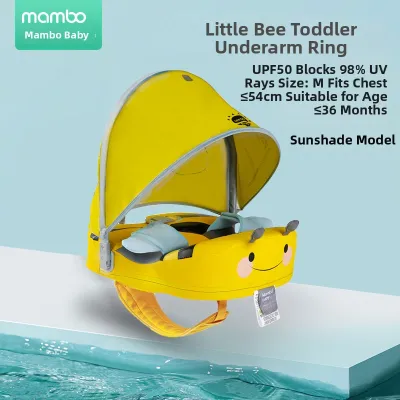
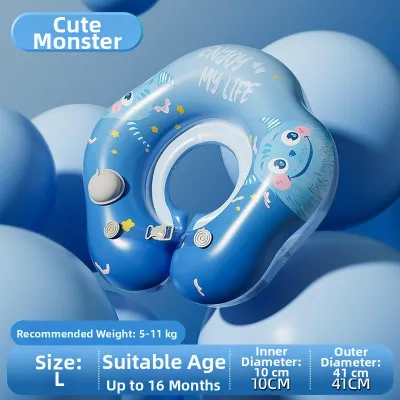
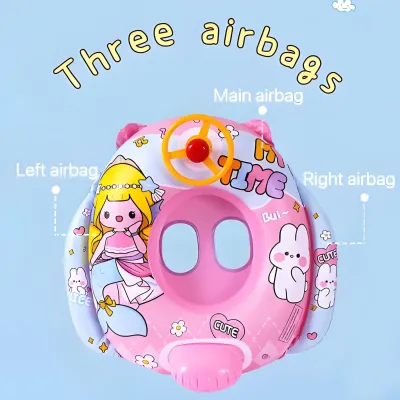
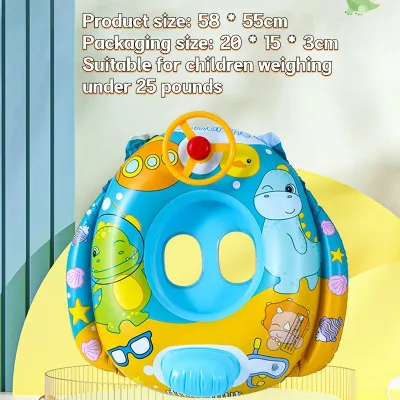

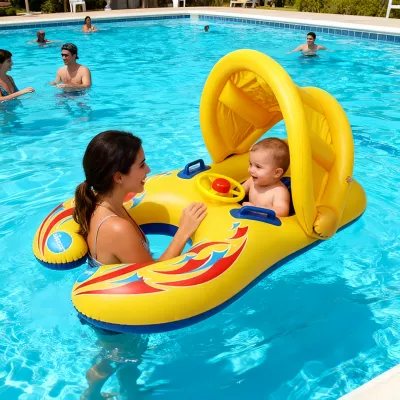
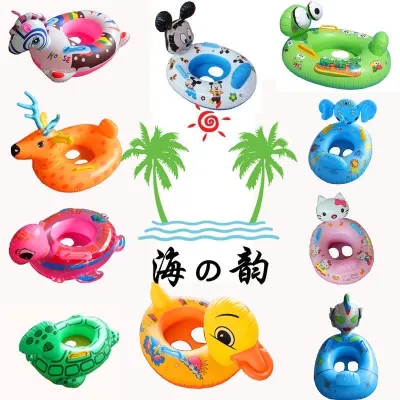
Prices are valid at publication and may change. Please refer to the product page for the latest price.
Another major danger is the false sense of security that these devices create for parents. When a baby is floating upright and seemingly secure, caregivers are much more likely to step back, check their phones, or engage in conversation. This momentary distraction can be catastrophic, as water accidents occur silently and can cause permanent harm in less than a minute.
Physical displacement within the floatie itself poses another silent threat. If the leg holes are too wide or the seat is poorly designed, a baby can easily slip downward through the bottom of the device. Conversely, neck rings can put undue pressure on a baby’s fragile cervical spine or slip off entirely if the baby wiggles or shrinks their neck, leading to immediate submersion.
The environment in which these toys are used also dictates their safety level. Recreational floaties are designed exclusively for calm, flat, supervised swimming pools. Using them in moving water, such as rivers, lakes, or tidal ocean areas, exposes the baby to currents and waves that can easily sweep the floatie away or flip it over before an adult can react.
Observable Safety Features and Label Checks
Before purchasing any flotation device from an online marketplace or local store, parents must carefully inspect the manufacturer’s label. Avoid products that make vague, sweeping claims about safety or universal fit. Instead, look for clear, printed specifications detailing the exact age, weight, and height limits required for safe operation.

Legitimate manufacturers will print recognized safety standard certifications directly on the product or its packaging. These markings indicate that the floatie has undergone testing for material strength, buoyancy, and valve security. If a product lacks these official markings or features poorly translated safety warnings, it should not be used.
A close physical inspection of the floatie is essential before it ever touches the water. Look for designs that feature dual-chamber air valves, which provide a backup layer of buoyancy if one chamber suffers a puncture. The buckles and straps should be made of heavy-duty plastic that clicks securely into place, and the overall base of the floatie should be wide and low-profile to maximize stability.
Parents should also be wary of cheap materials that present immediate physical hazards. Avoid floaties with rough, sharp plastic seams that can scratch or chafe a baby’s delicate skin, especially in warm, humid tropical climates where skin irritation develops quickly. Additionally, strong chemical odors or easily detachable plastic pieces, such as decorative toy beads, pose severe choking hazards and indicate low-quality manufacturing.
Matching the Floatie Type to Your Baby's Development
Selecting the right style of floatie requires matching the device to your baby’s specific physical milestones. Neck rings, which support the baby under the chin, are highly controversial and require excellent head control if used at all. Seat-style floaties, which allow the baby to sit upright with their legs dangling in the water, are generally more stable but still require the baby to be able to sit up unsupported.
Relying solely on age recommendations is a common mistake when choosing a swim aid. A baby’s current weight and chest circumference are far more accurate indicators of a safe fit than their age in months. A floatie that is too large will allow the baby to slip through, while one that is too small can restrict breathing or cause the baby to ride too high, increasing the risk of tipping.
To test the fit of a seat-style floatie, place your baby in the device while on dry land to observe their posture. The leg holes should be snug enough to prevent the baby from slipping through, yet loose enough to avoid pinching or restricting circulation. The baby’s center of gravity should sit low within the floatie, ensuring that their torso does not lean excessively in any direction.
It is also wise to avoid using hand-me-down floaties or older models stored in hot, humid environments. Over time, exposure to heat, sunlight, and chlorine degrades the PVC material, making it brittle and prone to sudden seam failures. Safety straps and plastic buckles can also become brittle and snap under pressure, rendering the device useless.
Strict Water Safety Rules for Floatie Use
The golden rule of baby water safety is “touch supervision,” which means an adult must be within arm’s reach of the baby at all times. Visual supervision from a pool deck, a lounge chair, or through a window is entirely insufficient. If you need to step away from the pool for even a second, you must take the baby out of the water and bring them with you.
Environmental boundaries must be strictly enforced whenever a floatie is in use. Keep the baby in the shallow end of the pool where you can comfortably stand and maintain firm footing. Never allow a baby in a floatie to drift near pool drains, filtration inlets, or deep areas where retrieving them in an emergency would be more difficult.
Infants are highly susceptible to temperature changes and physical exhaustion, so pool sessions must be kept short. Limit water time to brief intervals, watching closely for signs of shivering, blue lips, or lethargy. In tropical climates, the combination of intense sun exposure and warm water can also lead to rapid dehydration and sunburn, requiring adequate shade and sun protection.
Proper preparation of the floatie is just as important as how it is used in the pool. Always inflate the device according to the manufacturer’s exact instructions, ensuring all air chambers are firm but not over-inflated. Over-inflating can stretch and weaken the seams, while under-inflating reduces buoyancy and causes the floatie to sag, increasing the risk of water entering the seating area.
When to Stop Using the Floatie Immediately
Parents must remain vigilant for physical signs that a baby has outgrown their flotation device. If the floatie rides noticeably lower in the water than it did previously, or if the baby’s chest is tightly squeezed by the safety ring, it is time to retire the product. Deep red marks or chafing around the leg holes are clear indicators that the fit is no longer safe or comfortable.
Behavioral cues from your baby should never be ignored during pool time. If your baby begins to cry persistently, slumps forward, or makes frantic movements to climb out of the floatie, remove them from the water immediately. These behaviors often indicate physical discomfort, fatigue, or fear, all of which increase the risk of an accident.
Equipment wear is another non-negotiable reason to stop using a floatie. Inspect the device before every use for slow air leaks, sticky or peeling plastic, or safety valves that pop open easily. If you notice any loss of air pressure during a swim session, get the baby out of the pool immediately and discard the damaged floatie.
As your baby grows more active and develops better motor skills, transition away from recreational floaties. Enrolling your child in professional, age-appropriate swim lessons is the best way to build genuine water competency. For situations requiring certified safety gear, such as boating or swimming in open water, always choose a properly fitted, government-approved life jacket instead of a toy floatie.
Frequently Asked Questions (FAQ)
Can a baby floatie prevent drowning?
No, a baby floatie cannot prevent drowning. These products are classified as recreational water toys and lack the design features required to save a life. Only a properly fitted, approved life jacket is engineered to keep an unconscious person’s head above water and prevent drowning. Floaties can deflate, flip over, or slip off instantly, meaning they offer no protection without constant, hands-on adult supervision.
At what age can a baby start using a neck float ring?
You should always consult your pediatrician before introducing a neck float ring to your baby. If cleared by a professional, a baby must have complete head and neck control before using one, and the ring must fit strictly according to the manufacturer’s exact neck circumference guidelines. Because neck rings carry unique risks related to airway obstruction and neck strain, many safety organizations advise against their use entirely.
Are swim vests safer than inflatable floaties?
Swim vests with built-in foam inserts generally offer more reliable and consistent buoyancy than inflatable floaties because they cannot deflate or pop. However, most swim vests sold in retail stores are still classified as learn-to-swim aids or water toys, not life-saving devices. Always check the product label to confirm whether the vest is an approved life jacket or simply a recreational swim aid that requires continuous hands-on supervision.
Community discussion
Share your experience or ask a question. Comments are reviewed before publication.