
Baby swimming rings can offer a delightful, interactive way to introduce your little one to the water, but they are not safety devices. While these colorful inflatables help support a baby’s weight in a pool, they do not prevent drowning and must never be used as a substitute for active adult supervision. Understanding the distinction between a recreational water toy and a certified life-saving aid is the first and most crucial step in keeping your child safe during water play.
In warm, tropical climates like the Philippines, where family gatherings frequently center around backyard pools, beaches, and resorts, water activities are a year-round staple. This makes water safety an everyday priority for parents. While a baby swimming ring can make pool time feel more relaxed, relying on it too heavily can create a false sense of security that puts your child at risk.
Understanding the Safety Limits of Baby Swimming Rings
To keep your baby safe, you must first understand what a baby swimming ring is—and what it is not. Inflatable rings, seat floats, and canopy riders are classified strictly as recreational water toys. They do not undergo the rigorous testing, certification, or quality control standards required for personal flotation devices (PFDs) or life jackets. PFDs are engineered to keep an unconscious person’s airway clear of the water, whereas a swimming ring is simply a air-filled plastic shape designed to float on the surface.
Products mentioned in this guide
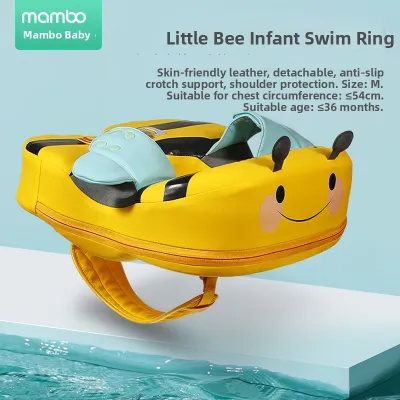
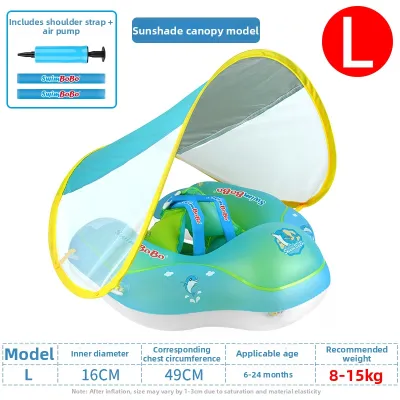
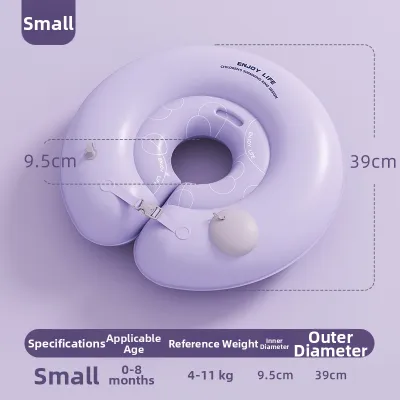
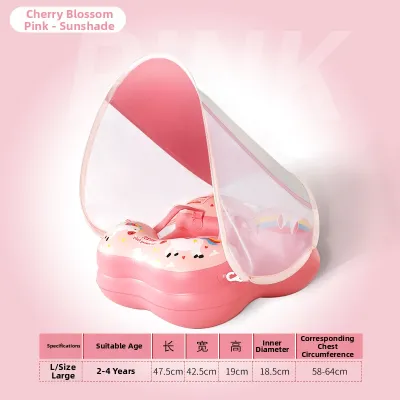
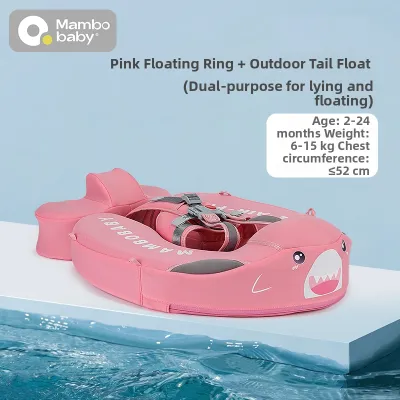

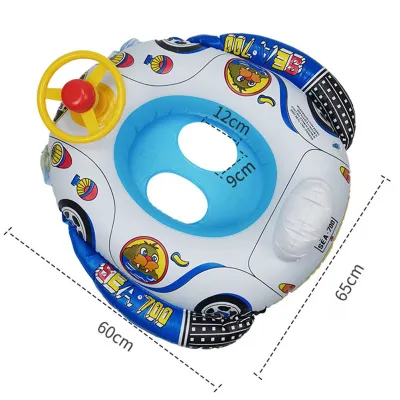
Prices are valid at publication and may change. Please refer to the product page for the latest price.
Relying on an inflatable ring for unsupervised water exposure or in deep water is highly dangerous. Because these products are lightweight and filled with air, they are highly susceptible to environmental forces. A sudden gust of wind, a passing wave, or even a splash from an older child can easily destabilize the ring, causing it to drift away or capsize in an instant.
The physical limitations of inflatable vinyl also present inherent risks. Thin plastic can easily puncture if it brushes against a rough pool edge, a sharp fingernail, or a poolside toy. Furthermore, the seams of inexpensive water toys can split under pressure, and the air valves can pop open if they are not securely pressed flush into the chamber. If any of these failures occur, the ring will lose buoyancy rapidly, leaving the baby vulnerable to slipping underwater.
Age, Weight, and Developmental Readiness Checks
Before placing your baby in any swimming ring, you must verify that they meet the manufacturer’s specific age and weight requirements. These limits are printed directly on the product packaging or on the warning label stamped onto the vinyl itself. These guidelines are not mere suggestions; they are calculated based on the volume of air required to displace water and keep a child of a specific size stable and upright.

Physical milestones are far more important than chronological age when determining if your baby is ready for a swimming ring. For seated or supported ring styles, your baby must possess strong, consistent neck control and the ability to hold their head upright without wobbling. If your baby cannot sit up unsupported on land, they lack the core strength required to maintain a safe, upright posture in a water seat, which can lead to slumping forward and airway obstruction.
As your child grows, gains mobility, and outgrows the design parameters of their first swimming ring, you must transition them to proper, certified swim aids. Active toddlers who kick vigorously or attempt to climb out of a seated ring can easily capsize the float. When your child reaches this stage of physical development, it is time to retire the passive swimming ring in favor of hands-on swimming instruction and certified flotation gear that matches their growing skills.
Critical Safety Precautions Before and During Use
Establishing a strict pre-use inspection routine is essential for preventing equipment failure in the water. Before inflating the ring, lay it flat and inspect the vinyl for any signs of thinning, discoloration, or brittle spots caused by sun exposure and chlorine. Once inflated, perform a quick leak check by submerging the ring in water or spraying it with soapy water; any escaping air will create visible bubbles. Ensure the inflation valve is tightly sealed and pushed completely flat into the ring so it cannot be snagged or pulled open during play.
In-water supervision must always follow the rule of “touch supervision.” This means an adult must remain within arm’s reach of the baby at all times, keeping their eyes on the child without distraction. Reading a book, checking a smartphone, or engaging in poolside conversations can distract you just long enough for an accident to occur. Drowning is silent and can happen in seconds, making constant, undivided attention non-negotiable.
Environmental conditions also dictate whether it is safe to use a swimming ring. Limit use to calm, shallow pool water where you can easily stand and maintain firm footing. Avoid deep water, areas with strong currents or tidal movement, uneven pool floors, and crowded zones where heavy splashing or wave action from older swimmers could easily overwhelm or flip a lightweight baby float.
Choosing the Right Design for Your Child's Comfort and Security
When shopping for a baby swimming ring, comparing different designs can help you select a model that prioritizes stability and physical support. Seated rings with integrated leg holes keep your baby upright and prevent them from slipping straight through the bottom, but they must fit snugly without being restrictive. Canopy rings are excellent for providing shade and protecting delicate skin from intense tropical sun, but the canopy can act like a sail in a light breeze, increasing the risk of the float tipping over.
Look for specific structural features that enhance safety and durability. High-quality baby floats feature multiple independent air chambers, meaning that if one chamber suffers a puncture, the remaining chambers will provide enough temporary buoyancy to keep the baby afloat while you lift them out. Choose models made from heavy-duty, puncture-resistant PVC with smooth, rounded inner seams to prevent painful chafing on your baby’s legs and torso in warm, humid weather.
Pay close attention to how your baby fits in the ring during use, and be prepared to stop using a specific design immediately if it no longer fits correctly. If you notice red marks or deep indentations on your baby’s thighs or waist, the leg holes or seat are too tight and may restrict circulation. Similarly, if your baby appears uncomfortable, arches their back, or constantly tries to lean over the side, they have outgrown the stability limits of that specific design.
Recognizing Warning Signs and When to Stop Use
As a parent, you must be able to recognize the subtle physical signs of distress or improper fit in your baby while they are in the water. A baby who is unusually quiet, slipping low into the seat, leaning heavily to one side, or showing signs of fussiness may be struggling to maintain their balance. If your baby’s chin is forced down toward their chest, their airway could be partially restricted, requiring you to remove them from the float immediately.
Equipment warning signs can also signal impending danger during water play. If you notice the swimming ring sitting lower in the water than when you started, or if one side of the float appears slightly deflated or deformed, the ring is losing air. Do not wait for the float to deflate completely; even a minor loss of air pressure can drastically reduce the stability of the ring and cause it to capsize.
If the swimming ring does flip, if your baby slips out, or if the equipment fails, you must act quickly and calmly. Immediately reach out and scoop your baby up, ensuring their head and face are clear of the water. Hold them securely against your chest to comfort them, and walk calmly to the shallow end or the pool deck to exit the water. Never attempt to adjust, re-inflate, or repair a failing swimming ring while your baby is still in the water.
Frequently Asked Questions (FAQ)
Can a baby sleep in a swimming ring?
No, a baby must never be allowed to sleep in a swimming ring. Allowing a baby to sleep while floating in the water poses an extreme risk of positional asphyxia, where the baby’s head slumps forward and blocks their airway, as well as an immediate risk of drowning if the ring tips. Swimming rings are designed solely for active, supervised play; if your baby shows signs of sleepiness, remove them from the water immediately and place them in a safe, flat sleeping environment like a crib or bassinet.
Are neck rings safe for infants?
Many pediatricians and water safety organizations strongly advise against using inflatable neck rings for infants. These devices, which support a baby by the neck while their body dangles below, carry significant risks of neck strain, cervical spine compression, and airway obstruction if the ring fits too tightly. Additionally, there is a risk of the baby slipping out of the neck ring entirely. Always consult your pediatrician and check current safety warnings before introducing any specialized flotation gear.
What should I do if the swimming ring deflates in the water?
If you notice the swimming ring deflating while in the pool, immediately scoop your baby up into your arms, supporting their head and neck above the water line. Do not attempt to find the leak or adjust the valve while your baby is still in the float. Walk safely to the shallow end or the pool steps, exit the water completely, and place your baby in a secure spot on land before inspecting or discarding the damaged inflatable ring.
Community discussion
Share your experience or ask a question. Comments are reviewed before publication.