
Planning a weekend trip to a beach resort in Batangas or a wakeboarding park in Laguna often involves selecting the right gear. Among the most popular items in modern water sports are sleek, form-fitting water vests. These stylish designs look excellent in vacation photos, but if you are considering a lifestyle jacket for adult swimming, you must understand a critical safety distinction. Most of these fashionable, lightweight vests are not actually life jackets. Instead, they are classified as buoyancy aids, which means they do not offer the same level of emergency protection as a certified life-saving device.
Before relying on any stylish water vest, you must verify its design limits, safety certifications, and fit. While a lifestyle design can assist a confident swimmer in calm water, it does not guarantee safety in an emergency. Understanding the mechanical differences between true life-saving gear and casual wear is the first step to staying safe in the water. Equipment can assist your recreation, but it can never replace swimming skills, situational awareness, and sound personal judgment.
Life Jackets vs. Buoyancy Aids: What "Lifestyle" Really Means
Personal Flotation Devices (PFDs) are categorized by their buoyancy levels, design features, and intended environments. When manufacturers market a “lifestyle” or “fashion” water vest, they prioritize aesthetics, flexibility, and comfort during active water sports. These vests typically feature thin, segmented foam panels encased in soft neoprene or flexible nylon, allowing a full range of motion for wakeboarding, paddleboarding, or jet skiing. However, this focus on sleekness directly impacts the amount of flotation the vest can provide.
Products mentioned in this guide
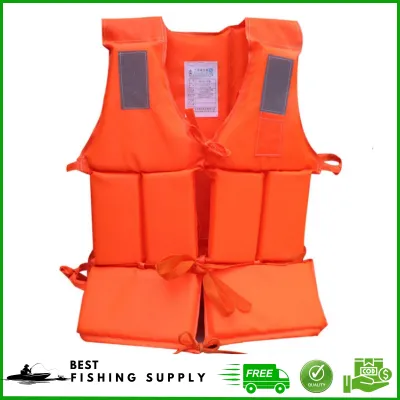
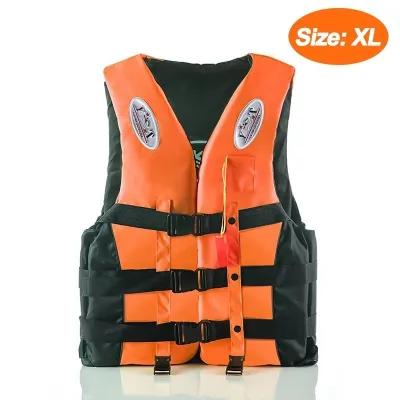
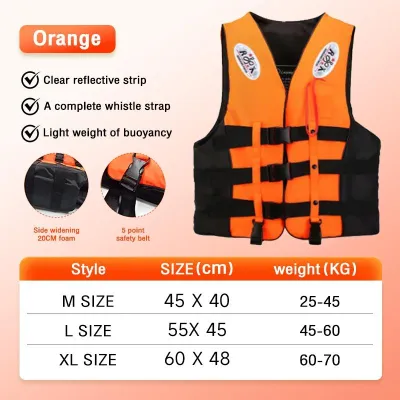
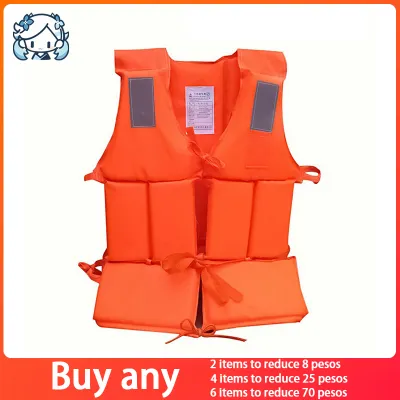
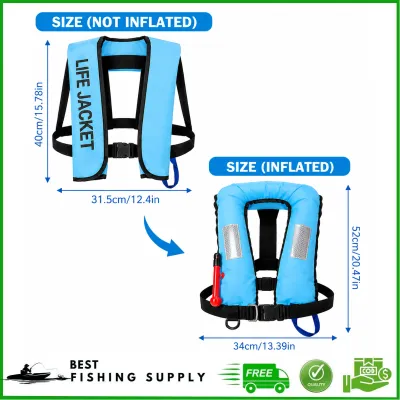
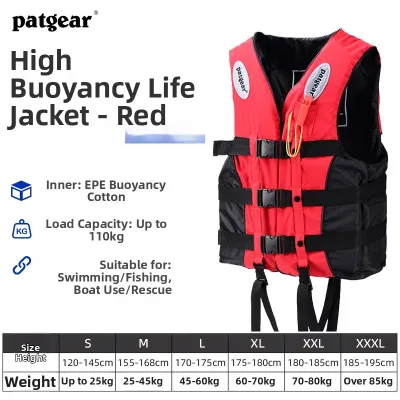
Prices are valid at publication and may change. Please refer to the product page for the latest price.
A true life jacket is engineered to keep an injured or unconscious person alive. These devices feature high inherent buoyancy, with the bulk of the flotation foam concentrated in the chest area and a supportive collar behind the head. If a wearer loses consciousness, the physics of a true life jacket automatically rotate the body in the water, turning the person face-up and keeping their mouth and nose clear of the surface. This self-righting capability is the defining characteristic of a life jacket.
In contrast, a buoyancy aid is designed strictly to assist a conscious, competent swimmer. It provides a moderate amount of upward force to help you stay afloat, but it does not have the physical structure to turn your body face-up. If you stop paddling or lose consciousness while wearing a buoyancy aid, you can easily roll face-down into the water. Therefore, a lifestyle design requires the user to actively swim, tread water, or maintain their own balance to keep their airway clear.
Most casual, stylish vests fall squarely into the buoyancy aid category. They are designed under the assumption that the wearer is an active participant in their own safety. If you experience a sudden medical emergency, severe muscle cramps, or exhaustion in deep water, a lifestyle design will not guarantee your survival. Recognizing this distinction is vital before you decide to swim in deep or open waters.
Essential Safety Standards and Certifications to Check
To ensure your lifestyle jacket for adult swimming is a legitimate safety tool rather than a cosmetic accessory, you must inspect the inner label. Legitimate manufacturers print detailed certification details directly onto the inside lining of the vest. If a product lacks these markings, it should be treated as a fashion novelty and kept out of deep water.

The United States Coast Guard (USCG) rating system is one of the most common certifications you will encounter. For recreational swimming, wakeboarding, or kayaking, look for a USCG Type III PFD approval. This certification indicates that the device has undergone rigorous testing for material strength, buckle durability, and minimum buoyancy. A Type III device is suitable for conscious users in calm, inland waters where rescue is likely to be rapid.
European and international markets rely on the ISO 12402 standard, which measures buoyancy in Newtons (N). A standard lifestyle buoyancy aid is typically certified under ISO 12402-5, which denotes a 50N rating. This level of flotation provides approximately 5.1 kilograms (11.5 pounds) of positive buoyancy. While 50N is sufficient to assist a conscious adult who knows how to swim, it is not designed for rough water. True life jackets start at 100N (ISO 12402-4) or 150N (ISO 12402-3), which provide the turning force required for offshore conditions.
Sizing and weight limits are equally critical verification items on the label. Buoyancy is directly tied to body mass and physical volume; a vest rated for a maximum of 60 kilograms will fail to keep a 90-kilogram adult safe in deep water. Always check that your exact weight and chest measurements fall within the ranges specified by the manufacturer. A jacket is only safe if it fits your physical specifications perfectly.
Be highly cautious when browsing online marketplaces. Many cheap, unbranded “swim vests” are marketed with lifestyle imagery but carry no genuine safety stamps. These items often use low-grade packaging foam that compresses permanently under water pressure, rendering them useless in an emergency. Investing in a certified vest from an authorized sports retailer—typically costing between ₱2,500 and ₱7,000—is a non-negotiable safety decision.
Safe Usage Boundaries for Adult Swimmers
Because lifestyle jackets are primarily buoyancy aids, they are only appropriate under specific, low-risk conditions. They are ideal for calm, shallow waters where rescue is immediate and the wearer is within swimming distance of safety. Examples include resort swimming lagoons, supervised pool areas, or flat-water lakes during paddleboarding or kayaking.
High-Risk Environments to Avoid:
- Open Ocean Waters: Never wear a lifestyle buoyancy aid in open ocean waters where waves can easily wash over your head.
- Strong Coastal Currents: Avoid areas with strong tidal currents or rip tides, which can quickly pull you away from safety.
- Rough, Choppy Seas: High winds and rough waters require a true, high-buoyancy life jacket.
- Deep-Water Boating: Boating far from shore requires offshore life jackets, not lifestyle vests.
If you are caught in a strong current off a beach in Boracay or Zambales, a 50N lifestyle vest will not provide enough flotation to combat the downward pull of moving water, especially as fatigue sets in. A flotation device is a tool, not a substitute for swimming capability. If you cannot swim confidently without assistance, you should not rely on a lifestyle jacket.
Always monitor your physical state and the surrounding environment. If you begin to feel fatigued, if the weather changes, or if the jacket starts to feel heavy, restrict your breathing, or shift out of place, you must exit the water immediately. Equipment cannot replace training, physical fitness, or sound judgment.
How to Verify Fit and Flotation Before Hitting the Water
Before packing your gear for a trip, perform a comprehensive dry-fit check. Put on the jacket, zip it up fully, and fasten all buckles. Adjust the side straps so the vest feels snug but comfortable. Try to pull the shoulder straps upward; if they slide up past your ears or chin, the jacket is too large or the straps are too loose.
The Crotch Strap:
- Purpose: Prevents the vest from riding up when you jump or fall into the water.
- Usage: While often omitted for fashion reasons, this strap is the most effective way to keep the vest secure. If your vest has one, always secure it properly.
- Adjustment: Ensure it is snug enough to hold the vest down without chafing or restricting movement.
Once at your destination, conduct a wet test in a controlled, waist-deep environment like a calm resort pool. Enter the water, relax your body, and bring your knees up to your chest. Your chin should remain comfortably above the surface without you needing to paddle your hands. If the jacket rides up to your nose or forces you to tilt your head back uncomfortably, it is not fitting you correctly.
Due to the high humidity and intense UV exposure in tropical climates like the Philippines, water sports gear degrades faster. Before every season, inspect the internal foam panels. If they feel brittle, lumpy, or permanently compressed, the foam has lost its cellular structure and will not float. Check all nylon webbing for fading or fraying, which indicates UV damage. Finally, wash the vest with fresh water after every use and dry it in the shade to prevent mold and mildew growth.
Frequently Asked Questions (FAQ)
Can a lifestyle jacket keep a non-swimmer afloat?
No, a standard lifestyle jacket is typically a 50N buoyancy aid and is not designed to keep a non-swimmer afloat. Non-swimmers often panic in deep water, which can cause them to slip out of a loose-fitting vest or struggle to keep their head upright. Because buoyancy aids do not automatically turn an unconscious or passive wearer face-up, they can be highly dangerous for anyone who cannot swim confidently. Non-swimmers should always wear a certified, high-buoyancy life jacket rated at 100N or higher, or a USCG Type I or II PFD, which features a supportive neck collar to keep the airway clear.
Are buoyancy aids allowed in public swimming pools?
It depends entirely on the facility’s specific safety and hygiene regulations. Many public pools, competitive swim lanes, and high-end resort pools in the Philippines restrict the use of external flotation devices, including lifestyle jackets and buoyancy aids. Lifeguards may prohibit them because they can obstruct the view of swimmers underwater or give non-swimmers a false sense of security in deep zones. Always consult the pool management or the on-duty lifeguard before entering a managed swimming facility with your personal vest.
Community discussion
Share your experience or ask a question. Comments are reviewed before publication.