
Choosing the right swimming floater depends entirely on your immediate water goals, whether you are teaching a toddler to splash safely, training for a local swim meet, or simply cooling off in a resort pool on a humid afternoon. There is no single flotation device that serves every purpose, and selecting the wrong one can hinder skill development or compromise safety. By matching your specific activity and skill level to the correct gear, you can ensure a productive, enjoyable, and secure time in the water.
Quick Diagnostic Guide to Swimming Floaters
To find the right starting point, you must align your water activity with the design purpose of each flotation tool.
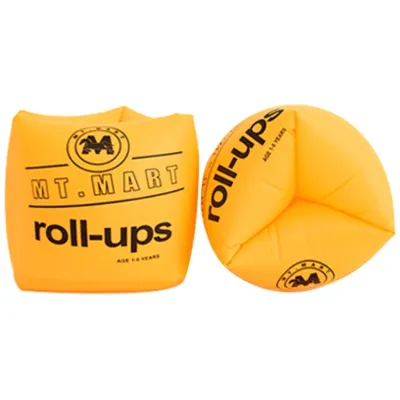
- Early Learners: Choose inflatable arm bands to help young children build initial water confidence and practice basic submersion.
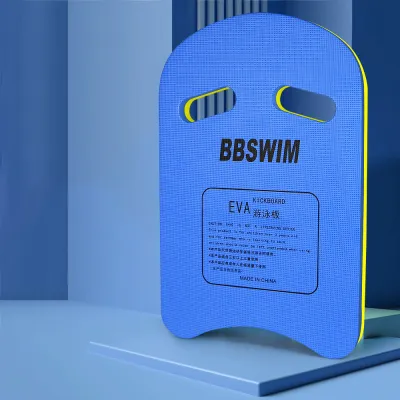
- Stroke Training: Opt for a rigid kickboard if you or your child need to isolate leg kicks, build lower-body strength, or refine stroke technique.
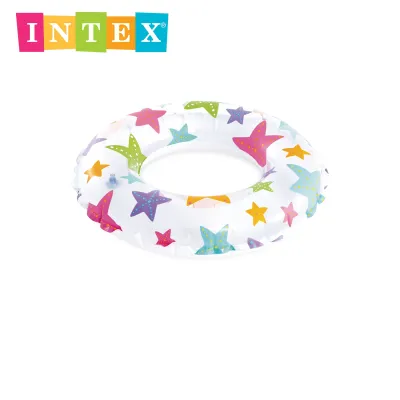
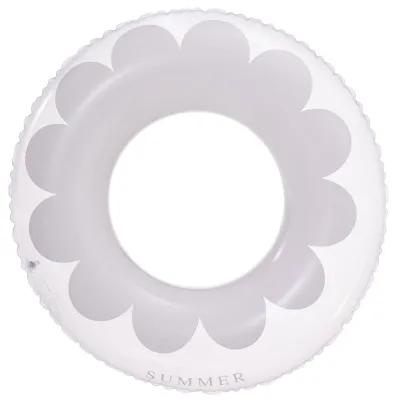
- Casual Recreation: Select a classic swim ring for relaxed lounging, light pool games, and supervised shallow-water play.
Remember that no single floater is universally safe, effective, or appropriate for all aquatic environments. A tool designed for a controlled pool lane will not protect a user in open water, and a recreational toy should never be used as a substitute for swimming lessons or active supervision.
Products mentioned in this guide

Prices are valid at publication and may change. Please refer to the product page for the latest price.
Arm Bands: Building Water Confidence for Early Learners
Inflatable arm bands, often called water wings, are designed specifically for toddlers and young children who are transitioning from complete physical dependence on an adult to basic water familiarity. These devices sit high on the upper arms, helping to keep a child’s head above the surface while they learn to kick and splash. They are excellent tools for helping young swimmers experience the sensation of buoyancy in a backyard pool or local resort.

Before slipping these bands onto your child’s arms, you must perform a series of physical checks. Inspect the seams for any signs of splitting, and test the inflation valves to ensure they seal tightly and push flush into the chamber. Slide the inflated bands onto the child’s biceps to verify a snug fit; they should be tight enough to stay securely in place without pinching the skin or restricting circulation.
Despite their popularity, arm bands have critical safety limitations that every parent must recognize. They are not life-saving devices and do not prevent drowning. Because they can easily slip off wet skin or deflate if punctured, they require constant, within-reach adult supervision at all times.
Knowing when to transition away from arm bands is key to developing independent swimming skills. Look for clear physical signals: when your child can comfortably blow bubbles in the water, submerge their face without panic, and perform a brief horizontal glide without assistance, they are ready to gradually reduce their reliance on these inflatable aids.
Kickboards: The Right Tool for Stroke Training and Leg Workouts
Kickboards are specialized training tools designed for older children, teenagers, and adults who want to isolate their leg workouts and refine their swimming strokes. By supporting the upper body, a kickboard allows you to focus entirely on your kicking technique, hip alignment, and lower-body endurance. This makes them a staple in swim training programs across the Philippines, where competitive swimming and fitness training are highly popular.
Selecting the right board depends on your specific training goals and physical size. Larger, highly buoyant boards are ideal for beginners who need maximum upper-body support to maintain a horizontal position in the water. Conversely, advanced swimmers often prefer smaller, streamlined boards that reduce drag and force the core muscles to engage more actively during kick drills.
A common and dangerous mistake is using a kickboard as a recreational toy or a primary life-saving device. Kickboards are made of dense foam that can easily slip out from under a swimmer’s grip, especially when wet. They should never be used as a resting platform in deep water or as a security blanket for non-swimmers who cannot support themselves.
To ensure your training gear remains safe and effective, inspect your kickboard regularly for wear and tear. Check for waterlogging, which increases the board’s weight and reduces its buoyancy. Look for surface tears, crumbling edges, or a loss of structural rigidity, all of which indicate that the foam is degrading and the board needs to be replaced.
Swim Rings: Casual Pool Lounging and Supervised Play
Swim rings are designed purely for recreation, offering older children and adults a comfortable way to lounge, play, and cool off during hot, tropical days. Whether you are floating lazily in a calm pool or participating in supervised pool games, these rings provide a relaxing way to enjoy the water without the physical exertion of active swimming.
However, users must understand the critical distinction between recreational swim rings and certified personal flotation devices (PFDs). Swim rings are classified as pool toys; they are not designed, tested, or certified to keep an unconscious or struggling swimmer’s head above water. They offer no guaranteed protection in an emergency and should never be treated as safety gear.
Because of their unstable design, swim rings have strict environmental limits. They must only be used in calm, controlled, and shallow pool environments. Never take a swim ring into open water, rivers, or beaches where strong currents, sudden waves, or wind can easily flip the ring, carry the user far from shore, or trap someone underneath the vinyl.
Before anyone climbs into a swim ring, conduct a quick pre-use safety check. Inspect the inner and outer seams for stress marks or tiny punctures, and ensure the ring holds air consistently under pressure. Finally, verify that the user can easily and quickly slip out of the ring in the event that it capsizes, preventing them from becoming trapped upside down in the water.
Safety Boundaries and Pre-Purchase Checks
When shopping for any swimming floater, whether at a local sporting goods store or through an online marketplace, safety must be your primary filter. Always read the packaging carefully to verify the manufacturer’s weight limits, age recommendations, and specific safety warnings. Never purchase a product that lacks clear, printed guidelines on its packaging or body.
Look for recognized safety standard labels on the packaging rather than relying on unverified marketing claims or bright, appealing designs. High-quality floaters will often reference international safety standards, indicating they have undergone physical testing for material strength and valve reliability.
Establish a strict stop-condition for your gear: immediately discard and replace any floater that exhibits persistent air leaks, brittle or sticky plastic, failing valves, or a strong, noxious chemical odor. These signs indicate poor material quality or advanced degradation, both of which can lead to sudden failure in the water.
Ultimately, no flotation device can replace active adult supervision, personal swimming ability, or formal swimming lessons. Floaters are temporary aids and recreational tools, but water safety always relies on human vigilance, proper training, and sound judgment.
Frequently Asked Questions (FAQ)
Can I use a swim ring instead of a life jacket for boating?
No, you must never use a swim ring as a substitute for a life jacket when boating, kayaking, or participating in any open-water activities. Swim rings are uncertified recreational toys that can easily deflate, slip away, or flip over in rough water. For any boating activity, you must wear a properly fitted, certified personal flotation device (PFD) designed to keep your head above water even if you are unconscious.
At what age should a child stop using arm bands?
There is no fixed chronological age at which a child must stop using arm bands, as the transition depends entirely on their individual water confidence, breath control, and basic swimming skills. You should consider transitioning away from arm bands when the child can comfortably submerge their face, blow bubbles, and glide short distances independently. For a safe and structured transition, consult a certified swim instructor who can assess your child’s readiness. Always adhere to the manufacturer’s weight and age limits printed on the packaging, and never exceed them.
Community discussion
Share your experience or ask a question. Comments are reviewed before publication.