
When learning to swim, recovering from an injury, or enjoying a tropical pool weekend, selecting the right arm floaters for adult swimmers can significantly improve your safety and confidence in the water. Flotation gear for adults must balance buoyancy with freedom of movement, ensuring you can move naturally without compromising stability. In the Philippines, where weekend trips to hot spring resorts in Laguna or beaches in Batangas are common, having reliable swimming gear is essential. However, the market offers a wide variety of styles, from simple inflatable bands to heavy-duty foam cuffs. Understanding the structural differences, weight capacities, and material properties of these options will help you make an informed decision that suits your skill level and body type.
Quick Guide: Matching Arm Floaters to Your Swimming Purpose
To find the ideal flotation aid, you must first define what you want to accomplish in the water. Adult arm floaters are not a one-size-fits-all solution, and using the wrong type can hinder your movement or fail to provide adequate support.
- Learning to Swim: Requires high-buoyancy, secure-fit options that build confidence and keep your head above water while you focus on basic kicking and arm strokes.
- Water Aerobics: Demands streamlined, low-profile designs that offer consistent water resistance without restricting your range of motion during high-energy workouts.
- Rehabilitation: Prioritizes skin-friendly, non-abrasive materials and adjustable buoyancy levels to support joint recovery under physical therapy protocols.
- Casual Pool Lounging: Focuses on maximum comfort, easy inflation, and soft textures for relaxed, stationary floating in backyard or resort pools.
By aligning your choice with these specific scenarios, you can narrow down the materials and designs that will serve you best.
Products mentioned in this guide
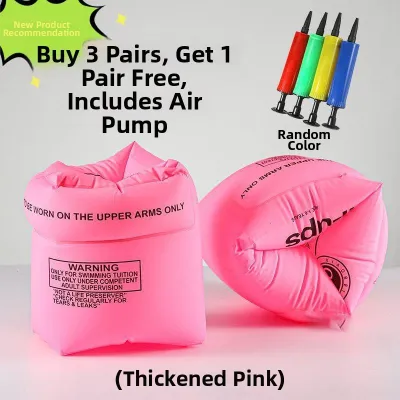
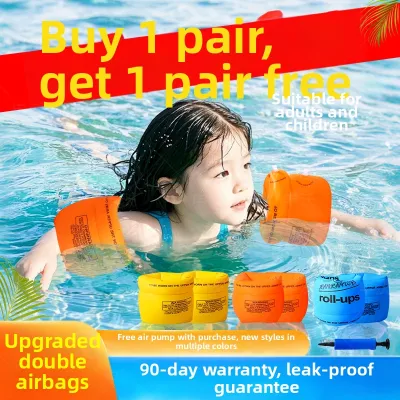
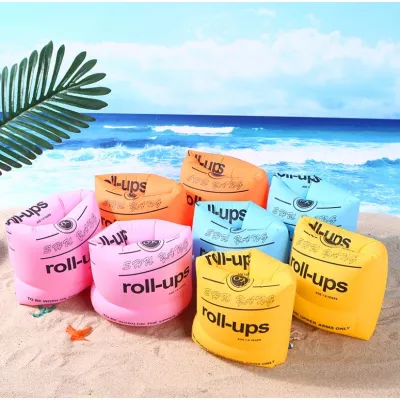
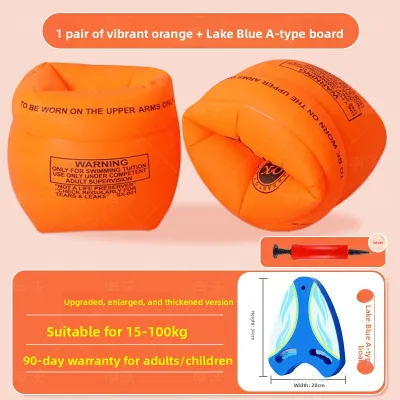
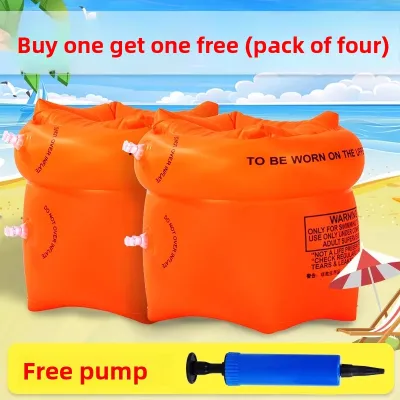
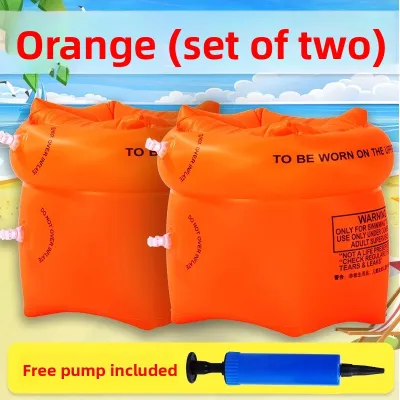
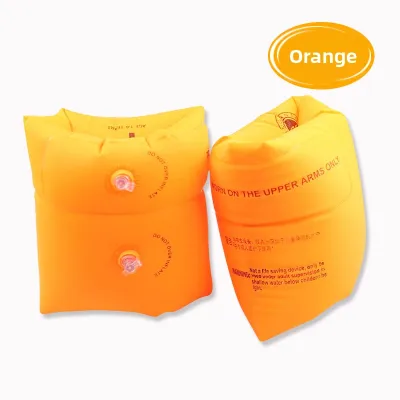
Prices are valid at publication and may change. Please refer to the product page for the latest price.
Core Selection Criteria for Arm Floaters for Adult Swimmers
Before purchasing any flotation equipment, it is important to evaluate the fundamental physical properties of the products available. These criteria determine how well the gear performs, how long it lasts in humid climates, and how safe it is during use.

Inflatable Armbands vs. Foam Cuffs
Inflatable armbands are the most common and recognizable flotation aids. Typically made from polyvinyl chloride (PVC) or heavy-duty vinyl, these bands are highly portable and easy to pack for beach trips, as they deflate into a flat, compact shape. However, they require careful inflation checks before every use and are susceptible to punctures from sharp pool edges, rough concrete, or storage wear. Price-wise, they are highly accessible, often ranging from ₱200 to ₱500 in local sporting goods stores.
Foam cuffs utilize closed-cell foam, such as EVA foam, to provide immediate, reliable buoyancy. Because they do not rely on air, they can never deflate or puncture, making them highly durable. The trade-off lies in their bulkiness; foam cuffs do not compress, meaning they require more storage space in your gear bag. They are highly favored for structured environments like fitness classes and physical therapy clinics where consistent performance is paramount, typically costing between ₱800 and ₱2,000.
Evaluating Buoyancy and Safety Labels
When shopping for arm floaters for adult swimmers, never rely solely on generic marketing terms or aesthetic designs. You must carefully read the manufacturer’s product tags and safety labels to verify the technical specifications.
Look for the stated weight capacity, which must comfortably accommodate your body weight. Additionally, check the recommended arm circumference limits to ensure the bands will slide on and stay secure without restricting blood circulation. Always verify the intended use warnings on the packaging; reputable brands will explicitly state whether the product is designed for active swimming, fitness training, or casual recreation. Remember that material names alone do not guarantee safety, and these aids should only be used within the boundaries specified by the manufacturer.
Arm Floaters for Adult Beginners
For adults who are learning to swim, building confidence in the water is the first and most crucial step. Beginners require flotation aids that offer high, stable buoyancy to keep their upper body aligned while they practice fundamental skills like breathing and kicking.
When selecting arm floaters for adult learners, prioritize a secure, non-slip fit. As you move your arms through the water, loose floaters can slide down toward your wrists, disrupting your balance and causing sudden panic. To prevent this, look for models featuring adjustable nylon straps, dual air chambers for redundant safety, or textured inner linings that gently grip the skin without sliding.
Comfort is equally important, as chafing can quickly ruin a practice session. Seamless inner edges or fabric-covered sleeves help protect the sensitive skin of your underarms from friction. Additionally, choose high-visibility colors such as bright orange, yellow, or neon green. These bright hues make it easier for lifeguards, instructors, or companions to spot you in busy public pools or crowded resort areas.
Always keep in mind the primary safety boundary: arm floaters for beginners are training aids designed to assist with body positioning, not life-saving devices. They do not replace proper instruction or supervision, and you should only practice in shallow, supervised areas where you can easily stand up if needed.
Floatation Aids for Water Aerobics and Fitness
Water aerobics and aquatic fitness classes demand a completely different set of features from flotation gear. Instead of simply keeping you afloat, fitness floaters are designed to provide structured support or add targeted resistance to your upper-body workouts.
Because fitness routines involve dynamic movements like water jogging, arm curls, and lateral raises, bulky or poorly shaped floaters will hinder your performance. For these activities, streamlined designs and contoured foam cuffs are highly recommended. These cuffs fit snugly around the biceps or wrists, allowing for an unrestricted range of motion while maintaining a low profile in the water.
Material durability is another critical factor for fitness enthusiasts. Frequent exposure to chlorinated pool water, sweat, and UV rays can rapidly degrade low-quality plastics and foams. Look for products specifically rated for high chlorine resistance, which helps prevent the material from becoming brittle, sticky, or discolored over time. Always consult the manufacturer’s care instructions to verify how well the product withstands chemical exposure, ensuring your investment lasts through many workout sessions.
Arm Floaters for Rehabilitation and Water Therapy
Water therapy and rehabilitation sessions provide a low-impact environment for individuals recovering from injuries, managing chronic joint pain, or rebuilding muscle strength. In these specialized scenarios, the requirements for flotation gear are highly precise.
Comfort and skin protection are the top priorities during therapeutic exercises. Because therapy sessions often involve prolonged water immersion and repetitive, gentle movements, even minor friction can cause painful skin irritation. Look for arm floaters made from soft, non-abrasive materials, such as neoprene-covered foam, which feature smooth or seamless edges to protect sensitive skin.
Additionally, search for products that offer adjustable or modular buoyancy. Some advanced therapy cuffs allow you to add or remove foam inserts or adjust air levels gradually. This feature is highly beneficial, as it allows you to reduce the level of floatation support systematically as your natural strength, balance, and mobility improve over time.
Before introducing any flotation aids into your recovery routine, you must consult your physical therapist or healthcare provider. Verify that the specific product, its buoyancy level, and your planned exercises align perfectly with your medical rehabilitation protocol to avoid strain or reinjury.
Arm Floaters for Casual Pool Lounging
If your primary goal is relaxation, light recreation, or social floating, your selection criteria can lean toward convenience and long-term comfort. Casual pool lounging does not require high-performance hydrodynamic designs or heavy resistance.
For casual use, ease of setup is key. Look for inflatable armbands equipped with quick-inflate valves that allow you to blow them up in seconds, or simple slip-on foam rings that require no inflation at all. Since you will likely be wearing them while floating passively, prioritize a soft, fabric-lined exterior that feels comfortable against the skin for extended periods, even when dry.
While casual floaters are excellent for relaxation, keep in mind their cross-scenario limitations. A comfortable lounging band may not provide the secure grip needed for beginner swim strokes, nor will it offer the streamlined shape required for water aerobics. Avoid using casual lounging aids for rigorous fitness training or as primary learning tools, as they are not built to withstand the mechanical stresses of active swimming.
Safety, Fit, and Maintenance Checklist
To ensure your flotation gear remains safe, functional, and hygienic throughout its lifespan, you should establish a consistent routine for inspection, fit testing, and care. This is especially important in hot, humid climates where mold and material degradation can occur rapidly.
Pre-Use Inspection Before entering the water, perform a thorough visual and physical check of your gear. For inflatable bands, inspect the seams for tiny tears, test the air valves to ensure they seal tightly, and check for slow leaks by submerging the inflated band in water to look for bubbles. For foam cuffs, inspect the material for deep cracks, chunks missing, or waterlogging, which can significantly reduce buoyancy.
Proper Fit Verification Test the fit of your arm floaters on dry land before swimming. Slide them onto your upper arms and gently pull on them; they should feel snug and remain in place without sliding down your arm when you move. At the same time, ensure they do not pinch your skin or restrict your blood circulation. If your fingers feel cold, numb, or tingly, the floaters are too tight and must be adjusted or resized.
Cleaning and Storage After every swim, rinse your arm floaters thoroughly with clean, fresh water to remove chlorine, salt, sand, or sunscreen residues. Allow them to air-dry completely in a shaded, well-ventilated area before storing them. Never leave them in direct tropical sunlight, as UV rays can weaken vinyl and degrade foam. Store your dry gear in a cool, dark place away from sharp objects.
If you observe any structural failures, persistent leaks, brittle plastic, or crumbling foam during your inspections, stop using the product immediately. Replacing worn-out gear is essential to maintaining your safety in the water.
Frequently Asked Questions (FAQ)
Can I use adult arm floaters instead of a life jacket in open water?
No, you must never use arm floaters as a substitute for a certified life jacket in open water. Arm floaters are classified as recreational swim aids or training tools; they do not possess the safety certifications, high buoyancy ratings, or self-righting capabilities of a life jacket. They cannot keep an unconscious person’s head above water and can easily slip off in rough waves or strong currents. For boating, open-water swimming, or any deep-water activities, always wear a properly fitted, coast-guard-approved life jacket.
How do I know if my inflatable armbands are safe to use?
To verify the safety of your inflatable armbands, start by checking the manufacturer’s label for weight limits and age or usage warnings. Next, perform a simple inflation test: fully inflate the bands, close the valves securely, and leave them on dry land for a few hours. If they lose air or feel noticeably softer, they have a slow leak and should be discarded. Always inspect the seams and valve stems for visible splits or wear before every swim.
Community discussion
Share your experience or ask a question. Comments are reviewed before publication.