
Water wings, arm bands, or arm floaters are a common sight at resort pools and beaches across the Philippines. These bright, inflatable plastic bands slide onto a child’s upper arms to keep their head above water. While they are incredibly popular for family outings, parents must understand their true purpose and limitations before packing them for a weekend trip.
The direct answer is that arm floaters are not inherently safe as standalone safety devices. They are classified as recreational swim aids, not certified personal flotation devices (PFDs) or life-saving equipment. They are designed solely to help children build basic water familiarity in highly controlled, shallow environments under constant adult supervision.
Using these floaters requires a non-negotiable safety standard known as “touch supervision.” This means an adult must remain within arm’s reach of the child at all times, ready to intervene instantly. Relying on inflatable bands to keep a child safe without active supervision is a dangerous mistake that can lead to silent, rapid drowning incidents.
Products mentioned in this guide

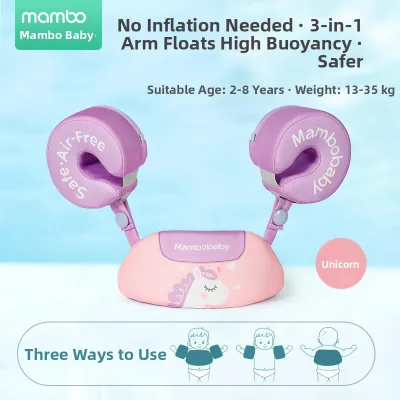
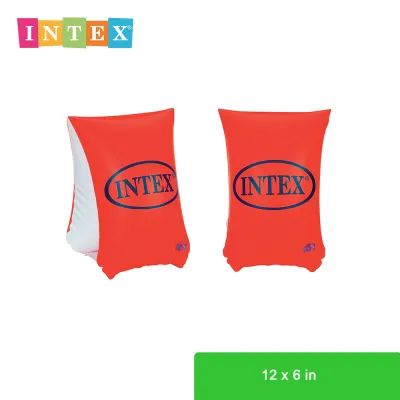
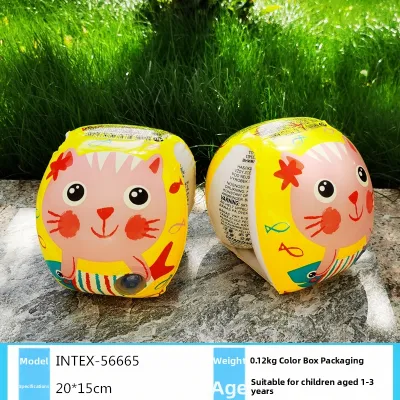
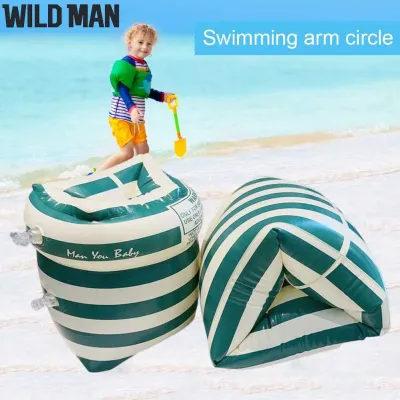
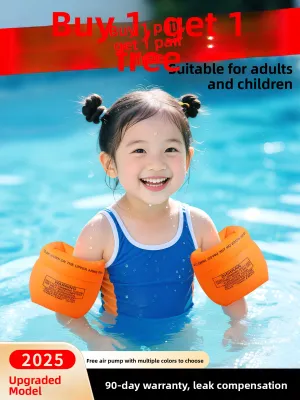
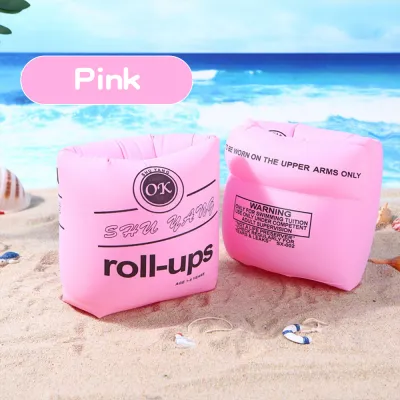
Prices are valid at publication and may change. Please refer to the product page for the latest price.
While arm floaters can help a child feel more comfortable in the water, they also carry physical and behavioral risks. Understanding these limitations is the first step toward keeping your child safe during water play.
Hidden Risks: Why Arm Floaters Are Not Foolproof
Equipment Failure and Fit Issues
Inflatable arm bands rely entirely on trapped air to provide buoyancy, making them highly vulnerable to sudden failure. A single puncture from a sharp pool edge, a rough concrete deck, or a toy can cause rapid deflation. Seam tears can also occur along the heat-sealed edges of the plastic, especially when exposed to intense tropical heat and sunlight.
The warm, humid climate of the Philippines can accelerate the degradation of PVC plastics used in cheap swim gear. When stored in hot utility rooms or left in the trunk of a car, the material can become brittle or sticky, leading to micro-leaks that are difficult to detect. A slow leak might go unnoticed until the child is already in deep water, causing a sudden loss of buoyancy.
Proper fit is another major challenge with arm floaters. If the bands are inflated too little or if the child’s arms are wet and soapy from sunscreen, the floaters can easily slip off when the child jumps into the water. Conversely, over-inflating the bands to prevent them from slipping can restrict blood circulation and cause painful chafing on delicate skin.
Many low-cost arm floaters sold on online marketplaces lack essential safety features. High-quality designs typically feature dual air chambers, meaning if one chamber punctures, the other remains inflated. Cheap alternatives often use a single chamber and weak, non-return valves that can pop open easily if bumped during active play.
False Security and Restricted Movement
The psychological impact of arm floaters is often more dangerous than their physical limitations. Parents frequently experience a false sense of security when they see their child floating effortlessly. This illusion of safety can lead to distractions, such as checking a smartphone, reading, or turning away to chat with friends, assuming the child is perfectly secure.
Children also develop a false sense of security, becoming overconfident in their swimming abilities. A child who is used to floating effortlessly with arm bands may not understand that they will sink without them. This can lead to dangerous situations where a child jumps into a pool without wearing their floaters, unaware of their actual physical limitations.
From a developmental perspective, arm floaters force a child’s body into an unnatural, vertical position in the water. This upright posture is often referred to as the “drowning position” because it is the exact opposite of the horizontal body alignment required for actual swimming. Relying on floaters trains the child’s muscle memory to fight against the natural horizontal plane of swimming.
Furthermore, bulky arm bands restrict the natural movement of the shoulders and arms. This limitation prevents children from practicing proper arm recovery and pulling motions. Instead of learning to paddle efficiently, children are forced to use short, dog-paddle strokes, which leads to rapid fatigue and delays the development of genuine water competence.
Essential Safety Precautions Before and During Water Play
Pre-Water Inspection and Proper Fitting
Before letting your child enter the water, you must conduct a thorough pre-use inspection of their arm floaters. Always check the manufacturer’s label for the specific weight and age limits. Never use floaters that are rated for a different weight range, as too much buoyancy can force a small child’s arms up while their head dips under, and too little buoyancy will fail to keep them afloat.

To inspect the gear, inflate both chambers fully and submerge the bands in a basin of water or the pool itself. Squeeze them gently and look for any rising air bubbles, which indicate a puncture or a leaking seam. Check the inflation valves to ensure they close tightly and can be pushed flat into the chamber so they do not catch on clothing or pool edges.
When fitting the floaters, slide them onto the child’s upper arms before entering the water. The bands should sit high on the arm, close to the shoulder. They must be snug enough that they do not slide down when you pull on them gently, yet loose enough to allow the child to bend their elbows and maintain proper blood circulation.
In the Philippines, look for products that carry recognized safety markings or compliance certifications. High-quality recreational swim gear often features markings indicating compliance with international safety standards (such as EN 13138 or ASTM F963). Avoid generic, unbranded plastic floaters that do not list weight limits, manufacturer details, or safety warnings on the packaging.
Active Supervision and Environment Rules
No flotation device can ever replace active, undistracted adult supervision. Touch supervision is the gold standard for water safety: an adult must be in the water, within arm’s reach of the child, at all times. This means your eyes must remain on the child, and you must be close enough to grab them instantly if a floater slips off or deflates.
Limit the use of arm floaters to highly controlled, calm, and shallow environments. Shallow backyard pools, dedicated kiddie pools at resorts, and calm, shallow beach areas with no waves or currents are the only appropriate venues. The water level should ideally be shallow enough for the child to stand comfortably if they choose to.
Never allow a child to wear arm floaters in open water, fast-flowing rivers, lakes, deep pools, or during any boating activities. Currents, waves, and wind can easily sweep a child away, and arm floaters do not provide the self-righting buoyancy needed to keep a child’s face out of choppy water.
Additionally, avoid crowded public pools where active water play is occurring. In a crowded environment, a child wearing arm floaters can easily be bumped, flipped upside down, or pushed underwater by older swimmers. In the chaos of a busy pool, a child struggling silently after losing a floater can easily go unnoticed.
When to Retire Arm Floaters and Transition to Swimming
Recognizing when to retire arm floaters is crucial for your child’s physical safety and swimming development. The most obvious physical sign is when the child approaches or exceeds the maximum weight limit printed on the product label. If the bands leave red, indented marks on your child’s skin or restrict their arm movement significantly, they have outgrown them.
Behavioral cues are equally important indicators that it is time to move on. If your child exhibits extreme overconfidence, attempts to jump into deep water without supervision, or refuses to try kicking or paddling because they prefer to float passively, the gear has become a developmental crutch. This passive reliance prevents them from learning how to control their own buoyancy.
To transition away from arm floaters, gradually reduce their use during pool sessions. Start by spending a portion of your swim time holding your child in your arms without any flotation devices, allowing them to feel the natural buoyancy of their own body. Encourage them to practice blowing bubbles, wetting their face, and kicking while holding onto the pool edge.
Enrolling your child in professional swim lessons is the safest and most effective way to build genuine water competence. Certified swim instructors teach essential survival skills, including breath control, horizontal floating on the back and stomach, and basic survival strokes. The ultimate goal of water play is to foster self-reliance and safety skills that do not depend on inflatable plastic gear.
Better Alternatives for Different Water Activities
For Boating and Open Water
When participating in boating, jet skiing, or visiting open coastal waters, arm floaters are strictly prohibited. Instead, children must wear a certified life jacket or Personal Flotation Device (PFD). Look for life jackets that are approved by maritime safety authorities, featuring a collar that supports the child’s head to keep their face out of the water, a secure crotch strap to prevent the vest from riding up, and highly visible colors.
For Toddlers Learning Water Familiarity
For young children playing in shallow pools, a swim vest or a hybrid flotation device (often called a puddle jumper) is a more stable option than arm bands. These devices combine arm floaters with a chest panel that buckles securely around the child’s torso. This design prevents the device from slipping off and helps keep the child’s chin above water more reliably, though active supervision remains mandatory.
For Active Swim Practice
If your child is actively learning to swim, use targeted training aids under the direct supervision of an instructor. Kickboards are excellent for isolating leg movements and building lower-body strength. Pull buoys can be placed between the legs to keep the lower body afloat while the child focuses on practicing proper arm strokes, helping them understand horizontal body positioning without creating a false sense of safety.
For General Pool Play
For recreational play in shallow water, non-wearable pool toys like pool noodles are a safer choice than strapped-on floaters. Because pool noodles are not attached to the body, children must actively hold onto them to stay afloat. This prevents the child from developing a false sense of security, reduces the risk of entrapment, and encourages them to practice active kicking and balancing in the water.
Frequently Asked Questions (FAQ)
Can arm floaters replace a life jacket on a boat?
No, arm floaters can never replace a certified life jacket on a boat or in open water. Arm floaters are classified as toys and lack the structural integrity, secure straps, and self-righting buoyancy required to save a life. A life jacket is designed to keep an unconscious or exhausted child face-up in rough water, whereas arm floaters can easily slip off or deflate.
At what age can a child start using arm floaters?
Age is less important than a child’s weight, physical size, and developmental stage. You must strictly follow the manufacturer’s weight guidelines, which typically start around two to three years of age. Arm floaters are highly dangerous for infants or toddlers who lack the neck strength to hold their heads upright independently, as the floaters can easily cause them to tip forward into the water.
Do arm floaters help children learn to swim faster?
No, arm floaters actually delay the process of learning to swim. They force the child into a vertical position, which is the opposite of the horizontal posture needed for efficient swimming. They also restrict arm movement, preventing the child from learning proper stroke mechanics. To help your child learn to swim faster, prioritize formal swim lessons over inflatable recreational aids.
Community discussion
Share your experience or ask a question. Comments are reviewed before publication.