
Understanding how to read the specifications of your ASAFEE DA16 diving flashlight is a critical step in planning safe and enjoyable underwater excursions. While manufacturers provide baseline numbers for brightness, depth limits, and battery runtimes, these figures must be translated into real-world diving conditions to be truly useful.
In water sports like scuba diving and snorkeling, your equipment is a secondary support tool that can never replace certified training, sound judgment, and strict adherence to safety protocols. Before relying on any dive light, you must verify its specific performance ratings on the official packaging or manufacturer manual, as specifications can vary across production batches. Matching these verified capabilities to your specific dive profile—whether exploring shallow coral reefs or navigating deeper environments—is essential for mitigating risks underwater.
Brightness and Beam Distance: Illuminating the Water Column
Water absorbs and scatters light far more aggressively than air, meaning a flashlight’s rated lumens will appear significantly dimmer at depth. As you descend, water acts as a natural filter, stripping away warm colors like reds and oranges first. A dive light helps restore these lost colors, but its effectiveness depends heavily on water clarity. In particulate-heavy or turbid waters, a light with excessively high lumens can cause backscatter, reflecting light directly back into your eyes and reducing overall visibility.
Products mentioned in this guide
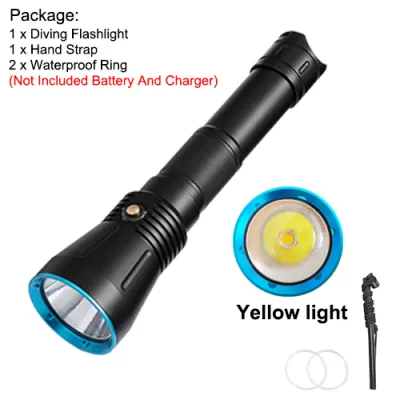
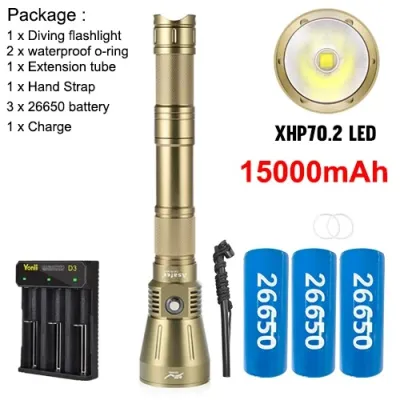
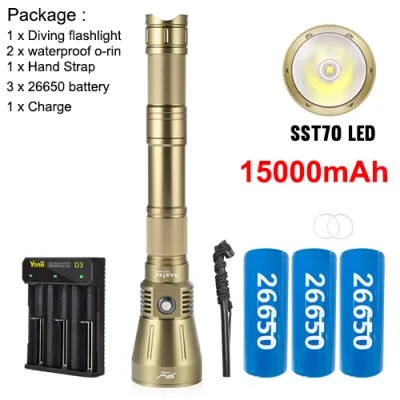
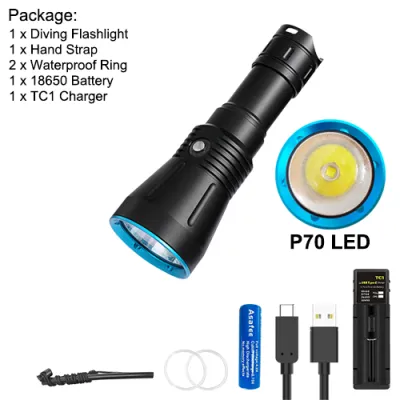
Prices are valid at publication and may change. Please refer to the product page for the latest price.
The beam angle of your light determines how that brightness is distributed through the water column. A narrow, focused spot beam is highly effective for cutting through murky water, peering into deep crevices, and signaling your dive buddy. Conversely, a wide flood beam distributes light evenly across a larger area, making it the preferred choice for close-up reef observation and underwater photography where harsh shadows must be avoided.
To determine if the ASAFEE DA16 aligns with your diving style, locate the lumen output and beam angle specifications on your product label. If you primarily dive in clear, shallow tropical waters, a moderate lumen output with a balanced beam angle will provide ample illumination without overwhelming the marine life.
Keep in mind the physical trade-off between brightness and heat generation. High-lumen outputs generate substantial heat that must be dissipated. While ocean water acts as an excellent natural heat sink to keep the aluminum housing cool, running the flashlight at maximum power on land can cause rapid overheating and damage the internal LED driver.
Depth Rating and Build Quality: Handling Water Pressure
A flashlight’s depth rating represents the maximum static pressure the housing can withstand under controlled laboratory conditions, with each 10 meters of depth adding approximately one atmosphere of pressure. It is vital to understand that a depth rating is not an absolute guarantee against dynamic forces. Sudden impacts, dropping the light onto a boat deck, or rapid depth changes can create pressure spikes that exceed the static rating.

The waterproof integrity of a dive light relies on robust construction features, including precision-machined threads, corrosion-resistant aluminum, and high-quality O-ring seals. Double O-ring configurations provide an essential layer of redundancy, ensuring that if the outer seal fails, the inner seal prevents water from reaching the electronics. Additionally, physical switch locks or mechanical twist mechanisms are crucial to prevent the light from turning on accidentally during transport, which can drain the battery or cause heat damage inside your gear bag.
Always check the official depth rating printed on your specific ASAFEE DA16 unit or its instruction manual to ensure it comfortably exceeds your planned maximum dive depth. For standard recreational diving, which typically caps at 30 meters, a light rated to a deeper limit offers a reassuring safety margin.
However, even the highest depth rating is rendered useless without proper maintenance. A single trapped hair, grain of sand, or dry spot on an O-ring can compromise the seal and cause a catastrophic flood under pressure. Failing to clean, inspect, and lubricate these seals regularly will void the waterproof integrity of the device.
Battery Life and Power Modes: Managing Your Light Source
Battery life specifications are typically measured under optimal, low-power conditions, meaning the actual runtime you experience underwater will vary. When operating a dive light on its highest brightness setting, the battery will drain significantly faster than the maximum advertised runtime listed on the box.
Multiple power modes are highly valuable for managing your energy budget during a dive. Utilizing a lower power mode when ambient light is sufficient allows you to conserve battery capacity for moments when you need maximum illumination, such as exploring deep overhangs or signaling in low-visibility conditions.
Verify the battery requirements for your ASAFEE DA16, noting whether it utilizes rechargeable lithium-ion cells or standard alkaline batteries, and check the expected runtime on your chosen power setting. Understanding these parameters allows you to plan your dive duration safely, ensuring you are never left in the dark.
As a fundamental safety rule for water sports, equipment redundancy is critical. Never rely on a single primary light as your sole illumination source during night dives, deep dives, or any dive where ambient light is limited. Always carry a fully functioning, independent backup light to ensure a safe ascent if your primary light fails.
How to Verify and Maintain Your ASAFEE DA16 Specifications
To ensure your flashlight performs safely to its rated specifications, start by locating the official user manual or specification sticker to confirm the exact lumens, depth rating, and battery details for your specific unit.
Before every dive, perform a rigorous pre-dive check. Remove the O-rings using a blunt tool to avoid scratching the grooves, wipe them clean of any debris, inspect them for cracks, and apply a thin layer of high-quality silicone grease before reassembling. Ensure the battery cap is tightened securely to the manufacturer’s specifications to maintain a watertight seal.
After every dive, rinse the flashlight thoroughly in clean, fresh water to dissolve salt crystals and remove sand or organic matter. Submerge the light in a freshwater rinse tank and operate the switch several times to flush out trapped salt water, then dry the exterior completely before opening the battery compartment.
If you notice any signs of internal condensation, moisture behind the lens, or if the light fails a shallow-water test, stop using the device immediately. Do not attempt to use a compromised flashlight on a dive, and consult the manufacturer or a qualified technician for professional service.
Frequently Asked Questions (FAQ)
Is the ASAFEE DA16 suitable for technical or cave diving?
Technical, wreck penetration, and cave diving demand specialized primary lighting systems with highly extended burn times, heavy-duty depth ratings, and robust redundancy protocols. Verify your ASAFEE DA16’s official specifications against the strict equipment requirements of your technical training agency. Standard recreational lights generally lack the canister power supplies or extreme reliability ratings required for decompression or overhead environments, and should not replace certified technical gear.
Community discussion
Share your experience or ask a question. Comments are reviewed before publication.