
Night diving in the Philippines offers some of the most spectacular marine spectacles in the world, from observing the nocturnal hunting habits of moray eels in Anilao to witnessing the surreal glow of bioluminescent plankton in Bohol. However, descending into the ocean after sunset introduces unique safety challenges that require specialized equipment, proper training, and sound underwater judgment. A reliable dive light is your primary lifeline during a night dive, serving as your only source of navigation, communication, and color restoration. The Asafee DA16Max diving flashlight is designed specifically for these demanding underwater environments, but to rely on it safely, you must understand what its technical specifications mean in practice. Reading a specification sheet is not simply about finding the highest numbers; it is about matching the tool to your specific dive profile, skill level, and environmental conditions. Knowing how to interpret specs like lumens, beam angles, depth ratings, and battery runtimes is essential for planning a safe and enjoyable dive.
Why Specifications Matter for Night Diving
Navigating the ocean at night requires a profound trust in your equipment. Unlike daytime diving, where ambient sunlight provides a baseline of visibility, a night dive plunges you into absolute darkness where your field of view is entirely dictated by the artificial light you carry. This light is crucial for monitoring your depth gauge and pressure gauge, keeping track of your dive buddy, and avoiding hazardous marine life or sharp coral formations.
The Asafee DA16Max serves as a dedicated tool to illuminate these dark environments, but its effectiveness depends entirely on how well its specifications align with your dive plan. For instance, a shallow reef dive in clear water demands different lighting characteristics than a deep wreck penetration or a dive in high-turbidity conditions. Equipment cannot replace proper night diver training, and understanding these specifications is the first step in exercising sound diving judgment before entering the water.
Products mentioned in this guide
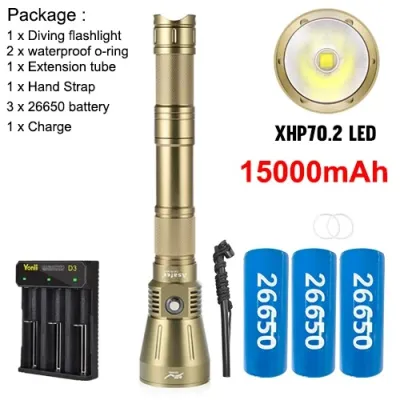
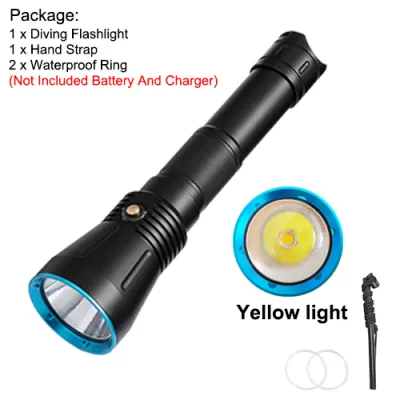
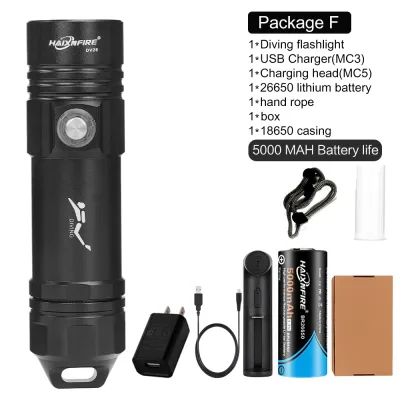
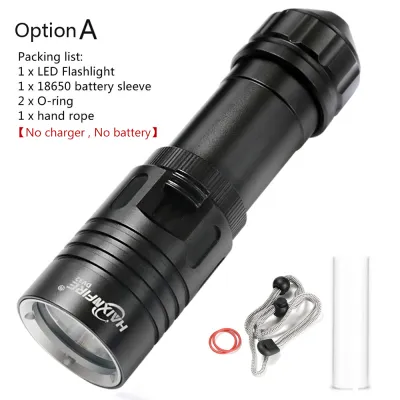
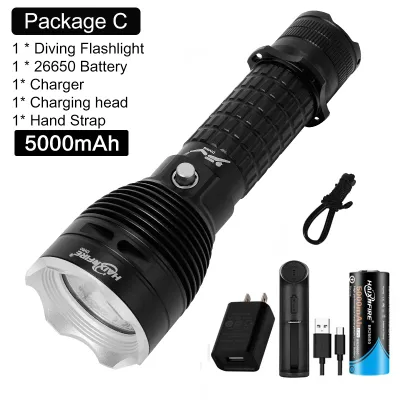
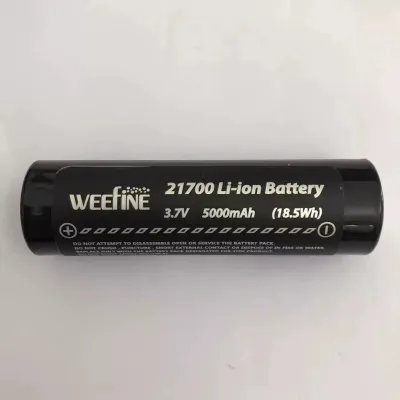
Prices are valid at publication and may change. Please refer to the product page for the latest price.
Lumens and Beam Angle: Seeing Clearly Underwater
When evaluating the Asafee DA16Max, the lumen rating and beam angle are the two most critical factors governing your underwater visibility. Lumens measure the total amount of visible light emitted by a source. However, divers must distinguish between peak lumens—the maximum brightness achieved immediately after turning the light on—and sustained lumens, which represent the stable light output over the course of a dive.

Water absorbs and scatters light far more aggressively than air. A high-lumen output is necessary to cut through water’s natural light absorption and restore the vivid, natural colors of the reef. However, a high lumen count on land does not translate directly to underwater performance; you must check the official Asafee DA16Max manual to verify its sustained output and runtimes on different power levels.
The beam angle determines how that light is distributed. Dive lights generally fall into two categories: narrow spot beams and wide flood beams.
- Narrow Spot Beams (typically 5 to 12 degrees): These concentrate light into a tight, intense column. A narrow beam is highly effective at penetrating murky or particulate-heavy water, making it the preferred choice for primary navigation, searching deep crevices, and signaling your dive buddy.
- Wide Flood Beams (typically 60 to 120 degrees): These distribute light evenly across a broad area. While excellent for underwater photography and videography to prevent harsh shadows, a wide beam can cause significant backscatter in low-visibility conditions, where the light reflects off suspended particles directly back into your eyes, much like high beams in a thick fog.
Understanding where the DA16Max falls on this spectrum allows you to determine its best use case. If its specifications indicate a tight spot beam, it will serve excellently as a primary navigation light. If it leans toward a wider flood, it is better suited as a secondary video light or for close-up marine life observation.
Depth Rating and Build: Withstanding the Pressure
Hydrostatic pressure increases rapidly with depth. To withstand this crushing force, a diving flashlight must feature robust engineering. The depth rating of the Asafee DA16Max indicates the maximum pressure the housing is certified to withstand under static laboratory conditions. However, divers must treat this rating as a maximum limit rather than a casual operating depth.
Always ensure the light’s rated depth comfortably exceeds your planned maximum dive depth, leaving a conservative safety margin. For recreational diving limits (typically 30 to 40 meters), a light rated to 100 meters provides an excellent safety buffer.
The physical build of the flashlight determines its long-term durability in harsh marine environments. High-quality diving lights are typically constructed from aircraft-grade aluminum alloy with a hard-anodized finish to resist saltwater corrosion and mechanical impacts.
- Double O-Ring Seals: Look for housings that utilize double O-rings at the connection joints. This redundancy is critical; if the primary O-ring fails or becomes misaligned, the secondary O-ring acts as a barrier to prevent water from flooding the battery compartment.
- Structural Checks: A high depth rating is only valid if the housing is in pristine condition. Before every dive, inspect the body for deep scratches, dents, or hairline cracks in the lens. A compromised thread or a microscopic crack in the glass can fail catastrophically under pressure, leading to an immediate flood and permanent damage to the electronics.
Battery Life and Heat Management: Staying Illuminated
Understanding battery specifications and thermal regulation is a core safety requirement to prevent sudden underwater blackouts. Flashlight manufacturers often advertise maximum runtimes that reflect the light’s lowest power setting. For night diving, where you require consistent, high-intensity illumination, these maximum figures can be highly misleading.
You must consult the official discharge curves in the Asafee DA16Max manual to calculate the expected runtime on the specific high or medium modes you plan to use. If your typical dive lasts 60 minutes, your light should have a verified runtime of at least 90 minutes on your chosen setting to account for safety stops, navigation errors, or emergency situations. When sourcing replacement batteries or spares in the Philippines, expect to spend around ₱500 to ₱1,500 for high-quality, certified lithium-ion cells at reputable local dive shops, as sub-standard batteries can compromise both runtime and safety.
Thermal regulation is another critical aspect of high-powered LED dive lights. LEDs generate substantial heat, and diving flashlights are engineered to use the surrounding water as a natural heat sink.
- Out-of-Water Overheating: Operating a high-lumen light on high mode out of the water—such as during a pre-dive equipment check on a warm, humid boat deck—can cause rapid heat buildup.
- Thermal Step-Down: To protect the internal circuitry from thermal damage, quality dive lights feature an automatic thermal step-down. This system automatically reduces the lumen output if the internal temperature exceeds a safe threshold. Divers must understand this feature; if your light suddenly dims slightly while you are preparing to giant-stride off the boat, it is likely the thermal protection activating, not a battery failure. Once submerged in cool water, the light will safely dissipate heat and maintain its performance.
Pre-Dive Checks and Post-Dive Maintenance
To ensure your diving flashlight performs exactly as its specifications promise, you must establish a rigorous maintenance routine. Saltwater, sand, and humidity are constant threats to underwater electronics, making systematic care non-negotiable.
Pre-Dive Inspection:
- O-Ring Inspection: Open the light in a clean, dry, wind-free environment. Remove the O-rings and inspect them closely for hair, sand, lint, or signs of cracking and dry rot.
- Lubrication: Apply a very thin, even coat of manufacturer-recommended silicone grease to the O-rings if specified in the Asafee manual. The grease keeps the rubber supple and helps it seat correctly, but excess grease will attract sand and debris, which can cause a leak.
- Function Test: Assemble the light, ensure the battery is fully charged, and turn it on briefly to verify that all modes function correctly. Turn it off immediately to prevent overheating on land.
Post-Dive Care:
- Freshwater Rinse: After every dive, soak the fully sealed flashlight in clean, fresh water for 15 to 30 minutes. Operate the switches while submerged to flush out any trapped salt crystals or sand.
- Drying and Storage: Dry the exterior completely with a soft towel before opening the housing. Remove the batteries to prevent corrosion from potential off-gassing or accidental activation during transport. Store the light in a cool, dry place out of direct sunlight, following all specific care instructions in the official product manual.
Frequently Asked Questions (FAQ)
Is a backup light necessary when night diving with the DA16Max?
Yes, carrying a backup light is a non-negotiable safety protocol for all night dives, regardless of how advanced or reliable your primary Asafee DA16Max flashlight is. Equipment failure, accidental flooding, or rapid battery depletion can occur due to unforeseen circumstances or minor maintenance oversights. If your primary light fails in complete darkness, a secondary, independent backup light ensures you can read your pressure gauge, communicate with your buddy, and perform a controlled, safe ascent to the surface. Your backup light should be compact, easily accessible, and secured to your buoyancy control device (BCD) or wrist.
Community discussion
Share your experience or ask a question. Comments are reviewed before publication.