
Choosing the right knee protection can make a significant difference when playing high-intensity court sports. While both volleyball and basketball demand rapid footwork and sudden changes of direction, they subject your knees to entirely different types of physical stress. ASICS offers a range of knee pads designed to address these distinct athletic demands, but selecting the correct pair requires understanding how each sport impacts your joints. By evaluating padding thickness, coverage area, and sleeve flexibility, you can find a model that supports your movements without restricting your performance on the court.
Investing in proper protective gear is not just about comfort; it is a fundamental step in injury prevention. Repetitive impacts and sudden joint strains can lead to long-term wear and tear, potentially keeping you off the court for extended periods. Whether you are diving for a dig on a polished wooden floor or driving to the hoop through a crowded lane, the right knee pads act as a reliable shield. Understanding the specific biomechanics of your sport will guide you toward the design features that offer the best combination of safety and agility.
Understanding the Impact and Mobility Needs of Each Sport
Volleyball is a sport defined by low-to-the-ground defensive maneuvers, where players frequently dive, slide, and drop to their knees to keep the ball in play. These actions result in direct, high-velocity impacts between the front of the knee and the hard court surface. Without adequate cushioning, the repetitive force of these frontal impacts can lead to severe bruising, floor burns, and joint trauma. Consequently, volleyball players require knee pads that prioritize thick, shock-absorbing frontal barriers that can withstand constant friction against the floor.
Products mentioned in this guide
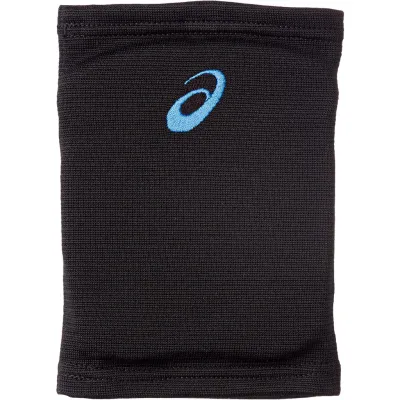
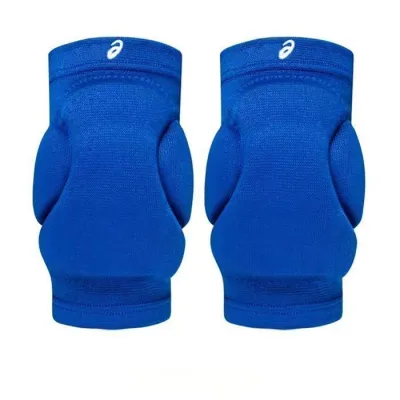
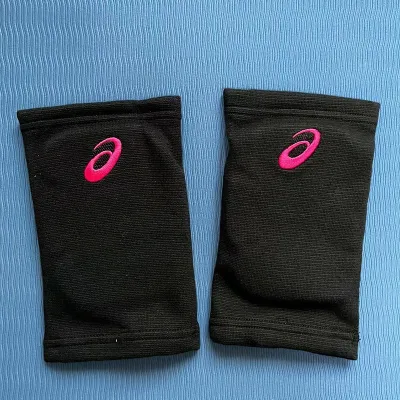
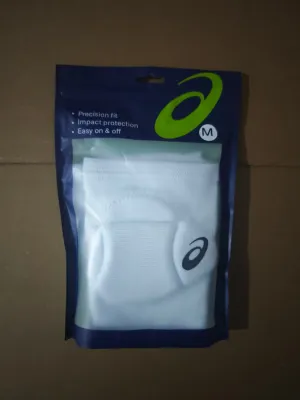
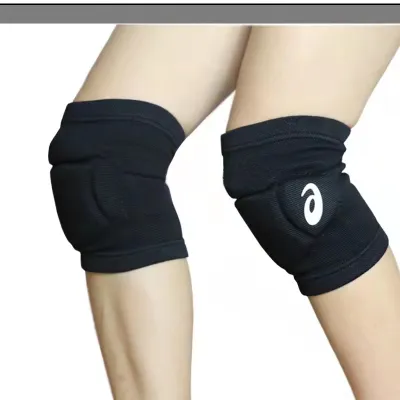
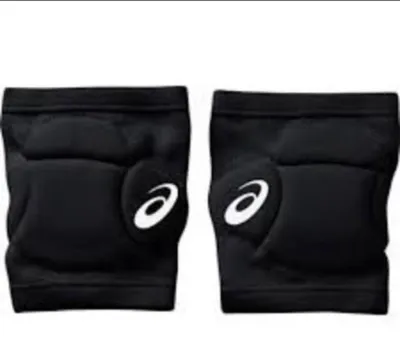
Prices are valid at publication and may change. Please refer to the product page for the latest price.
In contrast, basketball is characterized by vertical and lateral movements, including explosive jumps, sudden deceleration, and rapid cutting maneuvers. Basketball players rarely dive directly onto their knees as a primary defensive technique; instead, their knee stress comes from landing forces and lateral joint strain. The primary hazard is patellar instability or joint fatigue from constant jumping on hard court surfaces. Therefore, basketball players need gear that offers targeted patella stabilization and light impact protection while maintaining maximum joint flexibility and lateral agility.
These differing biomechanics dictate a clear trade-off between shock absorption and joint mobility. A thick, bulky pad designed to cushion a heavy volleyball dive will likely feel restrictive during a fast break or a deep defensive stance in basketball. Conversely, a streamlined, highly flexible basketball sleeve may not provide enough frontal cushioning to protect a volleyball player during a hard floor impact. Understanding these distinct movement patterns is the first step in identifying which design features will serve you best on the court.
Furthermore, the playing environment itself influences how these forces affect your body. Indoor courts, while offering a flat surface, provide very little natural shock absorption compared to outdoor courts or softer playing fields. In tropical climates like the Philippines, indoor gymnasiums can become exceptionally warm and humid, which increases perspiration and can cause gear to slip if it is not properly fitted. This environmental factor makes the choice of materials and fit just as important as the protective qualities of the padding itself.
Key Features to Evaluate in ASICS Knee Pads
When browsing ASICS knee pad options, the first design element to evaluate is the padding thickness and density. ASICS utilizes various foam compositions, such as polyurethane or ethylene-vinyl acetate (EVA), to disperse impact forces. Thicker, high-density foam configurations excel at absorbing direct shocks but naturally reduce the bending radius of the knee joint. Lighter, segmented foam designs allow the pad to contour more naturally around the joint, offering greater flexibility at the expense of heavy impact resistance.

The physical footprint, or coverage area, of the knee pad is another critical factor to consider. Some models feature an extended sleeve that covers a large portion of the shin and lower thigh, which helps keep the pad secure and protects against floor burns over a wider area. Other designs are highly compact, focusing protection solely on the patella and immediate surrounding tissues. A larger coverage area provides comprehensive protection but can trap more heat, which is a significant consideration when playing in warm, humid indoor courts.
Sleeve material and breathability are vital for maintaining comfort and performance during intense play. Look for knit fabrics or polyester-spandex blends that incorporate moisture-wicking technologies to pull sweat away from the skin. In tropical climates, high humidity can cause sweat to pool behind the knee, leading to chafing, skin irritation, and slipping. Checking for breathable mesh panels on the back of the sleeve can help facilitate airflow and keep the gear securely in place throughout a match.
Additionally, the durability of the outer fabric sleeve is paramount, especially for sports involving floor contact. Volleyball pads require a tough, abrasion-resistant outer shell to prevent the fabric from tearing or melting due to friction during slides. Basketball sleeves, while still needing to be durable, focus more on lightweight, breathable knits that offer compression to support blood circulation and reduce muscle fatigue during long games.
Matching ASICS Knee Pad Designs to Your Sport
For dedicated volleyball players, the selection criteria must prioritize maximum frontal protection and outer fabric durability. Look for ASICS models that feature thick, molded foam pads that wrap around the front and sides of the kneecap. The outer fabric covering the padding should be made of a heavy-duty nylon or polyester knit capable of resisting friction and preventing tears during slides. These robust designs ensure that when you drop to make a dig, the pad absorbs the brunt of the force rather than your joint.
For basketball players, the focus shifts toward low-profile, highly flexible designs. Look for knee sleeves that feature thin, segmented padding or hexagonal foam patterns that move dynamically with your stride. These designs provide targeted support to the patella and protect against minor bumps or floor contact without hindering your vertical jump or lateral quickness. The sleeve should offer a high level of compression to support blood flow and keep the muscles warm without restricting your range of motion during deep squats.
If you are a casual athlete participating in both sports, a mid-range hybrid design may serve as a practical compromise. These models typically feature medium-thickness padding that offers decent shock absorption for occasional volleyball dives while remaining flexible enough for recreational basketball games. However, competitive players should avoid using a single hybrid pair, as the specialized demands of high-level play in either sport generally require dedicated, sport-specific gear to prevent injury and optimize performance.
When making your final decision, consider your specific position on the court as well. A volleyball libero or defensive specialist who is constantly diving will need the thickest, most durable pads available. A basketball point guard who relies on speed and quick crossovers will benefit most from an ultra-lightweight, highly flexible compression sleeve. Matching the gear to your specific role ensures you do not carry unnecessary weight or sacrifice essential protection where you need it most.
Sizing, Fit, and Maintenance for Optimal Performance
To ensure your knee pads perform effectively, you must measure your knee circumference accurately before purchasing. Use a flexible measuring tape to measure around the center of your kneecap while standing with your leg slightly bent. Compare this measurement to the manufacturer’s specific sizing chart, as sizing can vary between different models. Avoid guessing your size based on previous athletic gear, as an improper fit can compromise both protection and comfort.
When trying on your knee pads, check the fit by performing a series of dynamic movements, such as squats, lunges, and short sprints. The pad should feel snug and secure, staying firmly in place without sliding down your leg or bunching uncomfortably behind the knee. If the bands cut off your circulation, cause numbness in your lower leg, or pinch your skin, the pads are too small. Conversely, if the padding shifts or gaps during movement, you need to size down to ensure adequate protection.
Proper maintenance is essential for preserving the foam integrity and elastic compression of your gear over time. Always check the care labels on your ASICS knee pads for specific washing instructions. Generally, it is best to hand wash them in cool water with a mild detergent to prevent the breakdown of elastic fibers and foam structures. Avoid using bleach or fabric softeners, and always air dry the pads away from direct sunlight or high heat sources, as machine drying can warp the padding and degrade the sleeve’s elasticity.
Regularly inspecting your knee pads for signs of wear is also crucial for maintaining safety. Over time, the foam padding can compress permanently, reducing its ability to absorb shock, and the elastic sleeve can stretch out, causing the pad to slip. If you notice the padding feels significantly thinner, has shifted out of place, or no longer stays secure during play, it is time to replace them. Keeping your gear in top condition ensures you always have the reliable protection needed to play confidently.
Frequently Asked Questions (FAQ)
Can I use the same ASICS knee pads for both volleyball and basketball?
While you can technically wear the same pair for casual, low-intensity recreational play, doing so involves significant trade-offs. Using thick volleyball pads for basketball will likely restrict your agility, slow down your lateral movements, and cause excessive heat buildup. On the other hand, wearing thin basketball sleeves for volleyball leaves you vulnerable to painful bruising and joint strain during hard floor impacts. For competitive or frequent play, investing in sport-specific gear is highly recommended to ensure proper protection and mobility.
How tight should my ASICS knee pads feel during the first try-on?
Your knee pads should feel quite snug and compressive when you first put them on, as the elastic materials will naturally stretch and conform to your leg shape over time. The compression should be firm enough to keep the padding centered over your kneecap during active movement. However, they should never feel painfully tight, restrict your circulation, or limit your natural range of motion. If you experience pinching, skin irritation, or coldness in your feet, you should try a larger size.
Community discussion
Share your experience or ask a question. Comments are reviewed before publication.