
Quick Answer: Which Incline Treadmill Fits Your Goals?
Choosing between an auto incline treadmill and a manual incline treadmill comes down to your training style, physical space, budget, and how much convenience you require during a workout. If you want seamless, hands-free interval training, realistic terrain simulation, and interactive virtual running programs, an auto incline treadmill is the superior choice. This type of machine allows you to adjust the deck elevation instantly with the press of a button or let a pre-programmed workout handle the changes for you while you maintain your stride.
Conversely, if your fitness routine primarily consists of steady-state walking, jogging, or low-intensity steady-state (LISS) cardio, a manual incline treadmill offers an incredibly cost-effective and mechanically simple alternative. Manual models require you to step off the machine and physically adjust a pin or lever to change the deck angle before you begin. This option is highly suited for budget-conscious fitness enthusiasts, those with limited floor space in compact apartments or condominiums, and anyone looking to minimize long-term electrical maintenance and utility costs.
Ultimately, there is no single universal winner. The ideal machine is the one that aligns with your specific physical conditioning goals, matches your body size and weight capacity requirements, and fits comfortably within your home gym environment. By evaluating your daily exercise habits against the operational realities of each design, you can make a practical investment that keeps you moving consistently.
Products mentioned in this guide
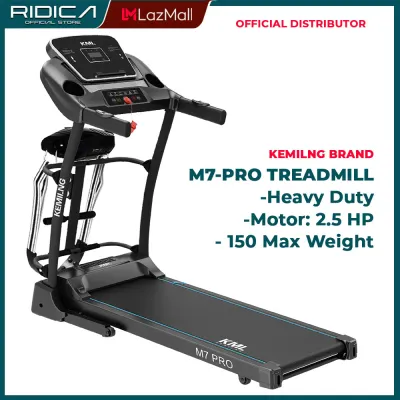
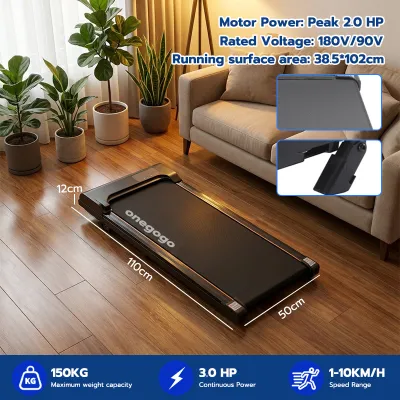
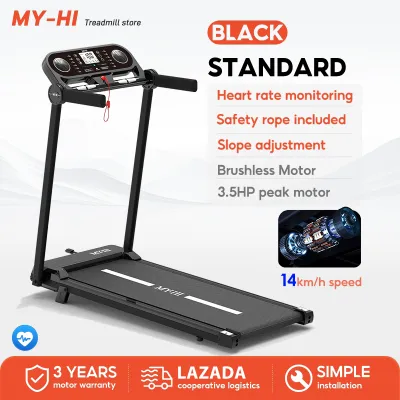
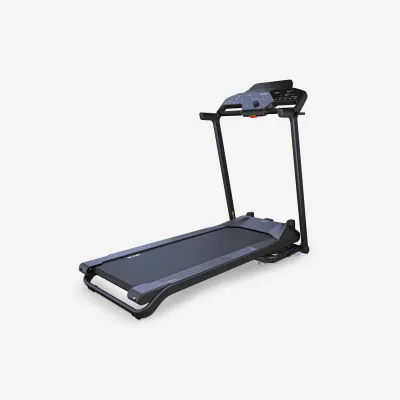
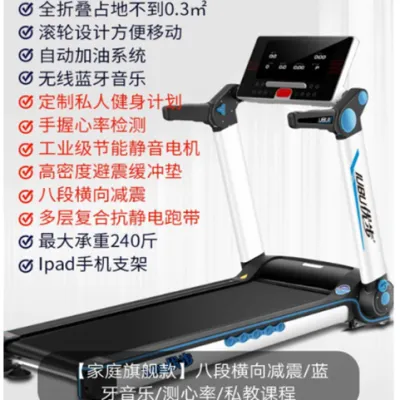
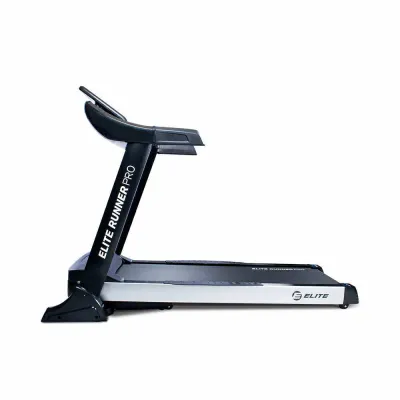
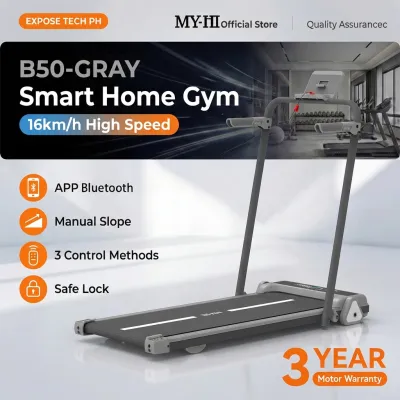
Prices are valid at publication and may change. Please refer to the product page for the latest price.
Understanding the Auto Incline Treadmill vs. Manual Incline Mechanics
To understand why these two types of fitness equipment perform so differently, it helps to examine their internal engineering and physical operation. An auto incline treadmill relies on a dual-motor system housed beneath the motor hood. The primary motor, known as the drive motor, is responsible for turning the running belt. A secondary, smaller motor—the lift actuator or incline motor—is dedicated solely to raising and lowering the front of the running deck. When you select a specific incline level on the digital console, the control board sends an electrical signal to this actuator, which physically pushes the deck upward or pulls it downward along a heavy-duty pivot assembly while you continue running.

In contrast, a manual incline treadmill features a single-motor design or, in some cases, no motor at all if it is a fully manual magnetic treadmill. The adjustment mechanism on a manual incline model is entirely mechanical and requires manual labor. The rear or front legs of the treadmill frame are equipped with adjustable steel pins, physical knobs, or multi-position brackets. To change the angle of the deck, you must bring the running belt to a complete stop, step off the machine, bend down, pull out the safety pins on both sides of the frame, realign the legs to your desired height setting, and lock the pins back into place.
This fundamental mechanical difference directly impacts the overall complexity of the machine. The automated system features intricate wiring harnesses, limit switches, and electronic sensors that monitor the precise angle of the deck. While this provides unparalleled convenience, it also introduces more potential points of failure. The manual system is incredibly robust and virtually immune to electronic malfunctions, but it sacrifices on-the-fly flexibility. Understanding these mechanical foundations is the first step in determining which system fits your daily routine.
Key Comparison Dimensions for Your Workout
When choosing home fitness equipment, evaluating how the machine performs under daily training stress is critical. Let’s break down how these two incline mechanisms compare across the most important dimensions of your workout experience.
Workout Flow and Program Integration
The most immediate difference you will experience during a workout is how the machine handles transitions. An auto incline treadmill excels at maintaining your physical momentum. If you enjoy high-intensity interval training (HIIT), your workout might require alternating between a flat sprint and a steep hill climb every 60 seconds. With an automated system, the transition is seamless; the deck rises smoothly while you adjust your stride, allowing your heart rate to climb without interruption. Furthermore, if you connect your machine to interactive training applications or use built-in workout profiles, the treadmill can automatically adjust its elevation to mimic real-world topography, such as hills in scenic virtual routes.
On a manual incline treadmill, executing a dynamic interval workout is highly impractical. Because you must bring the belt to a complete stop and step off the deck to change the angle, your heart rate will drop, and the physiological flow of your interval training will be broken. This makes manual models far better suited for steady-state workouts. If your goal is to perform a 45-minute power walk at a consistent 3% incline, you can set the physical pin before you start and complete your entire session without needing to touch the mechanism again. If you value uninterrupted movement and variety, the automated system is vastly superior.
Muscle Engagement and Joint Impact
Both manual and automated incline training offer substantial physiological benefits over flat-surface running. Elevating the deck shifts the workload from your quadriceps to your posterior chain, significantly increasing the activation of your calves, hamstrings, and glutes. This increased resistance allows you to burn more calories at lower speeds, making it an excellent option for cardiovascular conditioning. Additionally, running or walking on an incline reduces the impact forces on your knees and ankles, as the upward slope shortens your stride length and alters the angle at which your feet strike the surface.
However, the degree of benefit you receive depends heavily on the machine’s physical specifications. When shopping, you must check the product specifications for the maximum incline percentage and the number of available levels. Many auto incline treadmills offer a wide, precise range, typically spanning from 0% up to 10%, 12%, or even 15% grade, adjustable in precise 0.5% or 1% increments. Manual incline treadmills, due to their physical pin design, generally offer only two to four fixed levels of adjustment, often capping out at a modest 3% to 5% incline. If you require steep slopes for intense hill simulations or need micro-adjustments to accommodate joint rehabilitation protocols, verify these specifications on the manufacturer’s spec sheet before making a purchase.
Space, Power, and Maintenance Requirements
Practical home gym constraints are often the deciding factor for urban dwellers. In the Philippines, where residential spaces like high-rise condominiums and apartments in Metro Manila are often compact, the physical footprint of your fitness equipment is incredibly important. Auto incline treadmills are naturally heavier, bulkier, and more difficult to move. The addition of the lift motor and a reinforced steel lifting frame increases the machine’s overall weight, often making it a permanent fixture in your room, even if it features a folding deck. Manual incline treadmills are significantly lighter, have simpler frames, and are much easier to fold up and roll into a closet or corner when not in use.
Power consumption and environmental factors also play a major role in long-term satisfaction. Operating a dual-motor auto incline treadmill draws more electricity, which is a key consideration given the high utility rates in the Philippines. Additionally, our tropical climate brings high humidity and dust, both of which can accelerate the wear of sensitive electronic components. The control boards and lift actuators in auto incline models require regular dusting, ventilation, and protection from voltage fluctuations via a high-quality surge protector. Manual incline models, having fewer electronic components, are far more resilient against humid conditions and require minimal maintenance beyond regular belt lubrication.
Budget and Value: What You Are Actually Paying For
Understanding the cost drivers behind these machines helps you determine where your money is best spent. Auto incline treadmills command a premium price because of their complex manufacturing requirements. When you purchase an automated model, you are paying for the secondary lift motor, a more sophisticated control board capable of managing dual-motor synchronization, a heavier steel frame designed to pivot safely under load, and an advanced console with dedicated incline buttons. In the Philippine market, a reliable entry-level auto incline treadmill typically starts around ₱25,000, with high-end, commercial-grade models easily exceeding ₱75,000.
Manual incline treadmills offer an incredibly accessible entry point into home fitness, with prices generally ranging from ₱8,000 to ₱18,000. By eliminating the secondary motor and complex electronics, manufacturers can deliver a sturdy, functional running surface at a fraction of the cost. If you are on a strict budget, a manual model allows you to allocate your funds toward a high-quality drive motor and a well-cushioned deck, rather than spending money on automation features you might rarely use.
To evaluate true value, you must weigh the upfront purchase cost against your actual likelihood of utilizing the automated features. If you know that stopping to adjust a manual pin will discourage you from using the incline feature altogether, then investing in an auto incline model is highly justified to ensure your long-term consistency. Conversely, if you are content with a fixed-slope walk, paying a premium for an automated system is unnecessary.
Always verify the manufacturer’s warranty terms before purchasing. Pay close attention to the specific coverage periods for the frame, the drive motor, the incline motor, and the electronic console. A longer warranty period is a strong indicator of component durability and protects your investment against the premature failure of complex motorized parts.
Decision Framework: Which One Should You Choose?
To help you finalize your purchasing decision, use this structured framework to match your fitness profile with the correct treadmill design.
- Choose an Auto Incline Treadmill If:
- You prioritize dynamic training: You regularly perform high-intensity interval training (HIIT), heart-rate zone training, or follow structured coaching programs that require frequent, rapid changes in elevation.
- You use interactive fitness apps: You want to connect your treadmill to virtual running applications that automatically adjust the deck's physical slope to match virtual hills.
- You demand hands-free convenience: You want to adjust your workout intensity on the fly without breaking your stride, stopping the belt, or interrupting your mental focus.
- You have adequate space and budget: You have a dedicated fitness area in your home, do not need to move the machine frequently, and are comfortable investing in a premium product with slightly higher electricity usage.
- Choose a Manual Incline Treadmill If:
- You prefer steady-state cardio: Your workouts consist primarily of walking, jogging, or running at a single, consistent incline level for the duration of your session.
- You are working with a strict budget: You want to add a reliable cardio machine to your home gym without making a major financial investment.
- You live in a compact space: You need a lightweight, highly portable machine that can be easily folded, moved, and stored in a small apartment or condo.
- You want low-maintenance durability: You prefer a simpler mechanical design with fewer electronic components that could fail due to humidity, dust, or power fluctuations.
- Verify These Critical Specifications Before You Buy:
- Continuous Horsepower (CHP): Ensure the drive motor has a rating of at least 2.0 CHP for walking or light jogging, and 2.5 to 3.0 CHP if you plan on regular running. This ensures the motor can handle your weight on an incline without overheating.
- User Weight Capacity: Verify that the machine's maximum weight capacity exceeds your body weight by at least 15 to 20 kilograms to ensure structural safety and prevent motor strain.
- Actual Incline Percentage: Check the product manual to confirm whether the incline is listed as a percentage grade (e.g., 10% incline) or simply as "levels," as levels do not always correspond directly to percentage points.
- Safety Key Functionality: Ensure the safety clip and auto-stop mechanism function perfectly, especially when training on steep inclines where losing your footing carries a higher risk of injury.
Frequently Asked Questions (FAQ)
Can I convert a manual incline treadmill to an auto incline later?
No, it is not possible or cost-effective to convert a manual incline treadmill into an auto incline model. Auto incline treadmills require a fundamentally different structural frame designed to pivot on a motorized lift assembly. They also require an internal lift motor, a compatible dual-motor control board, specific wiring harnesses, and a digital console with dedicated electronic incline controls. Attempting to modify a manual frame is highly unsafe, will immediately void your warranty, and would cost more in custom parts than purchasing an automated model upfront. It is highly recommended to choose the correct mechanism from the start based on your long-term fitness goals.
Does using the incline feature significantly increase electricity usage?
Using the incline feature does increase your treadmill’s overall power consumption, but the impact depends on how the system is used. The secondary lift motor on an auto incline model only draws electrical current during the brief moments when it is actively raising or lowering the deck; once the desired angle is reached, it stops drawing power. However, running or walking on any incline forces the primary drive motor to work significantly harder to pull the running belt against gravity and your body weight. To manage your electricity bills, ensure the running belt is regularly lubricated to reduce friction, avoid leaving the treadmill on standby mode when not in use, and unplug the machine from the wall outlet after your workout.
Is a manual incline treadmill safe for beginners?
Yes, manual incline treadmills are perfectly safe for beginners, provided you follow correct operational and safety protocols. You must never attempt to adjust the physical incline pins, knobs, or levers while the running belt is moving or while you are standing on the deck. Always bring the treadmill to a complete stop, step off the machine entirely, and stand on the floor before making adjustments. Ensure that the pins on both sides of the frame are fully inserted and locked into the matching height holes before stepping back onto the deck. Always attach the safety clip to your clothing before starting the belt so the machine will stop instantly if you slip or lose your balance.
Community discussion
Share your experience or ask a question. Comments are reviewed before publication.